There are many natural remedies for bad breath. Some people recommend chewing sugar-free gum or mints, drinking lots of water, or using a tongue scraper. Of course, a frequent brush and floss is essential to get rid of food particles and bad bacteria in the mouth. There are also many home remedies that can help, such as gargling with salt water or baking soda, or drinking green tea. Some people also find that using a neti pot or nasal rinse can help clear out their sinuses and reduce bad breath.
Whatever the cause of your bad breath, there are likely natural remedies out there that will help. So don’t be afraid to try some of these at home. And if you still can’t get rid of your bad breath, don’t hesitate to see a doctor or visit a specialty store for further assistance.

1 Honey to Help with your Gums and Dry Mouth
If your breath is anything less than minty-fresh, you may want to consider using honey as a home remedy. According to some experts, honey is moist and free of the dryness that can lead to bad breath. Simply coat your tongue with honey before bedtime and brush your teeth in the morning for fresher breath throughout the day. Just make sure you don’t get any on your pillow, or you’ll be attracting bees all night long! And we all know how annoying it is to have bees buzzing around our heads while we’re trying to sleep. So make sure you keep that honey where it belongs – on your tongue!
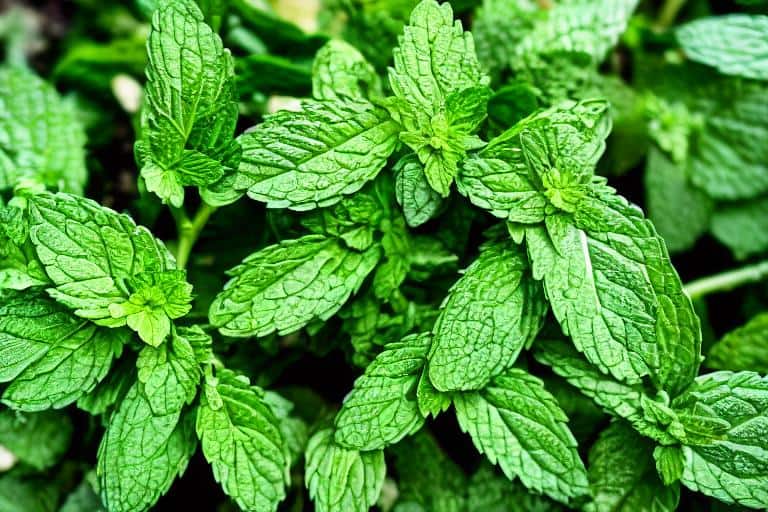
2: Mint leaves for Halitosis
Without using first, second and finally. Mint leaves are good because they contain menthol, which is a natural antiseptic. Menthol can help to kill the bacteria that gives you bad breath. Mint leaves are also a good natural astringent, which means they can help to shrink the size of the pores in your mouth, making it harder for bacteria to get in and cause bad breath. Finally, mints are a good natural moisturizer, which means they can help to keep your mouth moist and free of the dryness that can lead to bad breath.

3: Chew Ginger Root
Ginger root is a good natural breath freshener because it is a natural antiseptic, astringent, and moisturizer. This means that it can help to kill the bacteria that cause bad breath, shrink the size of the pores in your mouth, and keep your mouth moist and free of the dryness that can lead to bad breath.
Another benefit of ginger root is that it has anti-inflammatory properties, which can help to reduce the pain and swelling that can go with bad breath. Additionally, ginger root is a natural source of antioxidants, which can help to fight off damage caused by free radicals.
Ginger root can also help to stimulate the production of saliva, which is another natural way to fight bad breath. Also, ginger root can help to soothe the irritated tissue in your mouth and restore its natural balance.
You use ginger root by chewing on the fresh root or by mixing it in a cup of water and drinking it. This could be cold or warm water depending onn your preference. Either way, you should start by taking small doses and increasing them if necessary.

4: Baking Soda
If you’re looking for home treatment for bad breath, baking soda may be the answer. This natural antiseptic, astringent and moisturizer can help to kill the bacteria that gives you a bad breath, shrink the size of the pores in your mouth and keep your mouth moist and free of the dryness that can lead to bad breath.
To use baking soda for bad breath, mix one teaspoon of baking soda with eight ounces of water and drink twice a day. For best results, pour the mixture into a small glass and drink at once.
Just be sure to brush your teeth afterwards, because no one wants to kiss a mouth full of baking soda!

5: Aloe Vera will Help Get Rid of Bad Breath
Aloe vera is the perfect way to get rid of bad breath – if you don’t mind smelling like a plant! First, it’s a natural antiseptic, which means it can help to kill the bacteria that cause bad breath. Second, it’s a natural astringent, which means it can help to shrink the size of the pores in your mouth, making it harder for bacteria to get in and bring about bad breath. Finally, aloe vera is a natural moisturizer, which means it can help to keep your mouth moist and free of the dryness that can lead to bad breath. So next time you’re struggling with some stinky breath, reach for the aloe vera – your friends will thank you for it!

6: Saltwater Gargle
So, you want to get rid of that bad breath, eh? Well, one home remedy you can try is saltwater gargle. That’s right – just take a big gulp of salty water and swish it around in your mouth like you’re at the beach.
Why does this work? Well, salt is a natural antiseptic, astringent, and moisturizer. This means that it can help to kill the bacteria that gives you bad breath, shrink the size of the pores in your mouth, and keep your mouth moist and free of the dryness that can lead to bad breath.
So go ahead and give it a try – who knows, you might just end up with fresher breath than ever before!

7: Tea Tree Oil
If you’re looking for a natural remedy that can help to kill the bacteria that is the root of your bad breath, tea tree oil may be the answer. This oil is a natural antiseptic, which means it can help to kill the bacteria. Tea tree oil is also an astringent, which means it can help to shrink the size of the pores in your mouth. Finally, tea tree oil is a natural moisturizer, which means it can help to keep your mouth moist and free of the dryness that can lead to bad breath.
Conclusion on the 7 Home Remedies for Bad Breath
These are a few things you can do at home that may help you to get rid of that funky smell. Remember, it’s always best to consult with a health professional if you have any questions about your health or if you are experiencing any serious symptoms.
FAQ About Halitosis and What You Can Try At Home to Treat Bad Breath
Is it possible to stop bad breath?
Yes, it is possible to stop bad breath. There are many ways to do this, but the most important thing is to keep your mouth clean. This means brushing your teeth regularly, flossing daily, and using a tongue scraper. You should also avoid foods that can give you bad breath, such as garlic and onions. If you smoke, quitting will also help get rid of bad breath.
home remedies for bad breath in children?
There are a few home remedies that can help alleviate bad breath in children. First, make sure they’re brushing and flossing regularly. If they’re still experiencing bad breath, have them swish around mouthwash for 30 seconds before spitting it out. You can also have them chew on sugar-free gum to help increase saliva production. Lastly, make sure they’re drinking plenty of water throughout the day to keep their mouths hydrated.
Can a sinus infection cause bad breath?
Yes, a sinus infection can indeed be the reason for bad breath. This is due to the buildup of bacteria in the nose and throat that can produce unpleasant odors. Additionally, sinus-related postnasal drip can be the culprit as mucous drains down the throat. Fortunately, many treatments such as antibiotics and nasal sprays are available to help combat a sinus infection and its associated bad breath.
My Cat has Bad Breath, What Can I Do About it?
Cats can sometimes have bad breath due to dental problems, an underlying health condition, or poor hygiene. While brushing your cat’s teeth is the best way to combat bad breath, there are also some home remedies you can try. Start by offering a wet food diet with added taurine for healthy gums and teeth. Be sure to keep their litter box clean and feed them high-quality kibble free from artificial colors and flavors. Finally, give them regular dental chews and use a special.
Is There a Home Remedy for Bad Breath in Dogs?
Bad breath in dogs can be an indicator of a more serious health issue, however there are also simple remedies to help eliminate the odor. Brushing your dog’s teeth with a special toothpaste is the best way to get rid of bad breath. Adding some apple cider vinegar to their drinking water can help kill bacteria and freshen breath. You can also feed your pup crunchy fruits or vegetables like celery or carrots, which will act as natural toothbrushes and help clean plaque off of their.
Can Stress Actually Give You Bad Breath?
Yes, stress can affect the mouth in various ways, and is a common cause of bad breath. Stress can lead to gingivitis, dry mouth, and infections in the throat or tonsils which can all contribute to unpleasant odors coming from the mouth. It’s important to keep up on oral hygiene while managing your stress levels in order to keep bad breath at bay.
Can I have a Bad Breath without Knowing it Myself?
Yes, it is possible to have bad breath without knowing it yourself. Bad breath often occurs when bacteria accumulate in the mouth due to poor oral hygiene or a specific medical condition. You might not be aable to smell your own breath, so the best way to check for bad breath is to ask somebody close or a trusted friend or family member who will be honest with you. Additionally, professional help from a dentist can also be sought as they are trained to diagnose and treat bad breath related problems.
Which Essential Oils can I use against Hailtosis?
Essential oils are a great natural way to help deal with Haltosis. Some of the best essential oils to use include eucalyptus, peppermint, rosemary and lavender. These oils have anti-inflammatory and antioxidant benefits which can help alleviate symptoms associated with Halitus such as sore throat and bad breath. Another oil to consider is tea tree oil which has antifungal properties that can reduce bacterial growth in the mouth. Just make sure to consult a doctor if your symptoms.


