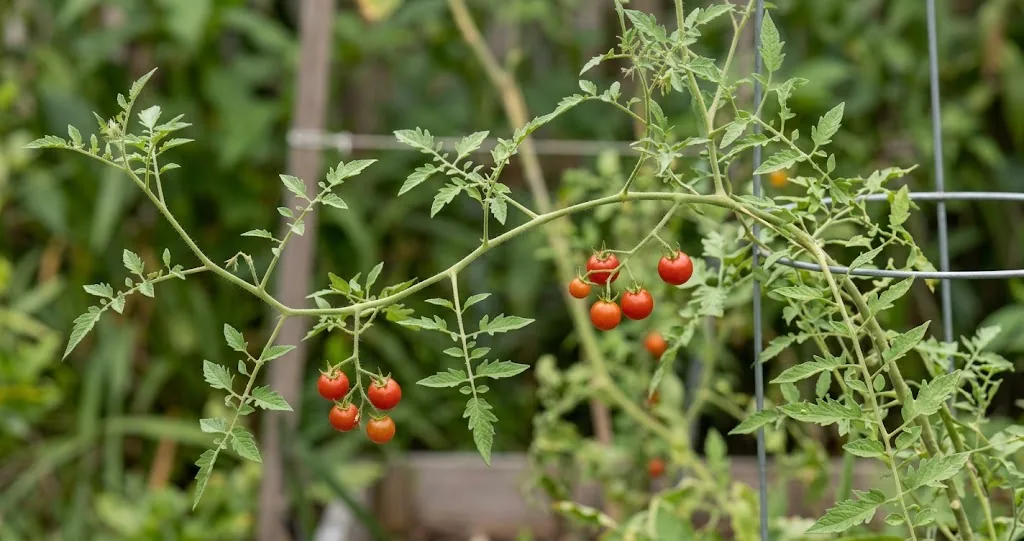
The Everglades tomato is less a tidy patio plant than a sprawling vine with clusters of small, thin-skinned tomatoes. Gardeners in Florida and the Southeast value its performance through warm, humid weather, but its botanical identity and growing timeline are less settled than many sellers suggest.
Origin and history
One retailer uses the nickname “Wild Florida Everglades”, but that label does not establish where the plant originated. Two UF/IFAS county pages, from Monroe County and Charlotte County, call it Solanum pimpinellifolium, the wild currant tomato of Peru and Ecuador. Seed sellers use both that name and Solanum lycopersicum, and the plant can hybridize with other tomatoes, so a packet label does not settle what you are growing. That uncertainty is a better guide than confident stories about a single wild origin.
In practical terms, this is a garden type often sold as a currant tomato. If you are comparing it with other named varieties, the tomato varieties hub gives you a broader route through the group.
Botany and plant facts
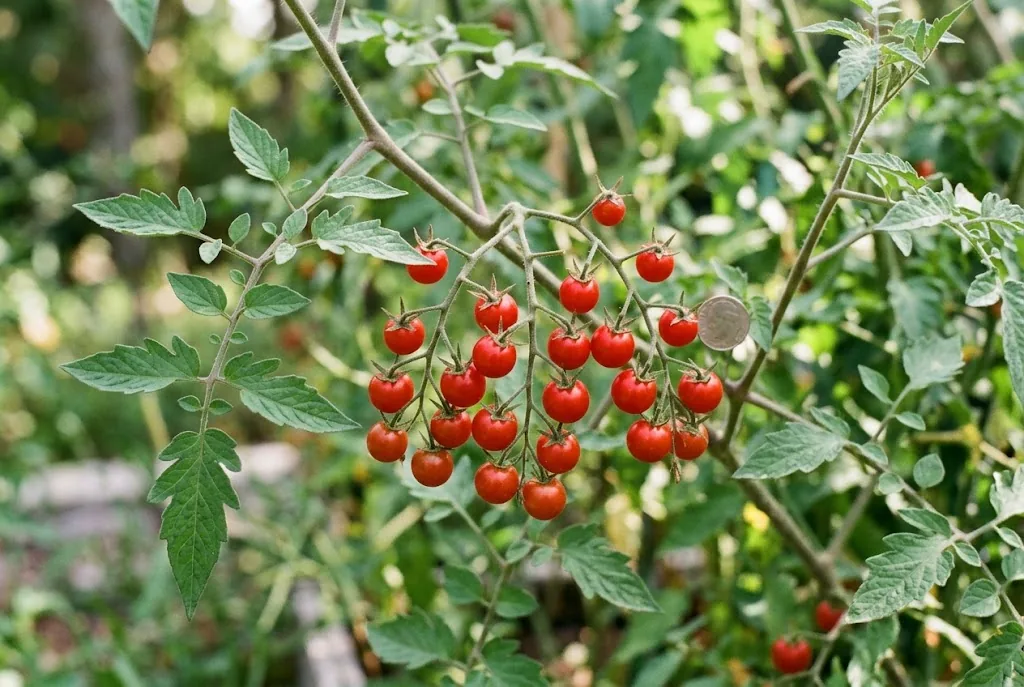
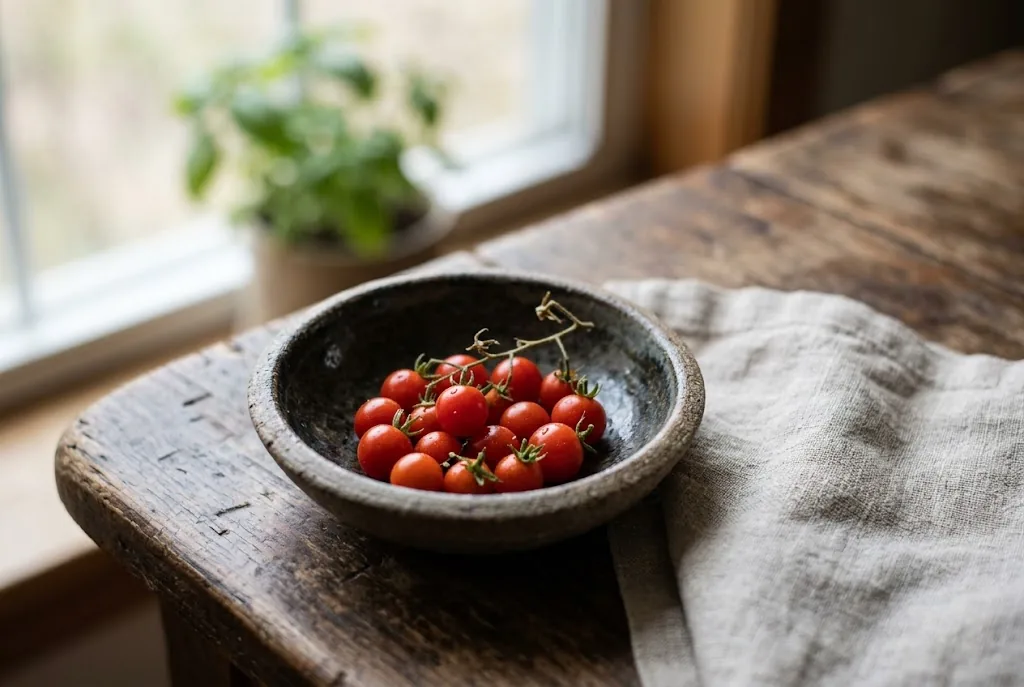
Whatever species name is on the packet, this is a small-fruited, currant-type tomato. The round, red tomatoes are currant-like; UF/IFAS sources describe them as about a quarter to half an inch across, with one recent extension guide comparing them to a dime. The skin is thin, so handle clusters gently.
These vines are indeterminate. Given room and support, they can sprawl up to about 10 feet, as the Monroe County page above notes, and some gardeners report more. Do not expect a compact, single flush of ripe tomatoes. Formal resistance ratings are not published for this type, so do not count on it being a disease-resistant plant.
Days to maturity vary by seller, and there is no single figure for every stock sold under this name. Southern Exposure lists 56 days for its Everglades line and identifies its stock as seedstock from Melissa DeSa; the listing does not state whether the count starts at sowing or transplanting. For a gardener planning a specific picking date, treat the packet’s estimate as a guide, not a promise about another line. If you are looking for Everglades tomato seeds, UF/IFAS suggests specialty seed shops or asking a local grower for a plant or cutting.
For seed saving, a 2024 UF/IFAS guide uses Everglades currant tomato as an example of an open-pollinated variety. It says saved seeds can grow true to type when you prevent cross-pollination with other tomato varieties. A 2026 UF/IFAS growing guide describes cleaning its seeds: squeeze the ripe pulp and seeds into a jar, cover for three days, stir once daily, then rinse and dry. Ask your supplier about its stock and keep compatible varieties from flowering together if you want to save seed.
Planting and growing this variety
Choose a sunny site and allow room for the sprawling vine. UF/IFAS Extension reports that this heat-tolerant tomato can keep producing in hot, humid summer weather, when many garden tomatoes struggle. The university’s cherry tomato guide also mentions tolerance of alkaline soil, brackish water, and salt wind. Those observations describe a tough southern garden tomato, not a promise that it will thrive in every hot climate or in salty irrigation water.
For general care, UF/IFAS suggests four to six hours of sun and one to two inches of water a week for cherry tomatoes, along with regular use of a vegetable fertilizer. Treat these as broad starting points, then adjust watering for rain, soil, and container size. Follow the fertilizer label rather than guessing at a rate.
In a garden bed, UF/IFAS recommends improving poor soil with compost. In a container, use a rich, well-drained growing mix. Both approaches should let excess water drain while the root area stays evenly moist.
Sow a tomato seed indoors in a sterile starting mix, then transplant young plants after they have grown for several weeks, following your local frost and planting calendar. The Hillsborough County UF/IFAS guide suggests raising them in flats for four to six weeks before moving them to the garden or a large container. Keep the mix moist, not soggy, during germination, and follow the packet’s temperature guidance while you wait for the seed to germinate.
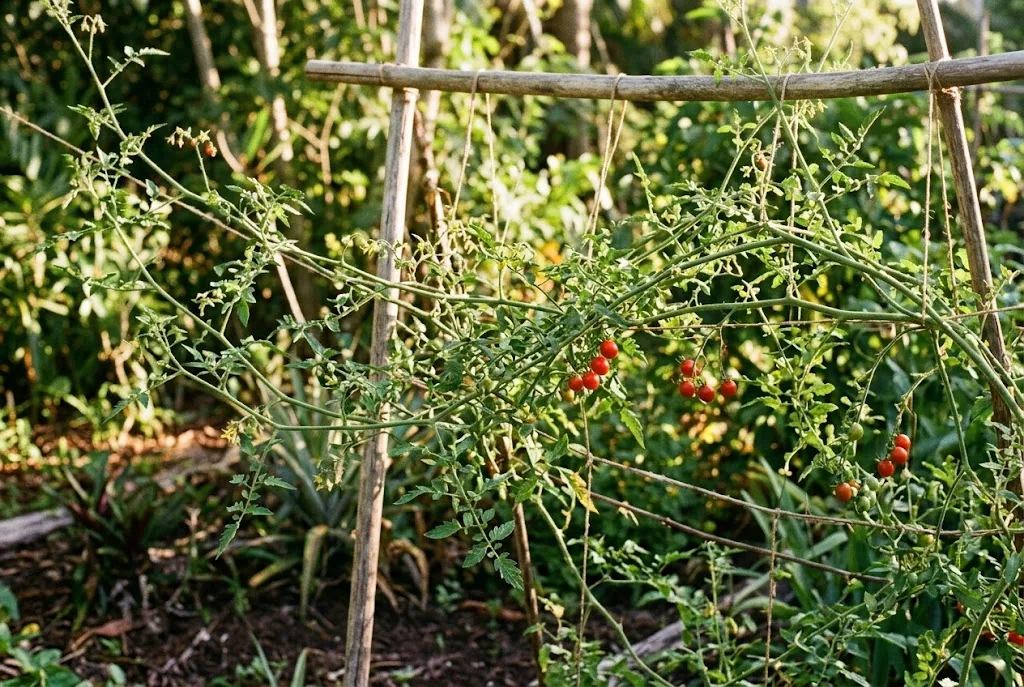
Give the vigorous vine a tall, sturdy cage or trellis before it sprawls. You can let it ramble, but support keeps clusters easier to find and gather. In a planter, choose a large size with drainage and water as the mix dries; a small container will be hard to keep evenly moist through warm weather.
UF/IFAS describes this type as relatively pest- and disease-free, but inspect tomato plants and their leaves regularly. Remove damaged plant material and use a tomato-specific diagnosis before choosing a treatment. Do not assume that every plant sold under the name is genetically identical.
When to harvest ripe clusters
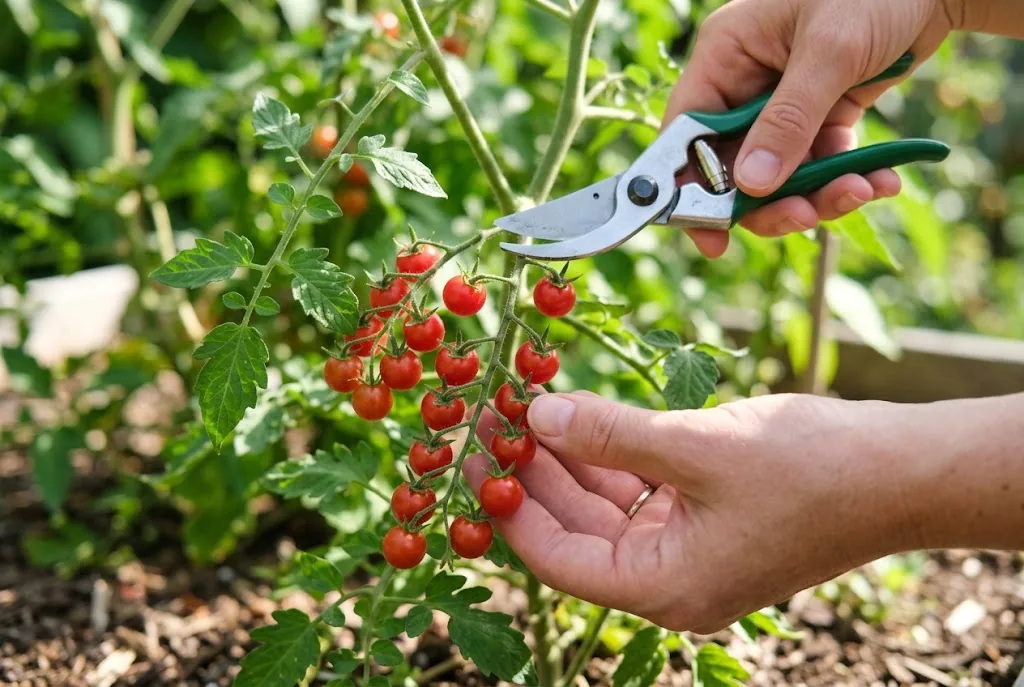
Watch the clusters as the tomatoes turn red and pick when they are ripe and colored. The thin skin can tear if you tug individual tomatoes, so clip or cut the whole cluster and sort them afterward. This makes it easier to gather several at once. Check the plant often because ripe tomatoes can drop, and pick up fallen tomatoes promptly where you do not want volunteers. If you are choosing among small varieties, Datterini tomatoes are another option to compare.
Storage and preserving
Because the tomatoes are small and delicate, use them soon after picking. Keep ripe tomatoes in a cool spot at room temperature and avoid piling them deeply. Extension guidance warns that refrigeration can reduce tomato flavor and firmness. For a later batch, freeze them whole or cut for cooking; thawed tomatoes soften, so they suit sauces and soups better than fresh salads. The National Center for Home Food Preservation gives tested freezing directions.
If you want shelf-stable canned tomatoes, use a current research-tested recipe and follow its acidification and processing directions exactly. Their acidity can vary, so do not can an improvised recipe or assume small size makes them safe without added acid. The National Center for Home Food Preservation explains tomato acidification.
Ways to use the fruit
These tomatoes are easiest to enjoy where their small size works for you: scatter them whole into salads, tuck clusters onto a snack plate, or cook a handful into a quick pan sauce. Their thin skin makes them less convenient to peel or dice one by one. If you like small-fruited varieties, compare them with Tomatoberry tomatoes when choosing what to grow next.
For someone growing at home who can give the vine room and support, this type offers a long run of small red tomatoes and a reputation for handling warm, humid conditions. Buy from a seller who describes its stock clearly, and let the packet, local conditions, and the plant in front of you guide the details.
Common questions
Are Everglades tomatoes easy to grow?
They can be forgiving in warm, humid weather, but the plant sprawls and the thin-skinned tomatoes need gentle picking. Give it space and support, and check clusters often so ripe tomatoes do not drop unnoticed.
Do the vines need a trellis?
A trellis is useful if you want to keep the long stems off the ground and make the clusters easier to reach. If you let a vine sprawl instead, leave enough room around it to walk and gather tomatoes.
What do the tomatoes taste like?
UF/IFAS describes them as tasty, while one Florida seed exchange listing calls its own line sweet. Flavor can differ with seed stock and growing conditions, so sample a few fresh before deciding whether to use the crop raw or cooked.
Can I grow one in a container?
Yes, if you have a large container with drainage and a sturdy support. UF/IFAS says a five-gallon bucket can be large enough for a compact, small-fruited tomato, but a sprawling plant needs room for its roots and support for its long stems. Choose the biggest practical pot and check soil moisture as warm weather dries the mix.
Will it self-seed around the garden?
It can. UF/IFAS notes that ripe tomatoes left to drop can produce new plants. Pick ripe clusters and remove volunteers where you do not want them.
