A small bowl of chili peppers on a kitchen counter opens up more cooking than almost any other ingredient. A single jalapeño lifts a pot of beans. A dried ancho deepens a long braise. A sliver of habanero turns a weekday sauce into the centerpiece of the meal. The plant is generous in the garden too: a few pots on a sunny patio or windowsill can carry a household from midsummer through the first frost, and the dried chilies hold their heat for months on a pantry shelf.
This page is the doorway into Herbatorium’s chili peppers silo. Read it for the lay of the land, then follow the linked pages for any question the overview does not cover: choosing the right chile pepper variety, getting a handle on heat, growing your first plants, putting them to work in the kitchen, and storing the harvest for the months when fresh pods are out of season.
Latest in Chili Peppers
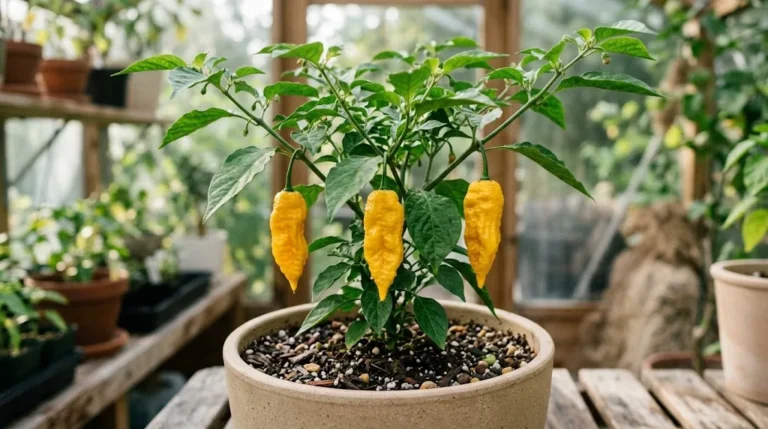

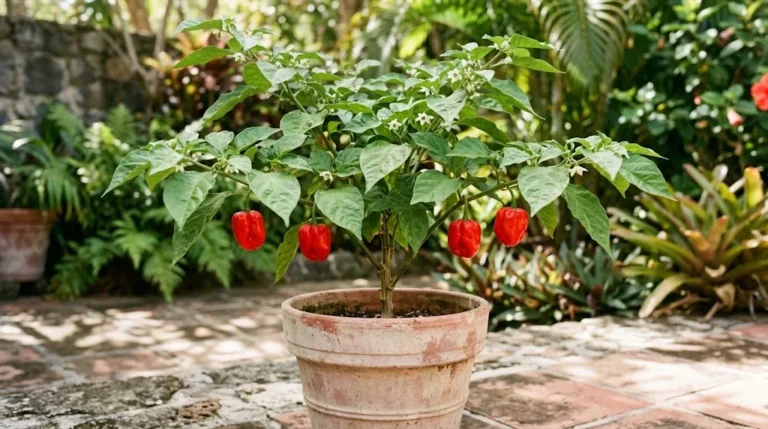
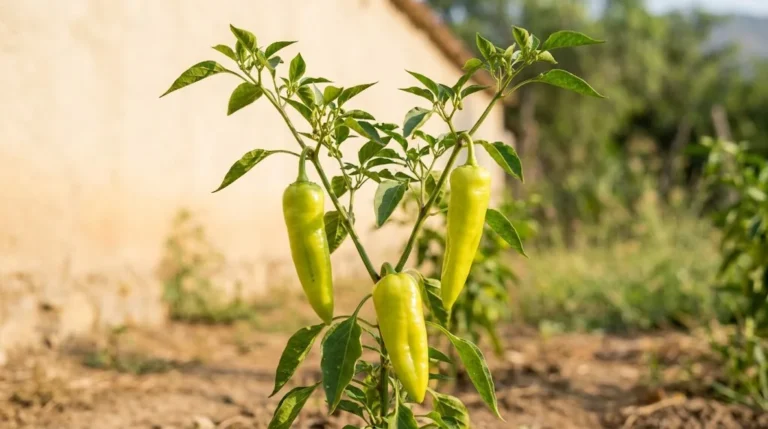
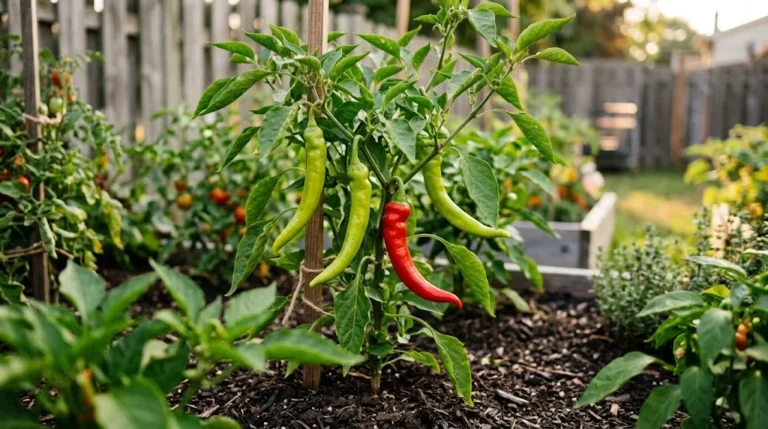
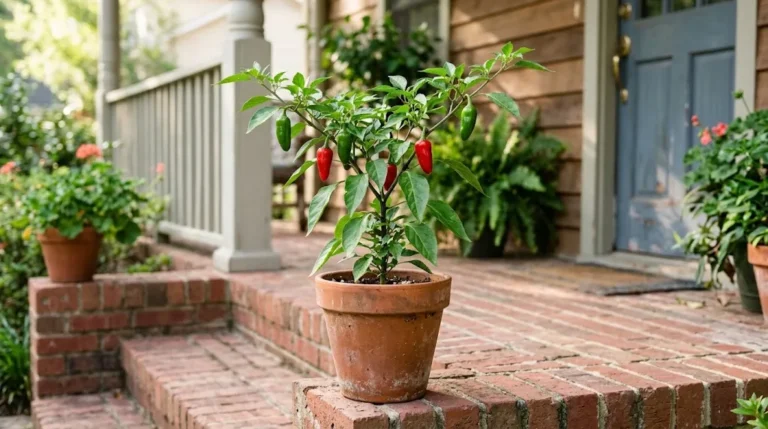
A quick introduction to chili peppers
Chili peppers come from wild Capsicum species native to the Americas. Five Capsicum species were independently domesticated in different parts of Central and South America: Capsicum annuum, Capsicum chinense, Capsicum frutescens, Capsicum baccatum, and Capsicum pubescens. European voyages carried Capsicum to Europe after 1492, and the plants then spread through cuisines around the world. Garden varieties are cultivated forms of those five domesticated species, while wild Capsicum species still grow in the Americas and contribute to breeding work.
Chili peppers are the fruit of a small shrub in the nightshade family, the same family as tomatoes, eggplant, and potatoes. The fruit is technically a berry, though cooks treat it as a vegetable. Most domesticated types are short-lived perennials in their native climate and annuals almost everywhere they are grown in temperate gardens, because the plants cannot tolerate frost. That single origin story explains a great deal about how the plants behave and how they are used. Every cultivar wants similar growing conditions: full sun, well-drained soil, steady moisture during fruit set, and a long warm season. Most want similar handling in the kitchen too, with small adjustments for fresh versus dried, ripe versus under-ripe, and the difference between a thin-fleshed pod and a thick-walled one. Treat them as cousins rather than strangers, and most of what you learn about one chili pepper carries over to the others.

The capsaicin story, briefly
The heat in a chili pepper comes from a family of compounds called capsaicinoids, which the plant makes and stores mostly in the white pith that holds the seeds in place. The seeds themselves carry little capsaicin. Rub a cut pod and you will see where the heat sits: most of it clings to that pith, very little to the flesh. The burning sensation on human skin is the plant’s defense against mammals that would chew through seeds; birds, which swallow seeds whole, do not register it.
The Scoville scale ranks chili pepper heat from nonpungent types to very hot varieties. As of 2026, Guinness World Records lists Pepper X as the hottest verified chili pepper, with an average of 2,693,000 Scoville Heat Units confirmed in 2023. The original scale was a panel-tasting test, and modern labs often use liquid chromatography to measure capsaicin content directly and express the result as Scoville units. Heat can vary within a named variety and with growing conditions, so treat a Scoville range as a useful guide rather than a guarantee. If you want the full picture, the explainer on how the Scoville scale measures chili heat is the next stop.
Find your perfect chili pepper
Explore six chili pepper varieties

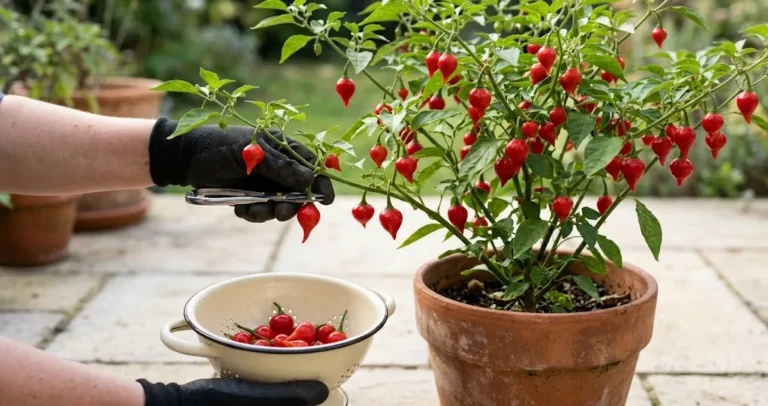

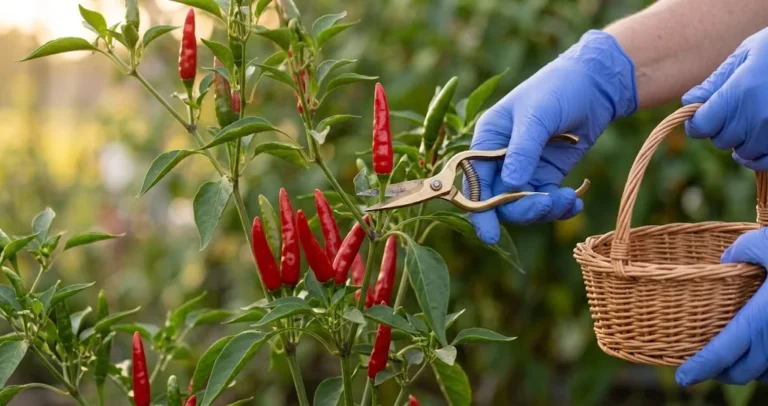


The variety is the single biggest decision, and it sits in front of almost every other choice. A productive cayenne in a warm garden gives a steady supply of thin, fiery pods for drying through the fall. A Padrón plant rewards close attention because an occasional pepper can run hot, and that surprise is part of the dish. A shishito is dependable almost every time and barely warm on the tongue. Each variety sits somewhere on a triangle of flavor, heat, and best kitchen use, and named types range from mild and bell-shaped to landrace super-hots that ask for gloves to handle.
Start with how you actually want to cook, then match the pod to the dish. A cook who wants a weeknight kick for tacos and beans will lean on jalapeño, serrano, and fresh cayenne. A cook who wants a winter pantry of dried chilies will lean on ancho, guajillo, pasilla, and chile de árbol for stews and braises. A cook who wants bright heat for Asian kitchens will lean on Thai chilies, bird’s eye chilies, or gochugaru-style Korean flakes. A beginner who wants one chili pepper to grow on a balcony will do well with a padron or shishito plant that produces reliably and forgives imperfect care. Picking from a clear kitchen goal keeps the catalog from becoming overwhelming. The full breakdown of named chili varieties, heat levels, and flavor profiles is in the companion guide.

Color, ripening, and harvest
Many chili peppers are harvested green and change color as they mature, although the final color depends on the variety. The change is more than cosmetic: ripe pods are often sweeter and fuller-flavored than green pods from the same variety. Heat can change too, but it varies with the cultivar, individual plant, and growing conditions. A red jalapeño, including one later smoked into chipotle, usually tastes richer and sweeter than a green pod picked at the same size.
Harvesting is a question of what you plan to do with the pods. Pick green for a sharper, more vegetal flavor and a more abundant later crop. Pick fully colored pods for deeper flavor and good material for drying or smoking; their heat is still variety- and growing-condition-dependent. Harvest often; most plants keep producing as long as you keep picking. Cut, do not pull, the stem so the branch does not tear.

From seed to harvest
Most chili peppers are slow to start from seed and benefit from an indoor sowing six to eight weeks before the last expected frost in your climate. A heat mat and a clear cover help germination, while the timing depends on the variety and soil temperature. Once the seedlings have true leaves, pot them up into deeper containers and grow them on under bright light until nights stay above about fifty degrees Fahrenheit and the plants can move outdoors without stress.
Choose a sunny spot with well-drained soil. Most chilies are comfortable in a large container as long as the pot is at least twelve inches deep and you water consistently during fruit set. Follow a soil test and avoid excess nitrogen, which can produce leafy plants that are slow to bear fruit. If plants form flower buds while still indoors, pinch off those bud clusters until close to planting outdoors. Common problems include aphids, whiteflies, spider mites in dry weather, and blossom-end rot when watering is uneven. For suspected virus symptoms, remove affected plants and follow local extension guidance. For the full walk-through, including timing by climate, soil mix, and troubleshooting, see how to grow chili peppers from seed to harvest.
In the kitchen
Fresh chili peppers brighten a dish when added in the last minute of cooking, where their volatile oils and bright acids stay intact. Dried chilies, toasted briefly in a dry pan and soaked in hot water, give a deeper, rounder flavor that anchors stews, beans, and braised meats. Sauces, pastes, oils, and condiments each open a different door: a quick blender sauce with fresh pods for weeknight tacos, a fermented hot sauce for the back of the fridge, a Sichuan-style chili oil for noodles, a chipotle paste for grilled meats, a smoky chili powder for spice rubs.
Dairy can make capsaicin’s burn feel less intense for some people, while citrus, salt, and sugar change a dish’s overall balance rather than removing capsaicin. Taste as you go. Pairing by region also helps: ancho and guajillo for slow-cooked Mexican stews, dried chiles de árbol and pasilla for bright Mexican salsas, Thai and bird’s eye chilies for Southeast Asian stir-fries, gochugaru for Korean kimchi and stews, Sichuan chiles for chili oils and noodle dishes, urfa biber and Aleppo pepper for Middle Eastern cooking, and Calabrian chiles for Italian pasta. For sauces, pastes, and the wider approach to making chili pepper a daily ingredient, the overview of cooking with chili peppers covers the bases and the most useful techniques.
Storing the harvest
A glut of ripe pods has plenty of options and almost no wrong answer. Air drying on a string, a low oven, or a dehydrator turns fresh pods into ristras, whole dried chilies, flakes, or powders. Freezing keeps flavor close to fresh for cooked dishes and avoids the work of drying. Pickling or fermenting shifts the flavor toward tang and adds new shelf life. Smoking gives a chipotle-style depth that few other techniques match. Most households settle on two or three methods depending on the varieties they grow, and end up with a pantry that spans the year from autumn through to the next harvest.

Safety and handling
The same capsaicin that gives a chili pepper its kick can irritate skin, eyes, and airways. Wear food-safe gloves when handling large quantities of hot varieties, and wash hands and tools before touching your face. Ventilate the kitchen when cooking very hot chilies indoors, since cooking fumes can irritate eyes and airways. For skin exposure, wash promptly with soap and water. If chili residue reaches the eyes, rinse immediately with plenty of running water for 15 to 20 minutes, then contact Poison Control or seek urgent care for severe or persistent symptoms (Poison Control eye-exposure guidance).

Health, with appropriate hedging
Chili peppers have a long history in food and traditional practice, while capsaicin also appears in some topical pain-relief products. That medical use is different from eating hot peppers or applying a homemade preparation. Cleveland Clinic’s capsaicin medicine guide explains topical use and its safety considerations. Chili peppers are not a treatment for a specific condition. Treat a chili-laden meal as enjoyable food first, follow the label for any capsaicin product, and consult a clinician for a medical concern.
The path deeper in
Herbatorium’s chili peppers silo follows the question you actually have. Use the variety guide to narrow the choice, the Scoville explainer to put a number on a pod, the growing walk-through to get from seed to harvest, and the cooking overview to make the most of every pod you bring inside. Each of those pages routes you to its neighbors, so you can read as deep as your curiosity takes you.
