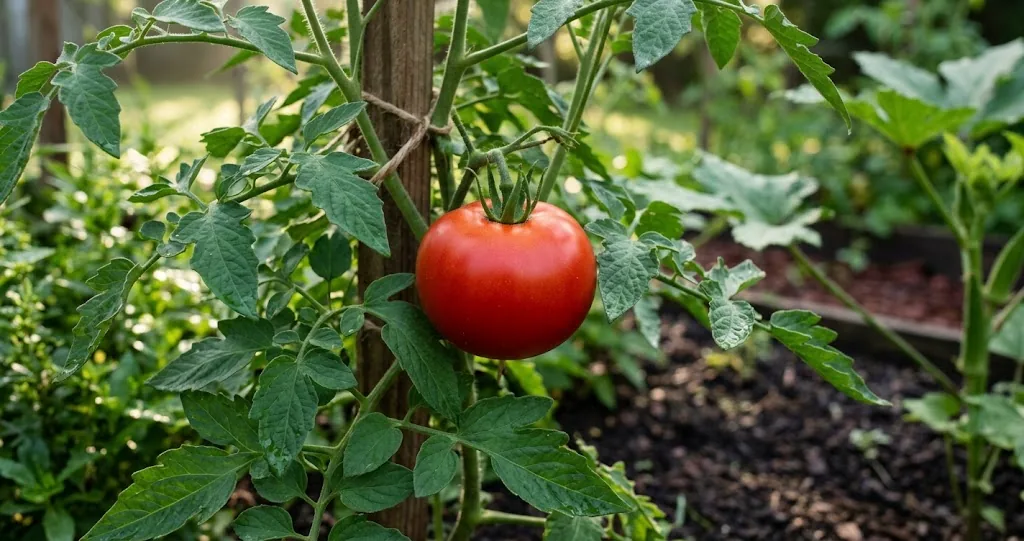
A tomato sold as a Creole tomato at a Louisiana farm stand may be a specific tomato cultivar, or the name may simply mean a good local tomato. The name does not always identify one uniform kind of tomato. If you want the LSU-developed cultivar, buy a packet bearing that name and check the seller’s description.
Growers in St. Bernard and Plaquemines parishes traditionally marketed their tomatoes as Creole, but they planted several varieties. That regional tradition is different from the named cultivar. Our tomato varieties guide explains how other kinds differ.
Origin and history
The regional use of the name grew out of tomato farming in St. Bernard and Plaquemines parishes. The phrase “true Creole tomato” often describes this local tradition, not a single cultivar. The label alone cannot tell you which cultivar was planted or how the fruit will taste.
A separate cultivar was developed by researcher Teme Hernandez for Louisiana growers. The AgCenter’s 2015 report dates its release to 1969, while a later AgCenter profile gives 1970. The center’s current profile lists the named line as L134, distinct from the broad regional label. When shopping, check whether a seller means this named variety or any tomato grown in the area.
Botany and plant facts
The named cultivar is a red-fruited tomato of Solanum lycopersicum. A seed catalog describes the cultivar as open-pollinated and indeterminate, with round fruit. Those details apply to packets sold as the named cultivar, not to every tomato marketed under the regional name. In a 2015 field trial, 11 sources carrying the name produced fruit ranging from about 4.2 to 7.8 ounces, showing how much the sources varied.
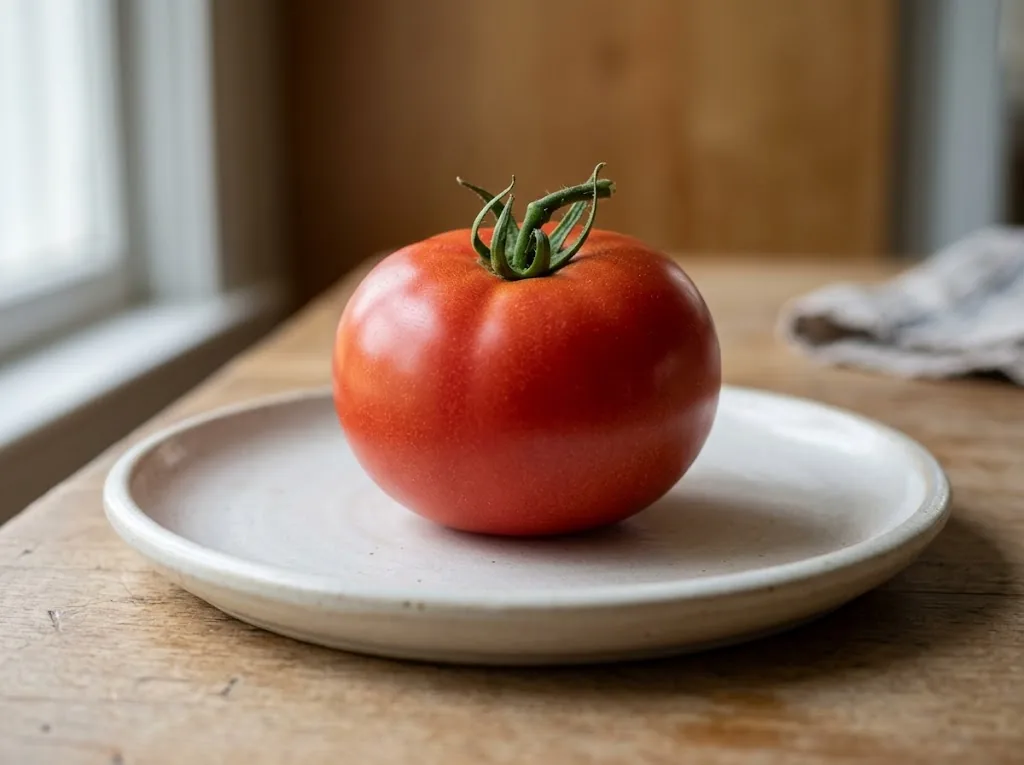
Victory’s catalog lists 70-75 days to maturity after transplanting, while the AgCenter’s 2024 profile reports resistance to Fusarium wilt, Alternaria stem canker, and fruit cracking. Treat the maturity figure as a seller’s estimate, since weather and care affect time to maturity. Check the resistance information on the packet because descriptions and lots may differ. For another large, colorful slicer, compare the Big Rainbow tomato.
Growing the named cultivar
Choose a packet that clearly identifies the named cultivar if you want its listed traits. To grow the crop, start seeds indoors as directed on the packet, then transplant after frost danger has passed and the ground has warmed. Planting dates differ between north and south Louisiana, so use current local extension advice rather than a calendar date from another region.
Give the cultivar a sunny, well-drained spot. Local tomato guidance recommends six to eight hours of direct sun. Since this cultivar is listed as indeterminate, set a sturdy cage, stake, or trellis at planting and tie the main shoot loosely as it lengthens. Leave space for airflow, and rotate tomatoes and related crops to a different bed when practical.
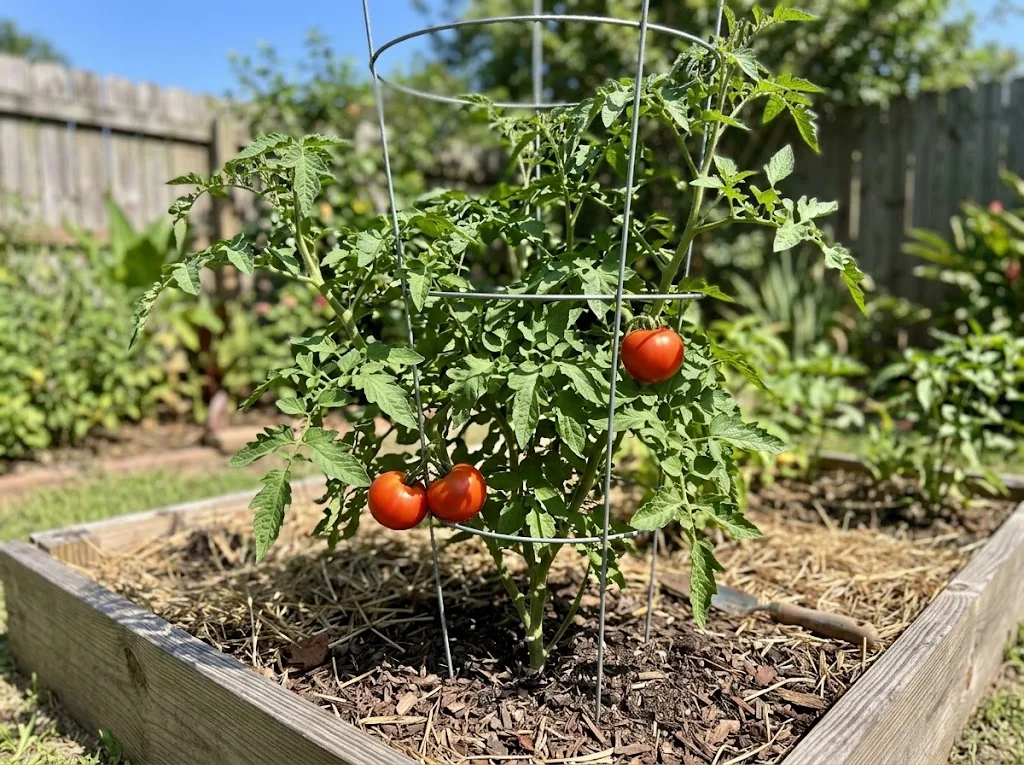
Keep moisture even while fruit develops in the home garden. Mulch can slow swings in moisture and reduce splash onto foliage. Water near the base when possible, and use a soil test to guide fertilizer rather than feeding by guesswork. Blossom-end rot is linked to disrupted calcium movement in developing fruit, often when moisture fluctuates. Adding calcium without checking the growing conditions is not a reliable fix.
High nighttime temperatures can make fruit set less reliable, and humidity favors some tomato diseases. Extension research discusses poor pollen set in hot weather; a tomato disease guide explains how humidity supports leaf mold. Check leaves and stems for spots, wilting, or insect damage, then identify the cause before choosing a treatment. The named cultivar’s listed resistance may reduce risk from particular problems, but it does not make the crop immune to every disease.
Harvest and ripeness
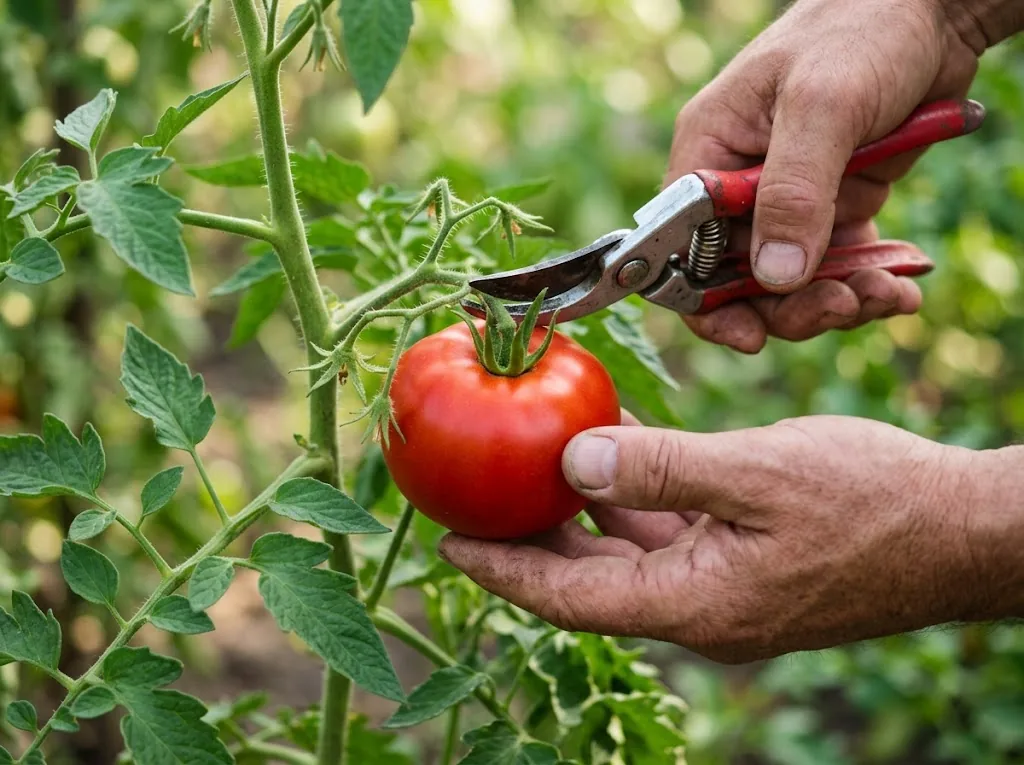
For this red cultivar, wait until fruit reaches its mature red color and feels firm but gives slightly to gentle pressure. Snip the fruit stalk with clean pruners if pulling would strain the growth. UC IPM advises not leaving ripe fruit on the vine longer than necessary, because more rain exposure may lead to cracking. Remove damaged fruit and use sound ones soon. A mature but unripe tomato may finish coloring indoors at room temperature; check it often and use it as it ripens.
Storage and preserving
University of California Agriculture and Natural Resources advises keeping ripe tomatoes at room temperature for the best eating quality. Refrigeration may dull flavor, but it slows softening when you need more time. Use fresh fruit within a few days for the best texture.
Freeze extras for cooked dishes, or follow a tested recipe for drying, sauce, or canning. Do not improvise a shelf-stable canning method from a family recipe: tomato acidity varies, and safe directions require added acid and the complete tested process. The National Center for Home Food Preservation’s tomato canning guidance gives acid amounts and processing instructions.
How to use the fruit
Firm, round red fruit from the named cultivar works well in a thick slice on a sandwich, in a green salad, or in cooked dishes. Bring a tomato to room temperature before serving, then season it simply with salt, black pepper, and a little oil. For a Louisiana-style sandwich, layer slices with mayonnaise on soft bread and add lettuce or herbs if you like.

Small or uneven fruit is still useful chopped into salsa, cooked into a skillet dish, or simmered into sauce. The regional label covers many kinds, so ask the grower what they planted if fruit size, texture, or saving seed matters to you. For a different heirloom shape, see our profile of the Purple Calabash tomato.
Creole tomato questions
Is the name a single variety?
Sometimes. The name refers both to a particular open-pollinated cultivar and to a regional label for tomatoes grown in Louisiana. Ask the seller or read the packet to know which meaning applies.
Which other varieties are grown as Creole tomatoes?
An AgCenter article names Celebrity, Amelia, and Christa among the varieties grown as Creole tomatoes. Celebrity is a named variety, while Creole may describe a local growing tradition, so ask the grower what was planted.
What does a Creole tomato taste like?
The state tourism site describes the regional Creole tomato as sweet, tangy, and earthy. Taste still depends on the seed line, ripeness, and growing conditions, so taste a tomato grown in the area at room temperature after it colors fully.
When is Creole tomato season?
The local crop is associated with late spring and summer. The state tourism site lists May through October as peak season and notes that New Orleans has celebrated it with the French Market festival since the 1980s (Explore Louisiana). Availability still varies by grower and weather.
Is the named Creole cultivar determinate?
No. Victory Seed lists the named cultivar as indeterminate, so the vines keep growing and need a sturdy cage, stake, or trellis. Tomatoes sold under the regional label may grow differently.
In short, the name may describe a regional tomato or the named cultivar. Choose a labeled packet for the cultivar’s traits, support its tall growth, and enjoy ripe fruit fresh before preserving extras with tested directions.
