There’s nothing quite like spending a summer evening outdoors, enjoying the warm weather and the company of family and friends. But when mosquitoes start to bite, the fun can quickly come to an end. If you’re looking for a way to keep the mosquitoes at bay and enjoy your time outdoors, consider planting some of these mosquito-repelling plants in your yard. From citronella to catnip, there are a variety of plants that can help keep the flying buggers at bay. So, look at this list of the absolutely best plants for fighting off mosquitoes and make your outdoor space a bit more inviting this summer.
Do Mosquito-Repelling Plants Actually Work?
The short answer is: it depends. Some people swear by the power of certain plants, while others find that they are ineffective.
There are a few things to consider when trying to decide if plants will work for you. First, mosquitoes are attracted to the scent of carbon dioxide, so any plant that emits a strong scent may help to keep them away. Additionally, growing plants that emit essential oils can also be effective in fighting mosquitoes.
Ultimately, it is up to each individual to decide if using plants are right for them. If you have the space and resources to grow your own active bugbuster plants, give it a try! You may be surprised at how well they work.
How Do Plants Repel Insects?
Many plants are repulsive to insects, keeping them away from valuable crops or preventing them from bothering humans. Some plants do this by producing essential oils that are strong-smelling and act as a natural repellent. Mosquitoes, for example, are deterred by the scent of essential oils. Plants ward off insects with essential oils. These oils are found in different parts of the plant, including the leaves, stems, and flowers. When an insect comes into contact with these oils, it is repelled by the strong scent. In addition to being used in natural repellents, these essential oils can also be used to keep other pests away.
Plants that repulse insects can be very effective in reducing the mosquito population in an area. This is especially important in tropical climates where they can carry diseases like malaria. Mosquito control programs often use repellent plants as part of their strategy to reduce the risk of disease transmission.
The Importance of Mosquito Control
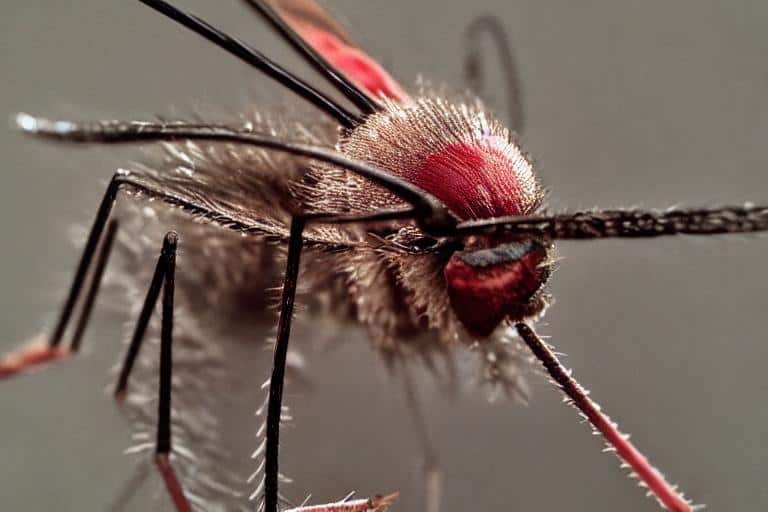
This is important for a number of reasons. First, mosquitoes can carry diseases like malaria and Zika virus, which can be deadly. Second, they can be quite bothersome when we are trying to enjoy a barbecue or picnic outdoors. Third, the bites can be very itchy and annoying. They are more active at dawn and dusk, so it is important to keep them away from areas where people will be outside during those times. By taking steps to keep these pests away from your home and property, you can help protect yourself and your family from these pests.
Why Use Natural Bug Repellents?
- Organic options are safer for you and your family.
- Organic options are not harmful to animals, plants, or the planet.
- Organic options are not harmful to humans.
- Organic options are non-toxic, safe and effective.
There are many reasons to use natural bug repellents. For one, they are environmentally friendly. Natural repellents are often healthier for you than chemical repellents, as they don’t contain any harmful chemicals. Additionally, natural repellents are just as effective at keeping mosquitoes away as expensive chemical repellents.
How To Use Plants That Naturally Repel Mosquitoes
You can grow certain plants in your garden or place them close to your patio. Some plants are effective at forcing out mosquitoes, and some are more effective than others. Citronella is one of the most effective plants that repel mosquitoes, and it can be used in a variety of ways. You can grow citronella in your garden or place it close to your patio. You can also use candles or oils made from it to help with the infestation.
The Best Indoor Plants for Repelling Mosquitoes.
There are a few different indoor plants that are known to be effective against flying parasites. Some of the most popular choices include citronella, catnip, and lavender. These plants are relatively easy to grow and don’t need a lot of maintenance. Plus, they’re also effective at deterring other pests, like spiders and ants. If you’re looking for an easy way to keep the buggers away, consider placing a few of these plants around your home. Just be sure to keep them in pots so that they don’t take over your space!
There are many plants that can be used to help repel mosquitoes, but some are more effective than others. Some of the best indoor plants for chasing bugs away include catnip, lemon grass, marigolds, and lavender. All these plants contain compounds that mosquitoes find unpleasant, so they will avoid areas where these plants are present. Besides their bug repelling properties, these plants can also make your home or office smell pleasant and can add a touch of color to your décor. Plus, they’re also effective at deterring other pests, like spiders and ants. If you’re looking for an easy way to get rid of insects, consider placing a few of these plants around your home. Just be sure to keep them trimmed in their pots so that they don’t take over your space!
The Best Outdoor Plants for Repelling Mosquitoes.
There are a number of different garden plants that can help to discourage mosquitoes from taking up residence in your yard or on your patio or deck. Rosemary is one such plant – not only does it have a strong, distinctive aroma, but the purple flowers are also very pretty. Planting rosemary around your garden or patio can help to keep the flying buggers at bay. Another plant to keep in mind is catnip – while it’s not as visually appealing as some other options, it is very effective at repelling mosquitoes. If you’re looking for a plant that will add some color to your garden or patio while also keeping mosquitoes away, consider planting marigolds. These pretty flowers have a strong scent that mosquitoes dislike, and they also help to deter other pests like rabbits and deer.
Which Herbs Are the Best Mosquito-repellent Plants?
There are many different herbs that can be used to deter mosquitoes, and some are more effective than others. Basil, rosemary, dill, fennel, thyme, mint, and cilantro are all effective mosquito repellents. But, not all these herbs will make your life pest-free equally. Basil and mint are two of the most effective repellents, while cilantro is only moderately effective. Dill, fennel, and thyme are less effective than basil and mint, but they can still deter mosquitoes to some extent.
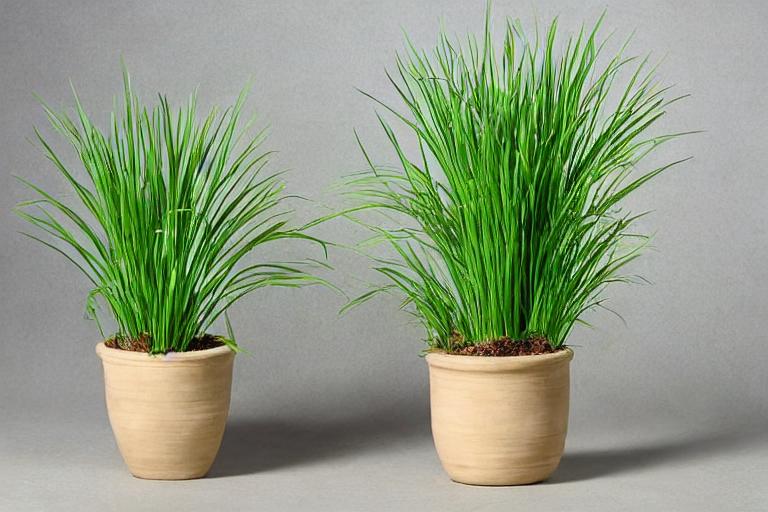
The Classic Lemongrass
Lemongrass is a natural bug repellent that has a citrusy scent. The citrus scent is known to scare mosquitoes off, making it a great choice for pest control in the garden. Mosquito bites can be painful and annoying, so keeping them at bay is a top priority for many gardeners. Luckily, lemon grass is easy to grow and hate mosquitoes just as much as we do!
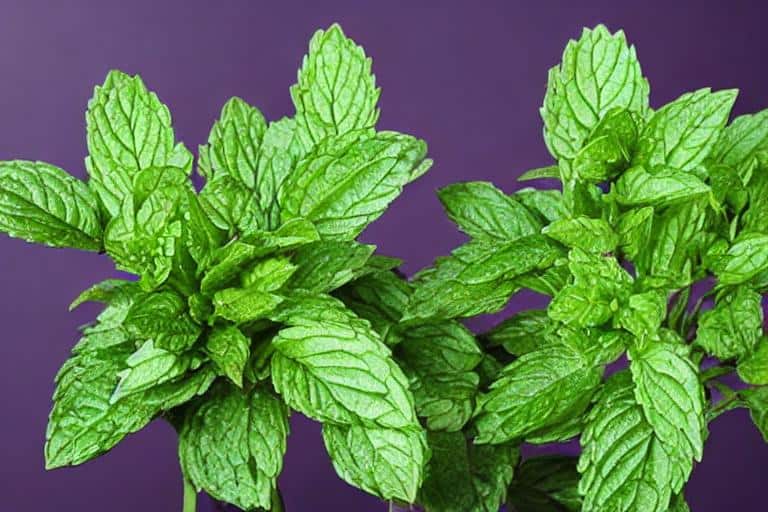
Peppermint
The Peppermint herb is a member of the mint family. It is a perennial that can grow to be about two to three feet tall. It has dark green leaves that are serrated and have a strong minty smell. The flowers of the plant are pink and bloom in the summer. Peppermint is native to Europe and is now grown in many parts of the world.
Peppermint is used in many different ways. It can be used to make tea, as a flavoring for food, or even for aromatherapy. The oil from the peppermint plant can be used topically or diluted and taken internally. Peppermint has many health benefits. It can help with digestion, relieve nausea, reduce inflammation, and even help with headaches. Peppermint can also boost your energy and improve your mood. If you are looking for an easy-to-grow herb that has many uses, then peppermint is a great choice.
The peppermint plant is a well-known mosquito repellent. It can be used both indoors and outdoors. The plant releases a natural oil that helps to keep the pests away. Peppermint oil can also be used as a natural repellant.
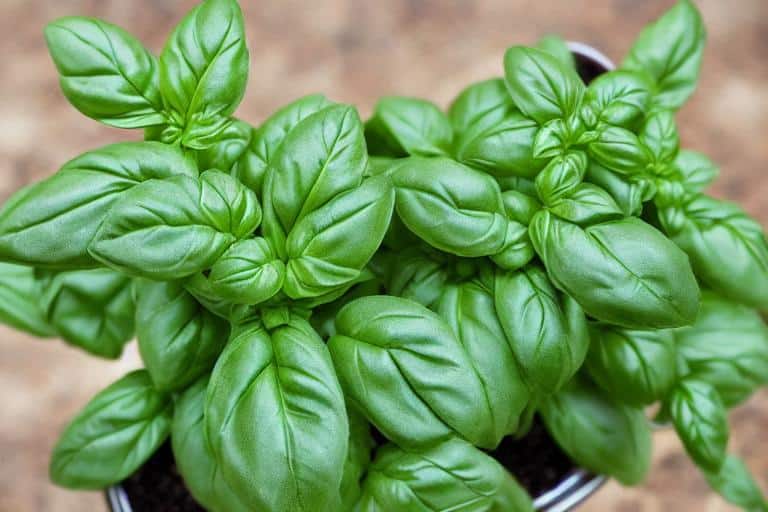
Basil
The basil plant is a popular herb that is often used in cooking. It can also be used as a pest repellent, as it is known to deter flies and other bugs. If you want to keep bugs away, you may want to plant basil in containers. The scent of basil is said to be unpleasant to mosquitoes.
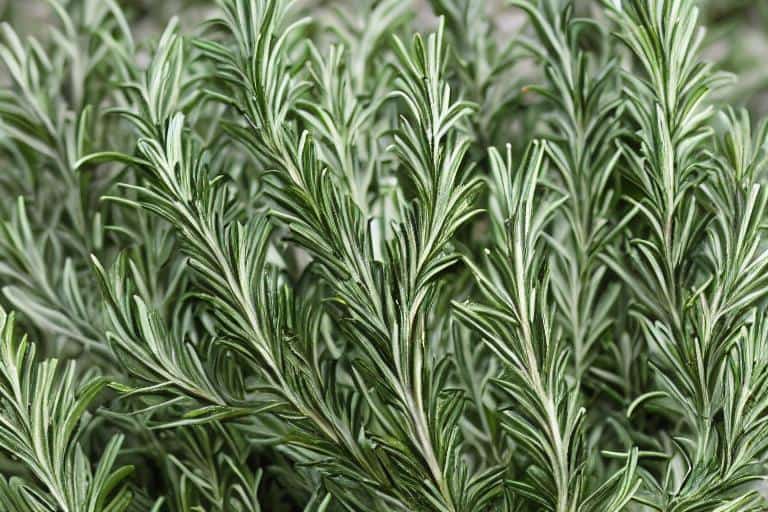
Rosemary
Rosemary is a very popular herb plant that is used in many cuisines. It can be found in most gardens, as it is easy to grow and does not need much maintenance. The plant has a strong, unique scent that many people find pleasant. Additionally, rosemary is known to repel insects. This makes it a great plant to have around in areas with a warm climate, as it can help keep them away from the home. Additionally, basil plants have a similar mosquito-repelling effect. Therefore, rosemary is often used as a natural pest repellent.
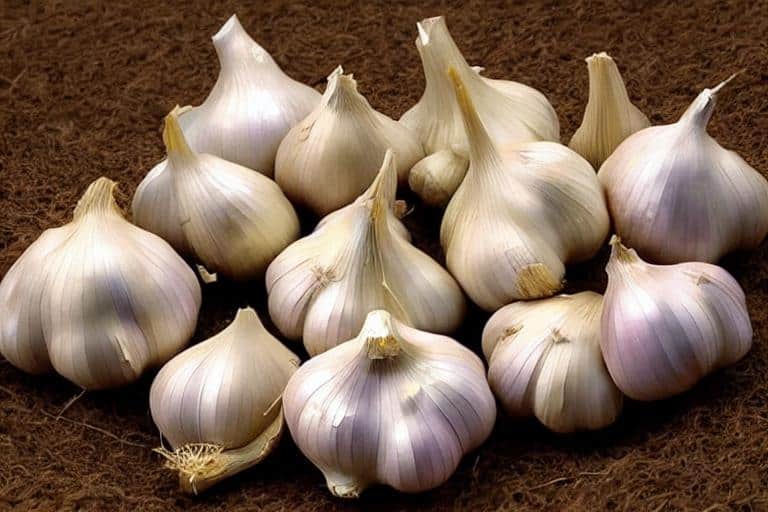
Garlic
Garlic is not only effective at repelling vampires, but it can also keep flying pests at bay. When used as a insect repellent, garlic can help to keep these pesky buggers away from you and your home. Garlic is a natural insecticide and repellent, and it has been used for centuries to keep these unwanted pests away.
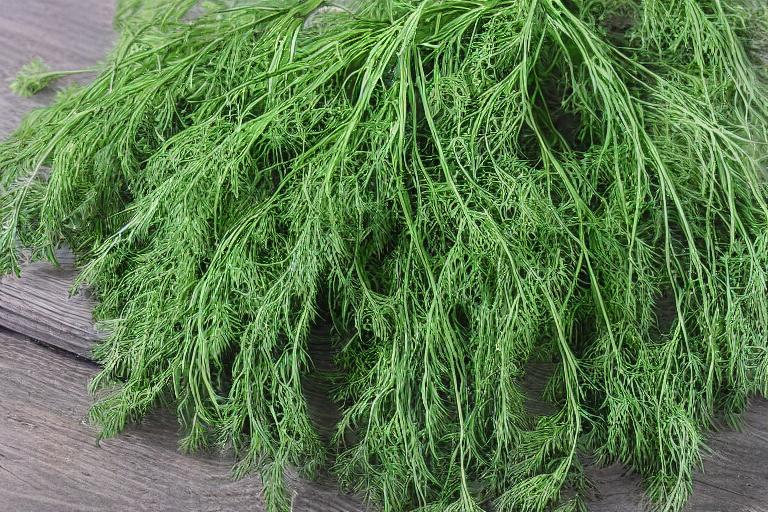
Dill
The dill plant can help create a mosquito-free zone in your backyard. When mosquitoes are looking for a place to land, they are attracted to the movement and heat of their potential prey. By planting dill in your garden, you can create a space that is less inviting for them. The dill plant releases a chemical called carvone, which has been shown to be an effective mosquito repellent. You can also use the leaves of the dill plant to make a DIY mosquito spray.
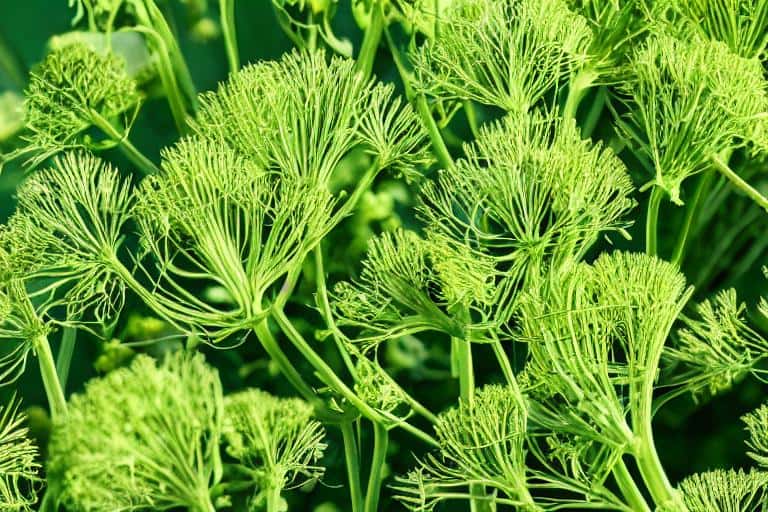
Fennel
Fennel (Foeniculum vulgare) is a hardy, perennial herb with yellow flowers and feathery leaves. It is native to the Mediterranean region but has been naturalized in many other parts of the world. Fennel is grown for its seeds, which are used as a spice, and for its bulb, which is eaten as a vegetable. The plant grows to a height of 2-4 feet (60-120 cm).
Fennel is best known as a spice, but it also has many other uses. The seeds can be used to flavor meats, fish, and desserts. The leaves can be used as a herbal tea or added to salads. The bulb can be eaten raw or cooked. Fennel has long been used as a mosquito repellent. The plant produces a chemical that wards off mosquitoes and other insects. When grown in the garden, fennel can help keep these pests away from your home.

Lemon Balm
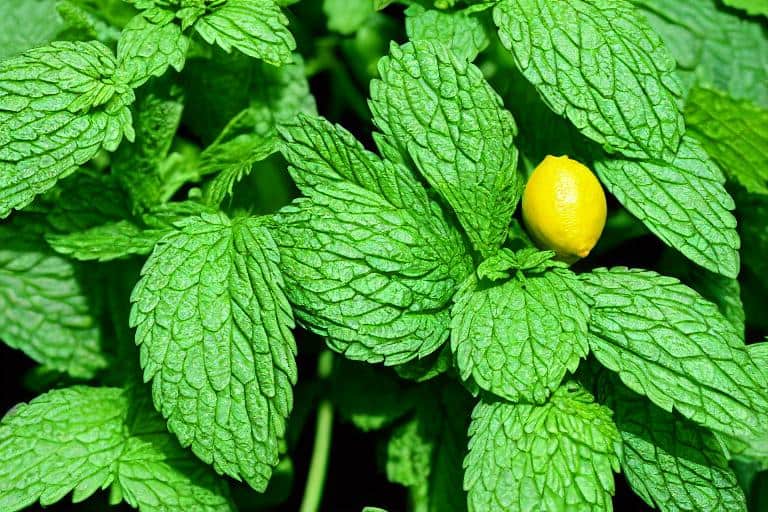
Lemon balm is an amazing herb to have in the garden, not only because it’s great at keeping flying buggers away, but also because it can soothe the swelling and itchiness of the bites. This healthy herb is easy to grow and can be used in a variety of ways.
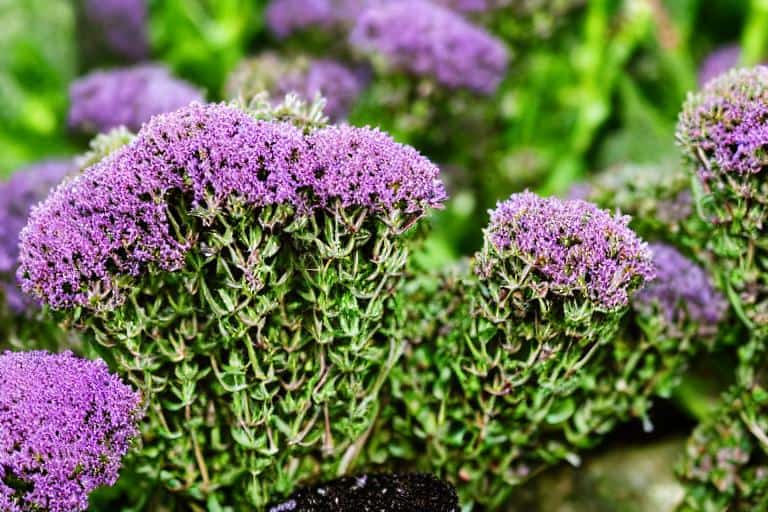
Thyme
Thyme is a delicious herb that can be used in cooking. But it is also a great anti mosquito plant? That’s right, this plant can help keep those pesky little buggers away. It likes full sun and is easy to care for. So if you’re looking for a plant that can do double duty, consider thyme.
Mint
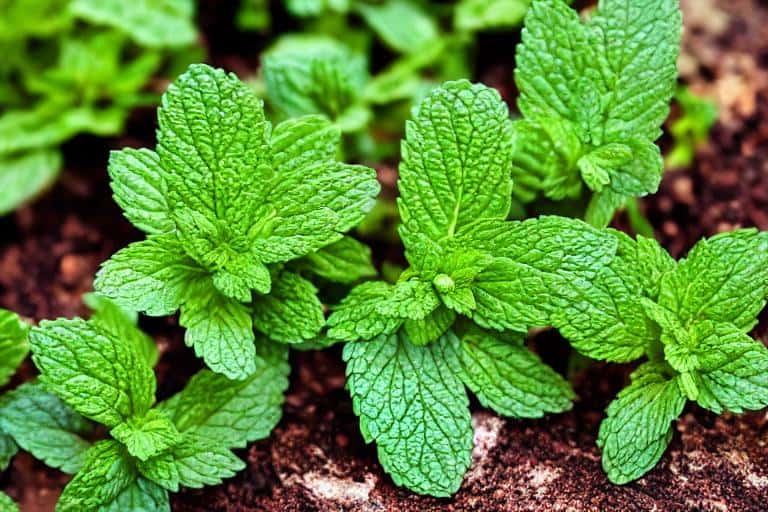
Mint is very popular in teas, food and deserts, and it’s no miracle why – not only does it have a pleasant taste and smell, but it can also keep the little flying vampire-bugs away. If you’re looking for a natural way to keep gnats at bay, planting mint in your garden is a great option.
Mint is a fast-growing herb, so it doesn’t take long to see results. Simply plant mint in a pot or in the ground, and let it do its work. You’ll soon see fewer bugs in your garden, and you can enjoy the fresh minty smell as well. Not only are mint plants an effective way to repel mosquitoes naturally, but it’s also a useful allround pest control plant. If you have other pests in your garden, such as aphids or whiteflies, mint can help to keep them under control. So if you’re looking for a herb that does double duty, mint is on the short list of plants to choose from.
Cilantro / Coriander
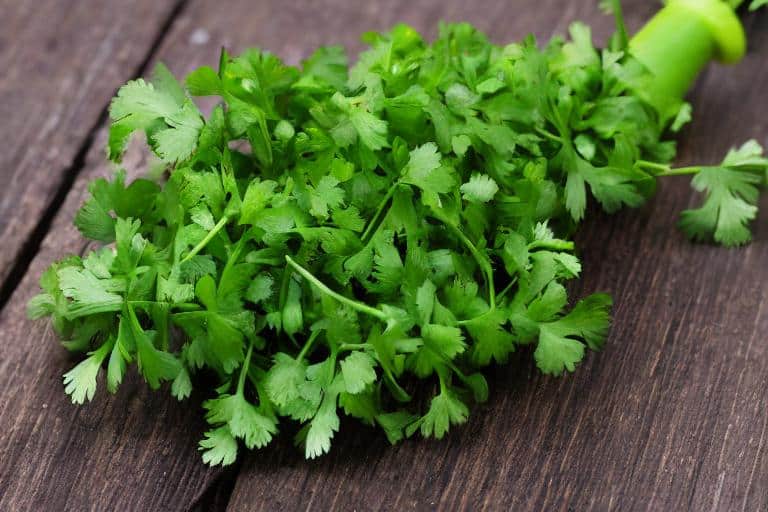
The cilantro or coriander is a popular ingredient in many Asian dishes. It is also known to be an effective mosquito repellent. This makes it a great choice for planting in your outdoor garden.
Cilantro is easy to grow and can tolerate most soil types. It prefers full sun but can also grow in partial shade. When planting, space the seeds about 1/2 inch apart in rows that are 12 to 18 inches apart. Once the plants reach about 6 inches tall, you can start harvesting the leaves. To dry cilantro, tie the stems together and hang them upside down in a cool, dark place. Once the leaves are dry, you can store them in an airtight container for future use. The plant can be grown outdoors in the garden and does not need much care.
Catnip
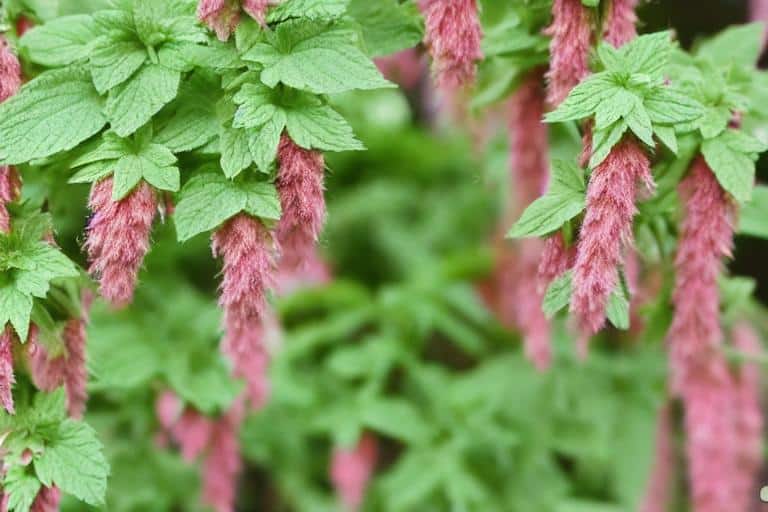
Catnip is not only hypnotically fun for cats, they will believe it is the scented plants in your garden. But it can also be used as a mosquito repellent. This plant is strongly scented and best in full sun. These plants release a chemical called nepetalactone into the air that helps to keep the flying bugs away.
Lavender
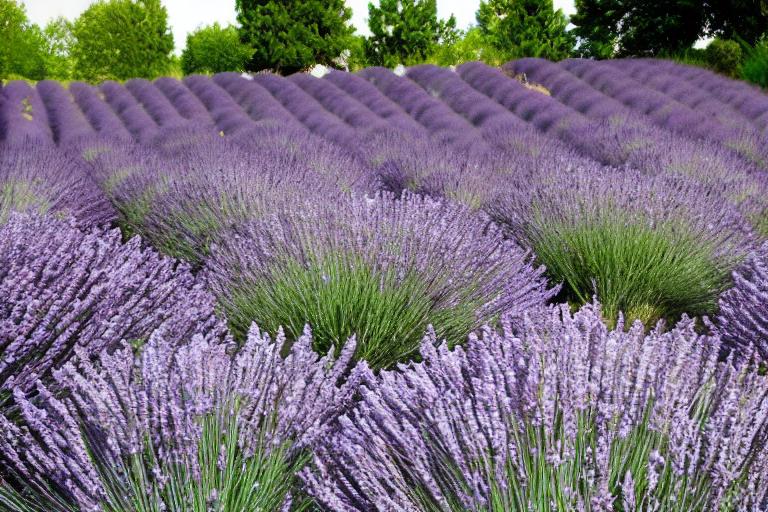
Lavender is one of the most effective mosquito repellent plants. It grows best in full sun and well-drained soil. The plant is drought tolerant and can be grown in a flowering pot. The essential oil of lavender is used to repel gnats. The plant is native to the Mediterranean region and has been introduced to other parts of the world. It is also very pretty when flowering.
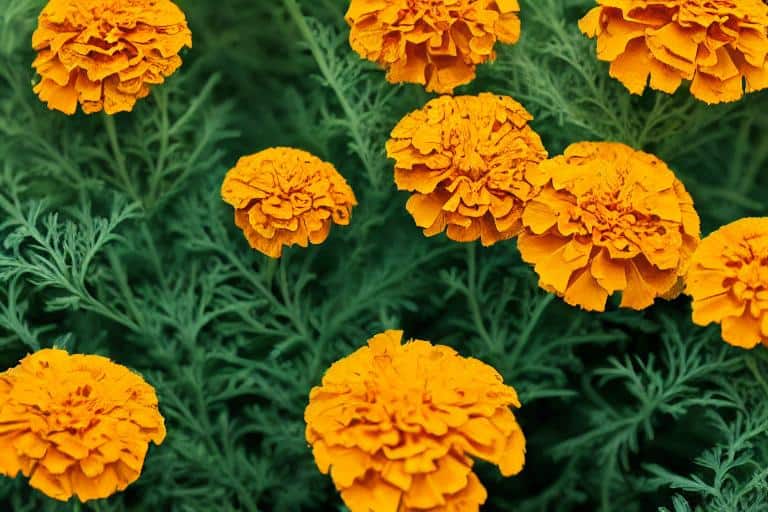
Marigold
The marigold herb plant is a great way to deter mosquitoes from your garden. By potting the plant and placing it in strategic areas around your garden, you can keep bugs away and keep mosquitoes from bothering you and your guests. This multipurpose plant is also a great way to add some color to your garden.
Pennyroyal
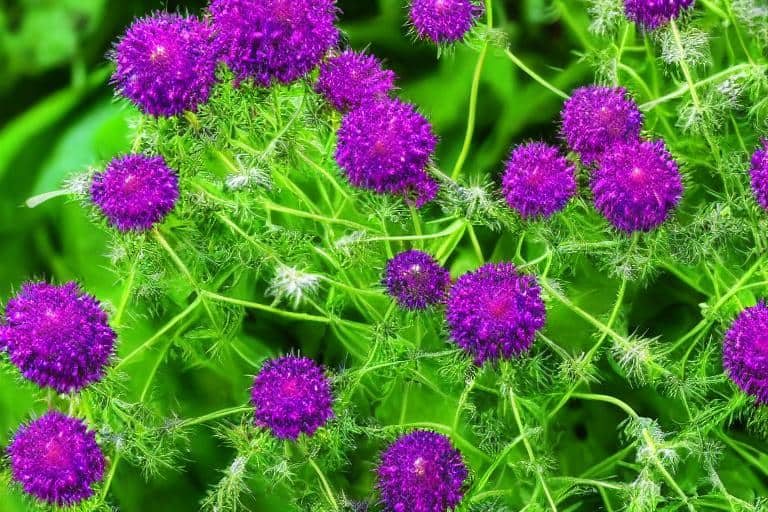
Pennyroyal is a strong-smelling herb like spearmint. It is a flowering plant that is often used as a pest repellent. Pennyroyal is applied to the skin to disinfect and kill germs, keep insects away, and treat skin diseases. It can be found in many gardens as it is a popular plant for its many uses.
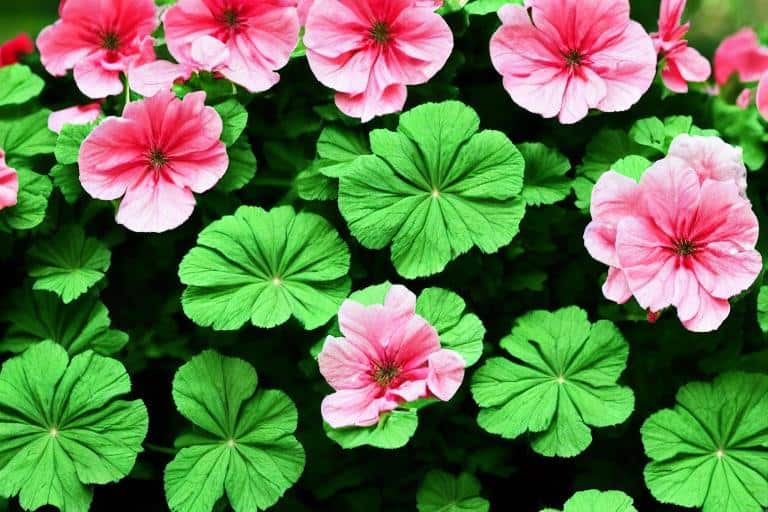
Scented Geraniums
Scented Geraniums are known to be a natural repellent. The strong scent of the plant is thought to keep the little flying bloodsuckers away. Scented Geranium is a pelargonium species, which is native to Africa, and has been used in folk medicine for centuries. They are known to be a pain reliever and sedative. The plants also have antimicrobial and antifungal properties.
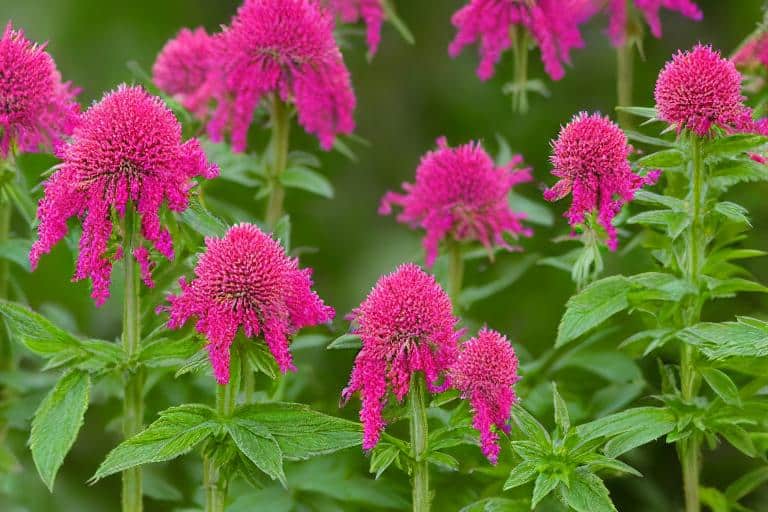
Monarda
The Monarda plant is a flowering plant that is endemic to North America. The plant has fragrant leaves that can be used as a pest deterrent. The plant can be found in gardens and is often used as a decoration due to its beautiful flowers.
Ageratum

The Ageratum plant is a mosquito repellent that is native to Central and North America. These plants are strongly scented, so it is best to plant them away from the immediate area where you will be spending time. The scent of the Ageratum plant will repel mosquitoes, making it a great plant to have in your garden.
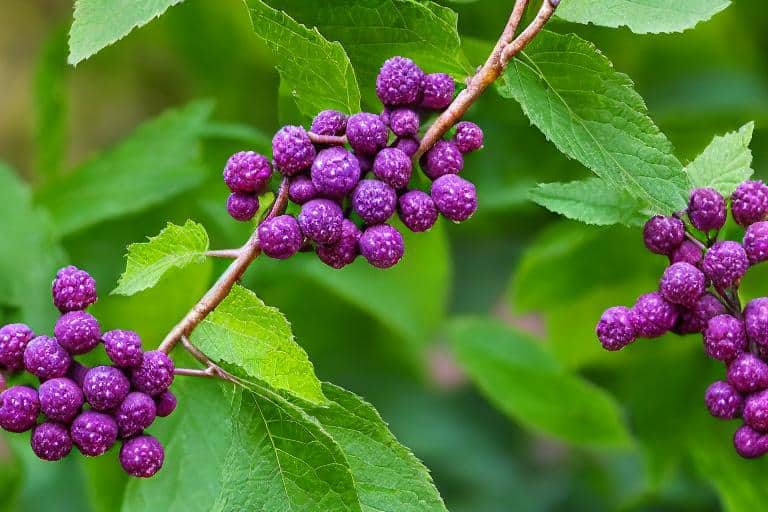
American Beautyberry
The American beautyberry plant is a shrub that typically grows in open habitats. It is known for its beautiful purple berries, which are actually an ornamental feature of the plant. The berries are also known to be effective mosquito repellents, making the American beautyberry plant a great addition to any garden.
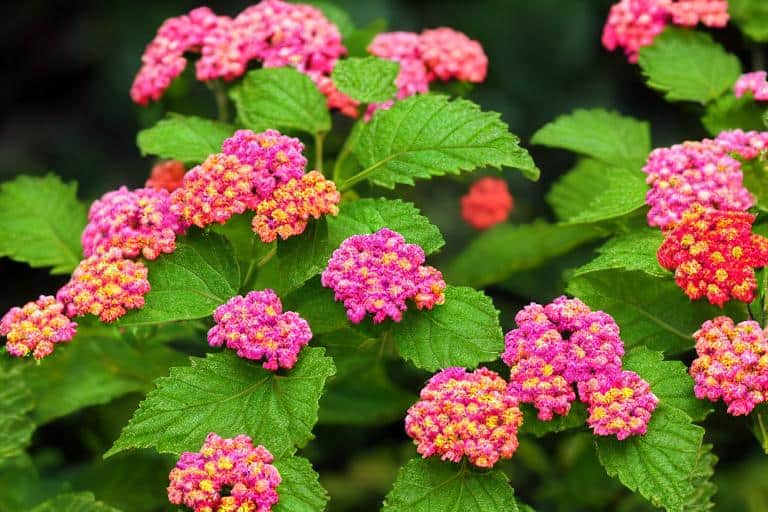
Lantana Camara
Lantana Camara is a flowering plant that is native to the American tropics. It is an adaptable plant that can grow in a variety of habitats. The flowers are pretty and come in a variety of colors, including pink, purple, and yellow. This is also a popular insect-repelling plant.
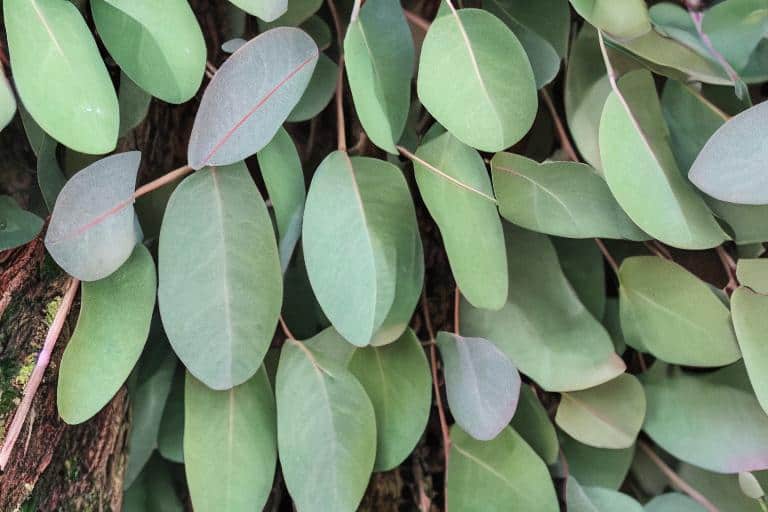
Eucalyptus
Eucalyptus plants are a great addition to any garden, not only because of their beautiful scent, but also because of their mosquito repelling properties. Eucalyptus oil is a natural mosquito repellent, and can be used in a variety of ways. Add a few drops to your favorite lotion or cream for added protection, or use it to flavor your food.
The best Plant Enemy of the Mosquitoes is Citronella!
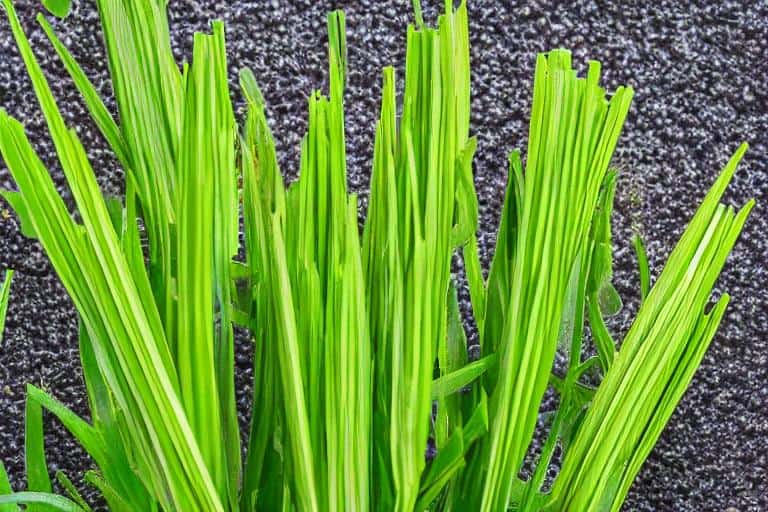
Citronella is very effective at repelling mosquitoes, and is often used as a natural remedy against such infestations. The plant belongs to the family of herbs that includes lemongrass, lemon balm, and verbena. All parts of the plant are fragrant, but the leaves and stems are especially potent. When burned, citronella candles and torches release oils that keep mosquitoes away. The plant can also be used in lotions, sprays, and other products designed to repel pests. Citronella grass is most effective in tropical climates, where mosquitoes are more prevalent.
The Fake Citronella Plant
Citronella grass is a species of plant in the lemon family. It is native to tropical Asia and has a strong lemon scent. The oil from the plant is used as a natural mosquito repellent. candles and torches are made from the oil and are used to keep mosquitoes away.
Fake citronella plants are sold as a natural way to repel mosquitoes. The plant does not contain any citronella oil and will not repel mosquitoes. The leaves of the plant may have a lemon scent, but it will not be strong enough to repel mosquitoes. If you are looking for a natural mosquito repellent, citronella grass is the best option.
The Real Citronella Grass
The real citronella grass is a perennial plant that grows in tropical climates. It can reach up to six feet in height and has long, green leaves. The plant produces a strong, lemon-scented oil that is used in many commercial products, such as bug sprays. The oil is also used in aromatherapy and has several health benefits, including reducing anxiety and improving blood circulation.
Plants That Don’t Work as well To Repel Mosquitoes
As you can see, there are many common garden plants that are said to work as mosquito repellents, but not all of them are equally effective. In fact, some plants can even attract insects! If you’re looking for a plant that will help keep these pests away, it’s important to choose one that is known to be effective.
Some of the most popular plants used for mosquito control are dill, catnip, and lavender. However, there is little scientific evidence to support their use as repellents. In fact, studies have shown that these plants are generally ineffective at repelling mosquitoes.
There are other strongly scented plants that have been shown to be more effective at getting rid of mosquitoes. These include lemongrass, basil, and mint. Unlike dill, catnip, and lavender, these plants contain compounds that have proven to keeping them away.
If you want to try using plants to be mosquito-free, it’s best to choose one of the more effective options. Lemongrass, basil, and mint are all good choices.
Practical Tips to Keep Mosquitoes Away From Your Patio or Deck
There are a few practical tips you can follow to keep the little flying bloodsuckers away from your patio or deck. First, make sure there is no standing water on your property, as this is where mosquitoes lay their eggs. Second, keep your grass and shrubbery trimmed, so they don’t have places to hide. Third, use bug repellent when you are outdoors, and consider investing in a mosquito net or screen if you spend a lot of time outside. Finally, remember that mosquitoes are most active at dawn and dusk, so try to avoid being outdoors during these times. By following these tips, you can enjoy your time outdoors without having to worry about bug bites.
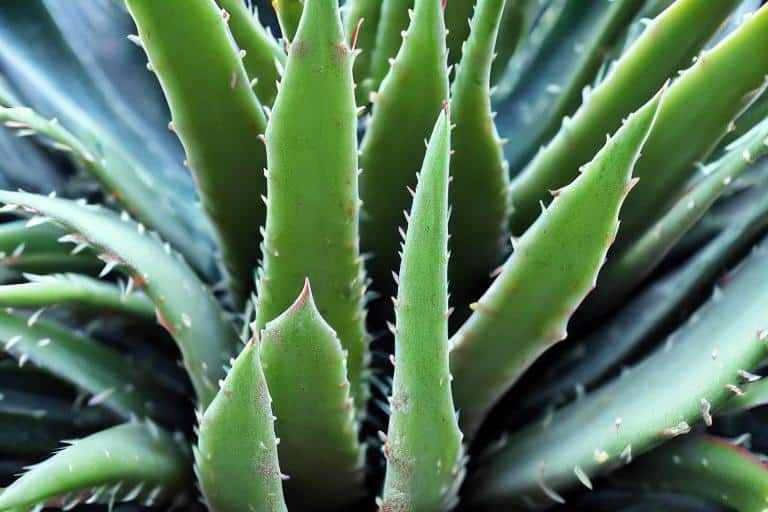
Can you use plants to soothe mosquito bites?
There are a few different ways to soothe bugbites with plants. One is to use lemon balm, which is a plant in the mint family. Lemon balm has anti-inflammatory and antibacterial properties, which can help to reduce swelling and redness. Another choice is to use aloe vera, which is a succulent plant. Aloe vera contains compounds that can help to reduce pain and itchiness. Basil can also be used to soothe bites and swellings. Basil contains eugenol, a compound that has analgesic and anti-inflammatory properties.
Mosquito Repellent Plants Question Section:
Do Any Plants Attract Mosquitoes?
The best plants to attract them are plants that have a lot of water and plants that have a lot of nectar. The plants that attract mosquitoes are plants that are lush and green, which means that they will release a lot of carbon dioxide and water vapor. This will cause mosquitoes to be attracted to the plant and to lay their eggs in the water underneath the plant. If a plant is not producing a lot of carbon dioxide and water vapor, it will not be attractive to them.
What’s worse, mosquitoes or the chemicals we use to fight them?
This is a difficult question to answer because both the chemicals we use to fight bugs and the pests themselves are terrible. There are many different chemicals and groups of chemicals used to eradicate bugs. Some are more environmentally friendly than others and some are more effective than others. Additionally, these chemicals can have adverse affects on humans and the other animals around them.
But it is of course always a better choice to use natural repellents. So be responsible and let us help each other take care of the planet.