
One German Johnson tomato often covers a sandwich with a single slice. This open-pollinated slicing tomato is known for large pink fruit and a vine that keeps producing through the season. It suits gardeners with room for a sturdy cage or trellis and cooks who want a juicy slicer.
If you are comparing other tomatoes, our tomato varieties guide gives you more options by fruit type and use.
Origin and history
German Johnson is an old Southern heirloom associated with Virginia and North Carolina. Historical references do not establish a single breeder, introduction date, or exact family route, so those details are best left uncertain. Southern Exposure describes it as a popular heirloom from Virginia and North Carolina, while Fedco says it probably came from Virginia or North Carolina. Both sources connect it with the ancestry of Mortgage Lifter, the later beefsteak tomato developed by Radiator Charlie Byles.
Names and strains can be confusing. Catalogs describe both regular-leaf and potato-leaf forms, and a Seed Savers Exchange listing explains that a similarly named pink cultivar was sold under the wrong name. Compare the supplier’s description and the plant’s traits rather than assuming every packet sold under this name is identical. The traditional form is often described as having potato-shaped leaves and pink fruit with yellow shoulders, though catalogs do not agree on every trait.
Botany and plant facts
Botanically, it is a cultivar of Solanum lycopersicum. This heirloom tomato is open-pollinated rather than an F1 hybrid, and grows as an indeterminate vine. That means the main stems continue growing and the plant sets fruit over an extended season instead of ripening one concentrated crop.
The fruit is usually pink to pink-red, meaty, and beefsteak-shaped, with broad, flattened shoulders. Sizes vary by strain and growing conditions. Cornell’s record describes globe-shaped fruit often exceeding a pound; Fedco likewise lists fruit often over a pound. Treat that as a possible large-fruit size, not a guaranteed minimum. Catalogs commonly list about 76 to 80 days to maturity, usually counted from transplanting. That is a guide, not a promise: weather, location, and the strain change the timing. In a cool season, fruit may take longer to ripen than the catalog estimate.
This heirloom is not a disease-resistant hybrid. It has no widely established resistance-code package. Give the plant room and airflow, and plan to inspect foliage through the season rather than relying on a resistance claim. The vines continue growing until frost, so allow vertical space as well as room around the cage. Supplier listings vary on mature height. Holmes Seed Company lists 48 to 60 inches for its stock, so check the packet and choose a support that will hold a long, fruit-laden vine. University of Maryland Extension gives 6- to 8-foot stakes as a general tomato support option; the packet directions can help you choose a cage or trellis.
Growing the plant
Start with a healthy transplant after frost danger has passed and the soil has warmed. Choose a spot with full sun and well-drained soil. Because the vines keep lengthening, install a tall, strong stake, cage, or trellis when planting so you do not disturb roots later. Secure the main stem loosely as it grows. A heavy crop of large fruit may pull down unsupported branches. Use a balanced fertilizer only as needed for the soil and plant growth, following a soil test and the product label. Too much leafy growth can crowd the plant and make inspection harder.
Space plants according to the support system and packet supplier’s directions, leaving enough room to reach the foliage and keep air moving. Water deeply at the base and aim for steady soil moisture, especially while fruit is enlarging. Mulch helps reduce soil moisture swings and soil splash. Avoid wetting leaves late in the day, and rotate tomatoes to a different bed when practical. Check leaf undersides and stems regularly for pests or new spots. Identify a problem before choosing a treatment, then follow the product label. These general practices help reduce disease pressure, but they do not make an heirloom immune to blight or leaf spots.
Pruning is optional. If you train the vine to one or two leaders, remove only the suckers you recognize and keep enough foliage to shade fruit. A less-pruned plant may need a larger cage and more room. Do not strip leaves aggressively: exposed fruit can sunscald, and the foliage helps the plant support its crop.
You can save seed from an open-pollinated plant for planting again. To keep the line true to type, isolate it from other tomato varieties that flower at the same time, select a healthy representative fruit, and ferment and dry it before storage. Insects may mix varieties, so the distance or barrier needed depends on how reliably you need to preserve the line.

When and how to harvest
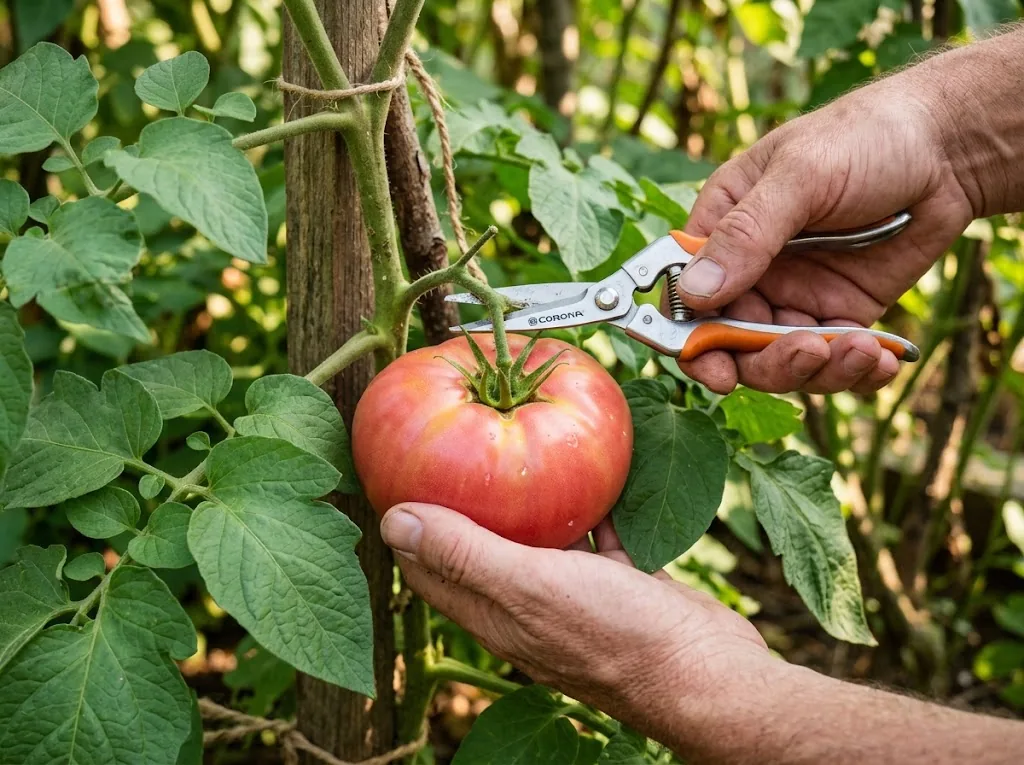
Check fruit often as it begins to change color. Pick when the shoulders and lower half show its mature pink-red color and the fruit gives slightly to gentle pressure. The fruit is soft and juicy, so handle it carefully and use ripe fruit promptly. If rain or pests threaten a nearly ripe crop, mature fruit may finish ripening indoors at room temperature.
Indeterminate plants ripen in waves rather than all at once. The large fruit may take longer in cool weather, and days-to-maturity figures are estimates rather than a harvest guarantee. Remove damaged fruit and keep harvesting ripe tomatoes to make room for the next flush. If frost threatens, mature green tomatoes can finish ripening indoors at room temperature.
Storage and preserving
Keep ripe fruit at room temperature and out of direct sun, then eat them while their texture is still firm. Ripe tomatoes turn mealy and lose flavor in the refrigerator. For fruit you will not use fresh, freeze them whole or chopped for cooking, or make a small batch of sauce to refrigerate or freeze.
The fruit works well in sauces and other preserves, but neither the variety name nor its taste proves safe acidity. For shelf-stable preservation, follow a current tested recipe and its acidification instructions exactly. The National Center for Home Food Preservation advises adding bottled lemon juice or citric acid to tomatoes in jars, including tomatoes processed under pressure.
How to use the harvest
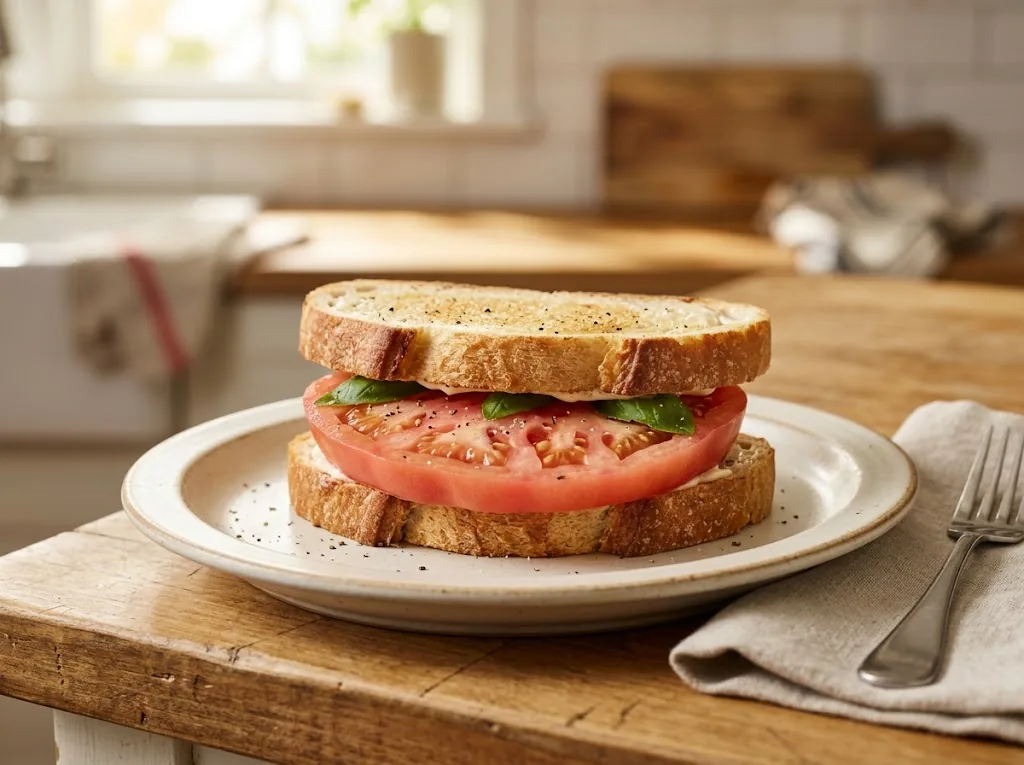
The dense flesh and juicy texture make these tomatoes a natural for thick sandwich slices, burgers, and tomato toast. Cut it into wedges for a simple salad, or pair it with basil, salt, and olive oil while the fruit is fully ripe. The tomato flavor is usually described as mild, sweet, and balanced, though ripeness and growing conditions affect the taste.
Large fruits can also be cooked down into a fresh sauce, soup, or salsa. Their juicy flesh may need more simmering than a dry-fleshed paste tomato if you want a thick sauce. For another small-space contrast, see the compact Orange Hat tomato, which has a very different plant habit and fruit size.
Is this a good tomato to grow?
Choose this tomato if you want an open-pollinated heirloom with a long-vining habit for fresh slicing and have room to support a large vine. Its oversized pink fruit can be rewarding, but it is not the best fit for a small patio or a gardener who wants a compact plant and a single early harvest. For a sweet cherry tomato instead, compare it with the Sun Sugar tomato.

Sources and further reading
- Cornell Vegetable Varieties for Gardeners: German Johnson
- Fedco catalog entry
- Southern Exposure, 2005 catalog
- Holmes Seed Company: German Johnson
- University of Maryland Extension: Growing tomatoes in a home garden
- University of Minnesota Extension: Growing tomatoes in home gardens
- National Center for Home Food Preservation: Canning tomatoes