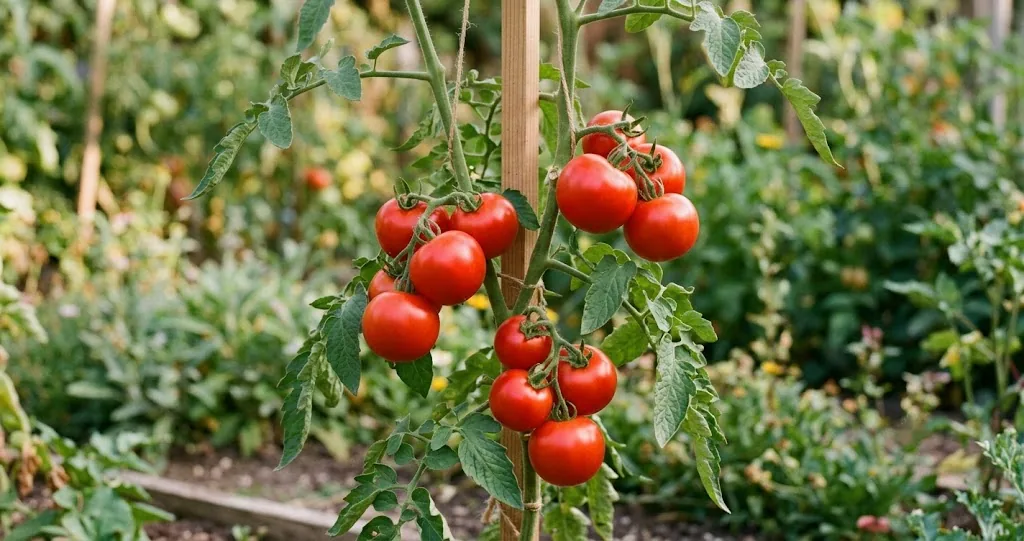
The jet star tomato is an early hybrid known for smooth, firm red slicers and a long picking season. Choose it if you want full-size fruit for sandwiches and salads, have room for a sturdy support, and value tomatoes that are less prone to splitting than many slicers. Seed catalogs commonly list maturity at about 72 days after transplanting, though weather changes the timing. Cornell’s variety record gives that estimate.
Where did the variety come from?
The Joseph Harris Company, now Harris Seeds, introduced Jet Star. A North American cultivar reference records it in the company’s 1969 catalog as a fresh-market F1 tomato adapted to the northern United States. That catalog entry describes early yields and firm fruit selected for crack resistance. Harris’s current listing calls it a fresh-market and plant-sales favorite. The cultivar record gives a useful origin, but it does not document the parent lines or a named individual breeder, so those details are best left open.
What are the tomatoes like?
This is a hybrid cultivar of Solanum lycopersicum. Its indeterminate stems keep extending and setting fruit through the season until frost or other growing conditions stop them. Expect firm, smooth, globe-shaped tomatoes that ripen red with little scar formation. Cornell’s vegetable variety record describes fruit around 7 to 8 ounces and about 72 days to maturity; catalogs may list a slightly different size or schedule.
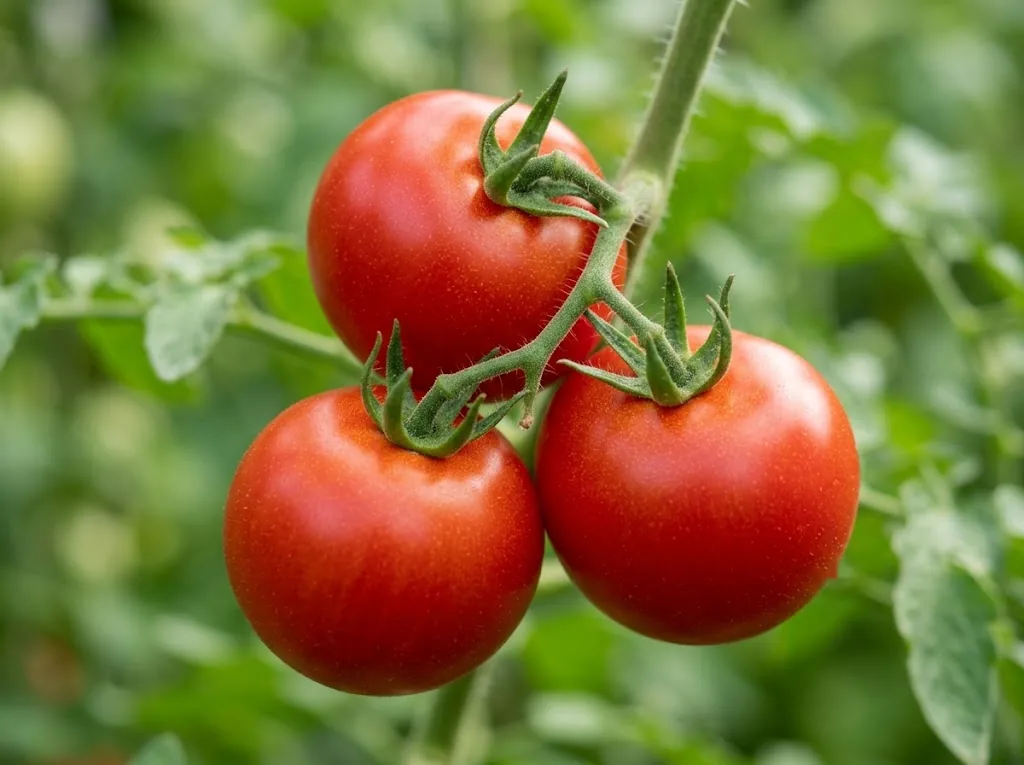
Harris describes the flavor as sweet and the flesh as firm and meaty in its seed listing. Flavor can seem sweeter or milder depending on growing conditions and the eater, so treat the description as a guide rather than a guarantee. For a side-by-side look at other shapes and uses, browse the tomato varieties hub.
How to grow the plant
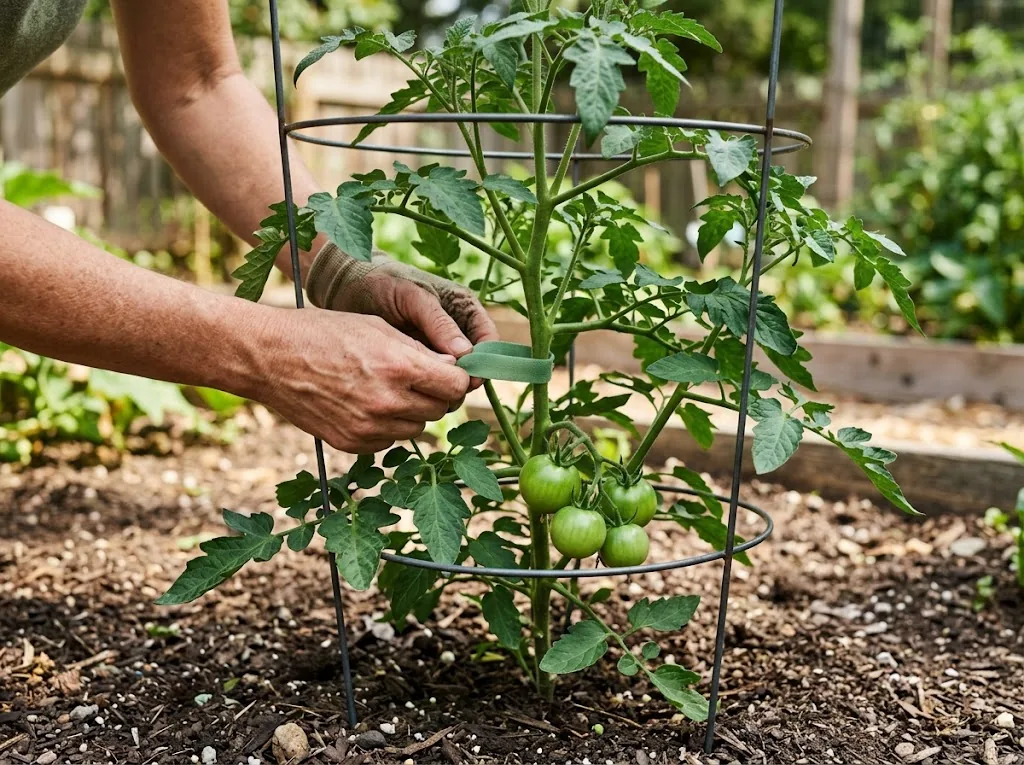
Give the plant full sun, warm, well-drained ground, and enough space for tall, spreading stems. Tomatoes need a frost-free growing season. Start seeds indoors according to your local planting calendar, then harden seedlings gradually before setting them outside after frost danger has passed and the ground has warmed. Install a tall cage, stake, or trellis at planting so you do not disturb the roots later. Tie the vine loosely as it grows. University of Minnesota Extension’s tomato guide covers siting, transplanting, and support.
Keep moisture steady, especially while fruit is swelling. Water at ground level and mulch after the surface has warmed to reduce weeds and slow moisture swings. Avoid heavy nitrogen feeding, which encourages leafy growth at the expense of fruit. Use a soil test and follow the fertilizer label rather than guessing at a dose.
Give the plant airflow and avoid wetting foliage when watering. Rotate tomato-family crops to a different bed when practical, clear diseased debris, and check leaves regularly for spots, yellowing, or wilting. Resistance is not immunity: Cornell lists resistance to Fusarium wilt race 1 and Verticillium wilt, while other suppliers may report additional codes. Match each claim to the seed packet, and identify a problem before choosing a control.
A gardener who would rather skip tall supports can see our guide to determinate tomatoes, which covers bush types that stay compact.
When and how to harvest
Begin checking clusters as fruit reaches full size and changes from green to an even red. A ripe tomato should give slightly when pressed gently and detach with a small lift and twist. Pick promptly during hot or wet spells, since ripe fruit left on the plant may split or attract pests. If a storm is coming, mature fruit that has begun to color will finish ripening indoors at room temperature, out of direct sun.
How to store and preserve the crop
Use ripe fruit soon for the best texture. Keep sound tomatoes at cool room temperature and out of direct sun; refrigeration may dull flavor and make the flesh mealy. Check them daily and use any that soften first. A heavy yield works well in sauce or the freezer, or follow a tested home-preservation recipe.
Do not assume Jet Star, which Harris lists as a low-acid tomato, is safe for jars without added acid. The National Center for Home Food Preservation directs home preservers to acidify whole, crushed, or juiced tomatoes with bottled lemon juice or citric acid, and to follow a tested process exactly. Use the recipe’s quantities and processing directions, even in a pressure canner.
How to use the fruit
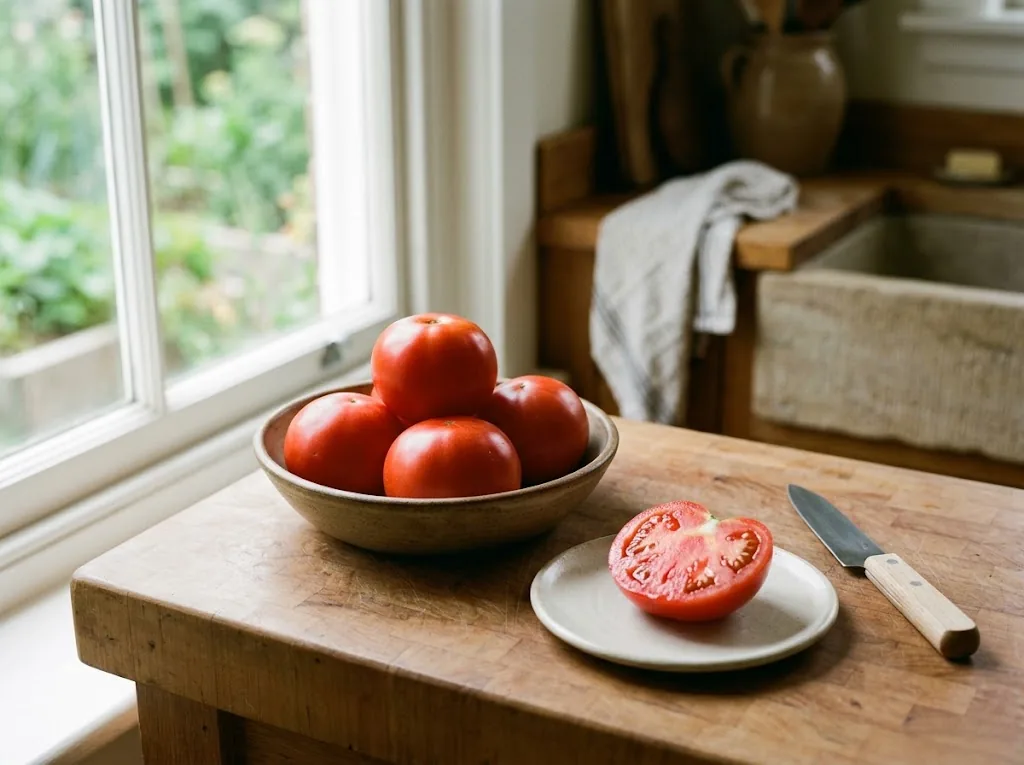
Slice firm fruit for sandwiches, burgers, and tomato toast, or cut it into wedges for salads. Its meaty texture also works in sauces, roasted dishes, and fresh salsa. For another full-size slicer with a different color and flavor profile, explore Pink Brandywine tomatoes.
Is this a good tomato to grow?
This is a practical choice for a home grower seeking an early, productive slicer who can provide sun, regular water, and support. Smooth red fruit and a lower tendency to split are useful traits, but no cultivar is trouble-free in every garden. Choose it for fresh eating and general cooking, then base planting and disease decisions on your climate, supplier’s current description, and what you observe in the garden.
