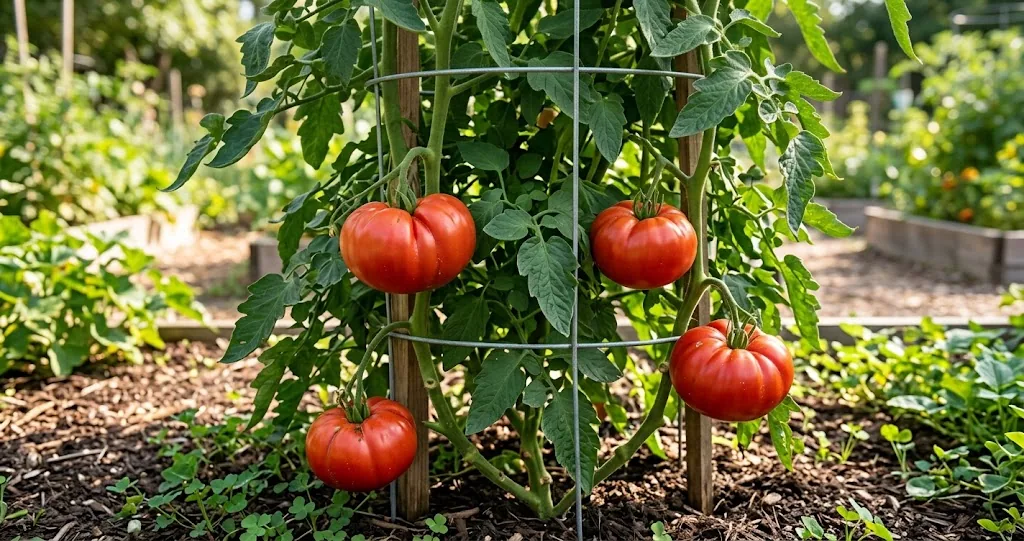
A single beefsteak tomato can make a sandwich feel like a meal. The Beefmaster tomato is a good fit if you want large red slicers and have room for a vine that keeps growing through summer. Its long season also means planning ahead for support and regular picking.
This is an F1 hybrid, not an open-pollinated heirloom. To select a seed line for your garden, compare its disease codes and days to maturity with your local growing zone. The tomato variety guide offers more options if your garden has different needs.
Origin and history
A 1975 Iowa State Cooperative Extension bulletin lists Beefmaster VFN among hybrid tomatoes for home and market gardens. It does not identify a breeder or give an introduction date, so a more detailed origin story would be guesswork. Today, seed sellers continue to list Beefmaster as an F1 beefsteak hybrid.
UC Agriculture and Natural Resources explains that VFN refers to resistance to Verticillium wilt, Fusarium wilt, and root-knot nematodes. Current catalog descriptions differ on which diseases a particular line resists. Treat the codes printed on your packet as the specific promise for those seeds, not a guarantee that plants cannot become infected.
Plant and fruit characteristics
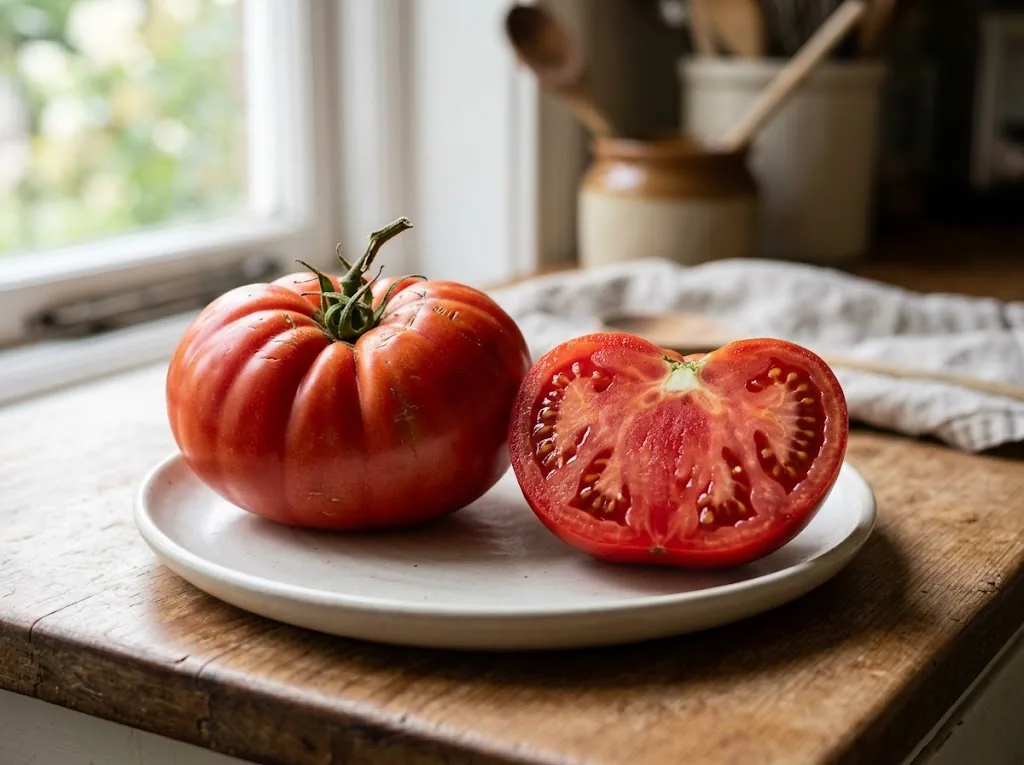
Beefmaster is Solanum lycopersicum, with the broad, fleshy fruit typical of beefsteak tomatoes. The vine keeps growing and setting tomatoes through the season until cold or disease stops it. That habit takes more vertical space than a compact bush plant. Beefsteak describes a large slicing type, while the name refers to one hybrid within it; North Carolina Extension lists the cultivar under beefsteak tomatoes.
- Seed type: F1 hybrid. Seed saved from an F1 hybrid may not produce plants true to type, as Illinois Extension explains.
- Growth habit: An indeterminate, long-running vine. Plan for a tall cage, trellis, or strong stake.
- Size: Rupp Seeds lists an average weight of 12 ounces; Reimer Seeds lists 1 to 2 pounds. Actual size depends on conditions and the seed line.
- First harvest: Rupp lists 80 days. Seed packets may count from transplanting or sowing, so follow the seller label.
- Disease resistance: Rupp lists resistance to Alternaria stem canker, Fusarium wilt race 1, gray leaf spot, nematodes, and Verticillium wilt.
If you want to compare another large slicer before choosing, see the profile of Pork Chop tomatoes.
How to grow the plant
Choose a sunny spot with well-drained soil, then install the support before the vine gets heavy. A short decorative cage is unlikely to contain a long-season beefsteak. Use a tall, firmly anchored cage or sturdy trellis that leaves room to reach and pick the tomatoes. Virginia Cooperative Extension notes that long-running vines keep growing until frost or disease and need support for best results.
- Set transplants outside after frost danger has passed and the soil has warmed. Cold nights can stall young plants.
- Leave generous space around the vine for airflow and picking. Illinois Extension suggests 24 to 36 inches for trellised tomatoes, with especially vigorous plants needing more room.
- Water deeply when soil begins to dry, keeping moisture reasonably even as tomatoes develop. Mulch can reduce sharp swings in soil moisture.
- Train the main stem to its support with soft ties. Prune only if you want to manage growth; heavy pruning exposes developing tomatoes to stronger sun.
- Read the packet for the exact resistance codes. Resistant plants can still develop disease when conditions favor infection.
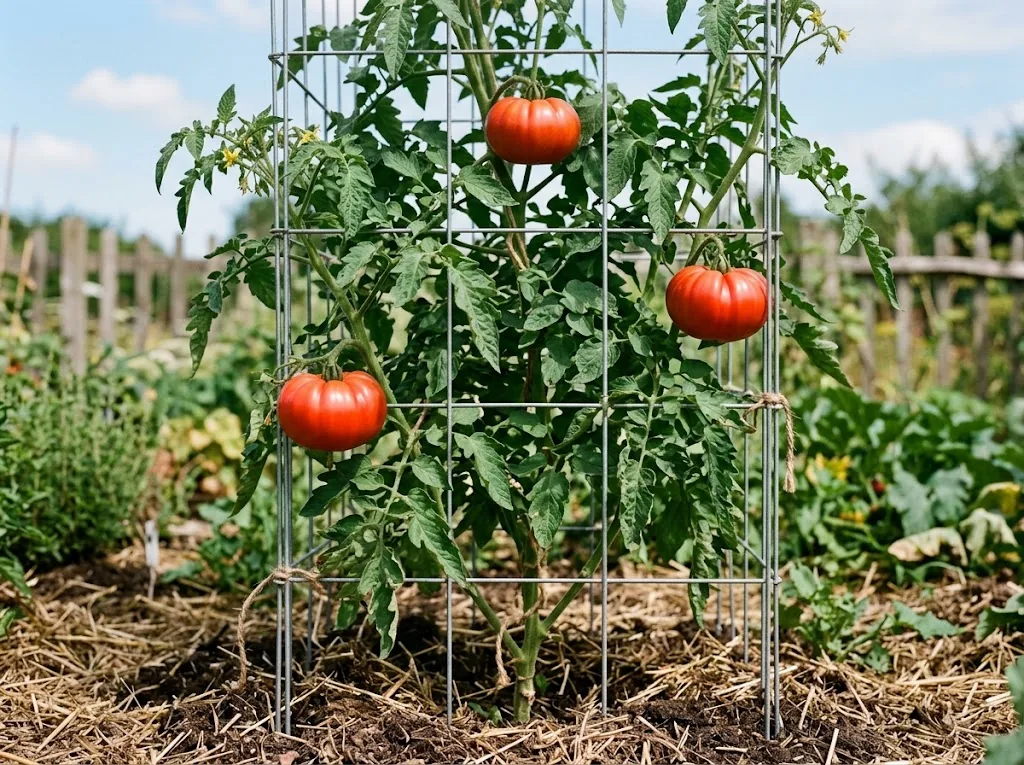
The heavy crop can strain branches. Tie the vine as it grows and check the supports after windy weather. If you notice yellowing, spots, or wilting, identify the problem before choosing a response because several tomato disorders look similar at first.
When to harvest
Pick each tomato when it has reached its mature color and feels firm with a slight give. Use clean pruners if the stem resists, rather than pulling hard on a loaded branch. In hot spells, tomatoes may soften before their color fully develops. Illinois Extension recommends picking when color starts to develop during very hot weather, then finishing ripening indoors at about 70 to 75°F.
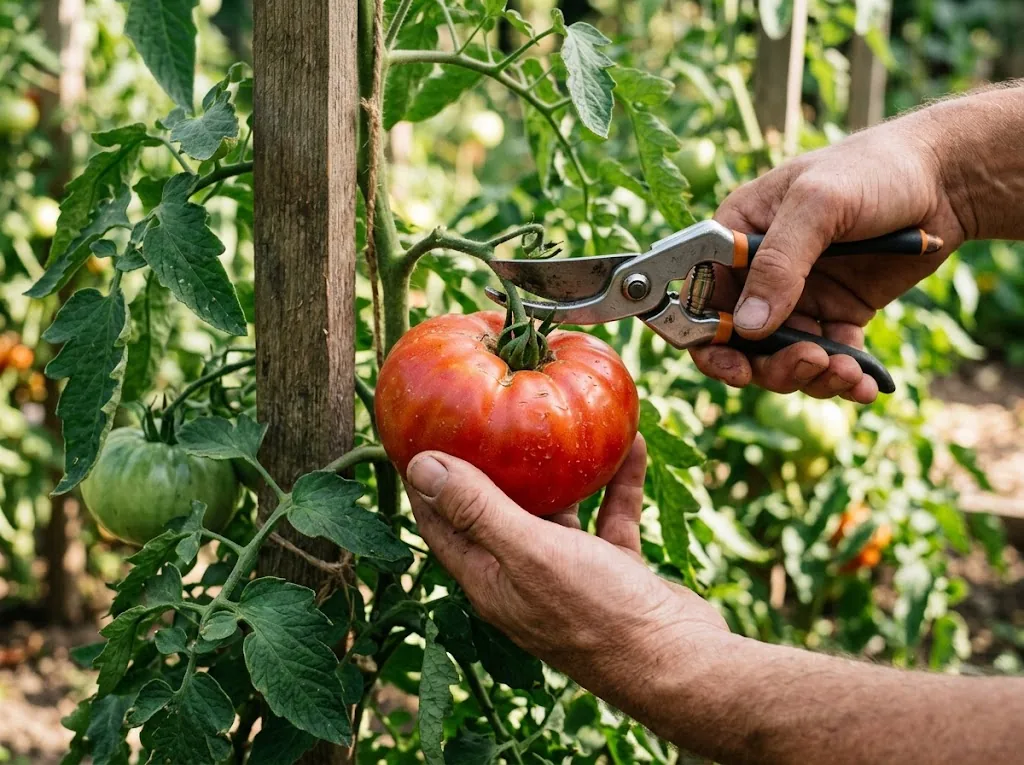
Large slicers can crack after a sharp change in soil moisture, especially near ripeness. Harvest ripe tomatoes before heavy rain when you can, and keep watering steady through dry periods. Harvest cracked fruit promptly and sort it before storage.
Storage and preserving
Keep sound ripe tomatoes at room temperature and out of direct sun if you plan to eat them soon. UC Agriculture and Natural Resources advises that fully ripe produce can go in the refrigerator for a few extra days when you cannot use it right away. Bring chilled tomatoes back to room temperature before serving for better flavor.
To save a larger harvest, freeze whole or chopped tomatoes for cooked dishes, or use a tested canning recipe. For home-canned whole, crushed, or juiced tomatoes, the National Center for Home Food Preservation specifies added bottled lemon juice or citric acid, even when pressure canning. Follow the tested recipe and its jar-by-jar acid directions instead of adjusting ingredients by taste.
Ways to use the harvest
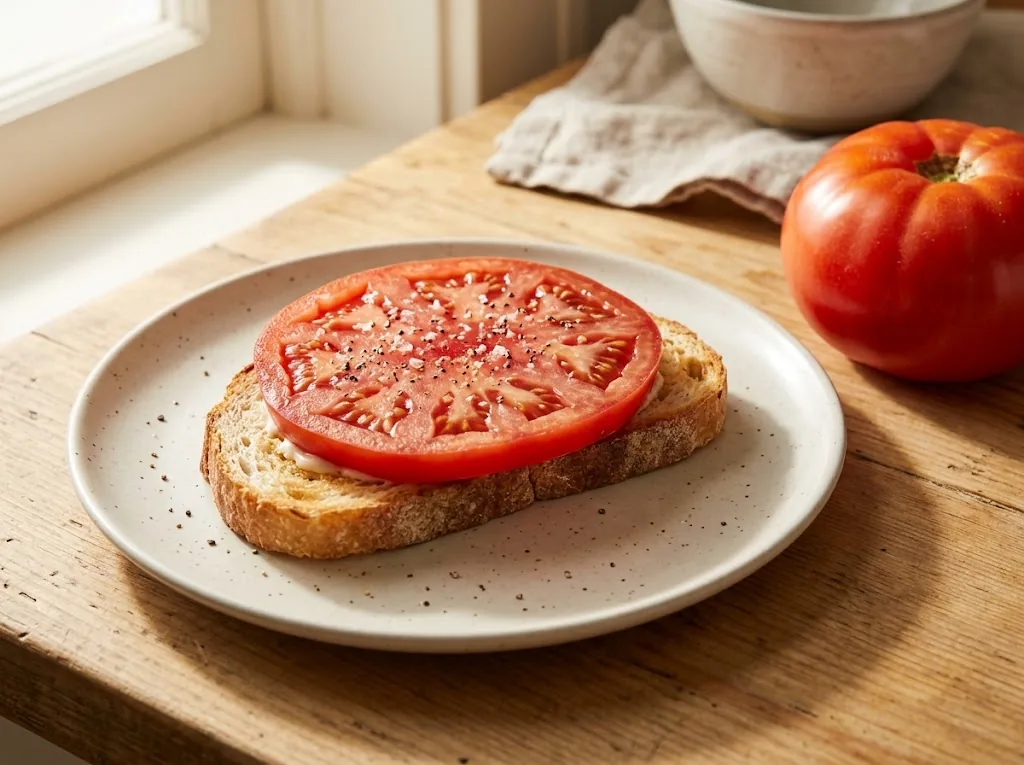
Thick slices suit sandwiches, burgers, toast, and salads. One large tomato can cover several slices of bread, while chopped pieces work in salsa or cook down for a quick sauce. If the first pick is larger than one meal, cut the extra and freeze it for soup, stew, or sauce later.
If you would rather explore a tomato grown for a different kind of harvest, compare these beefsteaks with Sweet Million tomatoes.
