
Campari tomatoes are the small, red tomatoes often sold in clusters at the grocery store. They are known for a sweet, juicy bite, but the name can be confusing: Campari is both a commercial tomato brand and a name that shoppers sometimes use for similar cocktail tomatoes. If you want the branded fruit or hope to grow it, the label and seller information matter.
Enza Zaden, a Dutch breeding company, created the commercial tomato in the 1980s and introduced it in 1995. The fruit is round and salad-sized, between a cherry tomato and a large slicer. For other shapes and culinary types, see our guide to tomato varieties.
Origin and history
Enza Zaden says its breeders first developed Campari as an experiment in the 1980s. It did not fit an established market category at the time. In the early 1990s, shoppers in Europe were asking for tomatoes with better flavor, and the company introduced its sweet-tasting truss tomato in 1995. The company calls it the first vine tomato it bred specifically for a sweet taste.
The name changes by market. In the Netherlands, Enza sells the tomato as Tasty Tom; in the United States, it is Campari. The branded U.S. produce is marketed by Mastronardi Produce under its SUNSET brand. Retail fruit is commonly grown in greenhouses and sold on the truss. A package that says “Campari-style” or “cocktail tomato” may instead contain a similar type, so check the grower or brand when the specific product matters.
Botany and plant facts
The Campari tomato is a cultivated variety of Solanum lycopersicum. The fruit is round, smooth, deep red when ripe, and about 1 to 2 inches across according to one supplier. It is larger than most cherry tomatoes but smaller than a typical plum tomato, with a high juice content. The flavor is sweet with enough acidity to stay bright in salads and cooked recipes.

Enza describes it as a vine tomato. Its indeterminate growth habit means the stem keeps growing and producing fruit over a long season, rather than stopping at a compact height after one main crop. That supplier lists 75 to 80 days from transplant to maturity. Treat that as a supplier estimate because temperature, light, and growing conditions affect harvest timing.
Enza Zaden’s public history does not say whether the original Campari is open-pollinated or an F1 hybrid. Packets sold under the same name may come from different sources. One seed supplier cited here lists its Campari seed as open-pollinated, so the packet is the only reliable guide. Check the packet for the breeder and hybrid status before saving seed; a hybrid’s seedlings may not match the fruit you bought.
How to grow Campari tomatoes
Give these indeterminate tomatoes full sun, well-drained soil, steady moisture, and strong support. Penn State Extension recommends at least six hours of direct sun daily and support for large tomato plants. Put a sturdy cage, stake, or trellis in place at planting, while the roots are still small.
- Wait until frost danger has passed and the soil is warm before transplanting outdoors.
- Follow the spacing on the plant label. If it gives no guidance, leave room for the long stems and airflow around the foliage.
- Water deeply at the soil line. Keep soil moisture steady while fruit develops, since a sudden rush of water after a dry spell can contribute to cracking.
- Mulch to slow evaporation and reduce weeds, leaving a little space around the stem.
- Base fertilizer on a soil test or the product label. Extra fertilizer will not correct poor light or irregular watering.
Do not assume this cultivar resists a particular disease. Enza Zaden discusses disease resistance across its breeding program, but its public Campari history does not list resistance codes. Check plants regularly, water the soil rather than the leaves, and rotate tomatoes with unrelated crops where space allows. Gardeners comparing fruit size and documented resistance can also read our profile of Super Fantastic tomatoes.

Harvesting the fruit
Harvest when the tomatoes have turned an even deep red and feel firm with a slight give. Snip the cluster or twist each fruit gently so you do not damage the stem. Pick ripe fruit often to keep it from splitting or attracting pests.
If frost is near, bring in fruit that has started to change color and let it ripen at room temperature. Fully green fruit may remain bland. Keep ripening tomatoes in a single layer and check them every day or two.

Storage and preserving
Leave unripe tomatoes at room temperature until they color and soften. Keep ripe fruit on the counter if you will eat it soon. Refrigeration can help slow spoilage when a tomato is fully ripe, but cold storage can dull flavor and texture; let chilled fruit warm before serving. Utah State University Extension advises chilling fully ripe tomatoes only for a short time because the fruit is sensitive to cold.
Refrigerate cut tomatoes in a covered container and use them promptly. Freeze whole or chopped fruit for cooking, or cook it into sauce and freeze that. For shelf-stable canning, use a tested recipe and its exact acidification directions. The National Center for Home Food Preservation requires added acid for whole, crushed, or juiced tomatoes, including when pressure canning.
Campari tomato recipes and serving ideas
Simple ways to serve Campari tomatoes
Their sweetness, thin skin, and tender flesh suit fresh tomato recipes. Slice them for sandwiches, halve them for a tomato salad, or serve them with basil, mozzarella, and olive oil. For an easy side dish, roast the tomatoes with garlic and onion until they soften and release their juices. They also work in bruschetta and panzanella, where bread soaks up the tomato juices. For pasta, cook them briefly with garlic and olive oil, then toss with basil. Their extra moisture means the quick tomato sauce may need more time to reduce than one made with plum tomatoes.
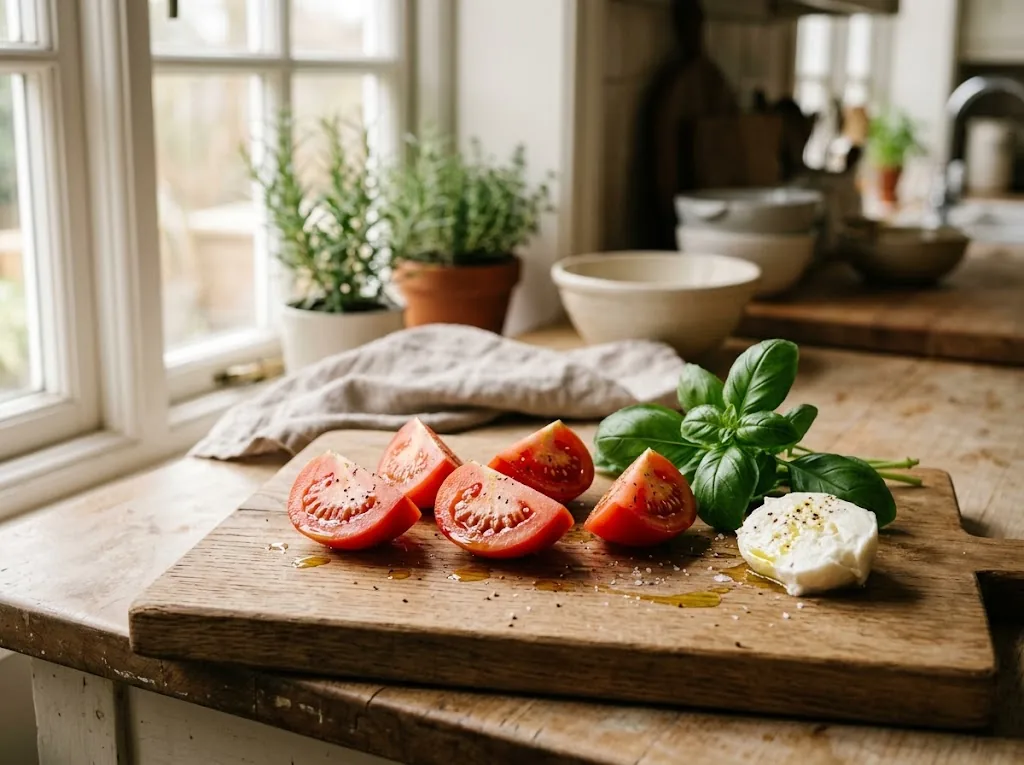
Use these cocktail-sized tomatoes when you want fuller, rounder pieces than bite-sized tomatoes provide. Roma tomatoes are firmer and plum-shaped, which suits paste-style cooking. For another home-garden option with a larger slicing tomato, see our guide to Celebrity tomatoes.
Frequently asked questions
What do they taste like?
They are sweet and mild, with fresh acidity. Ripeness matters: a fully colored tomato usually tastes better than a cold, underripe one.
Are they the same as Roma tomatoes?
No. Campari tomatoes are round and soft-fleshed. Roma tomatoes are plum-shaped and firmer, so they suit paste and long-cooked recipes better.
Can you grow the branded tomato from grocery-store fruit?
You can sow seeds from a grocery tomato, but the seedlings may not produce the same tomato. The grocery label does not state whether its fruit came from an F1 hybrid, and hybrid seedlings can differ from their parent. For a more predictable crop, buy a labeled transplant or packets that identify their breeder.
What is a good substitute?
Use large cocktail tomatoes or another salad tomato in salads and sandwiches. For long-cooked dishes, choose plum tomatoes and adjust the cooking time for their firmer flesh.
