Cooking with garlic chives is the easiest way to put a soft, savory note into a stir-fry or omelet without reaching for fresh garlic. The flat leaves cook in seconds, taste equally good raw or wilted, and slip into scrambled eggs, pan-cooked pancakes, folded dumplings, and a quick drizzle of seasoned oil. Once you know how to choose, store, and slice them, the garlic chive becomes an everyday ingredient rather than a one-recipe curiosity.
What garlic chives are and how they differ from regular chives
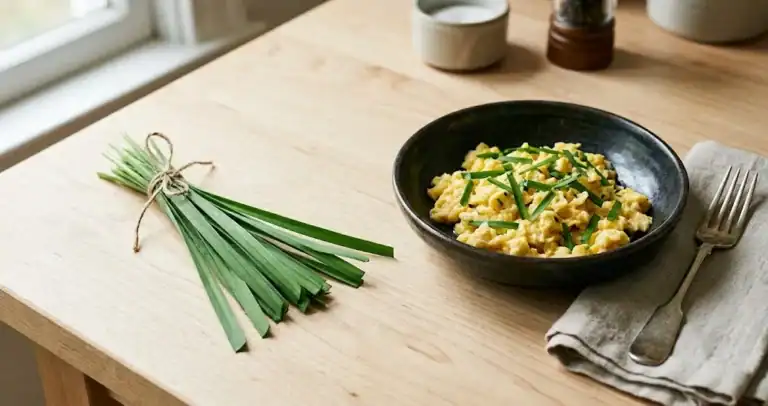
Garlic chives are a different plant from the round, hollow-leafed chives most North American cooks reach for as a garnish. Their botanical name is Allium tuberosum, and they grow in slender clumps of flat, blade-like leaves with a mild garlic aroma rather than a raw allium one. They are sometimes labeled gow choy, kow choy, nira, or buchu in markets, and Korean cooks use them in buchu jeon pancakes while Japanese cuisine treats them as a finishing touch.
The flavor profile is the easiest way to tell them apart. Standard chives taste grassy and mild, with a hint of allium that fades fast. Garlic chives carry a gentle, warm, garlicky character that holds up to heat, so the leaf keeps its place in a wok-cooked dish, an egg scramble, or a folded omelet instead of melting into the background.
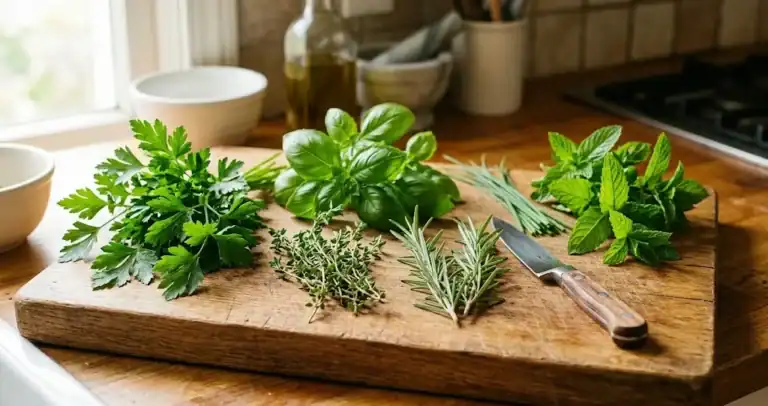
Both the leaves and the white flower buds are edible. The buds, which appear in late summer, make an attractive finishing touch and taste similar to the leaves. If you are building an ingredient shelf around a single new favorite, it helps to get a quick sense of how garlic chives sit among other culinary herbs.
How to choose, store, and prep garlic chives
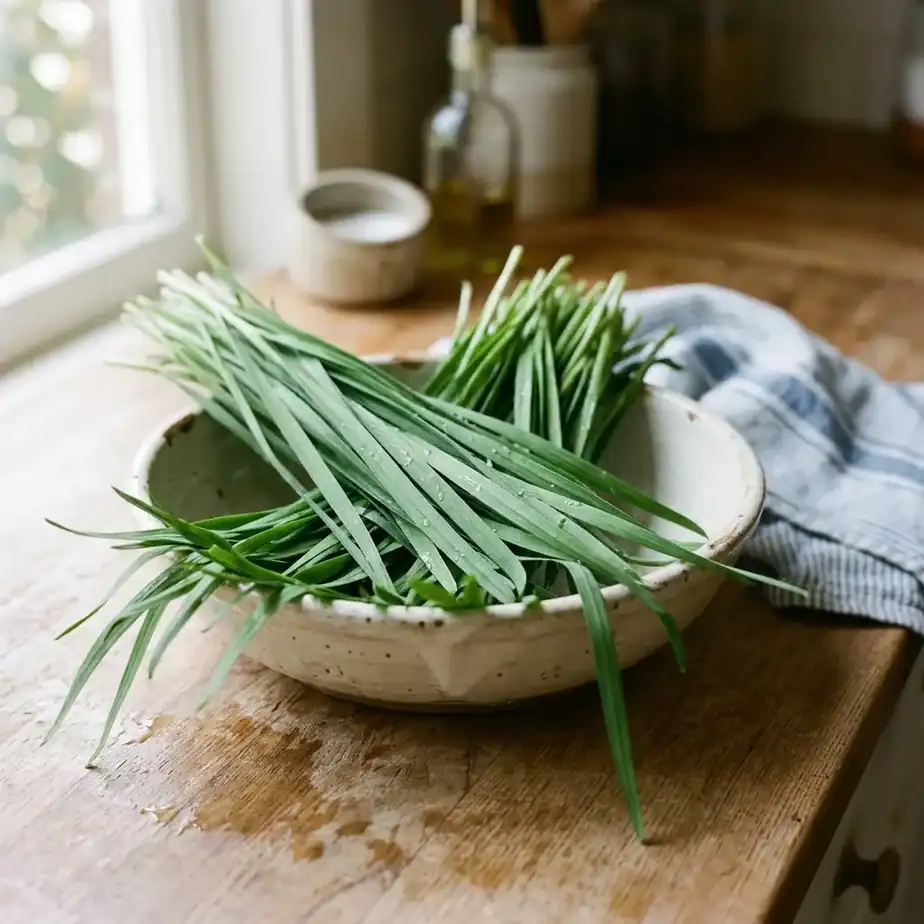
Look for crisp leaves that stand up straight in the bundle. Yellowed, wilted, or slimy leaves mean the plant has been sitting too long and will not turn out well in a pan. A fresh supply smells mildly garlicky when you press it gently; a sour or musty smell is a reason to pass it by.
Most home cooks will find a bundle at an Asian grocery store, and many farmers’ markets carry them in season. Larger supermarkets in some regions keep them in the produce aisle, especially where East Asian vegetables sell well. Plan to use a fresh bundle within a few days. Treat them like a tender leafy vegetable and store them unwashed, loosely wrapped, in the refrigerator. Wash only right before slicing, since water on the leaves speeds spoilage.
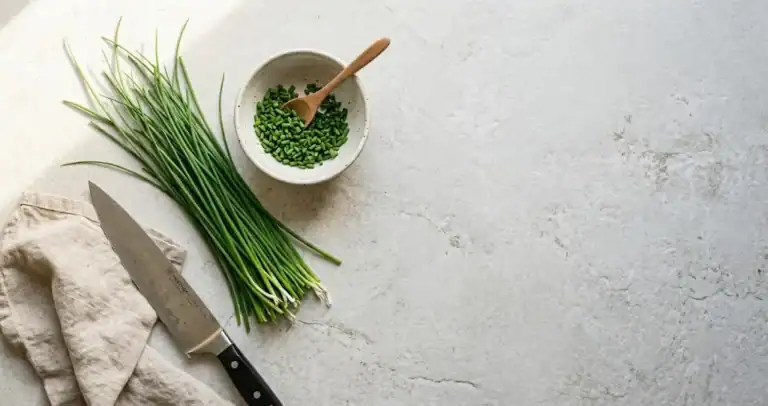
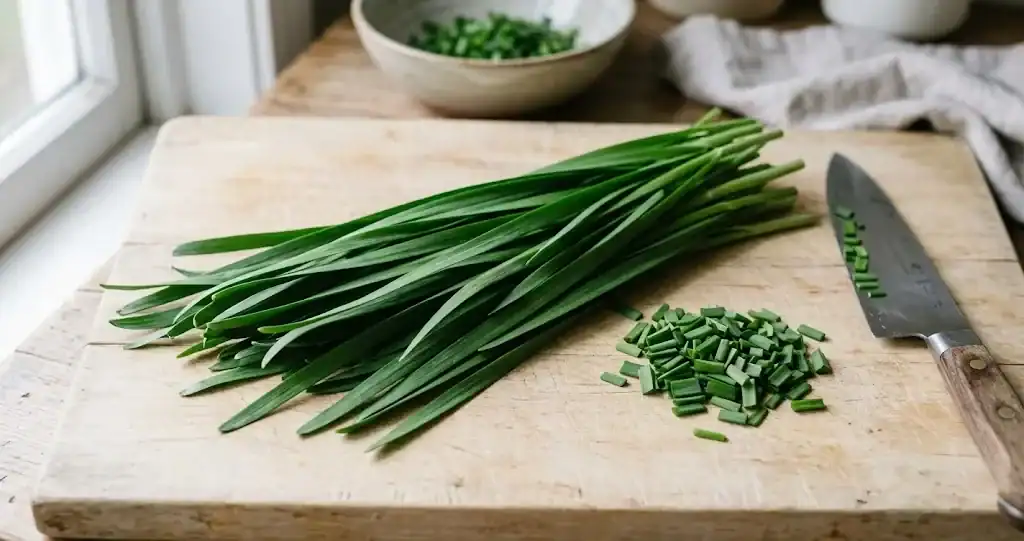
To prep, line up a small handful on the cutting board, trim off the tough stem end and any dried or browned tips, then finely chop the leaves into pieces roughly a quarter inch long. The flat blades are easy to slice and do not roll off the board the way round stems do. If you want a cleaner cut, stack a small handful, hold them tight, and slice across with a sharp knife. Add the leaves at the very end of cooking in any stir-fried dish, since they wilt in under a minute and turn soggy if left too long.
For longer keeping, you can blanch the chopped leaves for a few seconds, drain them well, and freeze them in a flat bag. The frozen leaves are best added to a warm broth or stir-fried noodle bowl rather than used as a raw garnish. If you bought more than you can use and want a fuller walk-through, the storage notes for keeping garlic chives fresh cover each method in more detail.
Garlic chives and eggs
The classic starting point for anyone learning to use garlic chives is a quick scramble or omelet. Eggs pair well with the plant because the soft savory note carries through gentle heat without turning harsh. Use about two tablespoons of chopped leaves per three eggs, season with salt and a little white pepper, and work the pan over medium heat until just set. Garlic chives and egg is one of the most-loved stir-fried dishes in Korean home cooking for good reason: the savory aroma lifts a plain plate of rice into a tasty weeknight meal.
Garlic chive pancakes, sometimes called buchu jeon in Korean cooking or garlic chive boxes in gow choy tradition, are a sturdier way to use a larger bundle. Make a simple batter with flour, water, and a pinch of salt, fold in a generous handful of chopped leaves, then pan-cook spoonfuls in a little oil until both sides are crisp and golden. The pancake sets quickly and works as a side, a light meal, or a tucked-in layer for a flatbread.
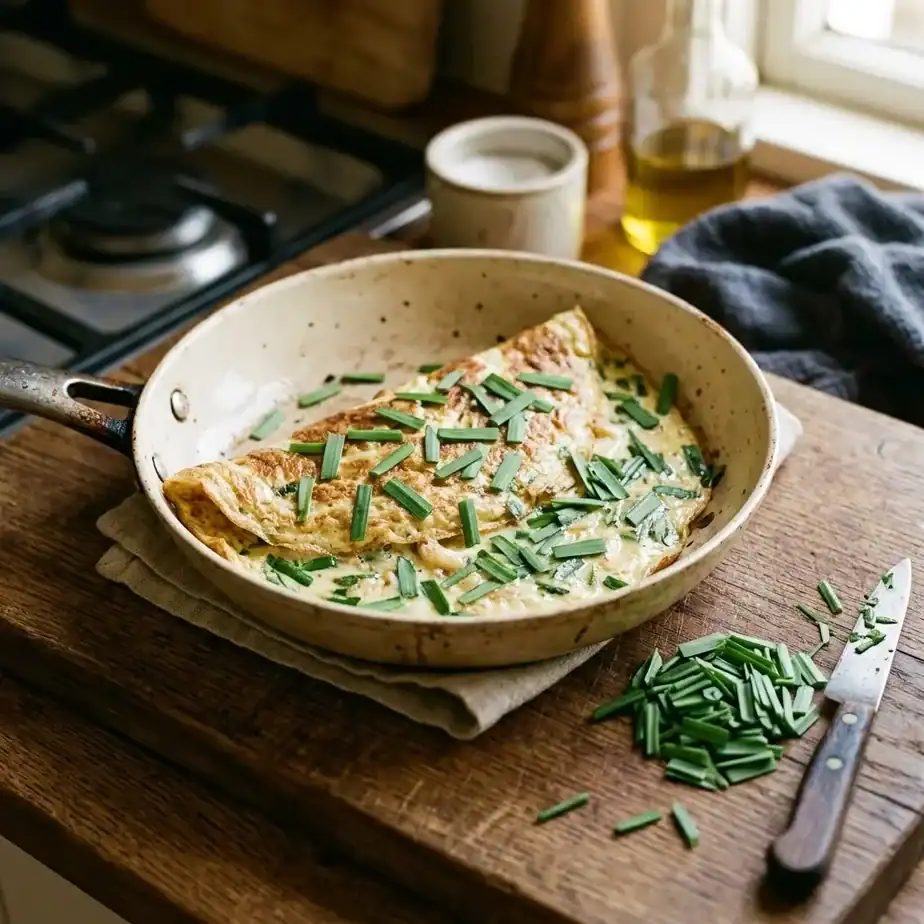
A folded omelet with chopped leaves is a good everyday choice. Pan-cook a thin layer of beaten whites in a hot, lightly oiled pan, scatter chopped leaves across the surface, fold the omelet over once it is just set, and slide it onto a plate. Finish with 1 teaspoon chili oil at the table.
Wok-cooked dishes and one-pan dinners
Quick high-heat work is the second home for garlic chives, and most stir-fries build around a small list of reliable ingredients. A classic version pairs chopped leaves with a scramble as a base, then adds a quick saute of sliced ground meat or tofu, a small pour of soy sauce, 1 tablespoon oyster sauce, and a pinch of sugar. Add the leaves at the very end of cooking, since they wilt in under a minute and should be the last addition to the pan. Compared to round-leafed chives, garlic chives keep a savory edge that holds up to hot oil, which is why they are so common in stir-fried rice bowls.
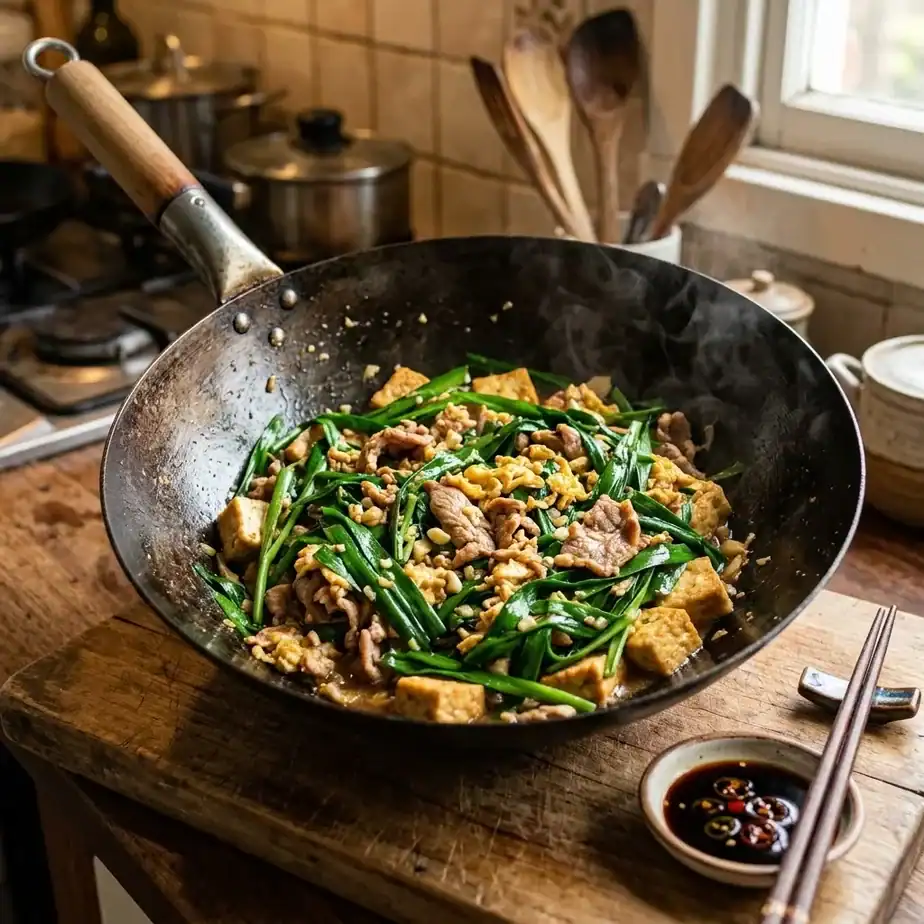
For a vegetarian version, press firm tofu for ten minutes, cube it, pan-fry it until the edges are golden, then set it aside. Sizzle minced garlic and ginger in a little oil, return the tofu, add a small splash of soy and a little water, and finish with a generous handful of chopped leaves. The hot tofu softens the garlic chive just enough to release its aroma without making it soggy. A few sliced carrots tossed in with the ginger add sweetness and color to the finished plate.
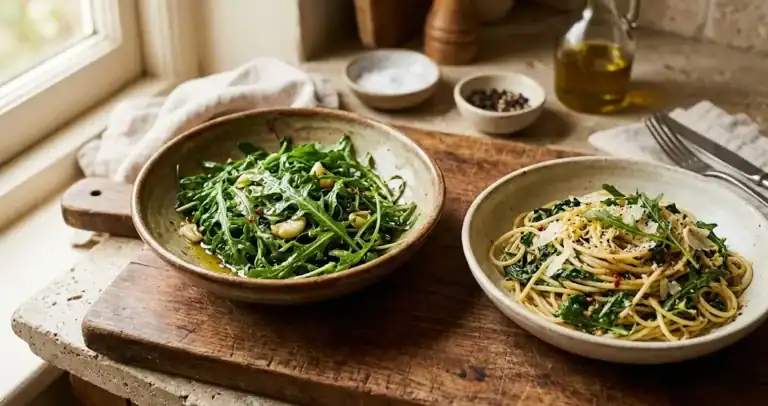
Garlic chives also work with rice vermicelli or a thin wheat strand. Toss cooked and drained into a hot pan with oil, a handful of chopped leaves, a small splash of soy, and a few drops of toasted sesame oil. The result is a fast, savory one-pan meal that takes less time than it takes to set the table. For a quicker route, briefly blanch fresh seasonal veggies in the same water you used for the noodles, then toss everything together with a handful of chopped garlic chives and a pour of hot oil seasoned with chili.
Dumplings, pancakes, and dim sum
Chopped garlic chives show up in many folded-pocket fillings, often alongside ground meat, shrimp, or tofu. The classic jiaozi filling is a roughly equal mix of finely sliced leaves and ground pork, seasoned with soy, grated ginger, a little sesame oil, and a small splash of water to keep the filling juicy. Fold the mixture into round wrappers, then pan-cook, steam, or boil them according to the recipe you are using. A simple blend of soy, vinegar, and chili is the traditional pairing, and the same mix works as a dip for any leftover dumplings.
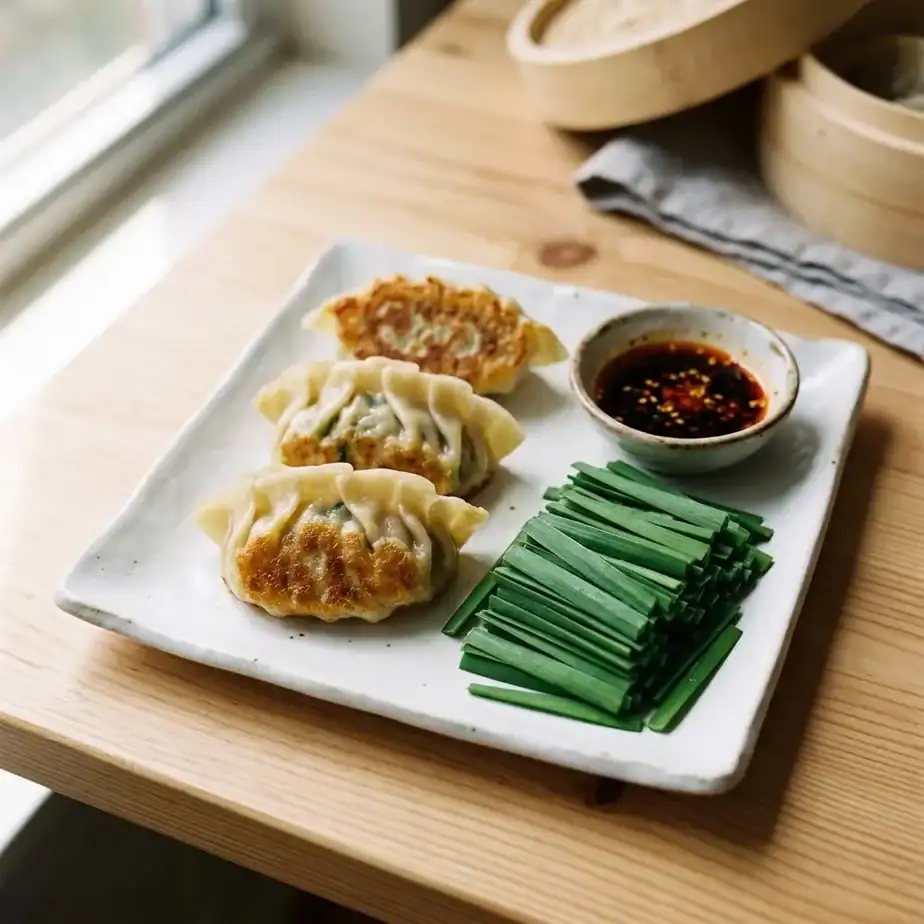
Garlic chive filled pockets pair well with a black vinegar dipping sauce. Stir together 2 tablespoons soy, 1 tablespoon black vinegar, a slice of chili if you want heat, and 1 teaspoon sugar until the sugar dissolves. Use about 1 teaspoon of the sauce per dumpling. The salty, slightly tangy liquid keeps the rich filling in balance.
For a non-dumpling route, a flatbread layered with chopped leaves and a sticky filling makes a snack-style pancake. Spread the leaves across a thin layer of oiled dough, roll it up, coil it, and pan-cook it slowly so the inside cooks before the outside burns. The finished pancake is flavorful on its own, but a quick drizzle of seasoned soy or a side of chili oil makes it feel like dim sum.
Oils, finishing, and condiments
Garlic chive oil is one of the simplest condiments to make, but it is a low-acid herb-in-oil preparation that does not keep safely for long. Make only a small jar at a time: loosely pack a clean jar with finely chopped leaves, cover them with a mild oil such as sunflower or light olive oil, and refrigerate the jar immediately. Use the oil within 2 to 3 days, and discard any jar that smells sour or shows bubbles. For longer keeping, freeze the chopped leaves on a tray and add them to hot oil at the table, where the heat of the noodles releases the aroma without ever leaving raw herbs sitting in oil at room temperature. The National Center for Home Food Preservation guidance on herbs in oil explains why this matters.
A quick garlic chive dressing brings together chopped leaves, plain yogurt or sour cream, a squeeze of lemon, a small minced clove of garlic, salt, and a grind of black pepper. It works as a dip for raw vegetables, a spoonable topping for a baked potato, or a thin coating for a cold pasta salad.
Garlic chives also work as a finishing ingredient. A small handful of chopped leaves scattered over a finished broth, a warm salad, or a plate of roasted vegetables adds color and a gentle savory note. The aroma fades quickly under heat, so add the chopped leaves at the table or right at the end of cooking. If you want a fuller set of ideas, a roundup of garlic chive recipes collects everyday meals that put the ingredient to work.
What goes well with garlic chives
Garlic chives have a soft, savory character that pairs with a long list of everyday ingredients. Eggs, ground meat, shrimp, tofu, mushrooms, soy sauce, sesame oil, ginger, garlic, chili, scallions, carrots, bean sprouts, vermicelli, and rice noodles all sit comfortably next to the plant. Stronger cheeses and very sweet glazes tend to fight the taste, so keep dairy and sugar on the lighter side when garlic chives are part of the meal.
For seasoning, a small amount of soy and salt are usually enough. A splash of rice wine or a few drops of toasted sesame oil rounds out the savory note without taking over. A warm plate of noodles with garlic chive and a soft-boiled egg makes a delicious, fast supper when the fridge is short on options.
Frequently asked questions
Can I eat garlic chives raw?
Yes. Finely chopped raw leaves work well as a garnish for cold vermicelli, salads, and savory pancakes. The raw taste is stronger than the cooked one, so use a little less than you would for a cooked meal.
What is a good substitute for garlic chives?
Standard chives are the closest common substitute, though they lack the garlicky note. A mix of sliced round-leafed chives with a small amount of minced garlic is a workable stand-in for cooked meals. Spring onion greens with a touch of garlic are another option when garlic chives are not on hand.
Are garlic chives the same as Chinese chives?
Yes. Chinese chives, gow choy, kow choy, and buchu are all common names for the same plant, Allium tuberosum. The flat leaves and mild garlic flavor are the identifying traits.
How long do garlic chives keep in the refrigerator?
A fresh bunch will keep for about three to five days when stored loosely wrapped in the refrigerator. Wash only right before you use them, and trim off any leaves that yellow or wilt before cooking.
A short list to start with
Garlic chives reward a small learning curve. Pick a fresh bunch, chop a generous handful, and try a quick wok-cooked meal with eggs and tofu, a pan-cooked chive pancake, or a simple folded-pocket filling using garlic chive. Once you know what the ingredient does in a pan, it becomes an easy choice to reach for whenever a meal needs a savory lift without the bite of raw garlic.