
Hungarian wax peppers bring a useful middle ground to the garden: long, tapered pods with a crisp bite, bright flavor, and enough heat to wake up a sandwich or skillet. Pick them pale yellow for a lively, firm pepper, or leave fruit on the plant as it turns orange to red. Here is how to recognize the variety, grow it, and make the most of its changing color and heat.
They belong among the many chili pepper varieties grown for both their flavor and practical kitchen use, but the name can be confusing: this variety is much hotter than the mild banana pepper it resembles.
What is a Hungarian wax pepper?
Botanically, the plant is a cultivated hot pepper in the species Capsicum annuum. Johnny’s Selected Seeds describes smooth, tapered fruit averaging about 5.5 inches long by 1.5 inches wide; the pods are often picked at a waxy pale-yellow stage. With more time on the plant, the pods pass through orange and mature red. Cornell’s Vegetable Varieties for Gardeners describes a Hungarian Yellow Wax selection with fruit about 6 inches long and 1.5 inches wide, ripening from waxy yellow to crimson. That profile is close to Johnny’s Selected Seeds listing, though any given packet can differ in shape, yield, maturity, and heat.

The name connects the pepper with Hungary, but reliable accounts of one origin date or single breeder are scarce. Treat it as a named variety with a long commercial and garden history, rather than repeating a precise origin story that seed sources do not document. The yellow color and waxy-looking skin explain the common name; they do not mean the pepper is related to banana peppers or black pepper.
How hot are wax peppers? Scoville heat units
There is no single heat reading for every pod. The University of Florida IFAS Extension describes Hungarian wax peppers at about 5,000 to 10,000 Scoville heat units (SHU), while some seed sellers give a broader range reaching 15,000 SHU. Seed strain and growing conditions contribute to variation, so use these as an estimate, not a promise. A ripe red pod may taste hotter or more developed than a pale-yellow one, but color alone cannot predict an individual pepper’s heat.
For context, a Hungarian wax pepper can be substantially hotter than a mild banana pepper and may overlap with jalapeño heat ranges. If you are serving a new batch, taste a small piece before deciding how much to add. Remove the white ribs and seeds if you want less bite, though the flesh still carries heat.
Flavor and ways to use this chili pepper
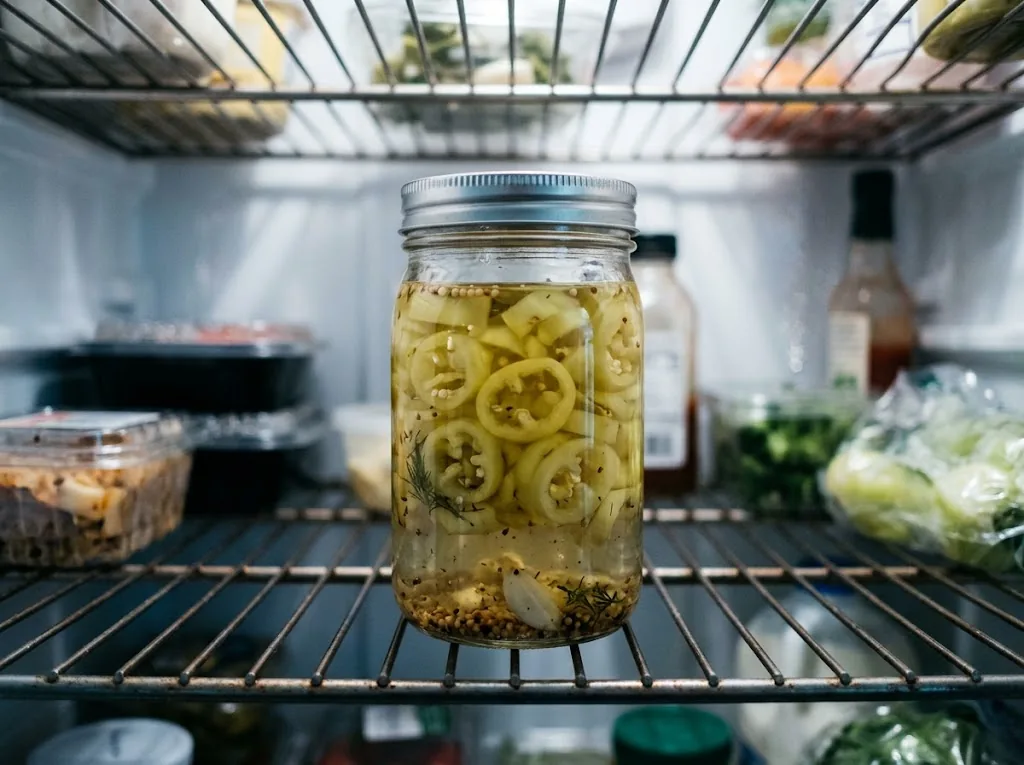
Expect a crisp, fresh pepper flavor with a gentle sweetness beneath the heat. Young yellow pods are usually harvested immature, before the fruit ripens fully; they are especially useful when you want color and crunch. Slice them into sandwiches, salads, tacos, salsas, relishes, or a quick refrigerator pickle. Their gradual taper makes them easy to halve and fill, or to roast whole until the skin blisters.

As the fruit ripens, its flavor becomes fuller and often sweeter. Use orange or red peppers in a tomato sauce, soups, eggs, or skillet dishes. Roasting brings out their cooked flavor; you can also dry fully mature pods for chili flakes once they are completely brittle. The heat can vary from pod to pod, so add them gradually to a shared dish.
Growing Hungarian wax peppers
Start with seed from a supplier that identifies the variety and gives its own maturity estimate. Johnny’s Selected Seeds lists its strain at about 58 days from transplant to pale-yellow fruit and 83 days to red-ripe fruit; another seed lot may differ. Peppers need warmth, bright sun, and a long enough season to set fruit.
- Start seeds indoors. Sow in a warm seed-starting mix about eight weeks before your expected outdoor planting date. Johnny’s recommends warm soil, around 80 to 90°F, for its pepper starts. Germination can be slow in cool mix, so use the supplier’s instructions and keep the medium evenly moist rather than waterlogged.
- Pot up and harden off. Once seedlings have true leaves, give them strong light and room for roots. Gradually expose them to outdoor conditions over about a week. Wait until frost danger has passed and the soil has warmed before transplanting. Penn State Extension recommends waiting until soil about three inches deep reaches 60°F for pepper production.
- Plant in sun and drainable soil. Choose a sunny site with fertile, well-drained soil. Space according to your seed supplier’s directions; Johnny’s lists 12 to 18 inches between plants in rows. For a container, use a pot with drainage holes and enough volume to keep soil moisture steady. Johnny’s identifies its strain as suitable for container growing.
- Water steadily and watch the plant. Water when the top layer of mix begins to dry, adjusting for heat, rain, and pot size. Avoid keeping roots soggy. Support a heavily loaded plant if branches lean, and check leaves and stems regularly for pests or disease. Do not add fertilizer by guesswork; follow a soil test and the product label.
Even though some seed strains can set fruit in cooler summers, this remains a warm-season pepper. It will not thrive in cold soil. For a broader step-by-step guide to growing chili peppers, use the general planting advice there and follow the cultivar-specific maturity details on your seed packet.
When to harvest and how to handle the pods
Pick fruit when it reaches full size and the color you want. Pale yellow is a common harvest stage, but you can leave pods longer for orange and red fruit. Use clean snips rather than pulling hard on the branch. Harvesting ripe fruit can encourage continued production on a healthy plant, although timing and yield depend on the weather and growing conditions.
Wear gloves if you are sensitive to pepper oils, and avoid touching your eyes while cutting or handling the fruit. Wash hands, tools, and work surfaces with soap and water afterward. Store fresh peppers unwashed in the refrigerator and use them while firm; discard any that become soft, moldy, or slimy.
Preserving Hungarian wax peppers
For short-term use, refrigerate fresh pods in a breathable bag. You can also freeze peppers after washing, drying, and removing stems. Freezing softens their texture, so frozen pods work best in cooked dishes.
Pickling and fermenting are popular ways to preserve hot peppers, but a homemade recipe is not automatically safe for pantry storage. Keep improvised pickles refrigerated, or use a tested canning recipe and follow it exactly. To dry peppers, use a food dehydrator or another method designed for produce, and store them only when fully dry and brittle. Never seal peppers that still feel leathery or damp.
Are Hungarian wax peppers the same as banana peppers?
No. They can look alike because both are long, tapered, and often yellow, but Hungarian wax peppers are generally much hotter. Banana peppers are usually mild. Labels can be imprecise, so check the seed or produce description and taste cautiously when you are unsure.
What peppers are similar to this one?
Banana peppers are the closest visual stand-in but usually bring less heat. Jalapeños have a different shape and greener, more vegetal flavor. For another variety with a distinct smoke-and-sweet profile, compare them with Morita peppers, the smoked ripe form of a chipotle pepper.
Quick facts
- Species: an edible member of the nightshade family.
- Typical color progression: pale yellow, orange, then red.
- Heat: approximately 5,000 to 10,000 SHU in the University of Florida IFAS account; some seed sellers report up to 15,000 SHU.
- Best uses: fresh slicing, roasting, stuffing, refrigerator pickling, and cooked sauces.
- Growing note: warm soil and full sun; maturity time depends on the seed strain and harvest color.
Sources
- University of Florida IFAS Extension, Pepper Production in Miami-Dade County.
- Johnny’s Selected Seeds, Hungarian Hot Wax.
- Cornell Cooperative Extension, Vegetable Varieties for Gardeners: Hungarian Yellow Wax.
- Penn State Extension, Pepper Production.
