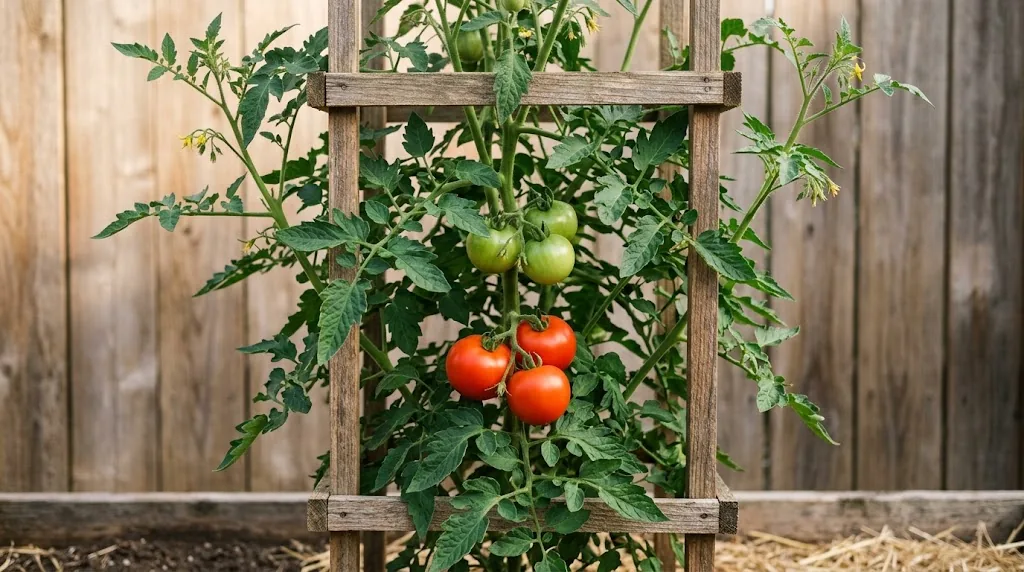
Indeterminate tomatoes keep extending their stems and setting flowers through the growing season, often until frost ends growth. That long, climbing habit gives you a steady run of ripe fruit, but it also means you need to plan for support and decide how much, if any, pruning suits your space. Reserve a spot in the garden for the support before planting.
In botanical terms, tomato is Solanum lycopersicum. Gardeners usually sort tomato cultivars by growth habit as well as by fruit type and use. Oregon State University Extension describes determinate cultivars as bush types, indeterminate cultivars as vining types, and also includes semi-determinate cultivars. This guide covers indeterminate tomatoes, the vining type. For the wider picture, visit our Tomato Plants hub.
What makes a tomato indeterminate?
A plant with this habit does not end each main stem with a terminal flower cluster. Instead, the stem can keep growing and produce side branches and flower clusters. Oregon State University Extension’s tomato guide describes these plants as growing and flowering through the season, with stems continuing until frost kills them. The flowers and fruit appear along the branches, so new growth, blossoms, and ripening tomatoes can overlap on one tomato plant.
This is why gardeners often call them vining tomatoes. The name can mislead, though: tomato stems do not wrap themselves around a trellis. You guide and tie them to a stake, cage, or other support. In a home garden, a sturdy structure lets the plant keep producing over a longer stretch than a bush type that yields most of its crop in a shorter window.
Bush and vining tomatoes at a glance
| Growth habit | How stems grow | Typical harvest pattern | What to plan for |
|---|---|---|---|
| Indeterminate | Main stems continue growing and flowering | Fruit ripens over an extended season | Tall, sturdy support; optional training and pruning |
| Determinate | Main stems end in flower clusters, limiting further stem growth | Most fruit ripens within a shorter period | More compact plants; useful when you want a concentrated harvest |
| Semi-determinate | Growth falls between the two habits | Varies by cultivar | Check the specific seed or plant label |
These patterns describe tendencies, not a guarantee about the exact height or harvest date of every cultivar. Weather, growing conditions, and the variety all matter. In a small garden, our guide to determinate tomato plants explains when a compact plant may be easier to manage.
How to identify a tomato’s growth habit
Start with the tomato seed packet, catalog listing, or plant tag. Look for “indeterminate,” “determinate,” “vining,” “bush,” or “IND.” If the label is missing, search the exact cultivar name in a university extension variety list or the seed company’s own description. Growth habit is not reliably revealed by fruit size, color, or shape.
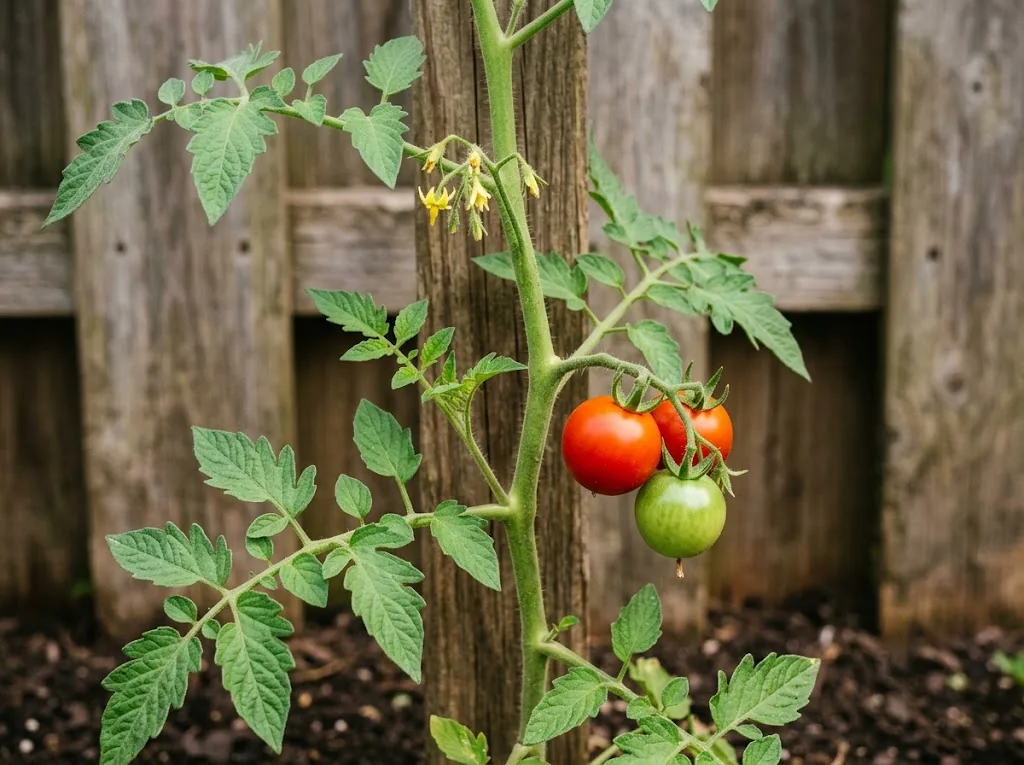
Cherry tomatoes can have either habit. Oregon State Extension’s cultivar table, for example, lists Sungold as a vining cherry tomato and Gold Nugget as a bush cherry. Beefsteak is a fruit type too, not a promise of one growth habit: check the cultivar. Iowa State Extension’s recommended-cultivar list lists Big Beef as vining and Carolina Gold as bush. This is why “cherry,” “beefsteak,” “paste,” and “indeterminate” answer different questions about a tomato. Fruit type and growth habit are separate questions, and so is the botanical one of whether a tomato is a berry.
Choose support before the vines sprawl
Set up support when you plant, or early enough that you can guide young stems without wrestling a tangled vine. A stake works well when you plan to train one or two main stems. Tall, sturdy tomato cages can hold a fuller plant, while a trellis gives a row of tomatoes a shared support. A larger tomato cultivar needs a structure that can carry wet foliage and fruit in wind, not just a thin stem on planting day.
Match spacing to the cultivar and the support system. Oregon State Extension describes 12 to 18 inches between vining plants trained to stakes, while the University of Minnesota Extension suggests two to three feet for vining types in its home-garden guidance. Those recommendations reflect different systems and conditions, so follow the variety label and local extension advice, leave room to reach the fruit, and allow air to move through the leaves. Gardeners planting rows should also leave a path for watering and harvest. If you are planting in raised beds, put the support in before the roots fill the bed.
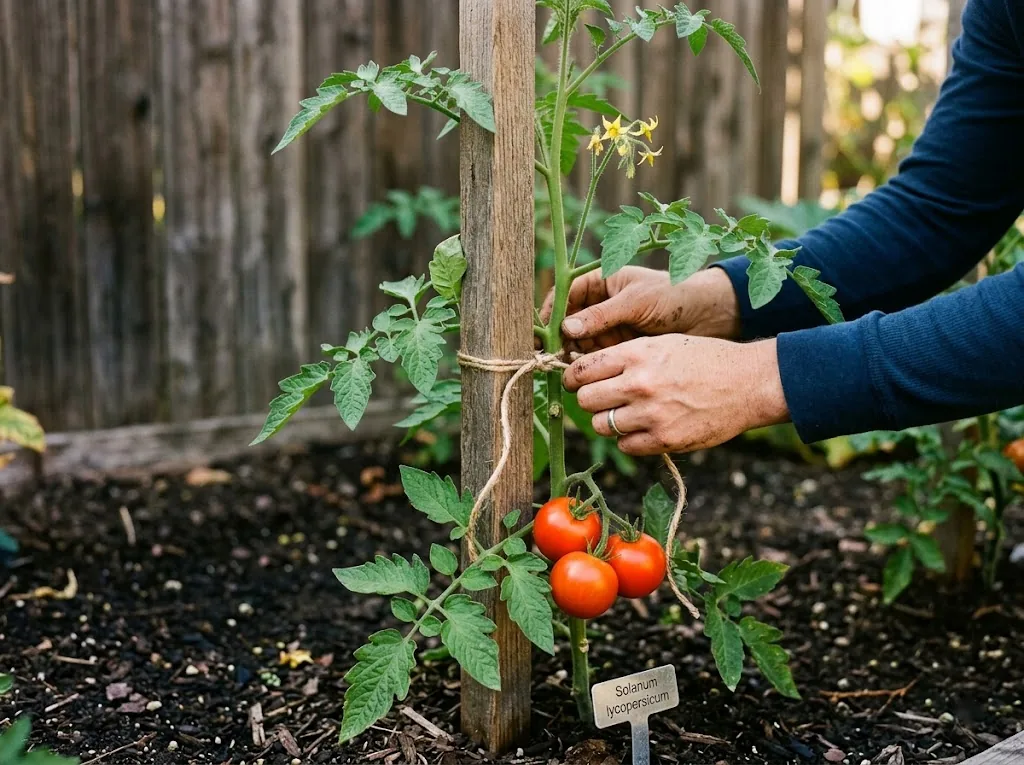
Anchor the support firmly and place it without damaging the root ball. As the main stem lengthens, attach it loosely with soft ties or clips so the stem can thicken. Check ties as the plant grows. A tie that was gentle last month can pinch a stem later.
Should you prune indeterminate tomatoes?
Pruning is a way to shape a plant, not a requirement for every vining tomato plant. Leaving more side shoots gives the tomato a fuller canopy and more growing points, but it can make a tight space harder to manage. Training one or two leaders keeps the plant narrower and easier to tie. The best choice depends on your support, available room, and how much maintenance you want. A gardener who wants a low-maintenance tomato may prefer to leave more stems. If you need to prune, remove small suckers when they are easy to reach. This changes the shape of the plant and can make it easier to tie.
A sucker is a side shoot that grows in the angle between a leaf and the main stem. If you choose single-stem training, remove small suckers as they appear and keep tying the main stem to its support. For two-stem training, keep one strong sucker below the first flower cluster as a second leader, then remove other suckers you do not want. Oregon State Extension describes both one- and two-stem training and says suckers can be removed to make training easier. The extension also notes that vining tomato plants do not inherently require more pruning than bush types, so you can leave the shoots if you have room and want a fuller plant. You do not need to prune simply because a seed packet says indeterminate. Pruning can make training easier, but it does not guarantee that a tomato will produce more fruit.
If a plant is already crowded, guide the stems through the support and make selective cuts rather than trying to force it into a bare single vine in one session.
Can you grow indeterminate tomatoes in a container?
Yes. Oregon State Extension says any tomato cultivar can be grown in a container, though smaller-growing determinate cultivars are ideal because they take longer to outgrow a pot. Indeterminate tomato plants need a large, stable container, quality potting mix, drainage, and a support system tall and strong enough for the cultivar. Add a tall trellis before the stems become difficult to guide. Vining plants in pots need the same attention to support as those in a bed.
Think about the full footprint before you plant: the container, its support, and the mature stems all need room. For small gardens or patios, dwarf and compact tomato varieties can be a better fit. A small pot will not turn a full-size plant into a dwarf tomato. A dwarf tomato variety stays shorter by its genetics, not because its roots are crowded.
How long do indeterminate tomatoes produce?
These vines can flower and set fruit throughout the growing season. In a frost-free climate they may continue longer, but when frost kills the plant, it will stop growing. The exact start and finish depend on when you planted, the cultivar, heat, light, and the length of your local season. A season-long window means you can pick in stages and maintain a supply of fruit, though fruiting is not continuous or identical from garden to garden, and the vine can keep producing fruit later in the season.
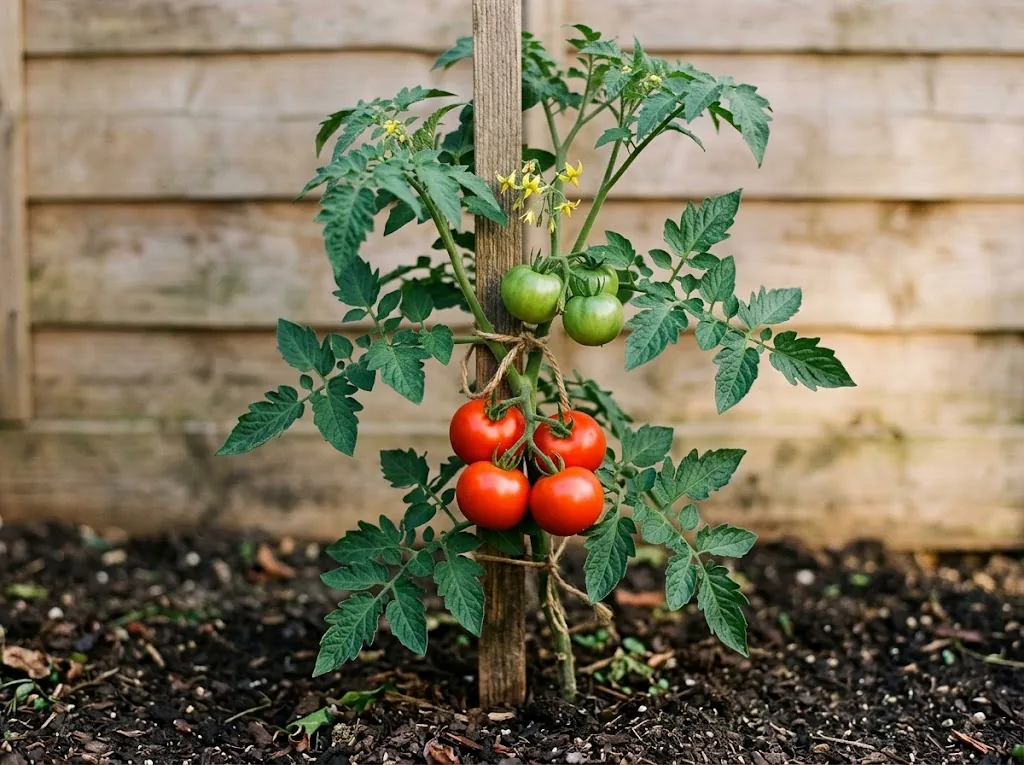
In short growing seasons, the growing habit affects how much fruit may ripen before cold weather. As the first fall frost approaches, gather mature fruit and follow local guidance for ripening or using it indoors. If you want a single large harvest for sauce or canning, a bush type may better fit that plan. Most determinate tomatoes ripen within a shorter window than vining types, a pattern that can fit gardeners who prefer a concentrated crop.
Indeterminate tomato varieties to consider
Use the cultivar name to check growth habit because the tomato varieties available can grow differently despite similar fruit descriptions. Oregon State Extension lists Big Beef and Brandywine, an heirloom, among its vining slicers and Sungold among its vining cherry tomatoes. Iowa State Extension also lists Better Boy and Supersweet 100 as vining varieties. Together, these indeterminate varieties produce fruit ranging from small cherry tomatoes to large slicers. Availability and labels can vary, so verify the exact tomato seed packet or plant tag where you shop. If you are shopping for indeterminate tomato seeds or a container plant, check the cultivar, choose one suited to your space, and install support before transplanting.
When you compare varieties, consider more than fruit size: look at days to maturity for your region, disease-resistance codes, support needs, and whether you prefer a steady crop or a shorter concentrated one. To choose the right type of tomato for your plans, check the named cultivar and its label.
Frequently asked questions
Do vining tomatoes need a trellis?
They need support that suits their size and how you plan to train them. A tall cage, stake, or trellis can work. A trellis is not the only option, but an unsupported plant may sprawl and be harder to manage and pick.
What’s the difference between determinate and indeterminate tomatoes?
The difference is how the stems grow and when much of the fruit ripens. A vining plant keeps making new growth and flowers over an extended season, while a bush type ends stems in flower clusters and tends to ripen a more concentrated crop. For a labeled cultivar, growth habit is clearer than a guess based on fruit shape.
Are all cherry tomatoes indeterminate?
No. Cherry describes fruit size and use, while “bush” or “vining” describes growth habit. Check the named cultivar: Oregon State Extension lists Sungold as vining and Gold Nugget as bush.
Can I stop an indeterminate tomato from growing taller?
You can train the plant along a support and, near the end of your season, choose to pinch out new growth. That stops the removed tip from extending, but it will not change the cultivar’s underlying growth habit. Timing depends on your local frost date and growing conditions.
