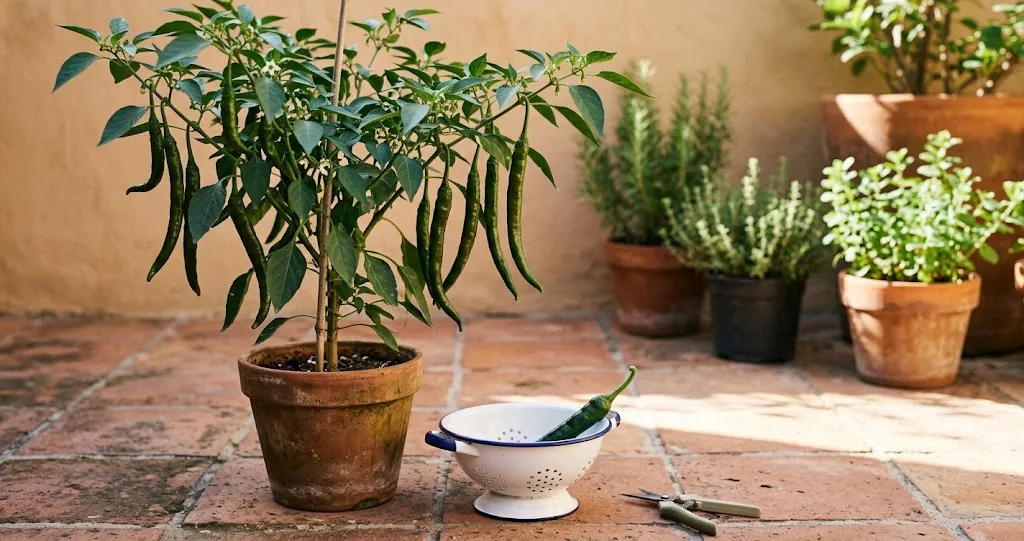
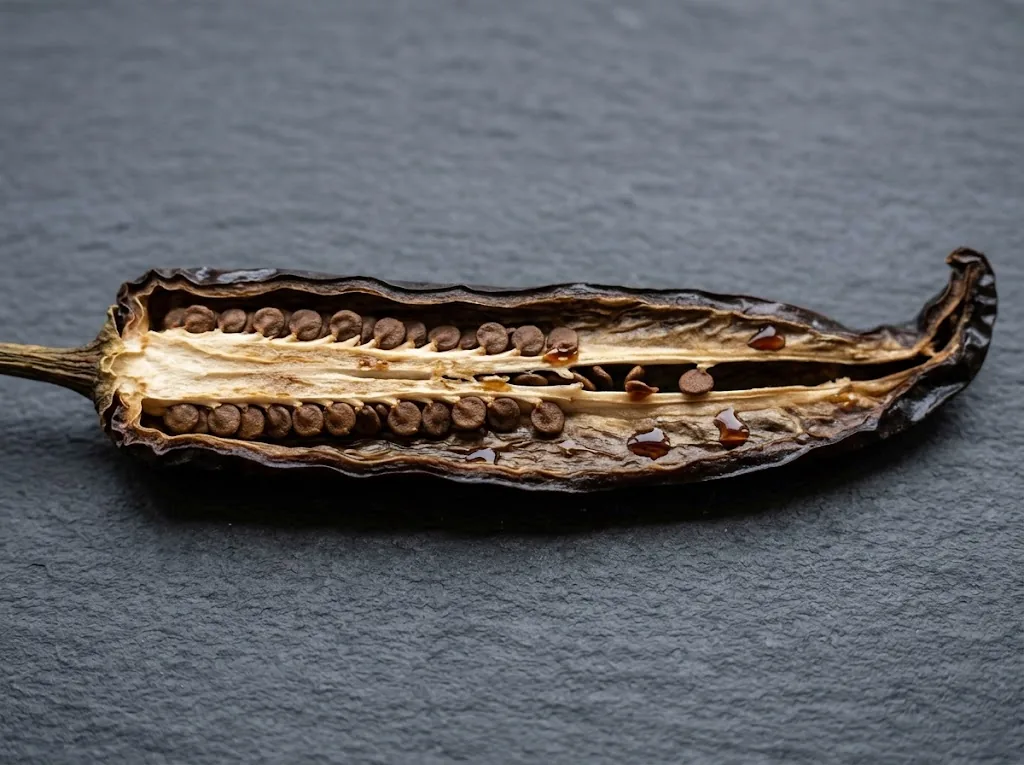
Pasilla is the dark, wrinkled dried form of the chilaca pepper, a long, slim Capsicum annuum from Mexico. The fresh pod is glossy deep green and slightly curved; once dried, it becomes brown-black, leathery, and raisin-like. That appearance explains the Spanish name, which means “little raisin.”
A pasilla chili is valued more for depth than brute force. It brings notes often described as dried fruit, cocoa, and earth to a pot of beans or a braise. If a bag labeled “pasilla” contains a broad, flat, red-brown pod, it may be an ancho instead. Ancho is dried poblano, while pasilla is its dried form.
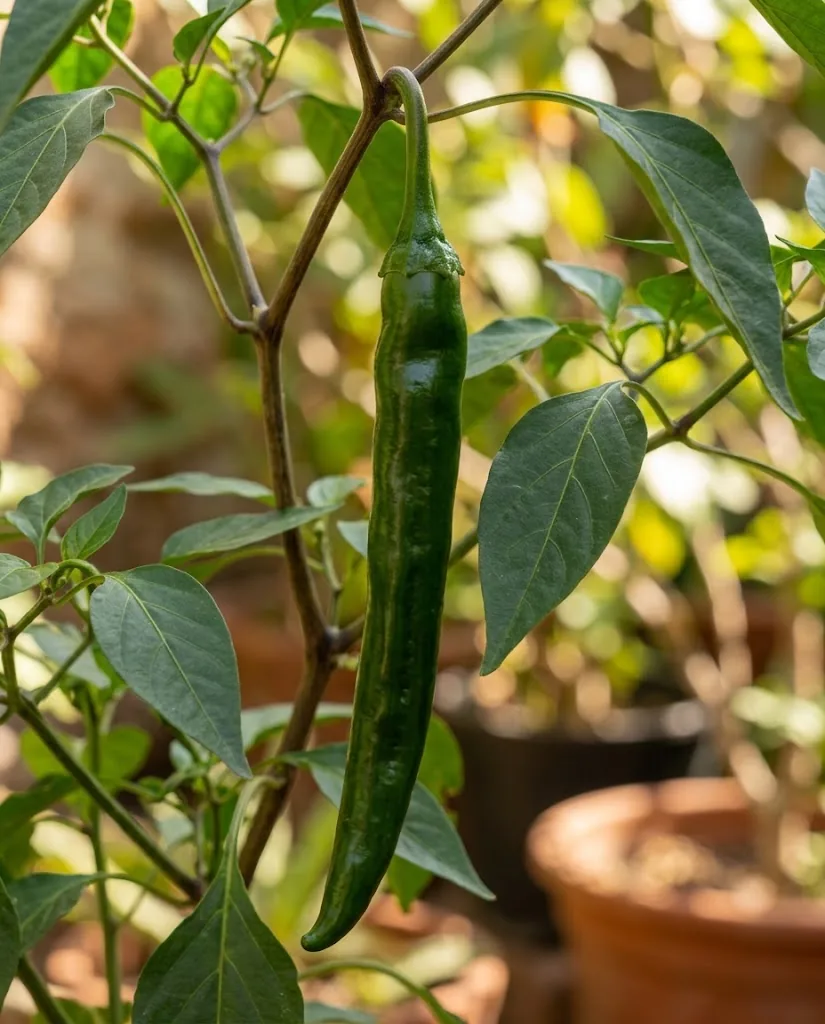
What it is and how to identify it
Fresh pods are long, narrow, and dark green. Dried pods are similarly narrow but deeply wrinkled and much darker than dried mirasol, which is red-brown and smoother. The dried product is sometimes called chile negro, although market names vary by region and seller.
Do not use the name as a substitute for poblano. A poblano is broad and heart-shaped when fresh; its familiar dried form is a separate broad red-brown chili. The distinction matters in the kitchen because the two bring different body, color, and flavor to a recipe. For a wider comparison, see this guide to types of chili peppers.
Heat and flavor
Published heat estimates vary by seed lot and source. A practical expectation is mild to medium warmth, commonly around 1,000 to 4,000 Scoville Heat Units rather than the sharp heat of serrano or habanero. Taste the soaking liquid before building a dish, since one batch can be noticeably warmer than another.
The flavor is the reason to buy whole pods. Toast one very briefly in a dry skillet until fragrant, never until blackened or bitter. After a short soak in hot water, the softened flesh blends into a smooth, dark base for a sauce with tomatoes, onion, garlic, or broth.
Cooking with dried pods
For a simple table salsa, stem and seed two dried pods, toast them for 10 to 15 seconds per side, then soak them for 20 minutes. Blend with one roasted tomato, a small clove of garlic, salt, and enough soaking liquid to reach the texture you want. Strain if the skins remain coarse.
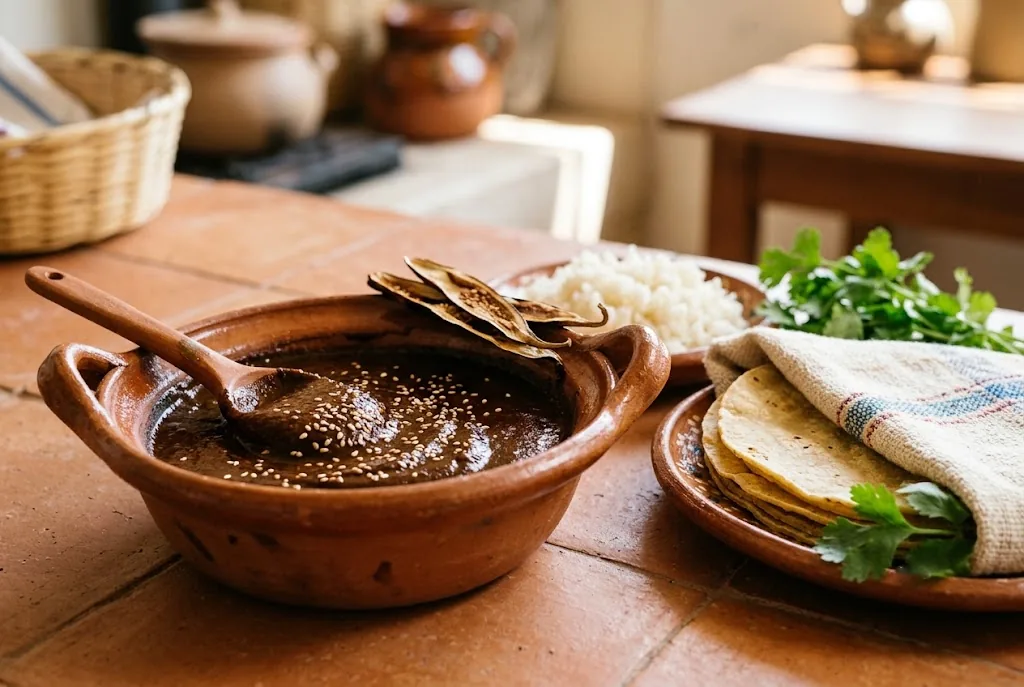
Pasilla works especially well in a layered mole, where its dark fruit character supports a sweeter dried poblano and a brighter red dried chili. It also suits bean dishes, braises, adobos, and a dark enchilada sauce. Add it as one part of a blend, then adjust salt and heat after simmering.
Growing the fresh pepper
Grow the fresh form as a warm-season pepper. Start seed indoors eight to ten weeks before the last expected frost. Pepper seed germinates best with steady warmth, around 80 to 85°F. Move seedlings outdoors only after frost danger has passed and the soil is thoroughly warm, ideally at least 65°F.
Give plants full sun, fertile well-drained soil, and consistent moisture while they flower and set fruit. Support taller plants with a stake or cage before the long pods begin to weigh down the branches. Space plants so foliage can dry after rain, and avoid excessive nitrogen, which can favor leaves over fruit.
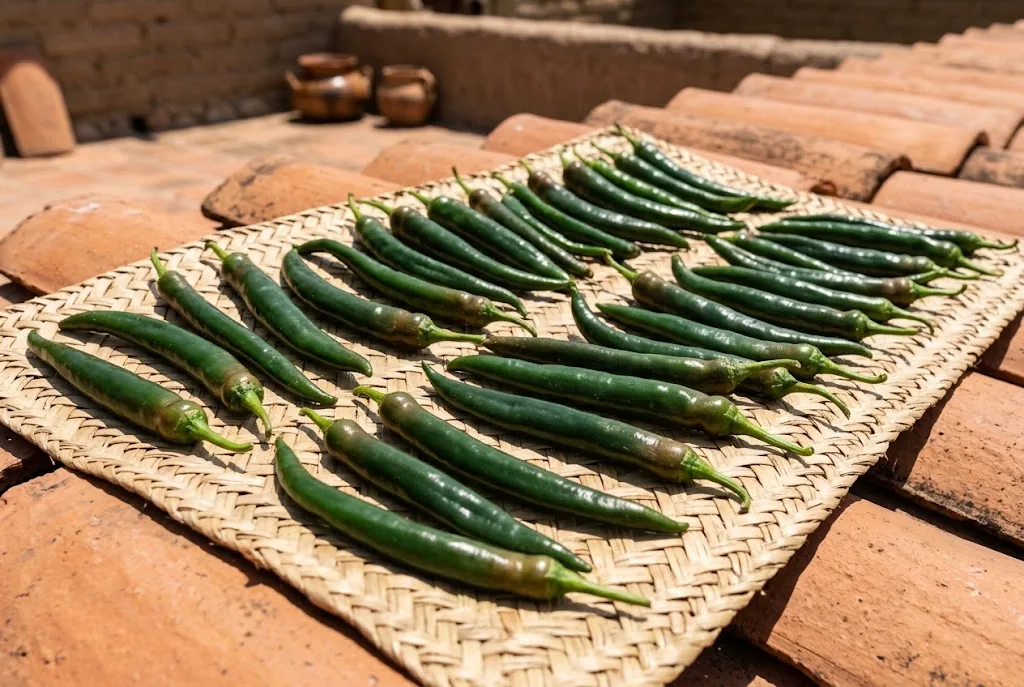
Pick green chilaca for fresh cooking when pods are full-sized, smooth, and glossy. To make dried pasilla at home, let mature pods begin to darken, then finish them on a clean screen in a warm, airy place. Drying time depends on humidity and airflow. The finished pod should be dry enough to store without any soft, damp, or moldy spots.
Buying and storing
Choose whole dried pods that are flexible rather than dusty, brittle, or sticky. Their color should be very dark brown to nearly black, with a fruity aroma and no musty smell. Store them airtight in a cool, dark cupboard. Freeze a well-sealed extra supply if you use them slowly.
Keep whole pods intact until you need them. Ground spice loses fragrance faster because more surface area meets air. A quick toast just before soaking or grinding restores aroma, but high heat can make a dried chili bitter, so use a moderate pan and stay nearby.
Pairing with other dried chilies
A classic three-chile pantry gives you useful contrast: dark pasilla for depth, ancho for sweet body, and guajillo for a brighter red-fruit note. Start with equal small pieces, blend, then alter the balance after tasting. For more context on the categories and cooking roles, explore the wider world of dried chilies.
Sources used for this profile
- University of Missouri Extension: Growing Sweet Peppers, for pepper germination temperature and transplant production.
- University of Maryland Extension: Growing Peppers in a Home Garden, for planting timing, soil warmth, spacing, sun, and maturity guidance.
- New Mexico State University Chile Pepper Institute: seed-starting instructions, for 80 to 85°F germination conditions.
Pasilla earns its pantry space because it does one specific job beautifully: it gives a dish dark, dried-fruit depth without taking over the heat. Buy whole pods, toast them gently, and let their flavor lead the blend.
