
Serrano peppers are among the most versatile and beloved chilies in world cuisine, delivering a crisp bite, vibrant herbaceous flavor, and an immediate punch of warmth. Belonging to the species Capsicum annuum, this fiery Mexican native is famous for its bright, grassy punch when green and rich, fruity complexity when red. While home cooks often compare them to jalapeños, serrano peppers offer a notably sharper sting and thinner skin that makes them ideal for raw preparations. For gardeners and cooks looking to explore the wider world of types of chili peppers, understanding this classic chili pepper provides a foundation for regional flavor and backyard cultivation.
Whether you want to harvest fresh pods from container pepper plants, blend a fiery table sauce, or preserve a seasonal glut, the serrano rewards minimal effort with abundant fruit. This comprehensive variety guide explores the geographical origin, botanical traits, Scoville heat rating, cultivation requirements, safe handling practices, and authentic kitchen techniques that define the classic serrano chili.
Origin and History of the Mexican Chili in Puebla and Hidalgo
The serrano chili is a Mexican pepper associated with the mountain regions of Puebla and Hidalgo. The name serrano comes from the Spanish sierra, meaning mountain range. Specifically, the variety took root in the high-altitude valleys and temperate slopes of the Mexican states of Puebla and Hidalgo. Today, growers value the variety for its firm, crisp pods and clean heat.
Centuries before European contact, indigenous communities cultivated ancestral landraces of Capsicum annuum across the central highlands. As Mexican culinary traditions coalesced, the serrano became a familiar fresh pepper in regional cooking. Unlike thicker cultivars that were dried or smoked over embers for long storage, cooks favored the fresh serrano for table salsas and chopped relishes. Today, while agricultural centers throughout Mexico and southwestern North America produce commercial harvests, the pepper remains closely associated with Puebla and Hidalgo.
Botanical Profile of the Serrano Plant and Pepper Varieties
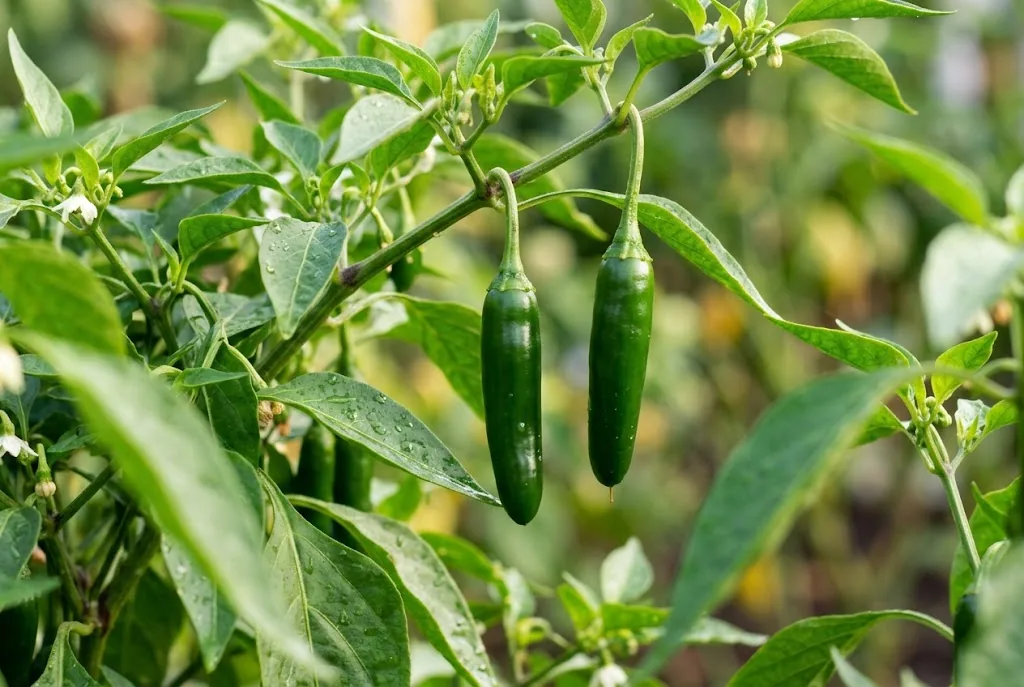
The serrano plant grows as a branching, semi-woody herbaceous perennial in warm zones, though home gardeners primarily treat it as a frost-tender annual. Reaching an average height of 60 to 90 centimeters (2 to 3 feet) with a similar spread, the bushy canopy features dark green, oval-to-lanceolate leaves often displaying fine, downy pubescence on young stems. In comparison with larger, sprawling hot pepper varieties, the upright structure makes it exceptionally suited for compact garden spaces and patio containers.
The distinctive fruit is a smooth, cylindrical pod with a blunt, conical tip, typically measuring 3 to 6 centimeters (about 1.2 to 2.4 inches) in length and 1 to 1.5 centimeters across. Botanically classified alongside familiar cultivars from sweet bell pepper to pungent cayenne, the serrano is notable for its firm flesh and comparatively thin exterior skin. Pods develop through several distinct color phases: starting as deep emerald green, shifting to mottled shades of amber and orange, and finishing as a vibrant, glossy scarlet red when fully ripe. Both green and red serranos are culinary staples, though red serrano pepper pods carry higher natural sugar content alongside their fiery bite.
Serrano Pepper Heat Level and Scoville Comparison
The heat level of serrano peppers typically ranges between 10,000 and 23,000 Scoville heat units (SHU). A University of California Cooperative Extension pepper guide gives the same range. Capsaicinoids concentrate in the white placental tissue, giving the pepper its quick, clean burn. Unlike superhot chinense chilies whose heat smolders slowly before rising, a serrano delivers an upfront spicy kick that dissipates cleanly without overwhelming other meal ingredients.
To put this pungency into context, a serrano is substantially hotter than a standard supermarket jalapeño. While our comprehensive profile on jalapeno peppers notes an average rating of 2,500 to 8,000 SHU, serranos are roughly two to five times hotter on average. The heat is direct and bracing, yet mild enough compared to habaneros that a cook can slice whole raw rings onto tacos without extinguishing subtle savory notes. Environmental factors influence ultimate spiciness: plants grown under warm temperatures and full sun with modest moisture stress routinely produce pods with concentrated capsaicin.
How to Grow Serrano Peppers from Seed to Harvest
Growing serrano peppers from seed requires patience during early spring and warm, steady conditions throughout the summer. Start serrano pepper seeds indoors 8 to 10 weeks before the final predicted spring frost date. Sow seeds 0.5 centimeters deep in sterile seed-starting mix, maintaining a soil temperature between 24 and 29 °C (75 and 85 °F) using a heating mat. Under optimal warmth, germination occurs within 8 to 14 days. Once seedlings show their first true leaves, provide 14 to 16 hours of daily illumination using bright grow lights or an unobstructed south-facing window.
Transplant young starts outdoors only after night temperatures stay reliably above 13 °C (55 °F). Choose a sunny location with at least 6 to 8 hours of direct sunlight. The plants thrive in warm climates and perform exceptionally well in raised beds amended with compost or in 5-gallon containers filled with well-draining, rich soil. Maintain consistent soil moisture; fluctuating watering patterns can trigger flower drop during early bloom or blossom-end rot during heavy fruit set. Plants reach their initial green harvest in 75 to 85 days from transplanting, with full color transformation requiring an additional 2 to 3 weeks.
Harvesting Methods and Fresh Handling

Knowing when to harvest depends on your intended culinary application. Pods are ready for picking as soon as they reach their mature size, feel firm to a gentle squeeze, and develop a glossy exterior sheen. While most commercial chilies are clipped when dark green, allowing pods to ripen from green to red on the vine yields a sweeter profile and complex aromatic depth. Always use clean garden snips or pruning shears to clip the fruit, leaving a 1-centimeter portion of stem attached to prevent fungal rot at the calyx.
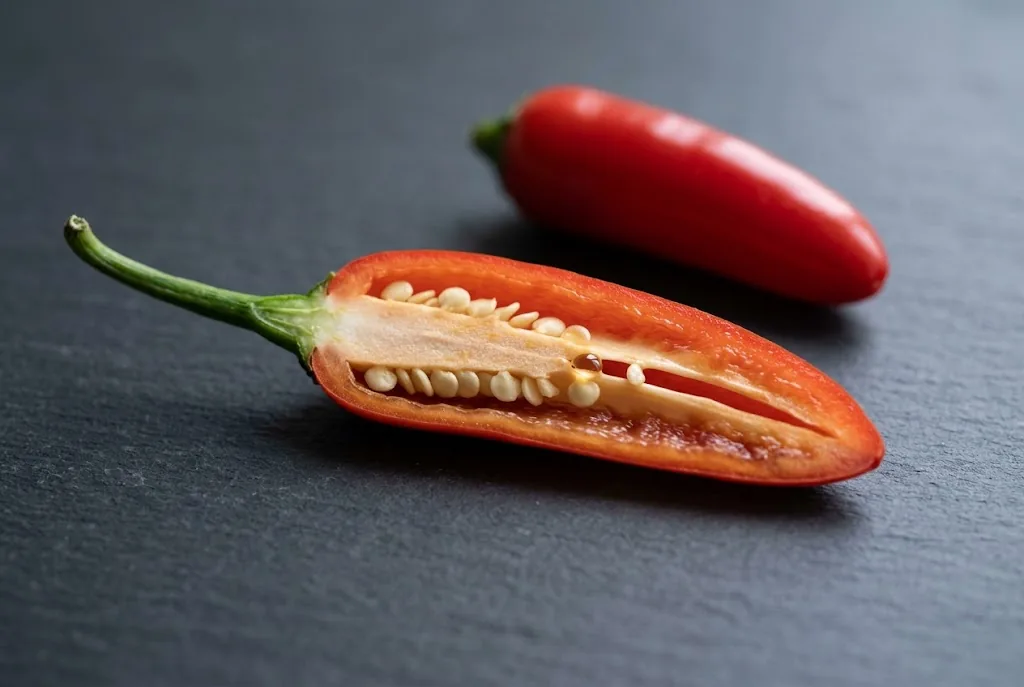
Kitchen safety is essential whenever prepping fresh serrano peppers. The placenta and internal ribs contain the highest concentration of capsaicin oil, which readily transfers to skin, knives, and cutting boards. Wear disposable nitrile gloves when slicing or chopping multiple pods, and never rub your eyes or mucous membranes during prep. If accidental skin contact causes an intense burning sensation, wash hands thoroughly with grease-cutting dish soap or rub with vegetable oil, which dissolves lipophilic capsaicin far more effectively than plain water.
Storing, Freezing and How to Pickle Serrano Chilies
Keep freshly picked, unwashed serranos in a breathable bag in the refrigerator and use them within about a week for the best texture. Because their flesh is significantly thicker than thin-walled cayenne or de árbol peppers, trying to air-dry whole serrano pods in humid climates often leads to mold before dehydration completes. Gardeners wishing to dry them should slice pods lengthwise or use an electric food dehydrator set to 52 °C (125 °F) until leathery and crisp.
Freezing provides an easy preservation route without altering pure heat. Simply wash, thoroughly dry, and arrange whole pods on a parchment-lined baking sheet until frozen solid before transferring them into airtight freezer bags. Another classic preservation method is to pickle whole or sliced pods in seasoned vinegar brine alongside onions and carrots. Pickled serrano rings deliver a tangy, bright acidity that enriches sandwiches and barbecue. You can also use chopped pods to make hot sauce from fresh chilies. If you ferment the sauce, follow a tested recipe for salt level and storage.
Culinary Uses: Salsas, Guacamole, Ceviche and Hot Sauce
In traditional Mexican cuisine, the serrano is the definitive workhorse pepper for fresh salsas, raw marinades, and braises. Its crisp cell structure holds up beautifully when diced raw into classic pico de gallo, where its vibrant heat balances juicy tomatoes, diced white onion, fresh cilantro, and a squeeze of lime juice. In chilled appetizers like shrimp ceviche, thin translucent wheels of serrano add necessary texture and a bracing contrast to tender seafood cured in citrus juice.
Beyond raw preparations, many traditional recipes roast the pods over an open flame or on a dry cast-iron comal. Blistered pods impart a smoky depth when pureed into a rich avocado guacamole or combined with charred tomatillos to create authentic salsa verde. In Southeast Asian kitchens, cooks also embrace serranos as a reliable substitute for Thai bird chilies in quick stir-fries and dipping sauces. From raw relishes to fiery homemade table condiments, this modest green pod delivers clean, uncompromised heat across diverse culinary traditions.
Classic Serrano Pepper Recipes: Salsa Verde and Fresh Table Sauce

Mastering serrano pepper recipes begins with traditional table condiments. For a classic cooked salsa recipe, simmer four husked tomatillos, two whole serrano peppers, and one peeled garlic clove in water until tender, about 8 to 10 minutes. Transfer the drained ingredients to a blender, add a pinch of sea salt, and pulse until smooth. Pour the warm salsa into a serving bowl; the natural pectin in the tomatillos creates a silky sauce that coats grilled meats and enchiladas.
For a fresh, uncooked table sauce, combine three finely minced serrano peppers with diced ripe Roma tomatoes, finely chopped white onion, a generous squeeze of fresh lime juice. Season with kosher salt and let the mixture rest for 15 minutes to allow the flavors to marry. The result is a vibrant, crunchy accompaniment that elevates simple tortilla chips, grilled skirt steak, or fried eggs with immediate, aromatic heat.
Frequently Asked Questions About Serrano Peppers
Are serrano peppers hotter than jalapeños?
Yes, serrano peppers are consistently hotter than jalapeños. Rated between 10,000 and 23,000 Scoville heat units, a serrano is typically two to five times hotter than an average jalapeño, with a faster, sharper heat spike.
Can you eat red serrano peppers?
Yes, red serranos are fully ripe pods that are entirely edible. They retain their characteristic heat while offering a sweeter, slightly fruitier undertone than unripe green pods, making them exceptional for hot sauces and cooked salsas.
Do you need to remove the seeds from serrano peppers before cooking?
Removing seeds is optional and depends on heat tolerance. While the seeds themselves contain relatively little capsaicin, they are coated in pungent oil from the adjacent white placental membrane. Scrape out the interior membrane and seeds with a small spoon if you desire a milder flavor.
Can you grow serrano peppers in containers?
Yes, serrano plants thrive in containers. A 5-gallon (19-liter) pot with drainage holes, filled with high-quality potting mix and placed in full sunlight, will support a productive, bushy plant throughout the growing season.
