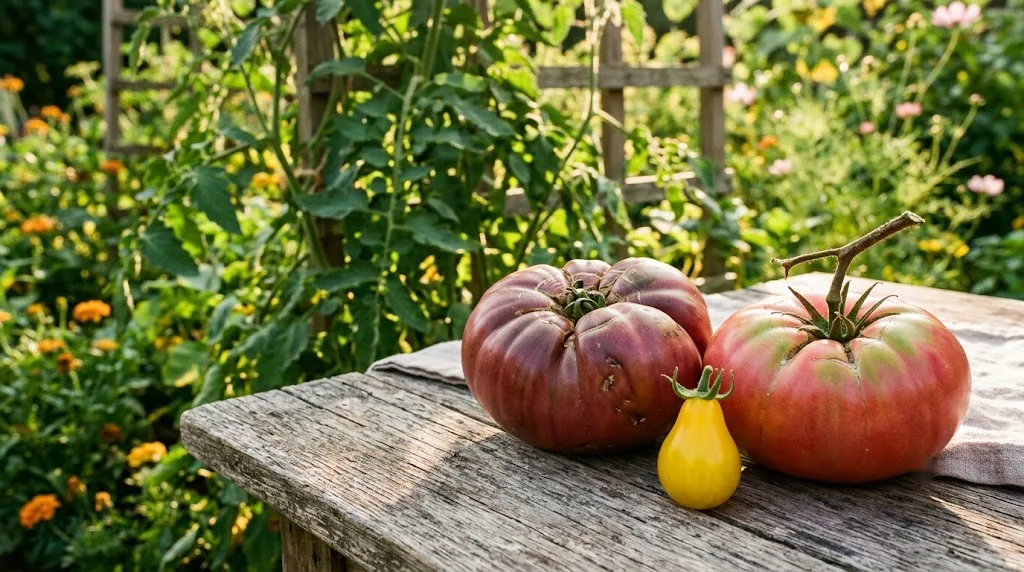
Some tomato names sound like a place, others like a color or a family story. Knowing how those names were chosen can make a seed catalog easier to read and help you separate a documented history from a good story that grew in the telling. The word itself has a much longer journey than any modern tomato variety.
For a broader overview of choosing and growing tomatoes, visit our guide to growing tomato plants.
Where the word tomato comes from
English tomato came through Spanish tomate, which traces to Nahuatl, a language spoken in central Mexico. In historical Nahuatl sources, tomatl could refer to tomato-like fruits used in stews and sauces; one dictionary notes that the large red tomato had the more specific name xitomatl. The words did not always divide plant types the way modern English names do, so a simple one-to-one translation can hide some of that history. A PeerJ study of sixteenth-century tomato records describes the Spanish adoption of tomatl as tomate; the University of Oregon’s Nahuatl dictionary documents the older usage and examples. The cultivated tomato is Solanum lycopersicum, a name you may see alongside familiar common names in seed catalogs.
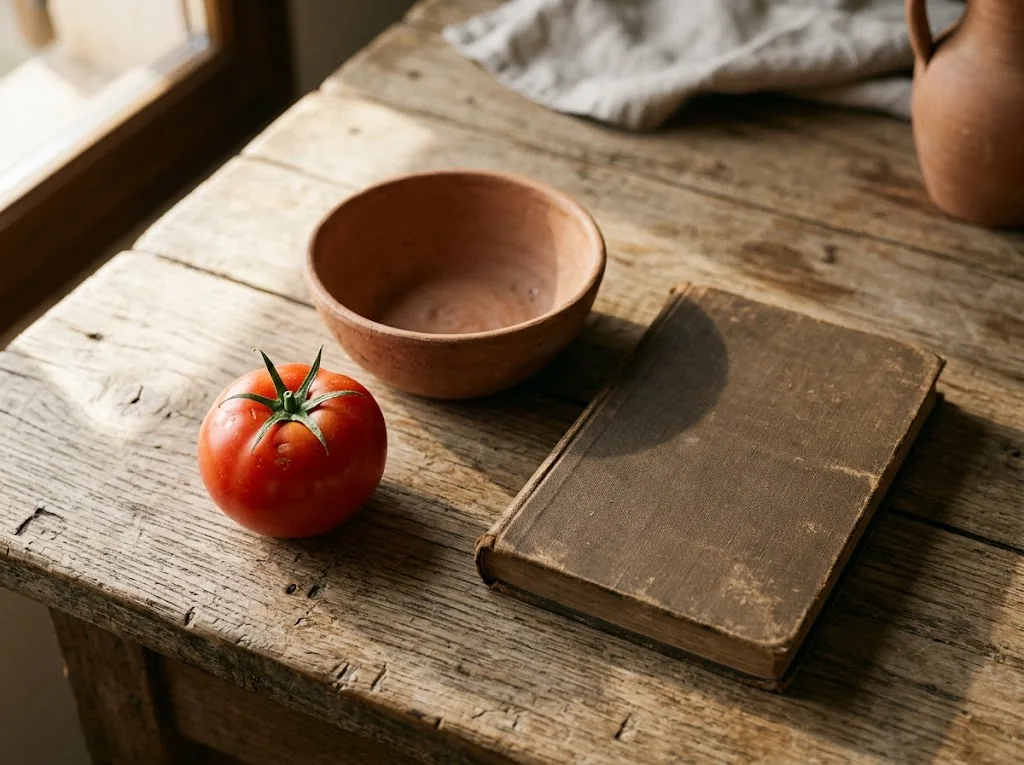
Italian took a different route. Pomodoro comes from pomo d’oro, meaning “golden apple,” as recorded in Italy’s Treccani dictionary. The phrase is a reminder that tomatoes were not always pictured as the familiar red fruit in today’s grocery aisle. Plant names travel with the people who grow and cook with them, and a word can keep an older impression alive long after the plant has spread.
Why tomato varieties have different kinds of names
A variety name may describe what someone sees, identify where a seed came from, recognize a person, or help a seed seller distinguish one selection from another. These names do not all have the same status. A cultivar name is the stable identity used for a particular cultivated plant, while a seed catalog may also use a selling name or synonym. Naming guidance based on the International Code of Nomenclature for Cultivated Plants says names should distinguish cultivars and avoid misleading people about identity or origin. The New Zealand Intellectual Property Office’s cultivar naming overview explains the difference between cultivar denominations and commercial synonyms.
For gardeners, the practical point is simple: treat a tomato name as a clue, then check the seed description for the traits that matter to your garden. “Cherry,” “paste,” “striped,” or “purple” can signal a fruit type or appearance, but the name alone does not guarantee flavor, disease resistance, size, or growing habit.
What a tomato label tells you beyond the name
A seed label often pairs a cultivar name with a useful tomato type. A cherry tomato is a small salad fruit; beefsteak describes large slicers; and paste tomato labels include Roma or plum types grown for thick-fleshed fruit used in sauce and processing. Those category words help you choose how to use the harvest, but they do not always explain the origin of a particular cultivar name. Iowa State University Extension groups tomato types by fruit shape and use, then lists named cultivars such as Brandywine, Cherokee Purple, Roma, and Yellow Pear. The word beefsteak describes a fruit type, not a promise that every tomato will be especially juicy or meaty.

Other words describe breeding history rather than appearance. “Hybrid” means a cross between selected parent plants; seed saved from a hybrid may not grow like the parent. “Heirloom” has no single universal definition, though the word often points to an open-pollinated tomato with a history of being passed along. Neither label is a flavor guarantee, so look for the variety description and growing traits too. Seed breeders choose names, but a label does not promise a high yield, a particular vine habit, or the date a fruit will ripen.
Some names also appear on food products with their own rules. The European Union protects the full designation “Pomodoro San Marzano dell’Agro Sarnese-Nocerino” for specified tomatoes produced from approved varieties in a defined area. A seed packet or menu that says “San Marzano” is not by itself proof that a canned product carries that protected designation. The EU publication explains the protected name and product specification.
Names that describe a tomato’s appearance
Many tomato names are easy to picture. Yellow Pear points to small, yellow, pear-shaped fruit. Green Zebra signals green fruit with contrasting stripes. Black Cherry combines a familiar fruit category with a darker color. These names work like short labels: they help a gardener remember a tomato’s look without replacing the fuller description on the packet.
Color words can be especially flexible. “Purple” tomatoes often appear dusky red, brown, or rose rather than having a uniform purple interior and skin. “Black” can describe a deep, shadowed color. A name may reflect how a particular grower sees the fruit, not a strict color standard, so compare a seller’s photos and description when appearance is important. If the names lead you to questions about the plants’ wild relatives, see our guide to wild tomatoes.
Heirloom names can carry a seed’s route
Some heirloom tomato names preserve a chain of people who selected, saved, and shared seed. Cherokee Purple is a useful example, with an important limit: its name is modern, while its earlier history comes from a reported family account. Seed Savers Exchange member Craig LeHoullier says he received unnamed purple tomato seed from J. D. Green of Tennessee and named the variety Cherokee Purple before introducing it through the exchange. The North Carolina Department of Agriculture recounts the older family story and the seed’s route to LeHoullier. The name records that account, but it should not be treated as proof of every detail in the seed’s older history. Seed Savers Exchange describes LeHoullier’s role, and North Carolina’s agriculture department recounts the earlier family story.
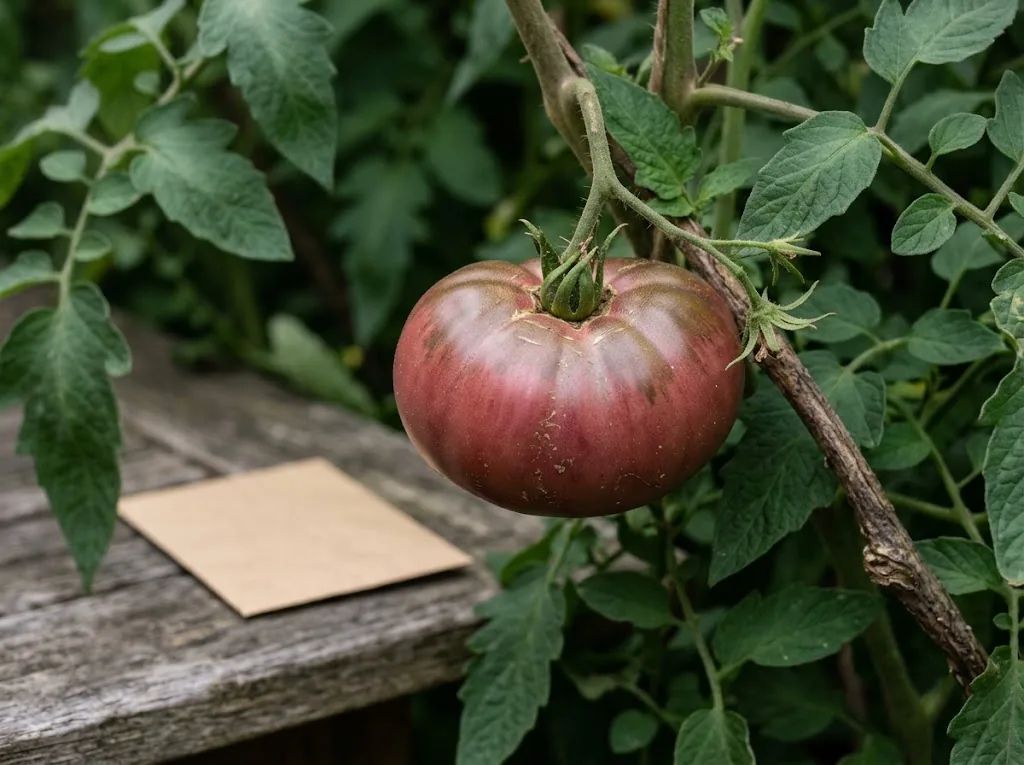
Brandywine is another name with a documented seed-trade history and a disputed backstory. Seed Savers Exchange says the original red Brandywine was introduced by Johnson and Stokes in 1889 from seed sent by an Ohio customer, and that it was named after Brandywine Creek in Pennsylvania. University of Arkansas Extension describes the early history as muddled. Other Brandywine selections are sold under the same broader name, so check whether a catalog means Red Brandywine, a pink strain, or another selection before you buy. For the wider story of how tomatoes moved between growers and seed savers, see our history of tomatoes. Arkansas Extension summarizes the uncertainty around the older account.
When a name tells a story about a person
Mortgage Lifter sounds like a tall tale, but West Virginia University Extension connects one well-known version to Marshall Cletis Byles, a Logan, West Virginia, grower nicknamed Radiator Charlie. The university describes his pink-to-red beefsteak tomato and the local story behind its memorable name. Seed catalogs can use “Mortgage Lifter” for more than one strain, so the name by itself does not establish that every packet traces to the same seed line. WVU Extension summarizes the Radiator Charlie story.
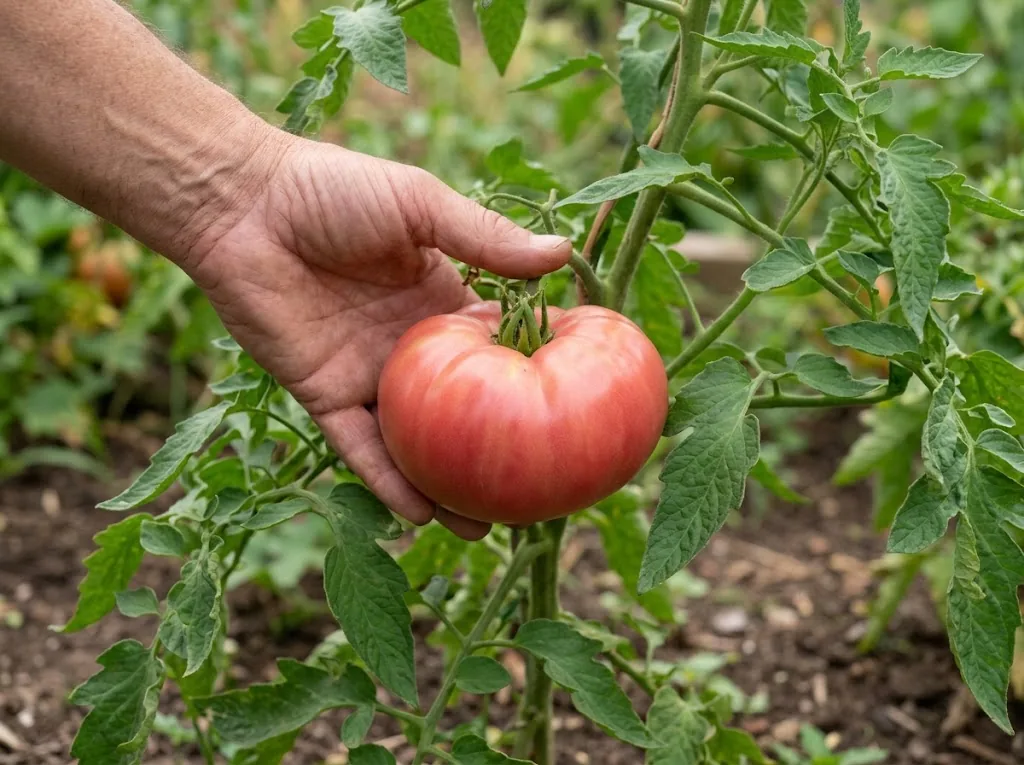
Names tied to a person, town, nation, or community deserve particular care. A name can preserve a genuine history, but it can also be repeated without its source. When a catalog makes a specific origin claim, look for a named seed saver, archive, breeder, or university source rather than relying on a short anecdote copied from another listing.
How new tomato varieties get named today
Breeders and introducers choose names for new cultivars. For formally protected varieties, a denomination may be reviewed to ensure it is distinct and not misleading. Seed companies may then sell the same cultivar under a brand, trade name, or commercial synonym. This is why one tomato can sometimes appear under more than one label, and why a catchy catalog name is not always the cultivar’s only name.
When comparing tomato varieties, read beyond the name. Check the stated fruit color and shape, whether the plant is determinate or indeterminate, the intended use, and any named resistance traits. If you save seed, keep the variety name with the seeds and note where the packet came from. A clear label protects the useful part of the story: knowing what you planted and what to expect next season.
What to remember about tomato names
Tomato names can preserve language, appearance, seed history, and a breeder’s choice. Some stories are well documented; others are uncertain or attached to only one strain. Use the name to start your search, then let a reliable variety description tell you what that tomato is likely to do in your garden.
