A warm cup of tea can be pleasant during a gout flare, but it is not a treatment for gout and has not been shown to lower uric acid reliably. Gout is an inflammatory arthritis caused by urate crystal deposits. It deserves medical assessment, especially when symptoms are new, severe, or changing.

This article looks at what tea can and cannot do, how it fits into a wider care plan, and when to get help. It does not recommend herbal tea, supplements, or “detox” plans as a substitute for medicines prescribed for gout.
What gout is
Gout occurs when monosodium urate crystals build up in and around joints. A flare can cause sudden, intense pain, warmth, redness, swelling, and limited movement. The big toe is a common site, but gout can affect the ankle, knee, wrist, elbow, or other joints. High blood urate is an important part of the condition, but a blood test, symptoms, and sometimes joint testing help clinicians make the diagnosis.

Many conditions can cause a painful, red, swollen joint. The National Institute of Arthritis and Musculoskeletal and Skin Diseases explains that gout treatment can include medicines for flares and medicines that lower urate for some people. Read NIAMS guidance on gout diagnosis and treatment.
What the evidence says about tea
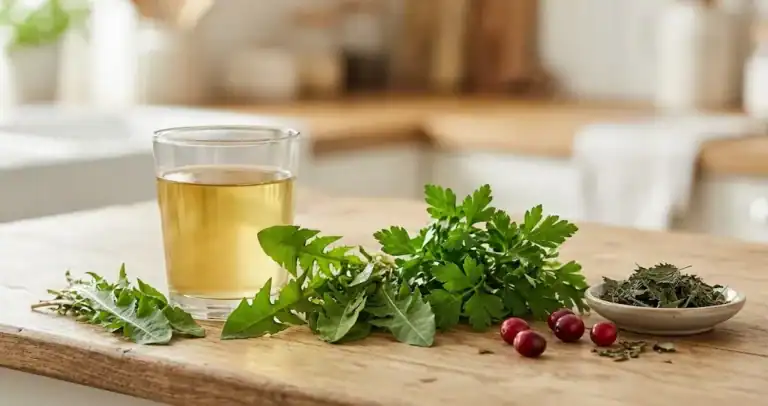
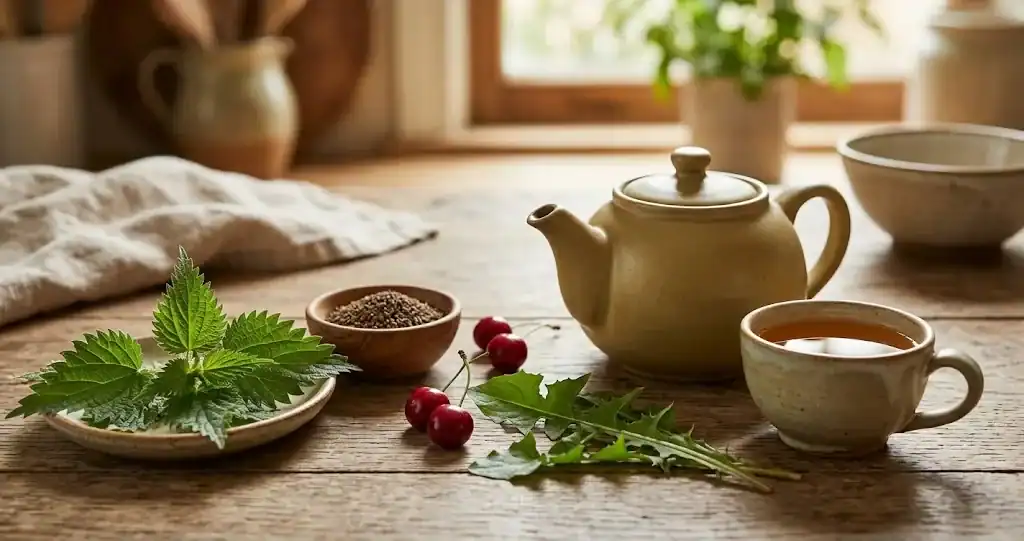
Claims that green tea, nettle, hibiscus, ginger, dandelion, or other herbal teas treat gout are not supported by strong clinical evidence. A systematic review and meta-analysis found no clear association between tea consumption and blood urate, hyperuricemia, or gout risk. The research was limited and largely observational, so it cannot establish that any tea prevents flares or controls urate. See the systematic review of tea consumption and gout outcomes.
Research on dietary supplements and diet patterns for gout is also mixed. A recent systematic review found inconsistent results and only modest benefits for selected interventions, with a need for stronger trials. That means a tea may be fine to enjoy for taste or comfort, but it should not be presented as a way to dissolve crystals, cleanse the kidneys, balance uric acid, or replace evidence-based care. Read the systematic review of diet and supplements for gout-related outcomes.
Popular teas and realistic expectations
Green tea is a caffeinated beverage, and ginger or hibiscus tea may be enjoyable choices if they agree with you. Nettle and dandelion are sold as herbal teas, but their popularity does not prove that they improve kidney function or remove excess urate. A diuretic effect is not a gout treatment, and some medicines that affect fluid balance can influence urate levels. Do not use an herbal tea to change a prescribed medicine or to manage a flare on your own.
Herbal products also vary in ingredients and strength. Tea bags and loose-leaf infusions are not equivalent to capsules, tinctures, extracts, or essential oils. Concentrated products can have different side effects and drug interactions. Tell a clinician or pharmacist about any herbal product you use regularly, especially if you have kidney disease, take a diuretic or anticoagulant, are pregnant or breastfeeding, or are preparing for surgery.
What helps manage gout
Gout management is individual. A clinician may prescribe anti-inflammatory treatment for a flare and urate-lowering medicine for prevention when appropriate. Do not stop, start, or adjust allopurinol, febuxostat, colchicine, anti-inflammatory medicine, or any other prescription based on advice about tea or supplements. Ask your prescriber how to manage medication during a flare and what your personal urate target should be.
Food and lifestyle choices can support overall health, but they do not replace medication for people who need it. Your care team may discuss body weight, alcohol, sugar-sweetened drinks, hydration, other health conditions, and medicines that can affect urate. A dietitian can help you make sustainable food changes without extreme restriction or unsupported “gout cleanse” plans.
Why diagnosis matters
It is tempting to label any pain in the big toe as gout, but diagnosis matters. Several conditions can cause joint pain and swelling, and the treatment can be different. A clinician may consider your history, examine the joint, order blood tests, or use other tests when the diagnosis is uncertain. A normal urate result during a flare does not always settle the question, so follow-up testing may be needed.
Gout also occurs alongside other health concerns for some people, including kidney disease, high blood pressure, diabetes, and heart disease. Those conditions affect which medicines and food changes are suitable. A tea recommendation from a friend, social post, or product label cannot account for those differences.
During a flare
Use the flare plan your clinician has provided. Resting the affected joint and protecting it from pressure may be more useful than trying multiple new drinks or supplements. If you want something warm to sip, ordinary tea is reasonable for many people, but it does not take the place of the medicine your clinician has advised. Avoid alcohol if your care team has advised that it is a trigger for you.
Do not assume that a flare is harmless because you have had gout before. Call for advice if the pattern is different, the pain is severe, you cannot bear weight, or you feel feverish or generally ill. Prompt assessment matters because an infection in a joint requires different, urgent care.
Questions worth taking to an appointment
- Could this be gout, or does the joint need testing for another cause?
- What should I do at the first sign of a flare?
- Do any of my current medicines affect urate or interact with herbal products?
- Would urate-lowering treatment help prevent future flares or complications?
- Which food and drink changes are realistic and relevant for my health history?
A short list helps turn a difficult appointment into a practical plan. It also makes clear that you are looking for guidance rather than trying to manage a painful condition alone.
Choosing products carefully
“Herbal” and “natural” are marketing descriptions, not evidence that a product is safe or effective. Labels may list several herbs, sweeteners, caffeine, or other ingredients. The amount of an herb in a tea can differ from one product to another, and a product sold as a tea may be very different from a similarly named extract or supplement.
Look for a complete ingredient list and avoid products that promise to cure gout, dissolve crystals, eliminate uric acid, or let you stop prescription treatment. Those claims are a warning sign. If an ingredient is unfamiliar, ask a pharmacist before using it. Stop a product and seek advice if it causes a rash, swelling, trouble breathing, severe stomach symptoms, or another unexpected reaction.
Keeping the plan sustainable
Long-term gout care works best when the plan fits your everyday life. A clinician can help you decide whether preventive treatment is needed and monitor it over time. If food or alcohol seems to trigger flares, keep a simple record rather than cutting out many foods at once. A dietitian can help prevent unnecessary restrictions, particularly if you also manage kidney disease, diabetes, or another condition.
Sleep, movement, and regular meals matter for general health, but none is a quick fix for an acute flare. Start gentle activity again when the joint is comfortable enough and follow advice tailored to your health. The goal is not a perfect “gout diet.” It is a reliable plan that lowers the chance of future problems without adding unsafe remedies or avoidable stress.
Sharing a full list of medicines, over-the-counter pain relievers, vitamins, and herbal products gives your care team the information needed to check for interactions. This is especially important when several clinicians are involved in your care. Keep the list updated after each new prescription, supplement, or change in dose.
For many people, a favorite tea remains part of a comforting daily routine. Enjoy it for that purpose, keep expectations modest, and rely on qualified medical advice for decisions about gout treatment and prevention. That approach puts safety before marketing claims and internet anecdotes.
A practical role for tea
If you enjoy tea, use it as one ordinary beverage within your usual fluid intake. Choose a product with a clear ingredient label, prepare it as directed, and avoid making it unusually strong to chase a health effect. Plain water is also a good choice. If caffeine worsens sleep, anxiety, palpitations, or stomach upset, choose decaffeinated tea or another drink.
- Keep a note of flare dates, affected joints, medicines, and possible triggers to discuss at appointments.
- Bring the label or a photo of any tea, supplement, or extract you use to your next visit.
- Ask before using a new herb if you have kidney disease, take blood thinners or diuretics, or are pregnant or breastfeeding.
- Do not use supplements marketed as uric-acid “detoxes” or natural cures in place of medical care.
When to seek medical care
Seek urgent medical assessment for a first painful, hot, red, swollen joint, fever or feeling unwell with joint symptoms, severe pain, or symptoms that worsen quickly. Septic arthritis can look similar to gout and needs urgent treatment. NICE specifically recommends assessing a painful, red, swollen joint for septic arthritis as well as gout and other causes. Read the NICE gout diagnosis and management recommendations.
Contact a clinician if flares are frequent, pain is not improving, you have tophi or kidney stones, or gout is interfering with sleep, work, walking, or daily tasks. Tea can be comforting, but getting a diagnosis and a personalized plan is the safer way to protect your joints and overall health.