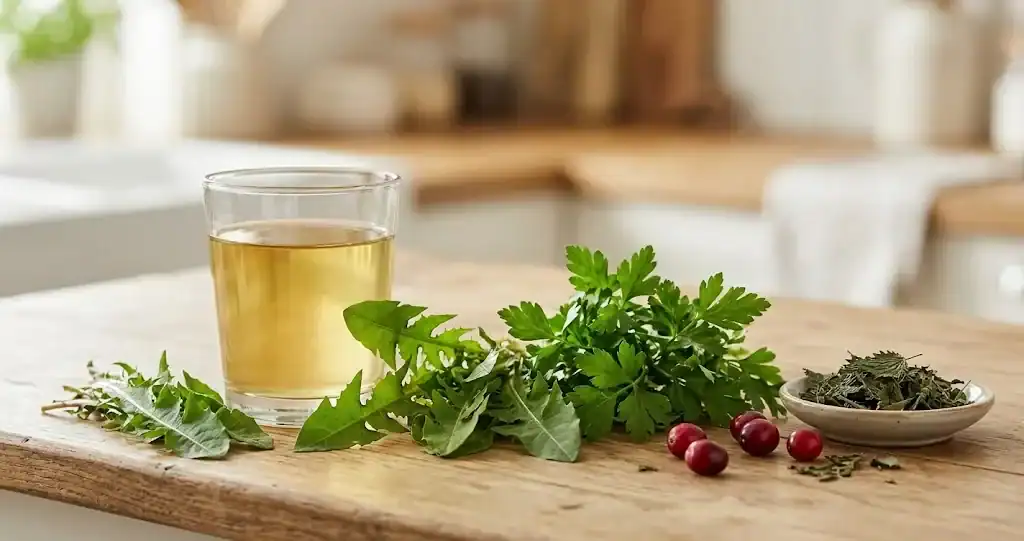
“Kidney cleanse” products often promise to flush toxins, prevent stones, or restore kidney function. Those promises go beyond the evidence. Healthy kidneys already filter waste and extra fluid from the blood. When kidney function is impaired, a tea, juice fast, or supplement is not a substitute for medical evaluation or treatment.

What people mean by a kidney cleanse
A kidney cleanse usually means a short-term plan involving large amounts of water or tea, juices, fasting, laxatives, or herbal supplements. These programs are marketed as a way to remove toxins. The National Center for Complementary and Integrative Health reports that there is no compelling research showing detox diets eliminate toxins, and that some programs can be unsafe.
Kidneys do important work every day. They filter blood, remove waste and extra fluid, help balance electrolytes, and contribute to blood-pressure control. If you are concerned about kidney health, blood and urine tests are more useful than watching urine color, energy levels, or how often you urinate. Early chronic kidney disease often has no symptoms.

Do you need to detox your kidneys?
No home cleanse has been shown to clean the kidneys or reverse kidney disease. Fasting, drinking only juice, taking laxatives, or drinking excessive water or herbal tea can cause dehydration or dangerous electrolyte changes. These risks can be greater for people with kidney disease, heart disease, diabetes, swelling, or a prescribed fluid limit.
If you have diabetes, high blood pressure, heart disease, a family history of kidney failure, recurrent stones, or an abnormal kidney test, ask a health professional about appropriate screening and a personal care plan. The NIDDK explains kidney-disease testing and why symptoms alone cannot determine kidney function.

Everyday habits that support kidney health
Kidney care is usually less dramatic and more useful than a cleanse. Follow the treatment plan for diabetes or high blood pressure, take prescribed medicines as directed, avoid smoking, stay physically active if you can, and discuss a realistic eating pattern with your clinician or dietitian. The right fluid amount depends on your health. Do not force fluids if you have been told to limit them.
- Keep regular medical and dental appointments.
- Bring a full list of medicines, vitamins, teas, and supplements to appointments.
- Ask before using ibuprofen, naproxen, or other nonsteroidal anti-inflammatory drugs regularly, especially if you have kidney disease, diabetes, or high blood pressure.
- Seek individual advice before making a major diet change for kidney stones. Stone prevention depends on the type of stone.
The NIDDK guide to managing chronic kidney disease recommends working with a health care team on blood pressure, blood glucose, medicines, diet, and monitoring.
Foods, herbs, and kidney health
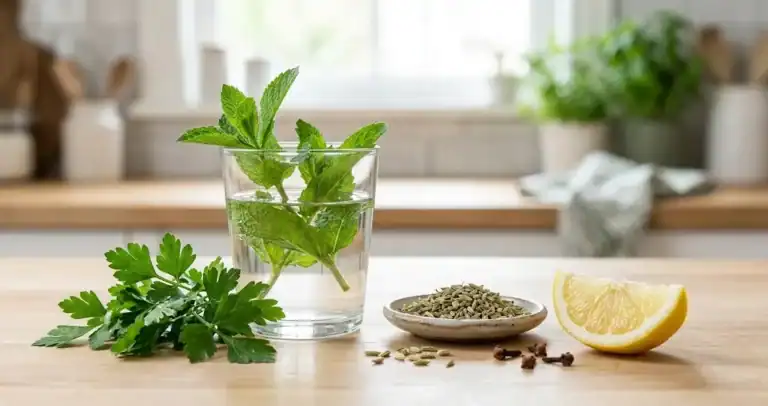
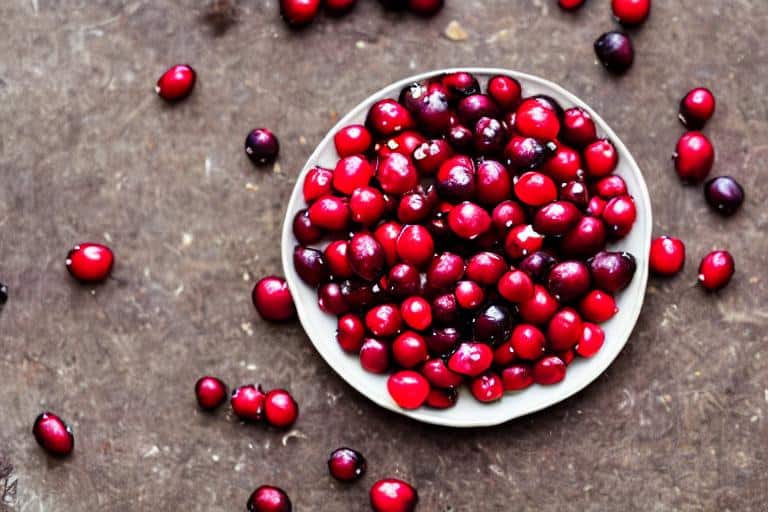
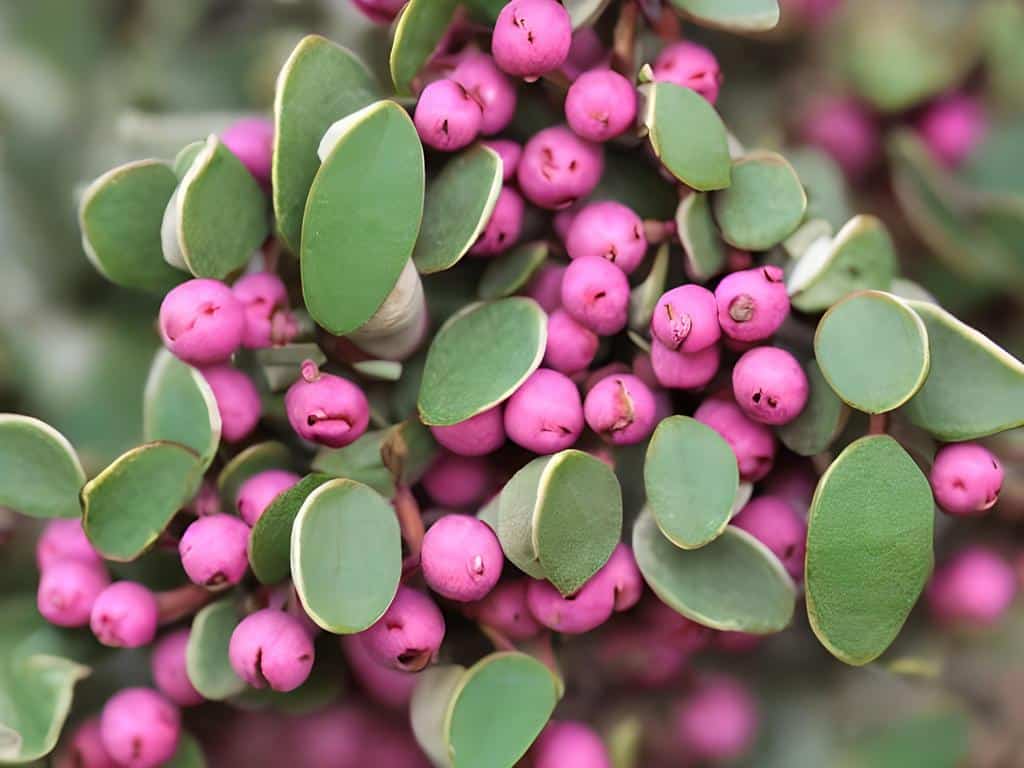
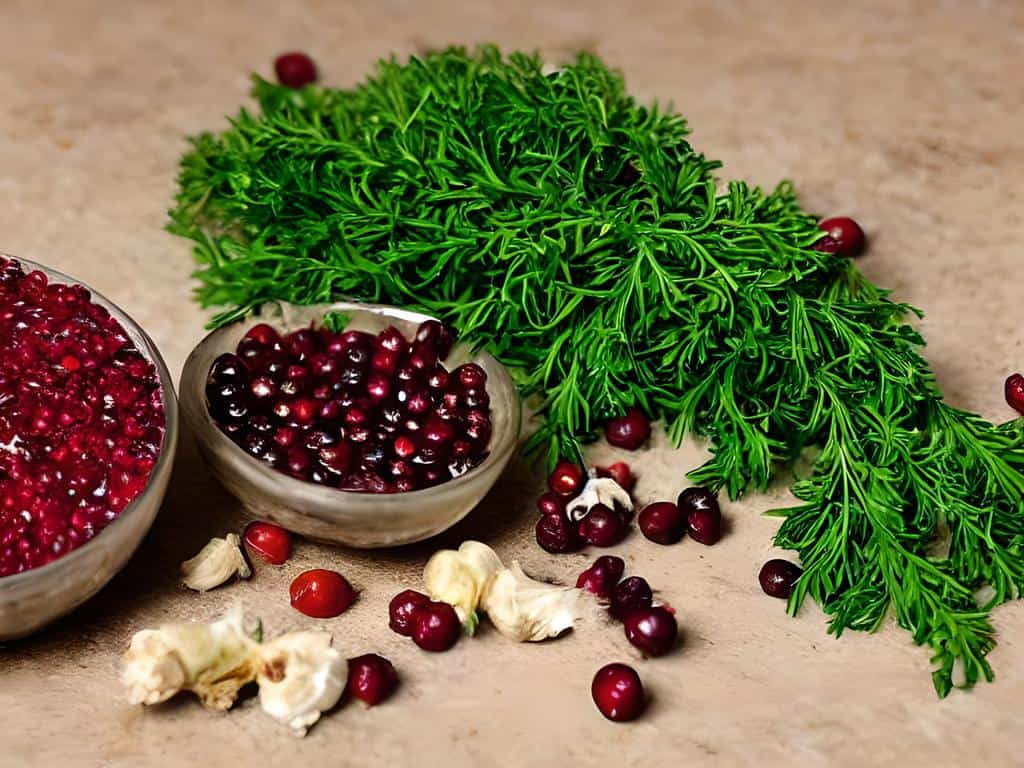
Foods such as cranberries, parsley, ginger, turmeric, garlic, and celery root can be enjoyable parts of meals. That does not make them kidney cleansers or treatments for kidney disease, urinary tract infections, or stones. Research on extracts, animals, or laboratory systems cannot establish that a food or tea treats a kidney condition in people.
Cranberries are food, not a treatment for an active urinary tract infection. Painful urination, fever, flank pain, vomiting, blood in the urine, or pregnancy with urinary symptoms need prompt medical advice. Do not delay care while trying cranberry products or herbal remedies.

Dandelion, juniper, parsley, and other plants are sometimes described as diuretics. Increased urination does not prove toxins are being removed or that kidney function is improving. Diuretic herbs and concentrated preparations can be a poor fit for people who take diuretic medicines, have kidney disease, have electrolyte problems, or need to control fluid intake.

Why supplements need extra caution
“Natural” does not automatically mean safe. Herbal supplements can interact with prescription medicines, contain contaminants, vary from batch to batch, or build up when kidney function is reduced. The National Kidney Foundation advises people with kidney disease to discuss supplements with their care team before taking them.
Do not use juniper, uva ursi, marshmallow root, dandelion extracts, or multi-herb detox blends to self-treat a kidney problem. Uva ursi is sometimes promoted for urinary symptoms, but it is not a substitute for diagnosis or antibiotics when those are needed. Take the bottle or a clear photo of the label to a pharmacist or clinician, especially if you are pregnant or breastfeeding, have kidney or liver disease, take prescription medicines, or have had a transplant.



Cooking with herbs is different from taking extracts
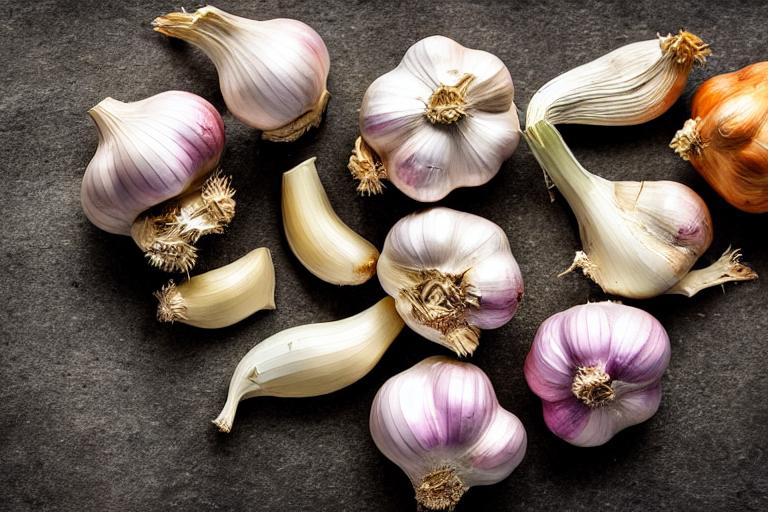
Using garlic, ginger, turmeric, parsley, or cranberries in ordinary food is different from taking capsules, tinctures, powders, or concentrated teas. Food portions are generally easier to fit into a balanced diet, but even food choices may need adjustment for people with kidney disease, potassium restrictions, diabetes, allergies, or a stone-prevention plan.
Turmeric and ginger can add flavor to soups, vegetables, grains, and sauces. Garlic and parsley can make lower-sodium meals more satisfying. These are culinary uses, not evidence that the foods detoxify the kidneys or replace care for a diagnosed condition.

Kidney stones need individualized advice
Kidney stones have different causes. Drinking enough fluid may be part of a prevention plan for some people, but the amount and diet advice should match your stone type, urine findings, kidney function, other conditions, and medications. High-dose vitamin C, mineral supplements, and some herbal products can affect stone risk. The National Kidney Foundation’s stone-prevention guidance recommends asking before starting supplements or a strict diet.
Get urgent care for severe side or back pain, fever or chills with urinary symptoms, vomiting that prevents fluids, visible blood in the urine, inability to urinate, or pain during pregnancy. These symptoms may need prompt testing and treatment.
How kidney health is checked
A clinician may use blood tests, urine tests, blood-pressure readings, medical history, and imaging when needed. An increase in urination, a cleanse-related change in weight, or a temporary boost in energy is not evidence that a kidney is healing. Ask what your test results mean and when they should be repeated.
People with chronic kidney disease should not start a detox plan without their health care team. Managing blood pressure and diabetes, taking medicines as prescribed, and reviewing every supplement can do far more for long-term kidney health than an unproven cleanse.


The bottom line
You do not need a kidney cleanse to remove toxins. Choose ordinary food, evidence-based care, and individual medical advice over fasting, juice-only plans, laxatives, or unverified herbal products. If you are considering a supplement, ask a pharmacist or clinician to review the exact product and your medicines first.