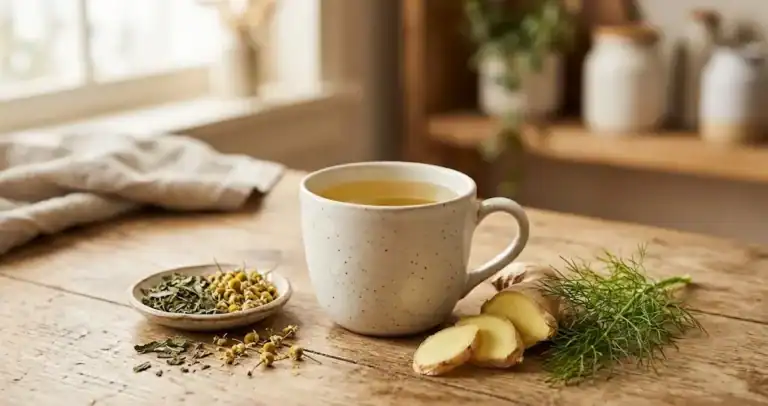
Tea can be a comforting part of a routine, but it is not a treatment for uterine fibroids. If fibroids are causing heavy bleeding, pelvic pain, pressure, anemia, fertility concerns, or symptoms that disrupt daily life, talk with an ob-gyn or other qualified clinician about the options that fit your situation.
This guide explains what is known about five popular teas, what is not known, and when it is worth getting medical advice. No herbal tea has been shown to shrink fibroids or replace medical evaluation and treatment.

What are uterine fibroids?
Uterine fibroids, also called leiomyomas, are noncancerous growths that arise from the muscle of the uterus. They vary widely in number, size, and location. Some people have no symptoms, while others have heavy or painful periods, pelvic pressure, pain, bladder or bowel symptoms, anemia, or fertility and pregnancy concerns. The American College of Obstetricians and Gynecologists explains fibroid symptoms, diagnosis, and treatment options.
Fibroids are common, and the right next step depends on symptoms, the size and location of the fibroids, and pregnancy plans. A clinician can help distinguish fibroid symptoms from other conditions and discuss monitoring, medication, procedures, or surgery when needed.
Can tea shrink fibroids?
There is not good evidence that drinking herbal tea shrinks fibroids. A Cochrane review of herbal preparations for uterine fibroids found that the available trials were generally small and of low quality, so the findings were too uncertain to support herbal remedies as fibroid treatment. Read the Cochrane review of herbal preparations for uterine fibroids.
That does not mean you have to avoid a cup of tea you enjoy. It means it is best to keep expectations realistic. Choose tea for taste, warmth, hydration, or a calming ritual, not as a way to treat fibroids, control bleeding, or alter hormone levels.

Food, lifestyle, and fibroid care
Regular meals, movement, sleep, and stress-management practices can support general health, but they do not reliably shrink fibroids. Avoiding a particular food or taking supplements is not a substitute for a treatment plan. If heavy bleeding has left you tired, short of breath, dizzy, or concerned about anemia, seek medical advice rather than trying to manage it with tea or diet alone.

Five teas to know about
The teas below are often discussed online in connection with fibroids. Their traditional use or popularity does not establish that they relieve fibroid symptoms. Check with a pharmacist or clinician before using any herb regularly if you are pregnant, breastfeeding, preparing for surgery, have a chronic condition, or take prescription medicines.

1. Dong quai tea
Dong quai is used in traditional Chinese medicine, but that traditional use is not proof that it treats fibroids or regulates hormones. Because herbal products can vary in strength and can interact with medicines, do not use dong quai to self-treat heavy bleeding, pelvic pain, or a diagnosed fibroid. Ask a qualified clinician or pharmacist whether it is appropriate for you.

2. Red raspberry leaf tea
Red raspberry leaf tea is a traditional herbal drink. There is not reliable evidence that it reduces fibroid-related bleeding, pain, or fibroid size. If you have unusually heavy periods or bleeding between periods, arrange medical assessment instead of relying on an herbal tea. This is especially important during pregnancy or when trying to conceive.

3. Chamomile tea
For many adults, chamomile tea can be an enjoyable caffeine-free drink. It has not been shown to treat fibroids or reduce fibroid growth. Chamomile can trigger allergic reactions in people sensitive to related plants such as ragweed, chrysanthemums, marigolds, or daisies, and it may interact with some medicines, including warfarin. See the NCCIH overview of chamomile safety and interactions.

4. Burdock root tea
Burdock root tea is sometimes sold as a wellness or traditional herbal drink. Claims that it detoxifies the body, balances hormones, or reduces fibroids are not supported by good clinical evidence. If you choose to drink it, keep it separate from decisions about medical care and tell your clinician about any herbs or supplements you use.

5. Green tea
A small clinical study examined a concentrated green tea extract, not ordinary brewed green tea. That early result does not show that drinking green tea treats or shrinks fibroids, and concentrated extracts have different risks from a beverage. The National Center for Complementary and Integrative Health notes that green tea as a beverage has no reported safety concerns for adults, while green tea extracts have been linked to uncommon liver injury and can interact with medicines. Read the NCCIH guidance on green tea safety.
Green tea contains caffeine. If caffeine worsens anxiety, sleep problems, palpitations, or stomach upset, choose decaffeinated tea or another drink. If you are pregnant or breastfeeding, ask your clinician about a suitable caffeine intake.
How to use tea safely
Choose a plainly labeled tea from a reputable seller and follow the package directions. A brewed tea and a capsule, tincture, extract, or essential oil are not interchangeable. Concentrated products can deliver much larger amounts of plant compounds, and their safety and interactions may be different from a typical cup of tea.
Bring the package or a photo of its ingredient list to appointments if you use an herbal product often. This helps your care team check for possible interactions and avoids confusion when several products contain similar herbs. Do not increase the strength or frequency of a tea because symptoms are persistent, and do not use it in place of medicine a clinician has prescribed.
Stop using a tea and seek advice if it seems to cause a rash, swelling, trouble breathing, severe stomach symptoms, or another unexpected reaction. Keep in mind that “natural” describes an ingredient’s origin, not a guarantee of safety or effectiveness. Store teas away from children and follow any food-safety instructions on the package. Do not share a personal treatment plan with another person.
Questions to discuss with your clinician
It can help to write down when bleeding, pain, pressure, or urinary symptoms occur, how long they last, and how they affect work, sleep, or daily activities. Ask whether testing is needed, whether blood loss could be contributing to anemia, and which treatment options fit your goals. If future pregnancy matters to you, say so early because it can shape the choices your clinician recommends.
When to seek medical care
Contact a clinician for heavy or painful periods, bleeding between periods, worsening pelvic pain or pressure, problems with urination or bowel movements, symptoms of anemia, or fertility concerns. Seek urgent care for severe or rapidly worsening pain, fainting, severe weakness, or heavy bleeding that feels unmanageable. Tea can be part of a comforting routine, but it should not delay evaluation of concerning symptoms.