If you ask any home chef about their pantry staples, you’re bound to get a list of common herbs and spices. But ask about fenugreek and you might get a confused look. This humble little spice is often overlooked, but it deserves a spot in your spice rack. Fenugreek is native to the Mediterranean and has been used in traditional dishes for centuries. The seeds have a nutty flavor that pairs well with savory dishes. Fenugreek is a key ingredient in Indian cuisine, and is often used to make curries and masalas. But fenugreek is more than just a culinary spice. It’s also been used for medicinal purposes. Fenugreek has been shown to lower blood sugar levels and cholesterol, and it’s also a natural digestive aid. So next time you’re at the grocery store, pick up a bottle of fenugreek and give it a try. You might be surprised by how
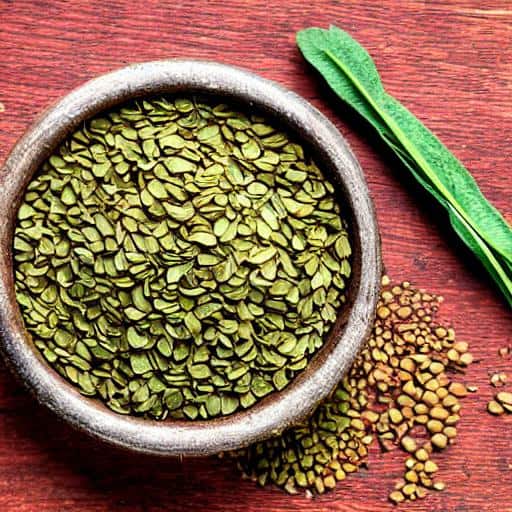
What is Fenugreek Exactly?
Fenugreek is a spice that is often used in Indian cuisine. It has a strong, unique flavor that can be a bit overpowering for some people. If you’re looking for a new spice to try, fenugreek is a great choice. Just be sure to start with a small amount, as it can be quite strong.
What does Fenugreek Taste like?
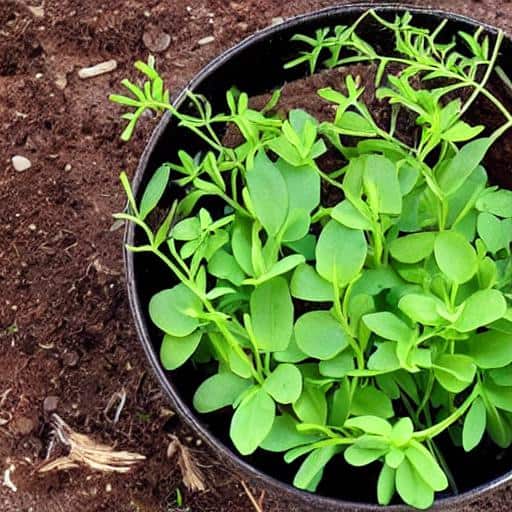
Fenugreek has a strong, distinctive flavor that is somewhat difficult to describe. It is often described as being nutty, earthy, and slightly sweet. It also has a bit of a bitter edge to it. Fenugreek is commonly used in Indian and Middle Eastern cuisine, and it can be used in both sweet and savory dishes.
If you’ve never tried fenugreek before, it can be a bit of an acquired taste. But once you get used to it, you’ll find that it’s a great way to add depth and flavor to many different kinds of recipes. So if you’re looking for a new spice to try, don’t forget about fenugreek!
Fenugreek: The Forgotten Spice
fenugreek is a plant that is native to the Mediterranean region. The plant is used to make a number of different foods, including curry powder and pickles. Fenugreek is also used as a spice in many different cuisines.
The fenugreek plant is a small, annual herb that is a member of the pea family. The plant has small, yellow flowers and triangular shaped leaves. Fenugreek is grown in many different parts of the world, including India, Egypt, and the Middle East.
The seeds of the fenugreek plant are used to make a number of different foods. Fenugreek seeds can be used to make a spice known as fenugreek powder. Fenugreek powder is used in many different curries and other Indian dishes. The seeds can also be used to make a sweet syrup known as methi. Methi is used in a number of Indian desserts.
Fenugreek leaves can also be used to make a number of different dishes. The leaves have a slightly bitter taste and are often used in curries. Fenugreek leaves can also be used to make a type of flatbread known as methi roti.
The Many Benefits of Fenugreek
Fenugreek is a spice with a host of benefits. Fenugreek is rich in vitamins and minerals, including iron, magnesium, and manganese. It also contains fiber, protein, and antioxidants. Fenugreek has been used traditionally to treat digestive issues, respiratory problems, and menstrual cramps. It has also been shown to lower blood sugar levels, cholesterol, and triglycerides. Fenugreek is a versatile spice that can be used in many different dishes. Try adding it to stews, curries, or vegetable dishes for a flavorful boost.
Fenugreek as a Digestive Aid
If you’re looking for a natural way to improve your digestion, you might want to try fenugreek, which has been used for centuries as a digestive aid, and recent studies have shown that it can be effective in treating various digestive disorders.
The active ingredient in fenugreek is thought to be galactomannan, a type of fiber that is water-soluble. This type of fiber is important for maintaining a healthy digestive system. Soluble fiber helps to keep the intestines clean and helps to move food through the digestive system.
Fenugreek is available in several forms, including capsules, tinctures, and teas. It can also be found in some natural, health food stores.
If you’re considering taking fenugreek for digestive purposes, talk to your doctor first. While fenugreek is generally safe, it can cause some side effects
Fenugreek for Weight Loss
Weight loss is a hot topic these days, with everyone looking for the magic bullet that will help them slim down. Fenugreek is a forgotten spice that may be able to help with weight loss. What is fenugreek? Fenugreek is a plant that is native to India and has been used in Indian cuisine and traditional medicine for centuries. The seeds of the fenugreek plant are used to make a spice that has a slightly bitter taste. Fenugreek has a long history of use as a folk remedy for various ailments, including indigestion, constipation, diarrhea, and cholesterol. Fenugreek is also sometimes taken as a supplement to increase milk production in breastfeeding mothers.
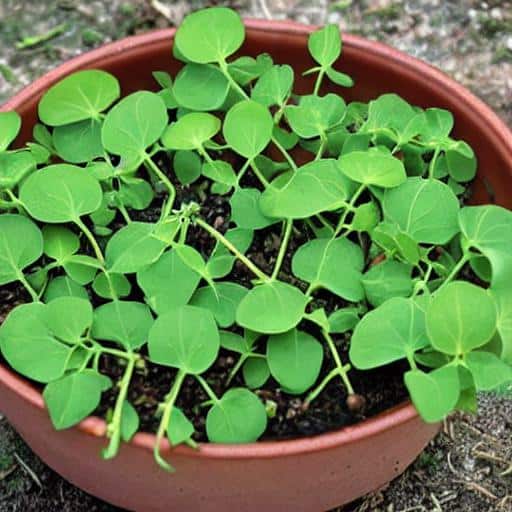
There is some evidence to suggest that fenugreek may help with weight loss. One study found that fenugreek extract was able to decrease body fat percentage and increase lean body mass in rats. Another study found that fenugreek supplementation was associated with decreased appetite and increased fullness in human participants. Fenugreek may work by reducing appetite and increasing fullness, which could lead to reduced calorie intake and weight loss over time.
Fenugreek for Diabetes
Fenugreek has been shown to help lower blood sugar levels in both type 1 and type 2 diabetes. It does this by increasing the amount of insulin in the body and delaying the absorption of sugar in the intestines. Fenugreek can also help lower cholesterol and triglyceride levels.
If you are interested in using fenugreek to treat your diabetes, speak to your doctor first. Fenugreek can interact with certain medications, so it is important to get the all-clear from your doctor before using it.
Fenugreek for Inflammation
Fenugreek has powerful anti-inflammatory properties. Its unique mixture of compounds makes it a potent natural remedy for inflammatory conditions like arthritis, Crohn’s disease, and ulcerative colitis. Fenugreek is also high in fiber, which can help to regulate the digestive system and reduce inflammation throughout the body. While more research is needed to confirm its efficacy, there is no doubt that fenugreek is a powerful spice with potential health benefits.
Fenugreek for Menstrual Cramps
Fenugreek has been used for centuries in traditional medicine to help alleviate a variety of health problems, including menstrual cramps. This spice contains compounds that can help to relax the muscles and reduce inflammation, making it a great natural remedy for cramps. If you’re suffering from cramps, try sipping on a cup of fenugreek tea or taking a supplement to help ease your pain.
Fenugreek for Skin Health
Recent studies have shown that fenugreek can be effective in treating skin conditions like eczema and psoriasis. Fenugreek seeds contain a compound called trigonelline, which has anti-inflammatory and antibacterial properties. These properties make fenugreek an ideal natural treatment for skin conditions.
If you suffer from eczema or psoriasis, try adding some fenugreek to your diet. You can find fenugreek seeds at most health food stores. Add them to curries, soups, or simply roast them and sprinkle them on top of salads. You can also make a paste out of the seeds and apply it directly to your skin.
So don’t forget about fenugreek the next time you’re looking for a natural way to treat your skin condition. This versatile spice can do wonders for your skin!
Fenugreek for Hair Health
Fenugreek can be very beneficial for hair health. Fenugreek is a good source of protein and nicotinic acid, which can help promote hair growth. It also contains antioxidants, which can help to protect the hair from damage. Fenugreek can be found in powder or capsule form at most health food stores.
How to Use Fenugreek
How to Use Fenugreek
Fenugreek is a versatile spice that can be used in many different dishes. Here are some tips on how to use fenugreek to add flavor to your cooking:
-Add fenugreek to curries, stews, and other savory dishes for a warm, earthy flavor.
-Try using fenugreek in place of other spices in recipes to create new flavor combinations.
-To bring out the nutty flavor of fenugreek, toast the seeds in a dry pan before using them.
-Fenugreek leaves can be used fresh or dried in recipes. Fresh leaves have a sweeter flavor, while dried leaves have a more intense flavor.
-Add fenugreek to spice rubs for meat or vegetables.
-Mix fenugreek with yogurt or cream to make a flavorful dipping sauce or marinade.
With these tips, you can start using fenugreek in your cooking and create new and exciting flavor combinations.
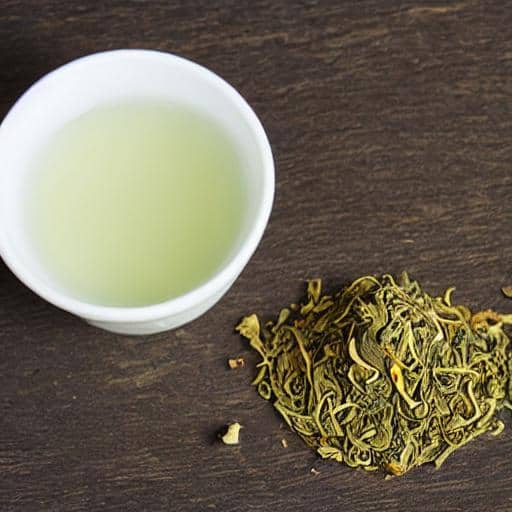
Fenugreek tea.
Fenugreek tea is a delicious and healthy way to enjoy this forgotten spice. To make Fenugreek tea, simply simmer a teaspoon of Fenugreek seeds in a cup of water for 10 minutes. strain, and enjoy. You can sweeten your tea with honey or sugar, if desired.
Recipes With Fenugreek
Who knew that the humble little fenugreek seed could be so versatile? This unassuming spice is actually used in a variety of cuisines, from Indian to Ethiopian. In fact, it’s even used in some Western dishes, though it’s often overlooked.

If you’re looking to add some new flavor to your cooking, fenugreek is a great spice to try. Here are some recipes that feature this unique ingredient:
– Fenugreek and Cumin Lamb Curry
– Fenugreek and Potato Samosas
– Ethiopian Lentil Stew with Fenugreek
So next time you’re in the spice aisle, don’t forget to pick up some fenugreek. Your taste buds will thank you!
How do I use fenugreek seeds?
To use fenugreek seeds, simply toast them in a dry skillet over medium heat until they become aromatic. Then, add them to your recipe as desired. You can also grind the seeds into a powder using a spice grinder or mortar and pestle. Fenugreek powder can be used to make a flavorful curry powder or added to soups, stews, and sauces.
So next time you’re in the spice aisle, don’t forget to pick up some fenugreek and experiment with this delicious spice!
How do I use the powder
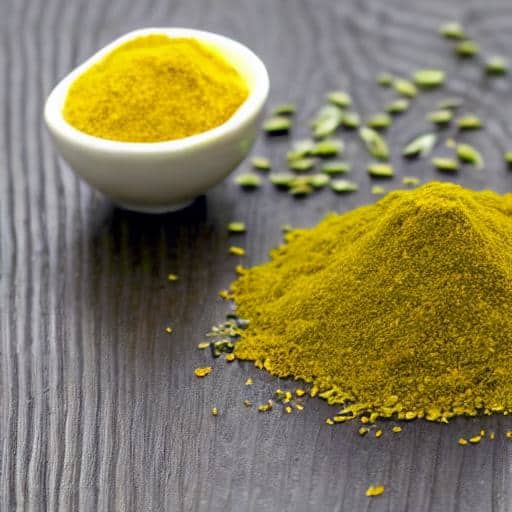
Fenugreek powder is made from grinding up dried fenugreek seeds. The seeds have a strong, slightly bitter flavor that is often used to flavor curries and other savory dishes. Fenugreek powder can be used in many different ways. One simple way to use it is to sprinkle it on roasted vegetables or stir it into soups or stews. You can also use it to make your own curry powder or garam masala.
If you’re new to cooking with fenugreek, start with a small amount and add more to taste. A little goes a long way with this spice!
What are the side effects of fenugreek?
As with any food or supplement, there can be some side effects associated with fenugreek. These are typically mild and include digestive issues like gas or bloating. Fenugreek can also affect blood sugar levels, so if you have diabetes, it’s important to monitor your blood sugar closely while taking fenugreek. Some people may also experience skin irritation after using fenugreek seeds or oil topically. If you notice any adverse effects, stop taking fenugreek and talk to your doctor.