Chinese herbal products are often promoted for weight loss, usually with promises about appetite, metabolism, or “detox.” Those promises deserve a careful look. Traditional Chinese medicine, or TCM, is a broad system that can include herbal products, acupuncture, movement practices, and dietary advice. Its traditional concepts are not the same as evidence that a product safely causes weight loss.

Research on Chinese herbal products for medical conditions has produced mixed results. For weight management, the useful starting point is not a promise of fast results but a plan you can sustain: food choices, activity, sleep, and support that fit your health needs. Herbs or supplements should never replace care for obesity, diabetes, high blood pressure, liver disease, or another diagnosed condition.
What the evidence says about Chinese herbs for weight loss
No Chinese herb or herbal formula has strong evidence as a stand-alone treatment for weight loss. The National Center for Complementary and Integrative Health notes that studies of Chinese herbal products have had mixed results. Its overview of traditional Chinese medicine is a useful starting point for weighing both evidence and safety.

That does not mean every traditional preparation is useless or unsafe. It means a traditional use, a personal testimonial, or a product label cannot tell you whether a particular formula will work for you. Products vary by ingredient, dose, manufacturing quality, and the medicines a person already takes.
Why “natural” weight-loss products need caution
Weight-loss supplements often contain several ingredients, and the label may not make the total stimulant dose obvious. The NIH Office of Dietary Supplements consumer fact sheet explains that evidence for many weight-loss ingredients is limited and that some can cause side effects or interact with medicines.

Chinese herbal products have also raised quality concerns. NCCIH reports that some products have contained undeclared plant or animal material, drugs, heavy metals, pesticides, sulfites, or an incorrect herb. The U.S. Food and Drug Administration keeps current notifications about tainted weight-loss products. A product missing from that list is not automatically proven safe.

Speak with a pharmacist or clinician before using a concentrated herb product or a multi-ingredient weight-loss supplement, especially if you take prescription or over-the-counter medicine, have heart, liver, kidney, or thyroid disease, are pregnant or breastfeeding, or are planning surgery. Seek prompt care for chest pain, fainting, severe palpitations, yellowing of the skin or eyes, severe abdominal pain, or an allergic reaction.
Tea, extracts, and formulas are different products
A brewed tea, a capsule, a powdered formula, and a topical patch can expose you to very different ingredients and doses. Do not assume that a familiar herb in a tea has the same risk or effect as a concentrated extract. This matters most when several products are combined, because caffeine or other stimulants can add up.

Traditional formulas such as Bao He Wan are sometimes discussed for digestive symptoms in TCM practice. That traditional context does not establish that a formula causes weight loss, and it cannot predict interactions with your medicines. Ask a qualified clinician or pharmacist to review the exact product and ingredient list rather than relying on a general product category.
Do herbal slimming patches work?
There is no good evidence that a patch containing herbs causes meaningful weight loss. A patch also makes it harder to know how much of each ingredient reaches the body. Be cautious with products that promise rapid loss, target one body area, or claim that diet and activity do not matter. Those are common warning signs for misleading marketing.

Do not use a patch on broken or irritated skin, and stop if it causes burning, rash, swelling, or other symptoms. A topical product can still cause an allergic reaction. It should not delay medical advice for unexplained weight change or a condition that affects appetite or digestion.
Green tea: beverage versus extract
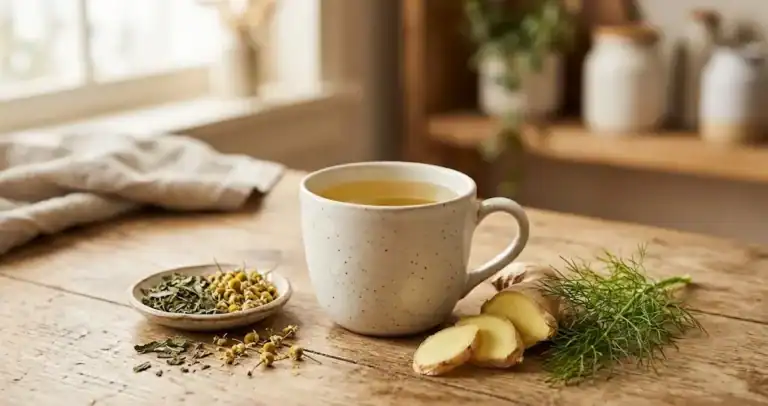
Green tea comes from Camellia sinensis and contains caffeine and catechins. Studies suggest that any effect on body weight is small at most and is not a substitute for a sustainable weight-management plan. The NIH fact sheet distinguishes the beverage from concentrated green-tea extract, which has been linked to nausea, raised blood pressure, and liver injury in some people.

If you enjoy green tea as a drink, account for its caffeine along with coffee, energy drinks, and stimulant supplements. Avoid treating extract capsules as an ordinary cup of tea. Ask a clinician before using an extract if you have liver disease, take medicines, are pregnant or breastfeeding, or have had symptoms such as insomnia, anxiety, palpitations, or high blood pressure.
Jiaogulan and ginseng are not proven weight-loss treatments
Jiaogulan is sometimes called “southern ginseng,” and ginseng appears in many wellness products. Neither name establishes a safe dose or a proven role in weight loss. Claims that a tea improves circulation, prevents cancer or heart disease, or treats obesity go beyond what this article can support. Avoid using a product to manage a medical condition without guidance from a qualified healthcare professional.
A safer way to evaluate a product
- Read the full Supplement Facts panel and ingredient list, including caffeine sources and proprietary blends.
- Skip products that promise fast, effortless, or guaranteed weight loss.
- Do not combine several stimulant or weight-loss products.
- Discuss supplements with a pharmacist or clinician when you take medicines or have a health condition.
- Use medical care for persistent or unexplained weight changes, rather than trying to self-treat the cause with herbs.
Frequently asked questions
Can Chinese herbs help with weight loss?
Evidence does not show that Chinese herbs reliably produce meaningful weight loss on their own. Some people choose them as part of a traditional practice, but a product should not replace evidence-based support for weight management or treatment for a medical condition.
Are Chinese weight-loss supplements safe?
Safety depends on the exact product, dose, manufacturing quality, your health history, and possible interactions. Some products have contained undeclared ingredients or contaminants. Review the exact label with a pharmacist or clinician before using a supplement.
What should I do instead of trying a slimming product?
If weight is affecting your health or quality of life, ask a clinician for an individualized assessment. They can help identify medication effects, medical conditions, eating patterns, sleep issues, and treatment options. A gradual, supported plan is more useful than a product that promises a quick fix.