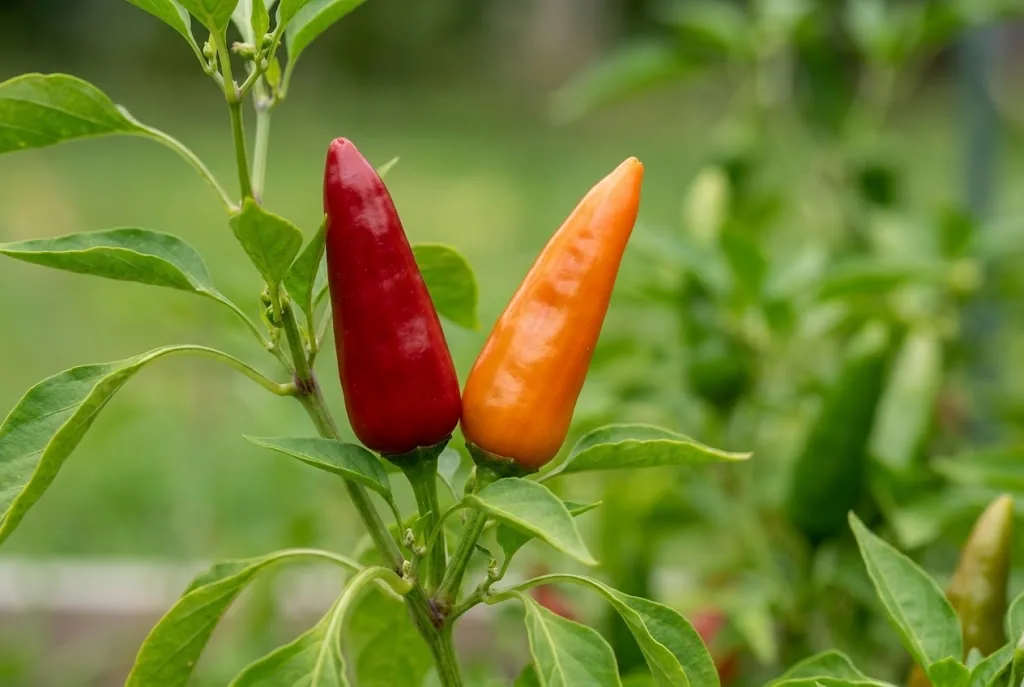
The Fresno pepper is a smooth, waxy, conical pod that ripens from bright green through orange to a glossy red. Most people see it at a farmers market and confuse it with a small jalapeño, then discover that a red Fresno carries a touch more heat and tastes fruitier, smokier, and slightly sweet. If you cook with chilies at home, this one is worth keeping in rotation.
Origin of Fresno peppers
The Fresno chile is a named pepper type associated with Fresno, California. Seed catalogs also offer Fresno-type hybrids, so pod size, ripening time, and plant habit vary by the line you grow. Check the seed packet for details that apply to your variety.
Fresno peppers suit warm-season gardens and can grow in containers or beds. Give them full sun, regular water, and enough frost-free time for the pods to ripen from green to red.
What Fresno peppers look like
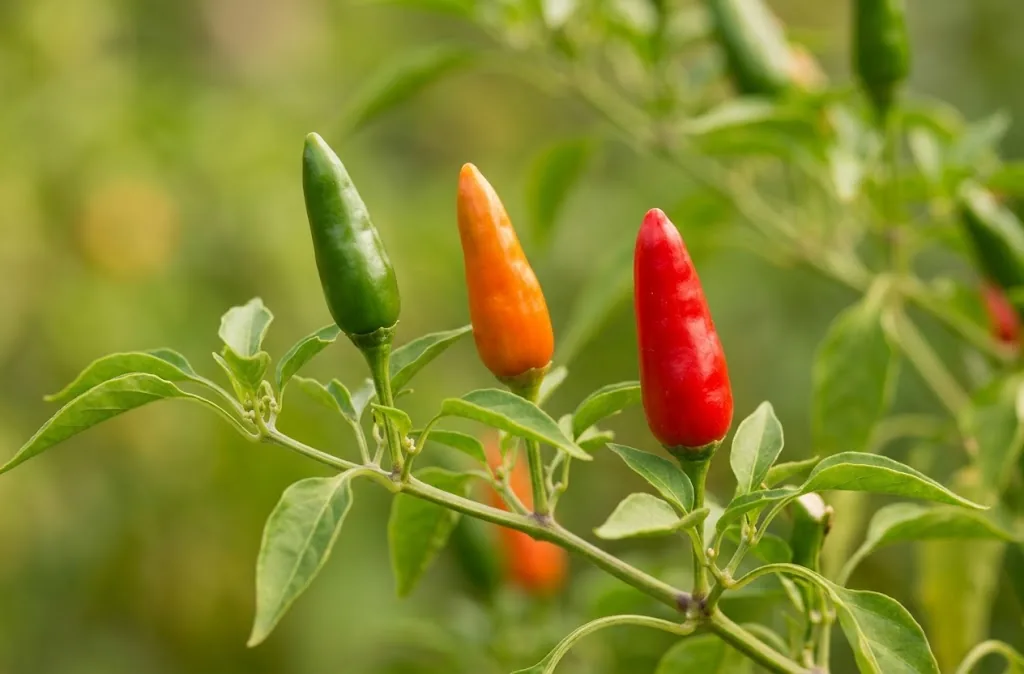
Fresno chili peppers have smooth, waxy, pointed pods that ripen from green through orange to red. Fruit length and plant height vary by seed line. Johnny’s Selected Seeds lists its Flaming Flare Fresno hybrid at about 4 inches long and 77 days from transplant to red harvest; those figures describe that hybrid, not every Fresno. See the cultivar listing. Some types hold their pods upright; others have a different habit. Check the cultivar description if you need a specific size for a container.
Green pods taste grassy and crisp. Red pods are riper and often taste fruitier and sweeter. Let pods color fully on the plant when you want their ripe flavor.
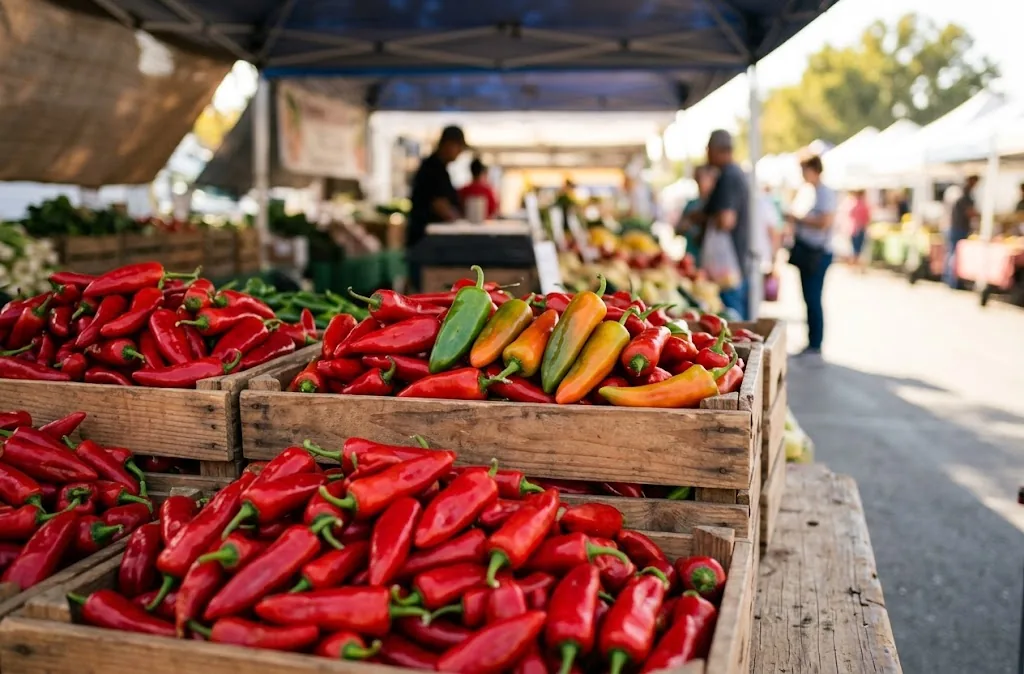
When shopping, look for firm pods with taut skin. Avoid soft spots, dark blemishes, or a leathery feel. Choose green pods for a sharper taste or red ones for a riper, fruitier flavor.
Heat and flavor compared to other chilies
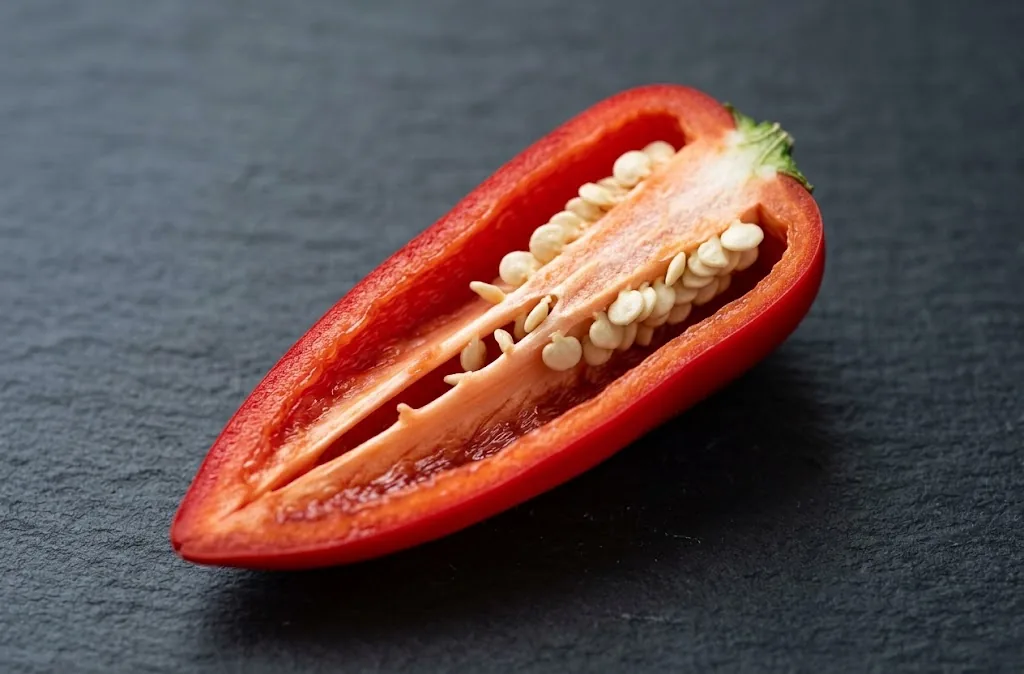
Red Fresno peppers are usually listed at about 2,500 to 10,000 Scoville Heat Units, a range that overlaps with jalapeños. Heat varies among pods and growing conditions. The Iowa State University Extension pepper chart lists this range.
Compared to a jalapeño, a red Fresno pepper carries a fruitier, slightly smoky flavor and a thinner-walled pod that chars faster in a pan. It is also a touch more warming than most green jalapeños, although a ripe red jalapeño can outscore a mild one. Compared to a serrano, the flavor is gentler and rounder, with less of that raw, sharp capsaicin bite. Compared to a habanero or Scotch bonnet, this pepper is several tiers cooler and far less fruity.
For everyday cooking, think of the Fresno pepper as a step between a bell pepper and a serrano. It brings real heat without dominating a dish, and it carries a smoky note when roasted that a jalapeño does not quite match. For the broader landscape, the guide to types of chili peppers maps the full Capsicum world, from mild everyday pods to the hottest varieties.
Growing Fresno peppers
Fresnos grow like most peppers in the annuum group. Start pepper seeds indoors about 8 to 10 weeks before the last frost, give them warmth to germinate, and transplant out after the danger of frost has passed and nights are reliably warm. Plants want full sun, well-drained soil, and steady moisture. They are reasonably disease resistant but are cold-sensitive, so cold conditions can slow growth and fruit set. Mulch helps keep roots cool and moisture even through a long summer.
Warm soil helps pepper seeds germinate. For harvest timing, use the days-to-maturity estimate on your pepper seed packet, which may specify green or fully red fruit and usually counts from transplanting. For seed saving, peppers can cross with other varieties of the same species; isolate plants or bag blossoms when you need true-to-type seed. A roomy container with drainage gives roots more space than a small pot.
Cold soil, uneven watering, and aphids on new growth can set plants back. Keep soil moisture even through fruit set. If blossom-end rot appears, focus first on consistent watering and check soil conditions before adding calcium. University of Maryland Extension explains how water stress can interrupt calcium delivery to developing fruit.
Harvesting and storing
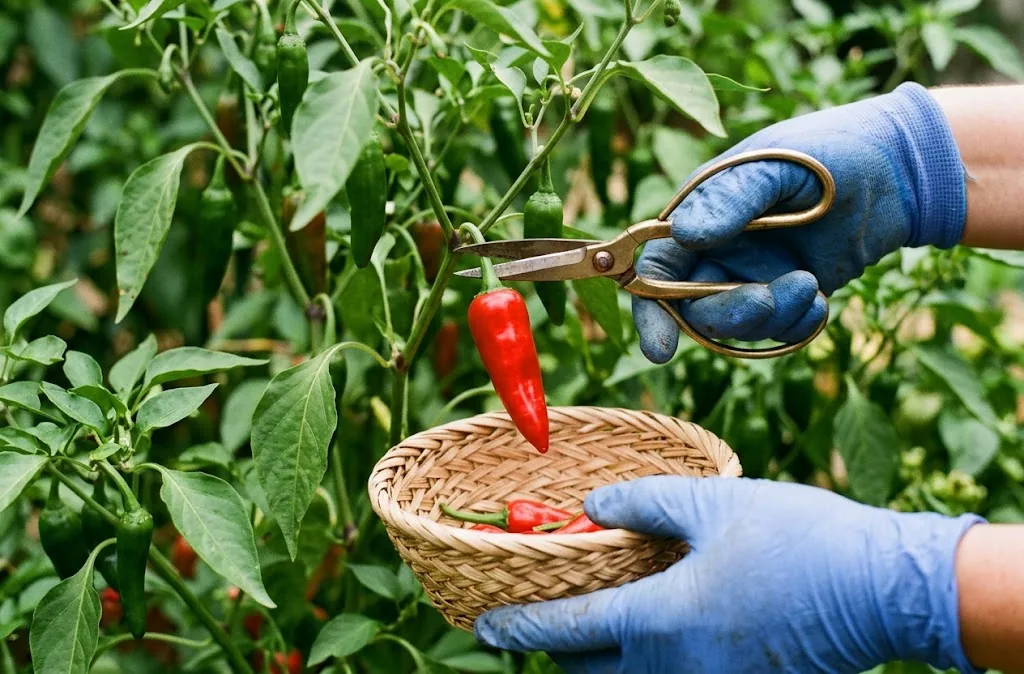
Pick when pods reach the color you want. Green gives a sharper, more vegetal flavor and suits quick sautés. Red gives the rounder, fruitier flavor that this pod is known for. Use snips or scissors to cut the pod from the stem, leaving a short stub on the plant. Wear gloves if your skin is sensitive, especially when working through a kilo of ripe red pods for a bottled hot sauce.
For short-term keeping, fresh red pods last 7 to 10 days in a paper bag in the refrigerator. For longer storage, pack them into a quick refrigerator brine, dry them on a screen in the sun or a dehydrator, or freeze them whole on a tray before bagging. Dried red pods rehydrate well in warm water and keep their smoky note through a long simmer.
For a quick refrigerated preserve, slice ripe red pods and cover them with a hot vinegar brine made from a tested refrigerator-pickle recipe. Cool promptly, keep refrigerated, and follow that recipe’s storage period. Refrigerator pickles are not shelf stable. University of Minnesota Extension explains the difference between refrigerated and safely canned pickles.
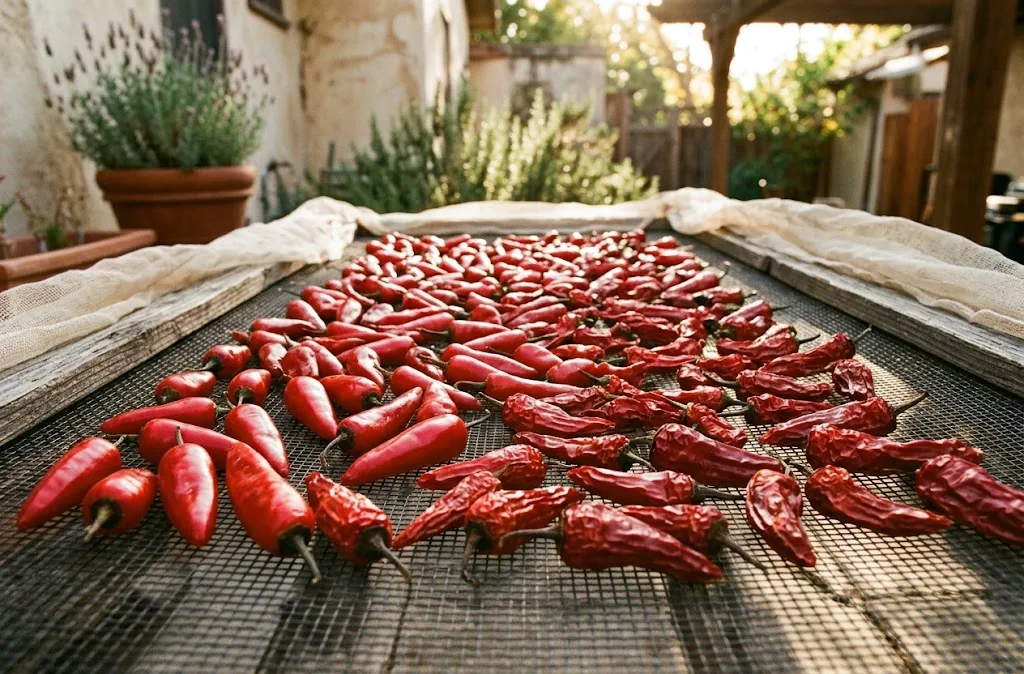
Sun-drying works in dry climates; lay ripe red pods in a single layer on a raised screen and cover with cheesecloth to keep insects off. In humid climates use a dehydrator at 55°C for 6 to 10 hours, or string the pods into a ristra and hang them in a dry, airy room. Dried pods store for a year in a sealed jar in a cool, dark cupboard.
Cooking with Fresno peppers
Red pods are at home in everyday American, Mexican, and Southwestern cooking. Char them whole on a comal or in a dry skillet, blister the skins, then chop into salsa, tacos, ceviche, and rice. They also work in stir-fries, sautés, and stews where you want a rounded, smoky heat rather than a sharp raw bite. A small amount goes into chili oil, pasta sauces, and marinades for grilled meat or fish.
The classic use for a red pod is in a simple salsa: char four or five, blend with a small white onion, a garlic clove, a splash of lime juice, and salt. The same pod works in a green version when you swap in tomatillos and cilantro. For a second variation, use a tested brine recipe and keep the jar cold; do not treat it as a pantry preserve.
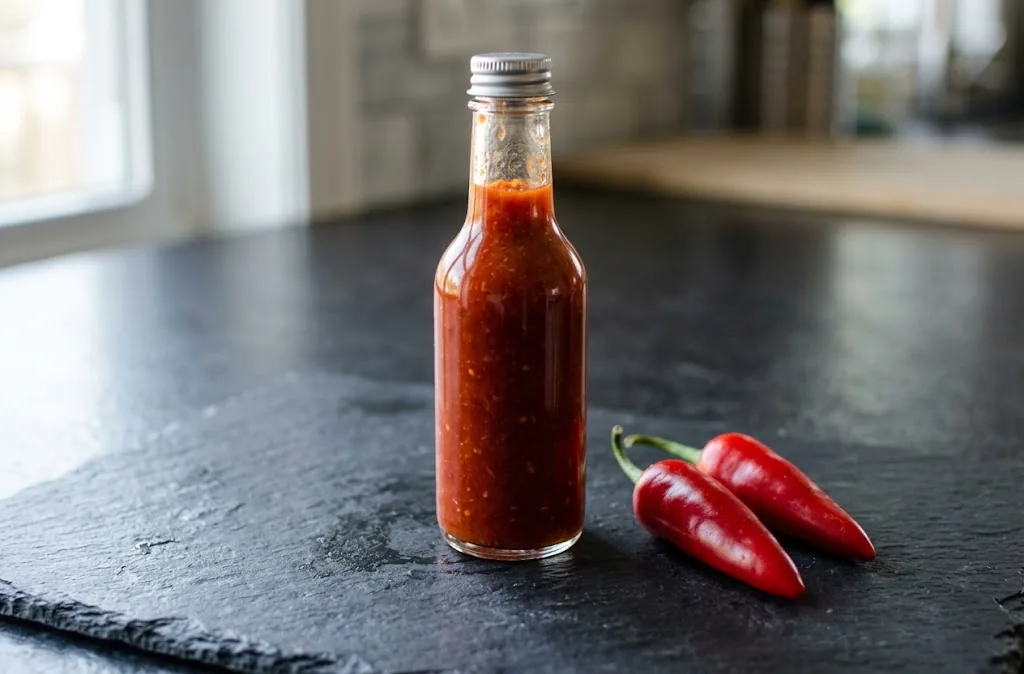
For a fresh hot sauce, simmer red pods with onion, garlic, vinegar, and salt, then blend until smooth. Refrigerate promptly and use it within the storage period specified by a tested recipe. Bottling alone does not make the condiment shelf stable.
Beyond the obvious, try a few pods in pesto (swap a quarter of the basil for charred red Fresno pods), in a warm relish spooned over grilled fish, in a smoky chili crisp, or in a slow-simmered bean stew where you want a low, building heat rather than a sharp top note. A single red pod, minced fine, will lift a pot of pinto beans from bland to memorable. For a quick weeknight pasta, sauté a chopped red pod with garlic and olive oil, toss with hot pasta and a handful of grated parmesan, and finish with a squeeze of lemon; the peppery oil coats the noodles and the smoky heat builds gently with each bite.
Nutrition and serving notes
Fresno peppers add flavor and heat without requiring a large serving. The precise nutrient content varies with pod size and ripeness. Treat them as a food rather than a remedy.
Hot peppers can irritate skin and eyes. Wear gloves when handling large amounts, wash hands afterward, and keep fingers away from your face. If the heat in a dish is too strong, dairy or starchy food can make it easier to eat.

Quick answers
Are these hotter than jalapeños?
On average, a ripe red one is similar to a milder ripe red jalapeño. A small share run a touch more warming, and a stressed plant can push the heat up further.
Can I substitute one for a jalapeño?
Yes, in most recipes. Use slightly fewer pods if you want a milder result, and expect a fruitier, smokier flavor in cooked dishes.
What is the best color to pick?
Green for sharp pickles and fresh salsas, red for full flavor, hot sauces, and drying. Orange is a brief in-between stage.
How long do they take to ripen?
Roughly 80 days from transplant to first ripe red pods in warm soil. Cool weather stretches that out.
Do they grow well in pots?
Yes. A 30 to 40 cm pot with rich, well-drained compost, full sun, and steady water gives a productive single plant on a patio or balcony.
Are they the same as cayenne peppers?
No. Cayenne pods are longer, thinner, and drier, with a sharper capsaicin bite. This one is shorter, plumper, fruitier, and a touch milder.