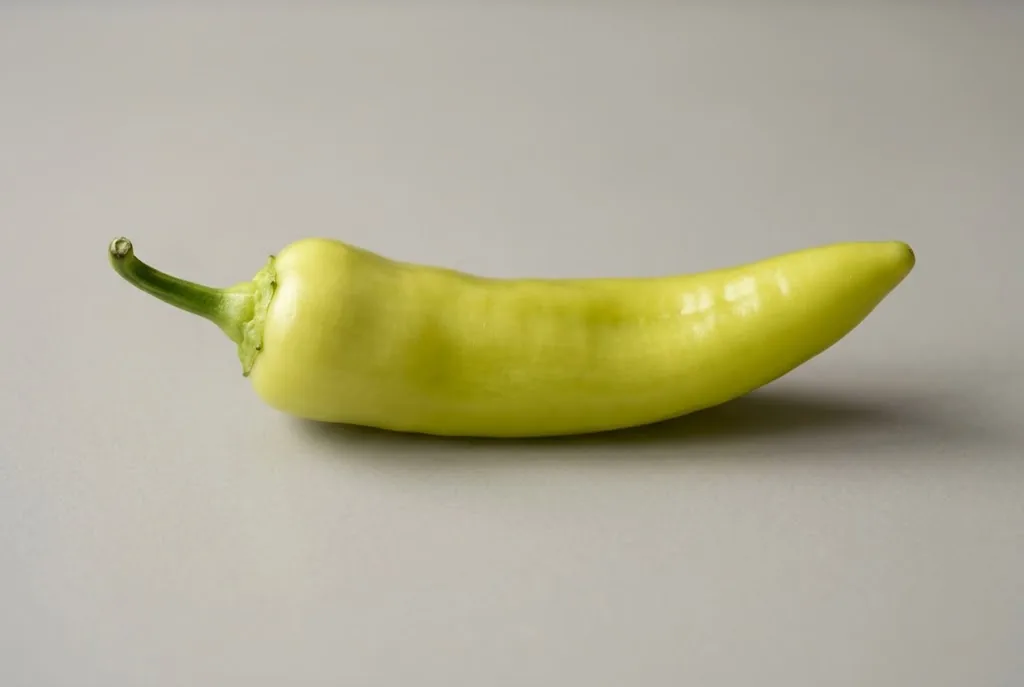
Banana peppers (Capsicum annuum) are among the most beloved, versatile varieties in the home garden. Recognized by their curved, elongated shape and bright yellow color that tapers toward a pointed tip, these mild peppers deliver crisp texture and sweet, tangy flavor without scorching heat. Whether you enjoy them fresh from the plant, roasted on the grill, or sliced into crunchy rings for pickled banana pepper preserves, they bring vibrant color and gentle warmth to the kitchen table.
Origin and History: The Story of a Yellow Wax Pepper
The banana pepper is a cultivar of the species Capsicum annuum, a pepper species native to the Americas. The sweet type sold as Sweet Banana is an heirloom that, according to Burpee, won an All-America Selections Bronze Medal in 1941. It belongs to the broader wax pepper group, prized by market gardeners for its glossy skin, thick walls, and reliable fruit set.
When exploring the wide world of types of chili peppers, home growers quickly discover that wax peppers fall into two distinct culinary camps: sweet and hot. The standard banana pepper is distinctly sweet and gentle, whereas its close relative, the Hungarian wax pepper, packs noticeable heat. Hungarian wax takes its name from Hungary, and the sweet banana type became a reliable, heavy-yielding backyard staple that thrives across varied climate zones.
Botany and Plant Characteristics of Capsicum annuum
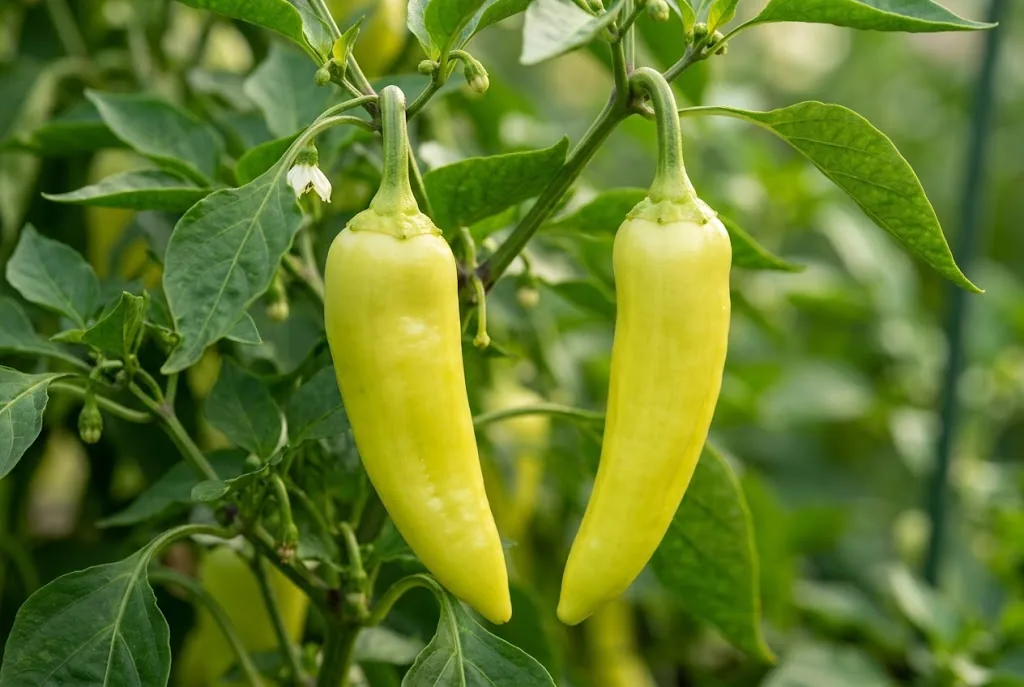
Botanically, these wax pepper plants grow as compact, bushy annuals reaching about 24 inches in height. They produce modest white flowers that quickly give way to tapering fruit that reach 6 to 7 inches in length when fully grown. The smooth, waxy skin remains firm throughout development.
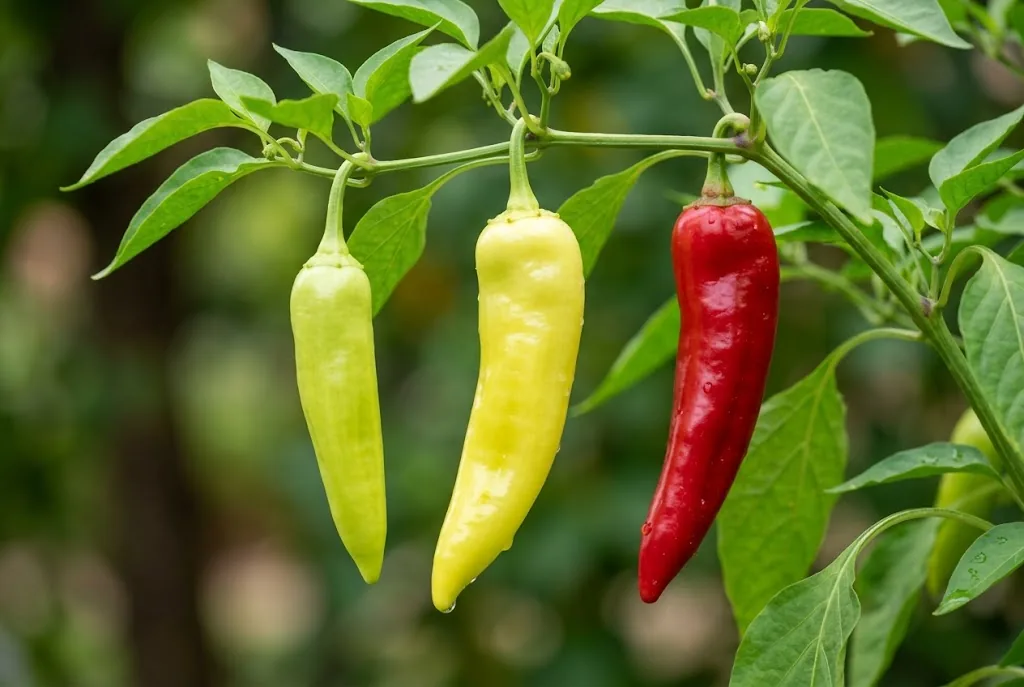
As the pods develop during the growing season, they progress through three distinct color stages:
- Immature: Translucent pale green pods that gradually fill out in length and thickness.
- Peak harvest: A vibrant bright yellow shade with firm flesh and classic sweet-tart flavor.
- Fully mature: Warm orange shifting into deep red, developing more sweetness.
Although most growers pick them at the bright yellow stage, allowing pods to mature fully to red yields a sweeter flavor.
Heat Level and Flavor: Scoville Rating vs Other Peppers
On the Scoville heat scale, standard sweet banana peppers register between 0 and 500 Scoville heat units (SHU). In contrast, a typical jalapeño ranges from 2,500 to 8,000 SHU. This minimal capsaicin concentration places them among the gentlest cultivated peppers available, making them much milder than standard hot pepper varieties.
The flavor profile combines subtle sweetness, crisp acidity, and a refreshing vegetal crunch. Some seed selections labeled as hot banana pepper or Hungarian wax can reach 5,000 to 10,000 Scoville units, according to PepperScale, so checking seed packets is always wise if you want strictly sweet fruit. For cooks who prefer lively taste without overwhelming heat, banana peppers rank among the premier mild chili peppers with big flavor.
How to Grow Banana Peppers from Seed to Harvest
Cultivating these peppers is straightforward, making them an ideal choice for both novice growers and seasoned gardeners. Their compact habit makes them suitable for raised beds, traditional planting rows, or patio containers.
They are a warm-season crop that forgives small mistakes and sets fruit reliably, which is why they rank among the best chili peppers for beginners to grow.
Starting Seeds Indoors
Start pepper seeds indoors about 6 to 8 weeks before the average last spring frost date. Sow seeds 1/4 inch deep in sterile, moist seed-starting mix. Maintain soil temperatures between 75°F and 85°F using a seedling heat mat. Keep the mix consistently moist but never waterlogged. Germination typically occurs within 7 to 14 days under warm conditions.
Planting and Soil Conditions
Transplant hardened seedlings outdoors once nighttime temperatures consistently stay above 55°F and all danger of frost has passed. Select a planting location that receives full sun for at least six to eight hours daily. The plants thrive in well-drained soil amended with aged compost, favoring a slightly acidic to neutral pH between 6.0 and 6.8.
Care and Maintenance
Provide consistent moisture by applying about one to two inches of water per week. Consistent watering prevents blossom end rot, a physiological disorder caused by uneven calcium uptake. Apply organic mulch around the base of plants to retain soil moisture and regulate ground temperature. Feed with a balanced organic vegetable fertilizer once flowers appear, avoiding excess nitrogen that encourages leafy growth at the expense of fruit production.
Harvesting Your Crop at Home
Seed companies list 60 to 75 days to maturity for Sweet Banana, with Burpee giving 72 days. Growers can begin picking once pods are 4 to 6 inches long and uniformly pale yellow. The pods should feel firm and crisp to the touch.
When cutting pods from the plant, use clean pruning shears rather than pulling by hand. Tugging pods can snap brittle branches and damage neighboring flowers. If you leave pods on the vine to ripen to deep orange and red, the plants will produce fewer total pods over the season, but the harvested fruit will be noticeably sweeter.
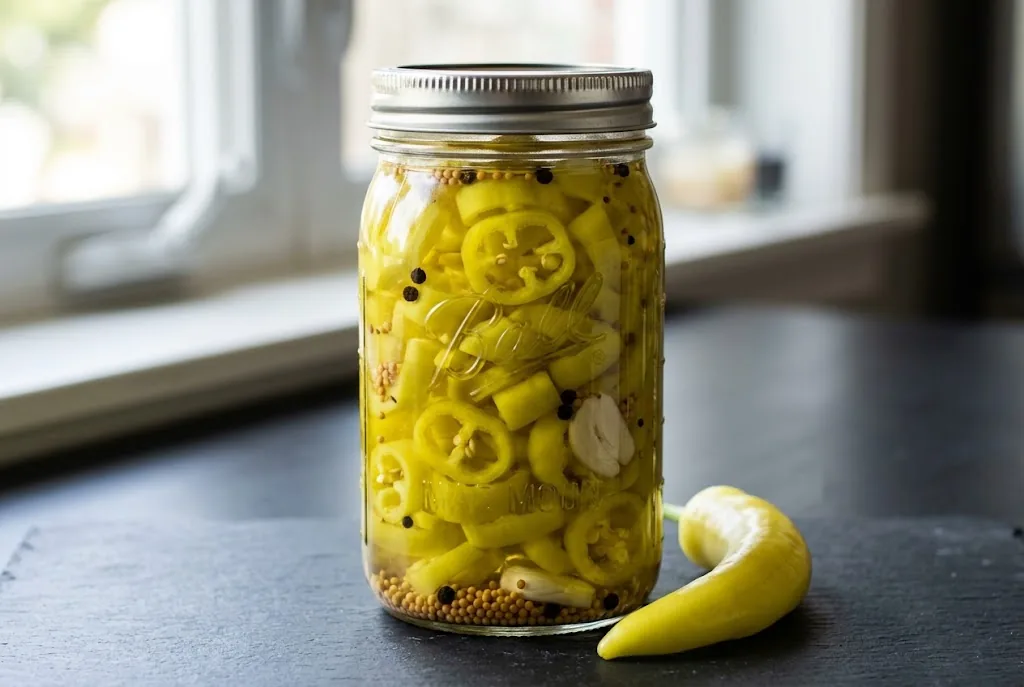
How to Pickle Your Harvest in a Jar
Pickling is the most famous preservation method for this variety. A classic seasoned brine transforms the crisp flesh into tangy, shelf stable pickled pepper rings that elevate countless meals.
Quick Refrigerator Pickled Banana Pepper Rings
For a fast, easy batch without special canning equipment, refrigerator pickles are the simplest route:
- Prepare the peppers: Wash pods thoroughly. Slice into uniform 1/4-inch rings, discarding stems.
- Mix the brine: Combine equal parts apple cider vinegar and water in a saucepan. Add pickling salt, a pinch of sugar, and whole mustard seed. Bring the mixture to a rolling boil.
- Pack the jar: Pack the raw slices tightly into a clean glass jar. Add a clove of garlic if desired.
- Pour and chill: Pour the hot brine over the pepper rings, leaving 1/2 inch of headspace. Wipe the rim, seal with a lid, and let cool before storing in the refrigerator. They are ready to enjoy after 24 hours.
Water Bath Canning for Long-Term Storage
To create shelf stable jars stored at room temperature, process filled jars in a boiling water bath canner following a tested recipe. Peppers are a low-acid food, so safety depends on the recipe, not on the brine alone: follow the tested acidity and ratio, and never dilute the brine. The National Center for Home Food Preservation method packs hot peppers with 1/2 inch of headspace in equal parts 5 percent vinegar and water, and processes half-pint and pint jars for 5 minutes at 0 to 1,000 feet of elevation. A small pinch of calcium chloride (Pickle Crisp) helps preserve that satisfying snap.
Storing and Freezing Fresh Peppers
Freshly harvested pods keep well in the refrigerator crisper drawer for up to two weeks when stored dry in a perforated produce bag. For longer storage without canning, freezing works remarkably well.
Wash and slice the pods into rings, spread them in a single layer on a parchment-lined baking sheet, and freeze until solid. Transfer frozen rings into airtight freezer bags. Frozen slices can be tossed directly onto homemade pizza, baked casseroles, or skillet dishes throughout the winter months without prior thawing.
Culinary Uses: From Deli Sandwiches to Pizza Toppings
These versatile peppers shine in both fresh and cooked preparations across global and American comfort cuisines:
- Sandwich and burger topping: Pickled rings add sharp, tangy contrast to rich meats on an Italian sub, pastrami sandwich, or juicy cheeseburger.
- Pizza and flatbreads: Scatter raw or pickled slices across cheese flatbread or thin-crust pizza before baking.
- Crisp salads: Toss thinly sliced raw banana pepper rings into Greek salads, pasta salads, or chopped antipasto bowls.
- Game-day nachos: Layer pickled slices over tortilla chips, melted cheese, and black beans for colorful nachos with gentle bite.
- Stuffed and grilled: Stuff whole pods with spiced sausage, herb breadcrumbs, or seasoned cream cheese and grill over medium coals.
- Salsas and relishes: Dice fresh pods into fruit salsas, corn relish, or creamy yogurt dip for added zest.
Banana Pepper vs Pepperoncini: What Is the Difference?
Because grocery stores and restaurant menus sometimes confuse them, home cooks often wonder whether banana peppers and pepperoncini (also spelled peperoncini) are the same vegetable. While both are mellow, yellow-green salad bar favorites, they differ in several key respects:
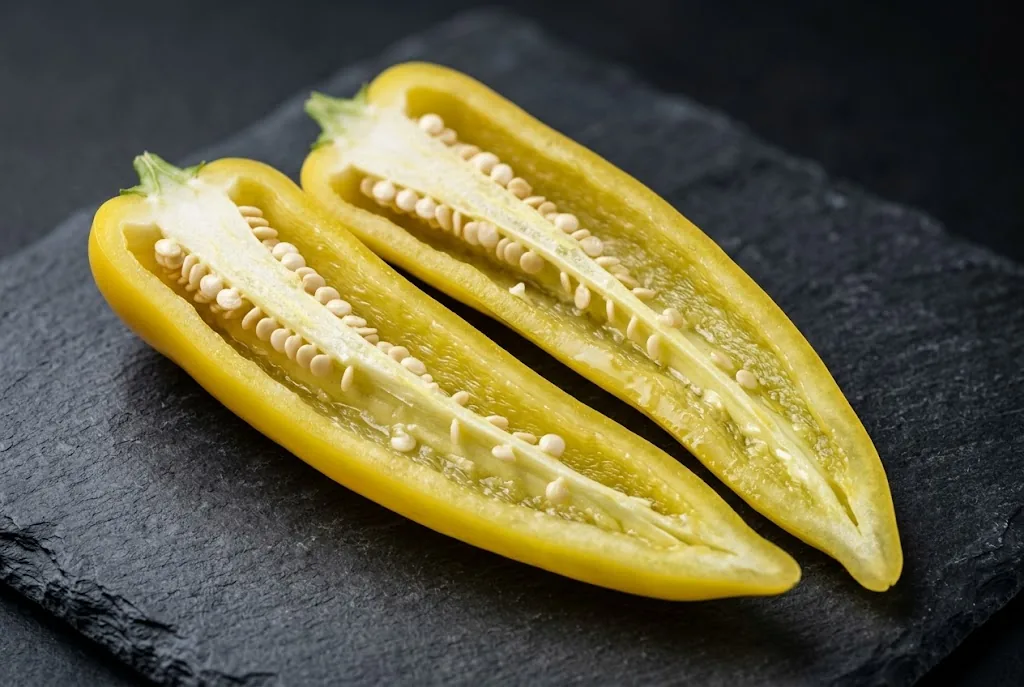
- Skin texture: The banana pepper has smooth, waxy skin and thick, succulent flesh. Pepperoncini have thinner, distinctly wrinkled skin with a softer texture.
- Shape and size: These yellow pods are longer (6 to 7 inches) and curve gently toward a pointed tip. Pepperoncini are shorter (2 to 3 inches) with blunt, rounded ends.
- Heat and tang: While both hover at low Scoville levels, pepperoncini carry slightly more tanginess and herbal bitterness in their brine, whereas banana peppers offer clean, sweet crunch.
- Botanical identity: Both belong to Capsicum annuum, but the pepperoncini sold in American stores are a different Italian type, the friggitello, also called the Tuscan pepper.
In the kitchen, either pepper can substitute for the other in sandwiches, salads, and braises when needed.
Nutritional Information and Health Facts
Banana peppers are low in calories and a good source of vitamin C. Based on USDA FoodData Central values, a one-cup serving (124 grams) of raw banana pepper provides:
- Calories: About 33 kcal
- Vitamin C: About 102 mg, or 114 percent of the 90 mg Daily Value. The NIH Office of Dietary Supplements notes vitamin C is needed to make collagen and plays a role in immune function
- Vitamin B6: About 0.44 mg. According to the NIH Office of Dietary Supplements, B6 is involved in protein metabolism and immune function
- Dietary fiber: About 4 grams
- Potassium: About 317 mg
Their natural sweetness and crisp snap add flavor and color to everyday meals.
