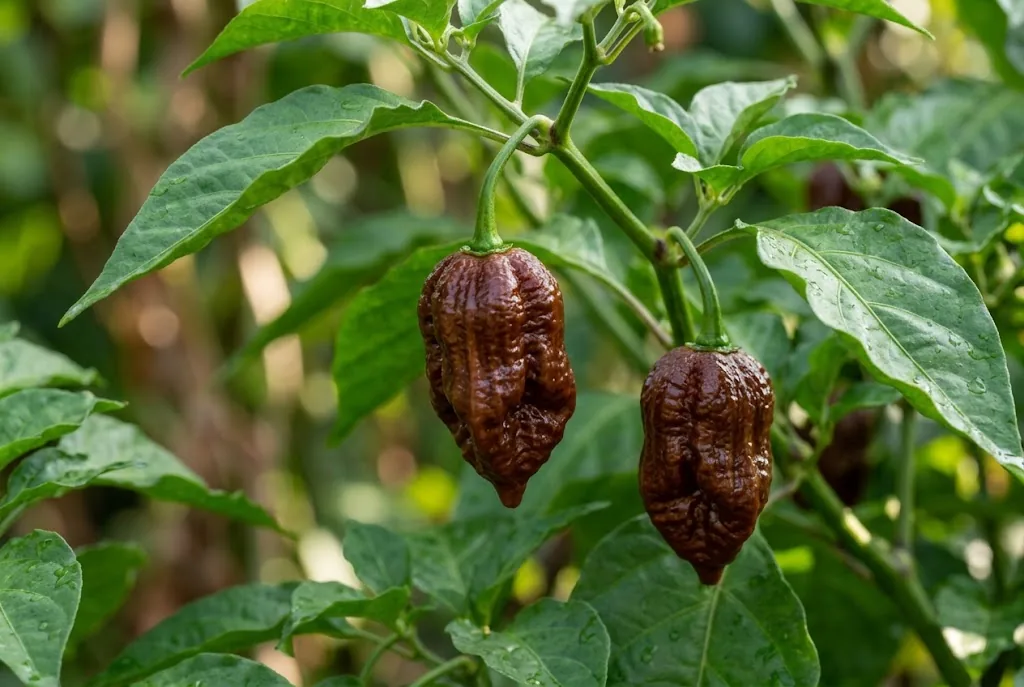
Among the wide world of pungent chilies, the chocolate habanero stands out for its brooding color, formidable pungency, and complex aroma. Originating in the Caribbean, this striking cultivar transforms from an unassuming green into a deep, glossy brown color as it reaches peak ripeness. Gardeners and cooks prize this heirloom hot pepper because it offers far more than raw heat: beneath its searing burn lies a rich, earthy flavor profile that elevates marinades, barbecues, and Caribbean seasonings.
While many home growers are familiar with standard orange habaneros, cultivating this chocolate variety brings a unique harvest to the kitchen table. In this comprehensive guide, explore the history, botanical traits, heat dynamics, germination requirements, and culinary traditions that define one of the most rewarding chili peppers in the home garden.
Caribbean Origins of the Chocolate Habanero Pepper
This remarkable heirloom chili has deep roots across Jamaica and the wider Caribbean basin. Historically known in island markets as black congo or simply congo pepper, local farmers selected and preserved the variety for generations. It also appeared in early trade records under names such as Cuban habanero and black habanero, reflecting its spread across regional shipping routes. In specialty seed catalogs, growers may also encounter it listed as habanero chocolate or chocolate habs, referencing the same distinctive Caribbean landrace.
In traditional Jamaican food culture, this pungent habanero chili became a prized component of authentic jerk pastes and fiery table sauces. Caribbean cooks valued the pod’s natural ability to impart both deep color and lingering warmth to slow-cooked meats without requiring artificial coloring or liquid smoke. Today, seed collectors and heirloom enthusiasts preserve this historic lineage, keeping the original island landrace accessible to modern vegetable growers around the globe.
Botany and Pod Characteristics of This Heirloom Variety
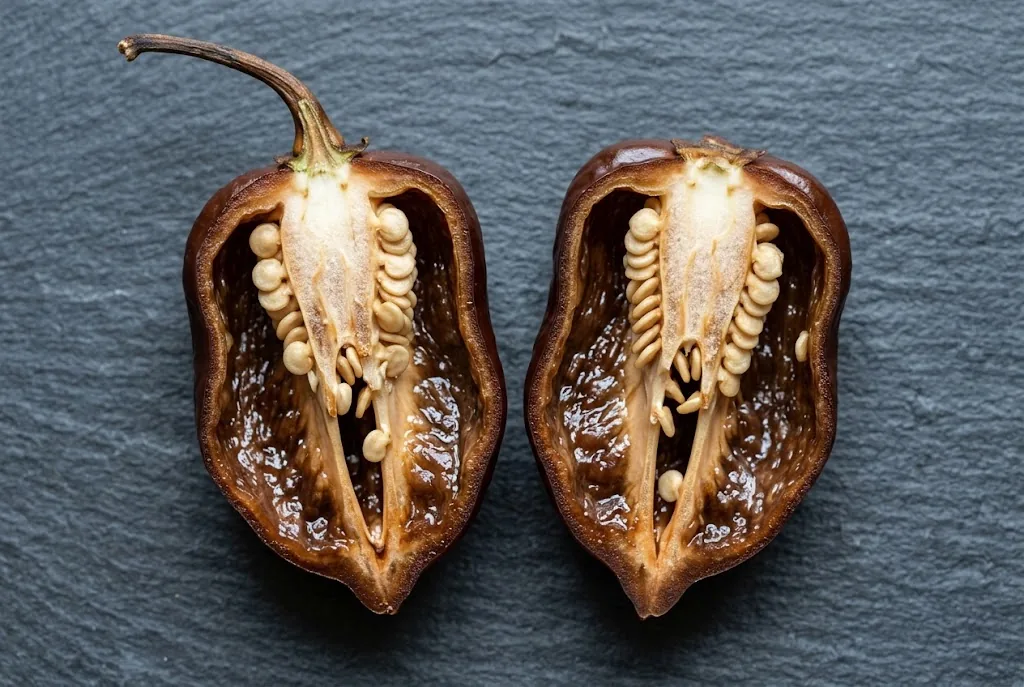
Botanically classified under the species Capsicum chinense, the plant develops into a compact, sturdy bush that typically reaches 24 to 36 inches in height. Stems are woody at the base with lush, dark green foliage that provides ample shade for developing fruit. Small, greenish-white flowers emerge in clusters at the leaf nodes throughout early summer, followed by pendant pods that hang beneath the canopy.
Each pod measures roughly 1.5 to 2.5 inches in length and about 1 to 1.5 inches across the shoulder, displaying the classic lantern shape and wrinkled skin characteristic of Caribbean cultivars. The pods begin as an emerald green, gradually darkening into a mottled bronze before finishing in a rich, dark brown hue. When compared with other types of chili peppers, the visual presentation of these glossy chocolate pods hanging against deep green leaves makes the bush an attractive focal point in any home landscape.
Scoville Heat Rating and Smoky Flavor Profile
On the Scoville scale, published figures for the chocolate habanero vary by source and selection. Seed catalogs commonly list around 300,000 SHU, while independent pepper-heat references such as PepperScale put it considerably higher, at 425,000 to 577,000 SHU, matching other published reporting on this cultivar. Either figure establishes it as noticeably spicier than the regular habanero, which typically tops out near 350,000 SHU, and many times hotter than a mild jalapeno. While it does not match the extreme ceiling of superhot Trinidad Moruga Scorpion peppers, it ranks among the hottest traditional heirlooms, and its formidable spiciness commands immediate respect from even experienced chili enthusiasts.
What truly sets this cultivar apart is its captivating sensory profile. Beneath its fierce burn, tasters encounter an unmistakable smoky heat blended with subtle fruitiness and hints of dried apricot sweetness. The aroma carries earthy, woodsy notes reminiscent of toasted mesquite, leaving a lingering, savory aftertaste that some growers describe as distinctly chocolatey. This intricate balance of fruity sweetness and smoke makes it an elite choice for bold culinary creations.
Starting Seeds Indoors for Healthy Seedlings
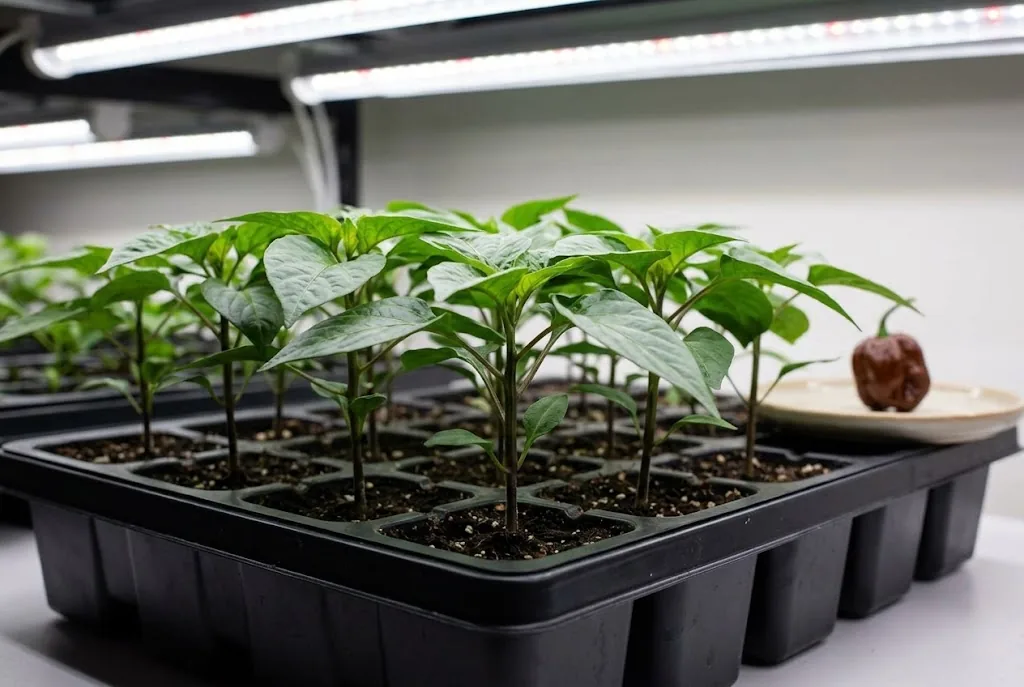
Because long-season tropical peppers require 90 to 110 days after transplanting to ripen their fruit, starting pepper seeds indoors eight to ten weeks before your local last spring frost date is essential. Sow seeds one-quarter inch deep into clean seed trays filled with a light, sterile seed starting mix.
Consistent warmth is critical for timely germination. Place the seed trays atop an electric heat mat dialed between 80 and 85 degrees Fahrenheit, as warm soil encourages uniform sprouting. Keep the soil surface evenly moist with a gentle mister. Under these warm conditions, seeds typically germinate and sprout within 14 to 28 days. Once each seedling emerges, immediately transfer trays beneath bright grow lights for 14 to 16 hours daily to foster strong stems and prevent leggy growth.
Growing Chocolate Habaneros in Garden Beds and Containers
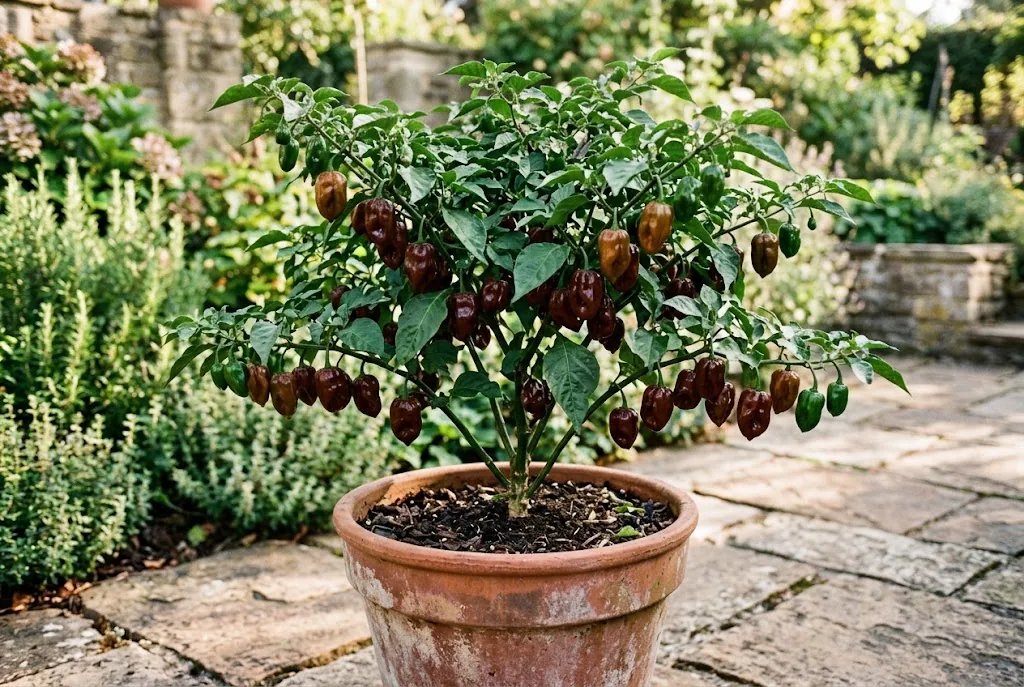
When outdoor night temperatures remain consistently above 55 degrees Fahrenheit and all danger of spring frost has passed, begin hardening off each starter plant over a seven to ten day period. Prepare garden beds in full sun, incorporating generous amounts of well-aged compost into the soil. If planting in a pot, select a container holding at least five gallons with generous drainage holes.
Space plants 18 to 24 inches apart, placing them at the exact depth they sat in their nursery pots rather than burying stems deeply like a tomato. Apply a two-inch layer of organic straw mulch to conserve moisture and keep root zones cool during summer heat waves. Water whenever the top inch of soil feels dry, directing moisture at the base of the plant. A balanced organic fertilizer applied according to the manufacturer label supports steady growth; fertilize lightly once flowers form without oversupplying nitrogen, which can delay fruit set. Gardeners who grow different varieties side by side often position decorative plants like Filius Blue peppers along borders while giving these vigorous plants dedicated space in the center beds.
Harvesting and Handling This Fiery Hot Pepper Safely
Harvesting begins in late summer when green pods transition to their mature, uniform brown shade. Pick pods when the skin is taut and firm to the touch; pods left too long on the plant can soften and lose their crisp texture. Use sharp bypass shears to clip the stem approximately one-half inch above the cap, avoiding pulling which can snap delicate fruiting branches.
Given the heavy concentration of capsaicin inside each habanero pepper, always wear disposable nitrile gloves when harvesting, slicing, or deseeding. Avoid touching your eyes, nose, or face during prep. If capsaicin contacts bare skin, wash thoroughly with dish soap and cold running water. In the event of intense oral heat, sip cold dairy milk; the dairy protein casein binds to capsaicin molecules and provides soothing relief far more effectively than water.
Drying, Freezing, and Storing Ripe Pods
Freshly harvested pods keep well in a refrigerator crisper drawer for up to two weeks when placed inside a breathable produce bag. For long-term preservation, whole or halved pods can be frozen on a flat sheet pan before transferring them into heavy freezer bags, preserving their spicy kick for months of winter cooking.
To dry your harvest, slice the pods lengthwise and arrange them in a single layer on food dehydrator screens. Dehydrate at 125 to 135 degrees Fahrenheit until the pods are completely dry and brittle. Avoid drying whole pods without halving, as thick pod walls can trap inner moisture. Once dry, store whole dried peppers or crush them into coarse flakes inside an airtight container kept in a dark, cool pantry away from direct sunlight.
Culinary Uses: From Homemade Hot Sauce to Bold Salsas
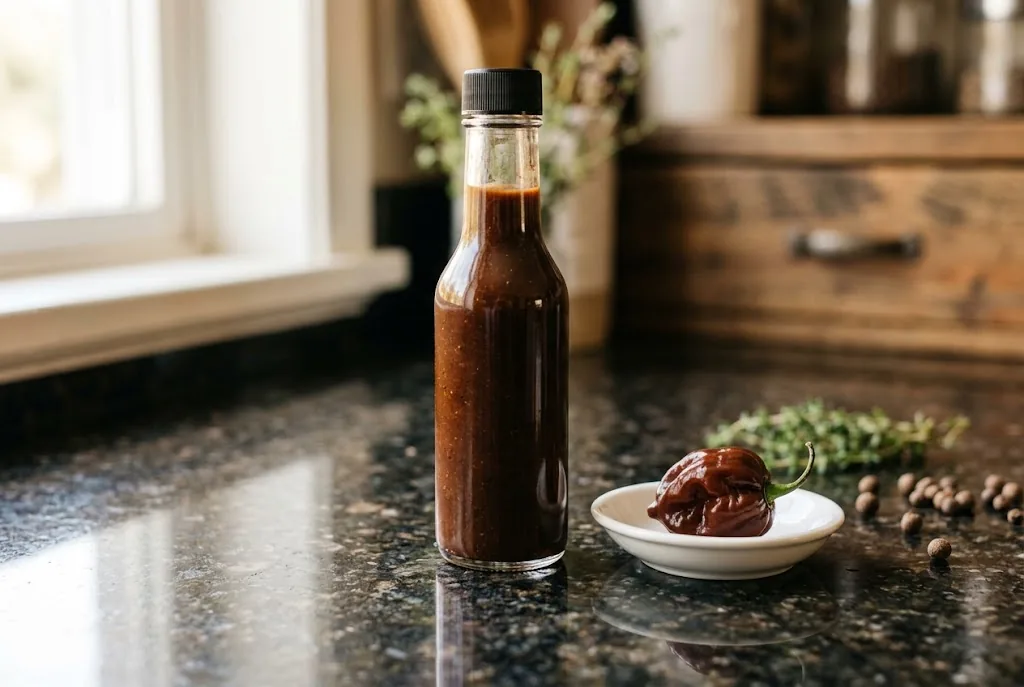
The complex pungency of the chocolate habanero pepper makes it an exceptional culinary asset. In Caribbean cookery, finely minced pods are blended with scallion, fresh garlic, allspice, thyme, and cider vinegar to create legendary Jamaican jerk marinades for grilled chicken and pork. The deep color of the pepper enriches slow-cooked stews and braised beans with savory depth.
For home condiment makers, blending roasted pods with sweet onion, roasted garlic, and vinegar yields an artisanal hot sauce that pairs brilliantly with grilled steak and barbecue ribs. Diced sparingly into fresh fruit salsas featuring mango or pineapple, or stirred into a smoky tomato salsa, the pepper provides a memorable contrast between tropical sweetness and lingering heat. By incorporating this heirloom into your kitchen repertoire, you can enjoy a storied Caribbean tradition in every fiery bite.
