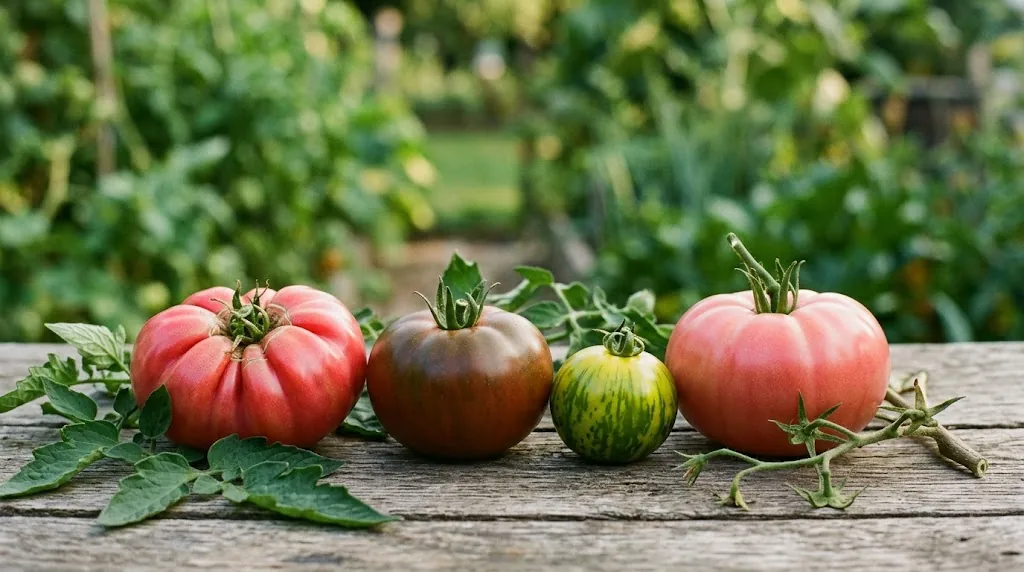
A tomato can be striped green, deep purple, or blush pink and still be fully ripe. Many heirloom tomatoes stand out for exactly that mix of distinctive looks, varied flavor, and the stories gardeners carry with their seeds. The label is useful, but it is not a promise that every heirloom will taste better or grow easily. Here is what the term usually means and how to choose one for your garden and kitchen.
What makes a tomato an heirloom?
There is no single age cutoff used by every seed organization. Some groups define heirlooms by a long history of passing seed between generations, while others include open-pollinated varieties that have been grown for decades. Seed Savers Exchange, for example, looks for documented stewardship across generations and describes heirloom varieties as open-pollinated and stable when grown in isolation from other varieties. The label can therefore depend on the seed source, so check the description instead of assuming every seller uses the same rule.
In practical terms, a tomato variety sold as an heirloom is generally an established, open-pollinated cultivar whose seeds can produce plants with similar traits when kept true to type. That is different from a hybrid, which is made by crossing selected parent plants. Seed saved from a hybrid may produce fruit that differs from the parent. Neither category tells you whether the tomato is organic, pesticide-free, or locally adapted. Those claims need their own evidence. Seed Savers Exchange explains how it defines heirloom and open-pollinated seed.
Tomatoes are all cultivars of Solanum lycopersicum, but heirloom types vary widely in size, shape, color, and plant habit. Some are compact and early; others are vigorous vines that need a long, warm season and sturdy support.
For a broader overview of tomato categories, see our guide to types of tomatoes.
Flavor, appearance, and growing trade-offs
Heirloom tomatoes are often chosen for their flavor, unusual colors, or connection to a family or region. Taste is personal and depends on the variety, ripeness, and growing conditions. A colorful skin does not tell you whether the flesh will be sweet, tangy, mild, or rich. Try a few varieties and keep notes about what you like.
Growing performance varies. A variety that thrives in one region may struggle where the season is short, the summer is hot, or common tomato diseases are a problem. University of Florida IFAS notes that many heirlooms can be more challenging under Florida conditions, including susceptibility to cracking and disease. That regional finding is a reason to check local advice, not a rule that applies to every heirloom everywhere. A grower in a cool climate should check whether fruit can ripen before frost; a long-season variety may not be the best choice there.
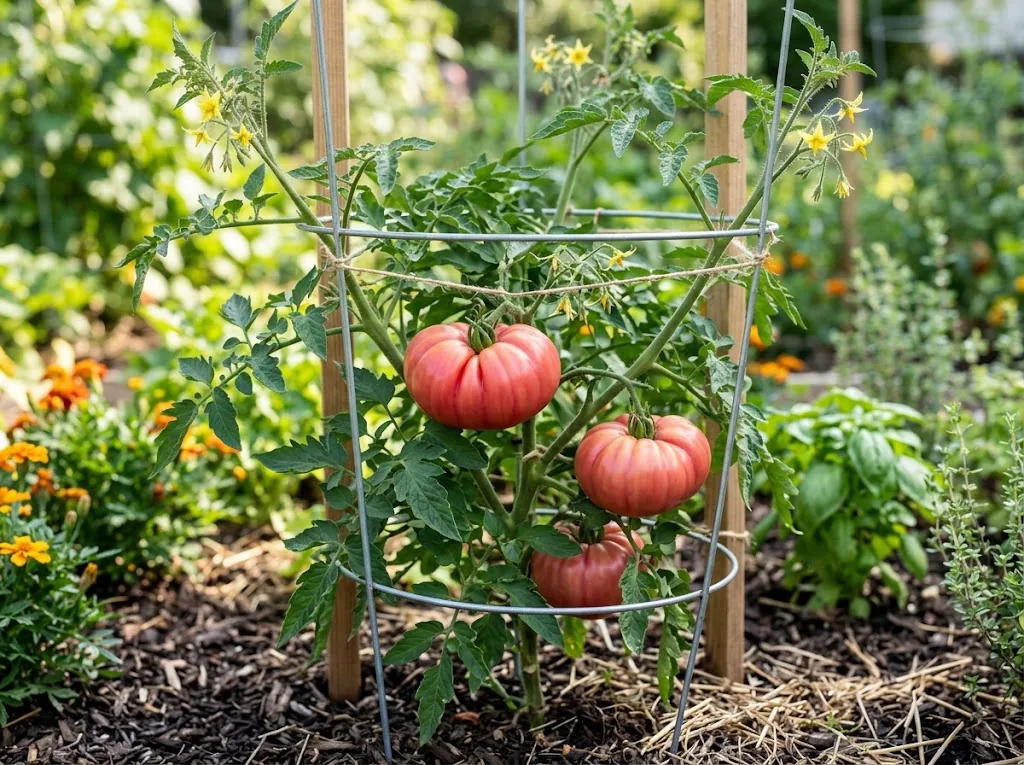
When choosing a seed packet or transplant, look for the details that affect your own garden: days to maturity, determinate or indeterminate growth, fruit size, disease-resistance codes, and whether the variety is recommended for your climate. University of New Hampshire Extension advises matching the variety to the local growing season and checking its growth habit and disease resistance. Give tomato plants full sun, well-drained soil, and support suited to the label. If a variety is new to you, start with one or two plants before giving it a large bed. That lets a home gardener learn how the plant grows before committing more space.
Shape can help narrow the choice too. If you are comparing elongated fruit for cooking with round or irregular slicers, our guide to plum tomatoes explains that separate category.
Heirloom tomato varieties to consider growing
These examples show how different heirlooms can be. University of Delaware Cooperative Extension describes these varieties, but descriptions and days to maturity vary among seed sellers, so use the packet from the supplier you choose for planting details.
- Brandywine: A large, pink beefsteak type. University of Delaware Cooperative Extension lists it as indeterminate and notes that its fruit is often over a pound. Give the vine room and a strong cage or trellis.
- Black Krim: A dark, brown-red tomato with fruits listed by Delaware Extension at 8 to 16 ounces. Choose it if you want a dark-colored slicer and have enough season for a large-fruited plant.
- Green Zebra: A green and yellow striped tomato with a sweet, zesty flavor, according to Delaware Extension. Its ripe color differs from the familiar red grocery tomato, so learn the variety’s ripeness cues before harvesting.
- Mortgage Lifter: Cornell’s Vegetable Varieties for Gardeners describes it as a main-season, indeterminate tomato with large, pinkish-red, meaty fruit. The entry lists 80 to 85 days to maturity, though timing can vary by seed source and growing conditions.
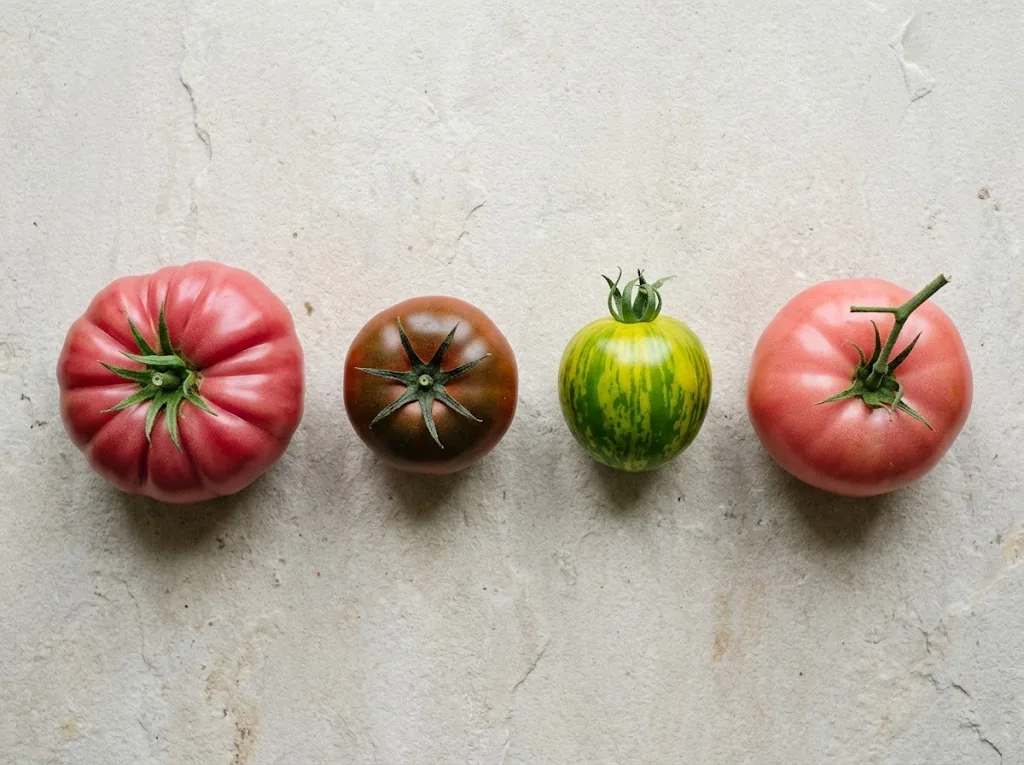
For a first heirloom tomato, choose one variety that fits your climate and a second for a trait you are curious about, such as striped skin or unusually large fruit. Growers who want fresh eating might start with a slicing type; cooks who plan to make sauce can add a paste type. This small trial makes it easier to compare flavor, plant size, and how much fruit each plant produces.
For a sauce-focused garden, compare these with paste tomatoes, which are selected for a different shape and kitchen use. If you have room, growing one slicer and one paste type can give you fruit for fresh meals as well as cooking.
The best heirloom for you is the one that fits your season, space, and taste. Read descriptions closely, since even varieties that share the heirloom label can differ in plant size, harvest timing, and how well they hold up in your climate.
Where to buy heirloom tomato seeds or plants
Look for seeds or healthy transplants from a reputable seed company, local nursery, or seed exchange. Read the full listing: it should identify the named variety, growth habit, expected fruit, and any disease resistance the seller claims. A seller’s use of “heirloom” does not mean the plant is organic, and it does not guarantee a particular flavor or harvest.
If preserving a variety matters to you, choose an open-pollinated seed source and keep the variety label with your plants. Open-pollinated seeds usually reproduce the parent’s traits when the plants are kept true to type, but tomato flowers can receive pollen from other varieties. University of Maine Extension notes that many heirloom tomatoes can cross-pollinate. Detailed methods for how to save seeds belong in our guide to open-pollinated tomatoes, but the practical takeaway is simple: buy fresh seed each year unless you are prepared to prevent unwanted crosses.
Heirloom seeds and transplants are available through specialty seed companies, local nurseries, and seed exchanges. UF/IFAS notes that heirloom fruit can sell for higher prices in Florida markets, but that does not mean every packet or tomato will cost more where you shop. Some gardeners buy heirloom tomatoes at a farmers market first, then choose a seed variety with similar color or flavor notes.
How to store and use heirloom tomatoes
Handle ripe fruit gently. Keep whole ripe tomatoes at room temperature, out of direct sun, and use them while their texture is still pleasant. Illinois Extension advises against refrigerating ripe tomatoes because cold storage can dull flavor and make the flesh mealy. Chill only fruit that is already very ripe and needs to be held, then let it return to room temperature before serving it raw.
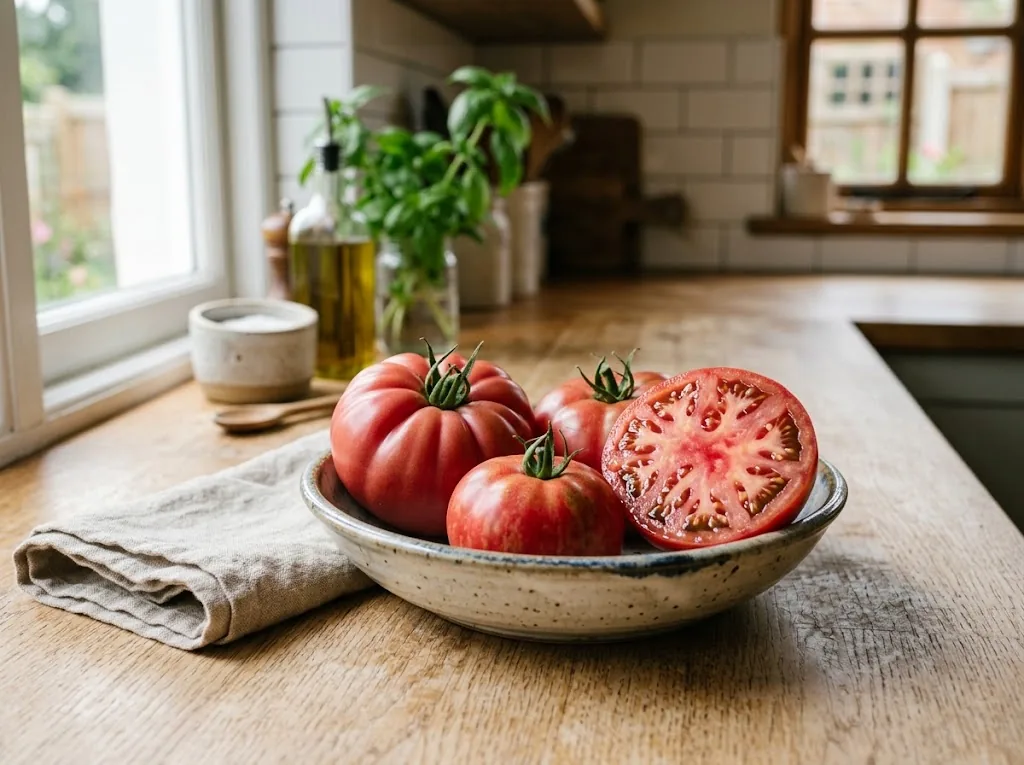
Slice a ripe heirloom simply with salt, add it to a sandwich, or pair it with basil and a little olive oil. Meaty fruit works well in cooked dishes; very juicy fruit can enrich a salad dressing or quick pan sauce. For longer storage, freeze or preserve tomatoes using a tested method. Illinois Extension’s tomato preservation guidance says heirloom tomatoes can be processed using the same directions as ripe red tomatoes.
How to choose the right heirloom for you
Choose by your growing conditions and how you plan to eat the harvest. A short season favors an early variety tested locally. A small garden may suit a compact plant, while an indeterminate vine needs room and support. Pick a variety for fresh slicing, cooking, or its appearance, then check whether it has useful disease resistance for your area.
Most of all, treat “best heirloom” as a personal question. Try one well-described variety, observe how it performs, and decide whether its flavor and growing needs fit your garden. That is a more reliable guide than assuming every heirloom is automatically tastier, older, or harder to grow.
Sources and further reading
- Seed Savers Exchange: What Are Heirloom Seeds?
- University of Florida IFAS: Tomato Cultivar Selection Considerations
- University of New Hampshire Extension: Growing Vegetables, Tomatoes
- University of Delaware Cooperative Extension: Heirloom Tomatoes
- University of Maine Cooperative Extension: An Introduction to Seed Saving
- Illinois Extension: Tomato, Home Vegetable Gardening
- Cornell Cooperative Extension: tomato variety profile
- Illinois Extension: Tomatoes, Food Preservation
