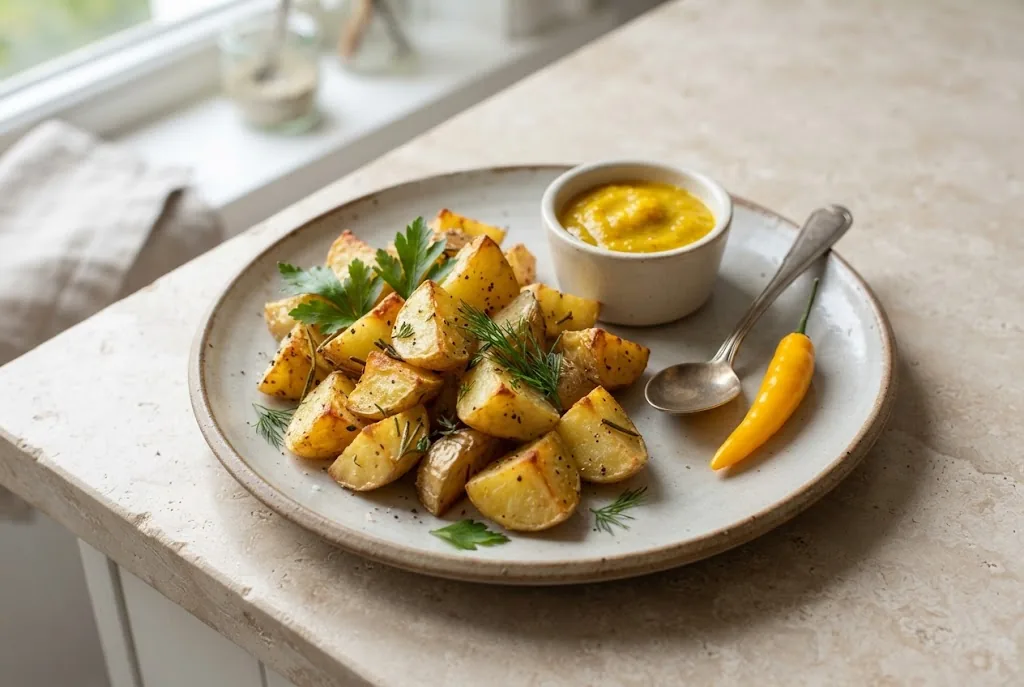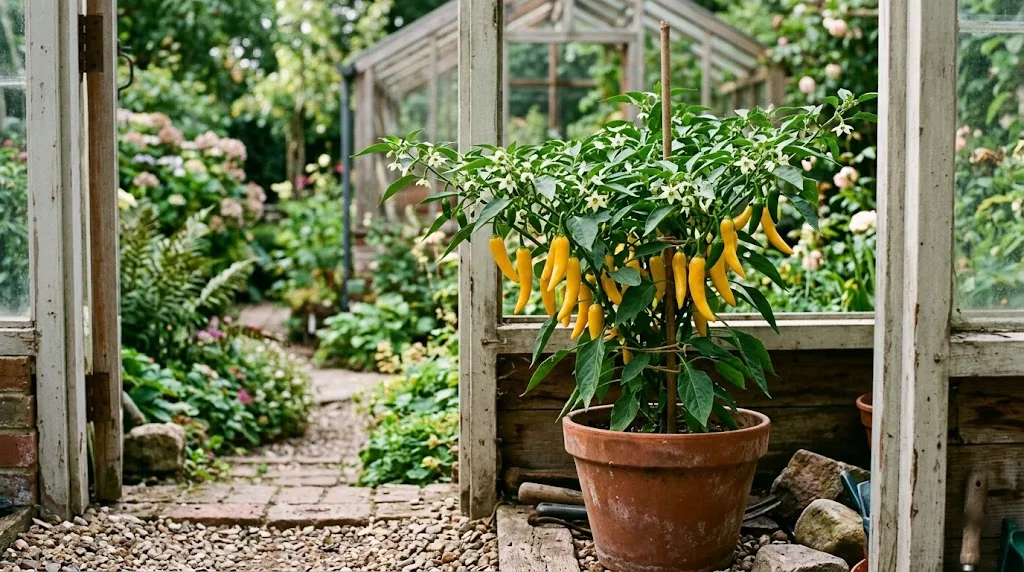
Aji Cito is a small, high-heat C. baccatum pepper with a narrow, tapered fruit that ripens from green to yellow. Some seed sellers call it one of the hottest peppers in its species, but heat and origin listings do not agree, so treat those details as estimates rather than a lab-verified identity. Reimer Seeds’ profile gives the pepper’s basic features and its 90-day estimate. If you are sorting out the wider pepper family, start with this guide to chili pepper varieties.
Aji Cito pepper seeds and origin
Reimer Seeds classifies the named pepper as an open-pollinated variety and lists Peru as its origin, while The Peppers Database says Bolivia. The name appears on open-pollinated seed listings, but published details remain limited. The available records do not establish a breeder, release date, or a single documented landrace history, so the national origin of this named selection is unsettled.
Research on regional Capsicum diversity gives context for the crop’s wider South American history, not a documented origin story for this selection. It is not Aji Amarillo, so do not substitute that pepper when a recipe depends on this pepper’s small fruit and strong heat.
Capsicum baccatum: fruit shape, color, and size
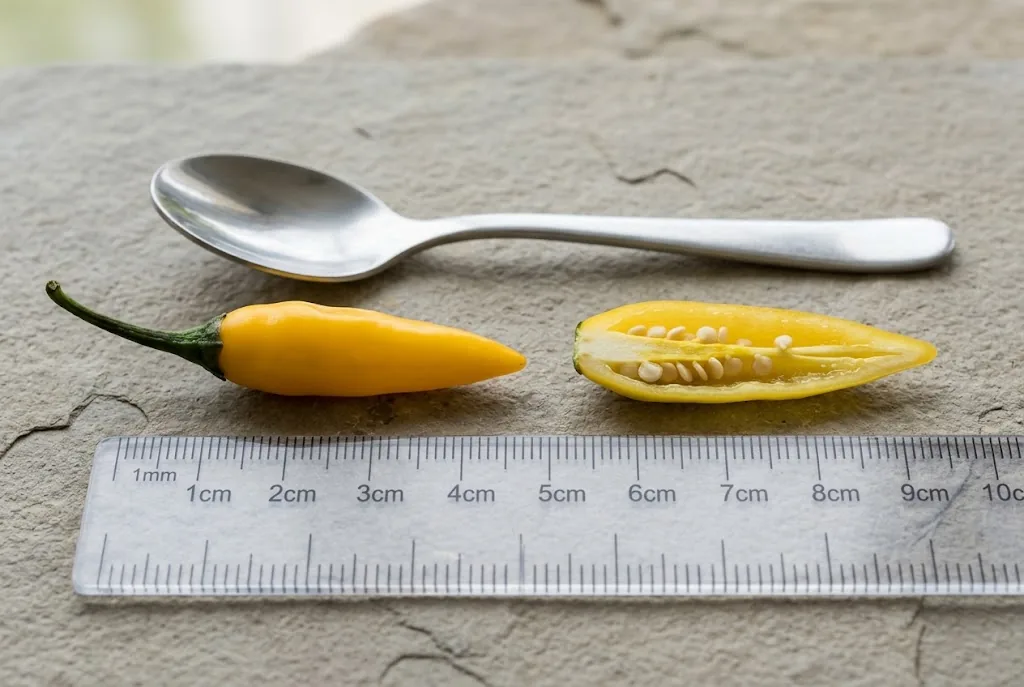
Seed sellers, including Reimer Seeds, describe a slim, slightly curved pod about 2 inches long and roughly half an inch wide. The fruit starts green and matures to yellow. Its walls are medium-thin, and the bush carries white flowers marked with greenish-yellow. Those traits are more useful for checking a seed label than a photo of an unripe fruit alone. Trade Winds Fruit notes some similarities to Aji Lemon Drop, so use the label and mature-fruit description when comparing seed packets.
Height listings differ: Reimer Seeds gives about 3 to 4 feet, while the Pepperfriends database describes a taller plant. Plan for a sturdy support and room for branching, then let the actual growth guide pruning and staking.
Heat and flavor: how hot is the pepper?
For Aji Cito, specialist heat listings vary widely. Pepperfriends lists 100,000 Scoville heat units (SHU), while a separate pepper database gives 30,000 to 50,000. No cultivar-specific lab result tied to a verified seed line was available in these references, so there is no dependable universal range. Treat both as estimates and start with a small piece, especially when adding it raw.
The seller descriptions emphasize high heat. Careful dosing is useful: too much can dominate a dish, especially when the pepper is added raw. For a C. chinense chili with a very different heat range, compare it with Dalle Khursani peppers.
Pepper seed growing: temperature, soil, and harvest
Start pepper seeds indoors about eight weeks before the expected outdoor transplant date. Sow them about a quarter inch deep in a clean seed-starting mix and keep them warm: University of Minnesota Extension recommends 80 to 90°F for emergence, while Reimer Seeds lists 80 to 85°F for hot peppers. Keep the mix evenly moist, not waterlogged, and give seedlings bright overhead light once they emerge. Germination timing depends on seed age and warmth; Reimer lists 14 to 28 days for its hot peppers, so do not treat a faster seller estimate as a promise.
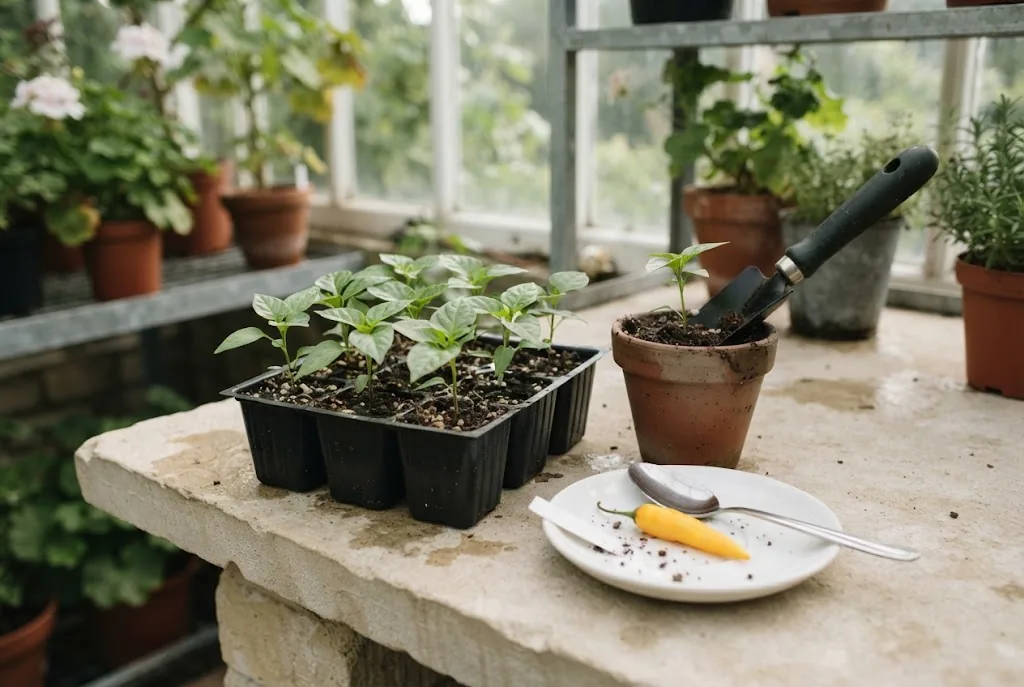
Move seedlings outdoors after frost danger has passed and nights are reliably warm. Harden them off gradually over a week or two, beginning in a sheltered spot with a little direct sun. Choose a sunny, well-drained bed or a stable container with drainage holes. A container-grown plant can be moved to shelter when cool nights threaten the season. Reimer’s listing gives an estimate of 90 days, but seed catalogs do not always count maturity from the same point; use it as a planning guide and watch the fruit. The crop can take longer in a short or cool season.
Keep soil moisture steady while flowers and young fruit develop. Avoid frequent shallow watering and water at the base when practical. C. baccatum can branch and grow tall, so a cage or stake can support the fruiting bush. If leaves look stressed or flowers drop, check moisture, temperature, and light before adding fertilizer. University of Minnesota Extension notes that overly hot days and cool or warm nights can weaken pepper growth.
Harvest and handling
Pick a pod when it has reached its mature yellow color and feels firm. Use clean snips instead of pulling, which can break a branch. A green fruit is immature but can still be used if you prefer a sharper, greener flavor; color alone does not confirm the seed line.
Because the pepper can be very hot, wear nitrile or other kitchen-safe gloves while cutting it, avoid touching your eyes or face, and wash your hands and tools after handling. Poison Control recommends gloves for hot peppers and warns that capsaicin can irritate skin and eyes.

Storing, preserving, and using the peppers
Refrigerate fresh peppers and use them while they are still firm. Utah State University Extension says fresh chile peppers can be refrigerated for up to two to three weeks. Freeze extra clean peppers in a labeled airtight bag if you plan to cook with them later; thawed peppers soften, so they suit sauces and cooked dishes better than a crisp garnish.
For flakes, powder, or seasoning, use a food dehydrator according to the appliance directions or follow a tested extension method. Utah State University Extension says chiles are ready when brittle, then transfer them to a plastic bag or glass jar. Let them cool before storage in a clean, dry cupboard, and grind only what you need.

Culinary uses
Use a small amount in salsa, a quick sauce, or a cooked bean or vegetable dish, then taste before adding more. The compact fruit is easy to underestimate; mince it finely and spread it through the food so the heat is even. If you want a different fruit shape and heat profile, compare it with Chile Costeño peppers.