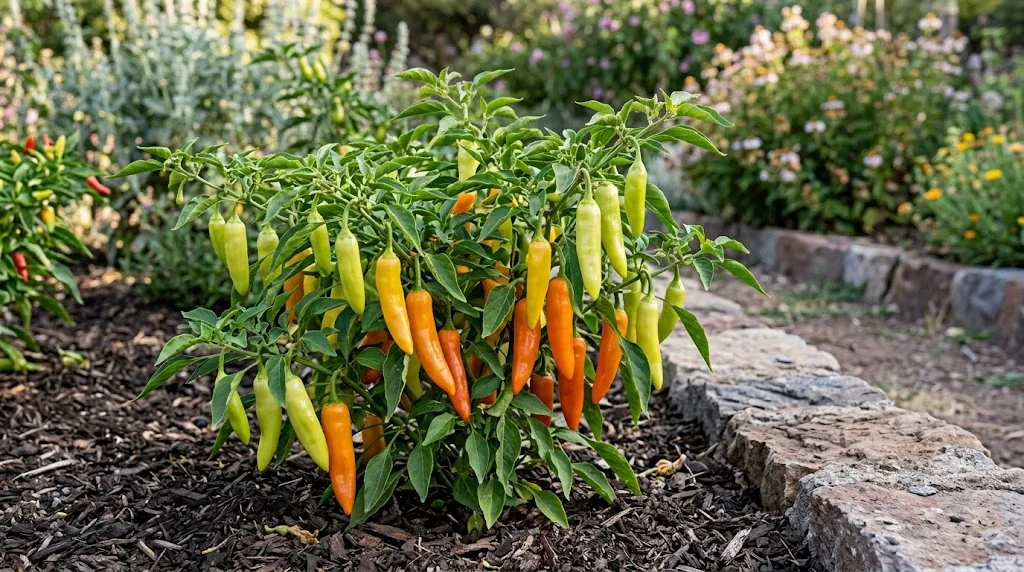
A pale green pod that looks almost translucent is the first clue that this Chilean pepper is ready for the kitchen. These peppers are crisp, juicy, and bright in flavor, and many growers pick them before they turn fully red. Here is how to recognize the variety, choose a harvest stage, and grow a plant that can keep producing through a warm season.
What is the Cristal pepper?
This Chilean hot pepper is Capsicum baccatum, the species behind most aji peppers. Seed listings and garden records describe a slender, pendant fruit about 3 to 4 inches long, with a glossy, waxy surface. It often starts pale green, with light green fruit later turning through yellow and orange toward light red or orange-red. The exact shape and final color can vary between seed lines. Baker Creek lists a slender 4-inch pod, while another seed seller describes fruit of roughly 2 by 8 centimeters.
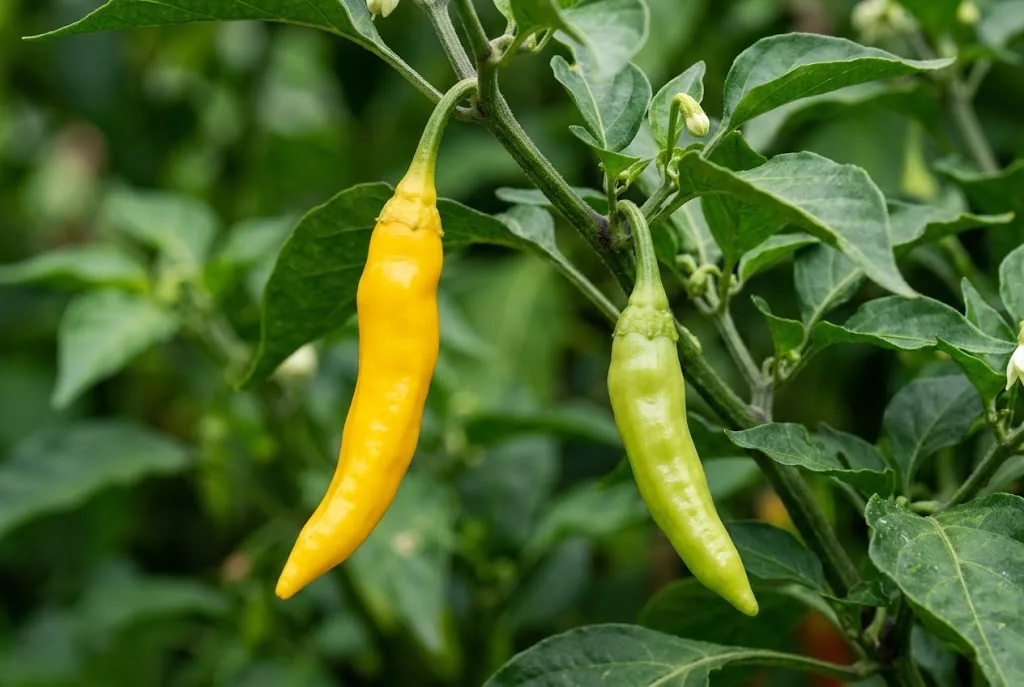
The name has some local variation. A Chilean food-biodiversity inventory records both Cristal antiguo and Cristal criollo with different plant and fruit descriptions. Treat catalog measurements as a guide to a seed line, rather than a guarantee for every plant sold under the name. A garden variety record traces this pepper to Curico, Chile, in the Maule Region. Together, the records point to a Chilean origin and several locally maintained Cristal forms, rather than one perfectly uniform description. Our broader guide to chili pepper varieties explains how this type fits among cultivated peppers.
How hot is Aji Cristal?
The Aji Cristal pepper has a noticeable, medium-to-hot bite, but use a seed-packet number as an estimate. Baker Creek describes its line at about 30,000 Scoville Heat Units (SHU); another seed seller gives a range of 15,000 to 30,000 SHU, while a variety database lists 30,000 to 50,000. These are reported figures from seed and variety sources, not a single standardized result for every crop. Growing conditions, seed line, and ripeness can all affect the experience. If heat matters, taste a small piece first and start with less than a recipe calls for.
The flavor is crisp and juicy, with a citrus-like, fruity tang. It is often sharper and more refreshing when the fruit is immature and still green; color deepens and heat may build as it ripens. That makes the pepper useful when you want fresh flavor and a clean kick without relying on a fully red pod. For a different growing profile in the variety group, compare it with Santaka peppers, a smaller-fruited pepper in a different species.
Growing Aji Cristal from seed
Give the plant a long, warm stretch and a sunny, sheltered position. Catalog estimates place maturity around 70 to 90 days, depending on the seller’s seed line and how days are counted. Baker Creek lists 90 days, while Chili Shop 24 lists about 70 to 80 days from planting. Treat these as planning estimates, not a harvest deadline. In a short-season garden, sow seeds indoors about eight weeks before the expected outdoor planting date.
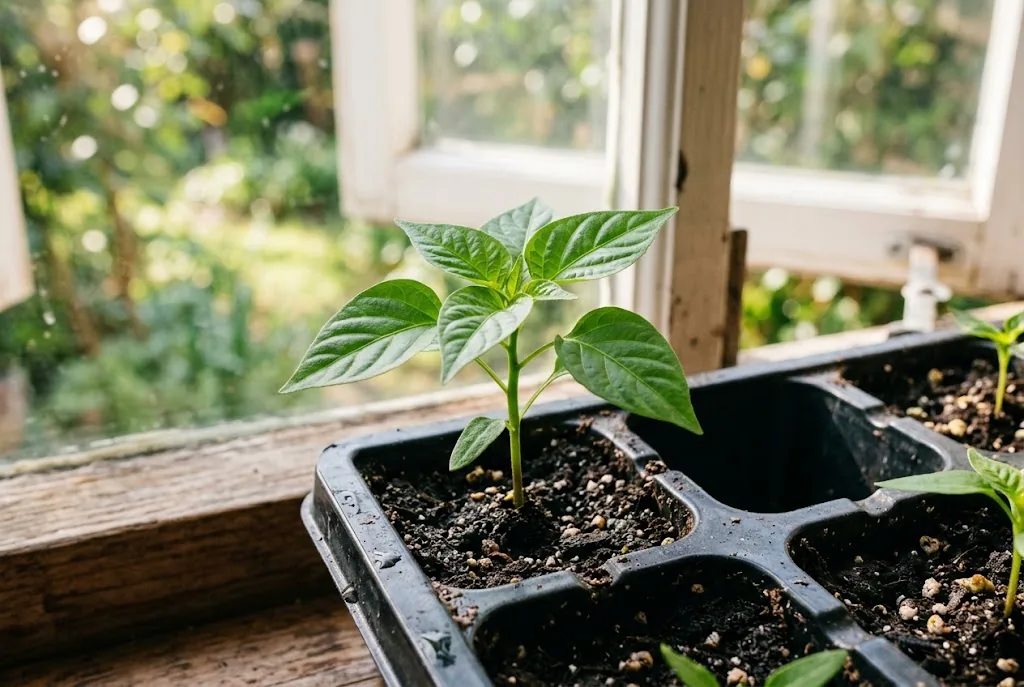
- Sow seeds about ¼ inch deep in a clean, fine-textured seed-starting mix. Keep the mix warm and evenly moist, not waterlogged. The University of Minnesota Extension recommends 80 to 90°F under a heat mat until seedlings emerge.
- Move each seedling under bright light as soon as it sprouts. Pot it on once true leaves appear and the roots need room.
- Harden plants gradually outdoors over one to two weeks. Transplant only after frost danger has passed and nights are mild; set the root ball at the same soil line it had in its pot.
- Choose full sun and fertile, well-drained soil, as Baker Creek recommends for its seed line. Give a garden plant roughly 18 inches of room, or use a large container with drainage holes and fresh potting mix. A stake or small cage can support branches once the fruit load grows.
- Water deeply when the top layer of mix begins to dry. Avoid a rigid calendar: container size, heat, wind, and plant growth change how quickly soil dries. Do not keep the roots sitting in water.
Seed sellers commonly describe this plant as branching and productive, but the harvest depends on warmth, light, and the length of your season. Keep plants protected from cold, and check your seed packet for the line-specific days-to-harvest estimate. For a separate variety that may appeal to gardeners seeking a mild, jalapeño-shaped option, see Nadapeno peppers.
When to harvest and how to handle the pods
Pick fruit once it has reached usable size and feels firm. Harvest green for a crisper, milder taste, or leave some pods on the plant to ripen yellow, orange, and red. Regular picking can encourage the plant to keep flowering, but remove fruit with clean snips rather than pulling hard on a branch. If you plan to save seed, leave a healthy pod until fully ripe and use seed from a plant that has not crossed with a nearby pepper variety.
Wear gloves when handling hot peppers, wash your hands thoroughly with soap and water, and avoid touching your face or eyes. Pepper juices can irritate skin and eyes. If juice gets in an eye, Poison Control advises rinsing with room-temperature water for 15 to 20 minutes. Seek medical help right away for breathing trouble or chest discomfort.
Storing, drying, and preserving
Use fresh pods soon for the best crunch, or refrigerate them for up to two to three weeks, as Utah State University Extension advises. Freeze whole or sliced fruit for cooked dishes. To dry a harvest, wash and slice the pods, then use a food dehydrator until the pieces are brittle. The same extension guide recommends storing dried chiles in a jar or bag at room temperature.
Preserving in vinegar can keep the tart, fruity flavor for a quick refrigerator snack, but a homemade jar is not automatically safe for pantry storage. Keep an improvised batch refrigerated. For a shelf-stable product, use a tested recipe and follow its ingredient ratios, jar size, and processing directions exactly. The National Center for Home Food Preservation explains why changing a canning recipe can change its safety.
Ways to use this Chilean pepper
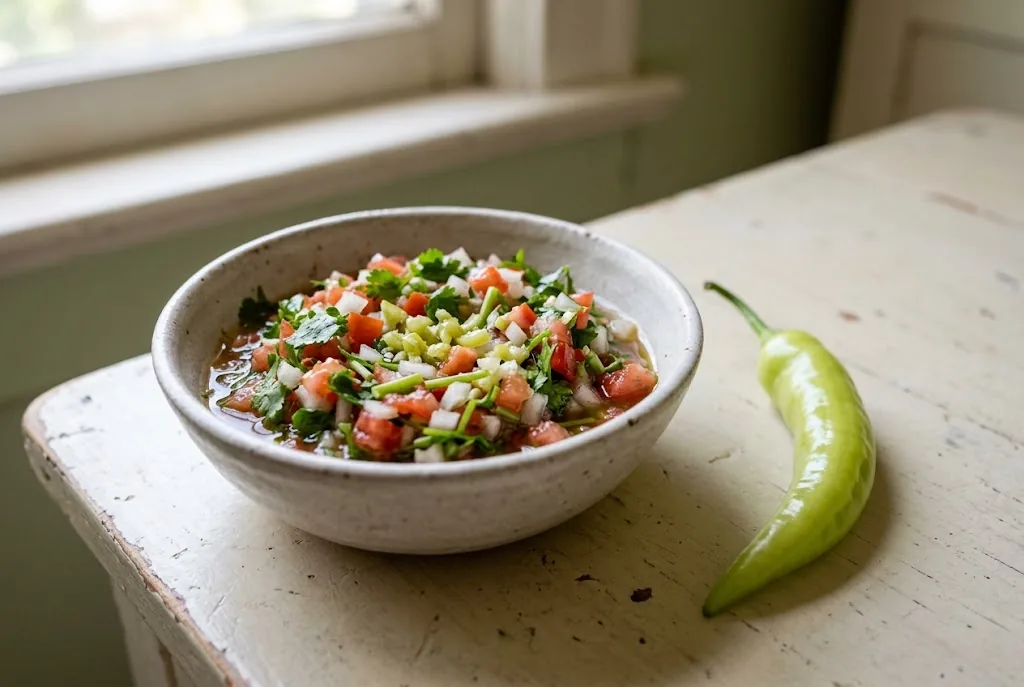
Fresh, pale-green pods are a natural fit for pebre, a Chilean salsa often made with cilantro, onion, tomato, and oil. Chili Pepper Madness’s pebre recipe combines tomato, onion, cilantro, garlic, chopped aji peppers, and oil. It uses aji amarillo, so a pale-green Cristal pod is a swap: chop a small amount and taste first. Add slices to a salad, or grill whole pods until their skins blister. The crisp flesh also works in a quick pickle kept in the refrigerator. Riper fruit brings deeper color to cooked sauces, soups, and hot sauces; taste as you go because the heat may be stronger than the green stage.
When you buy pepper seeds, look for the botanical name, a clear variety description, and a supplier that states whether the seed is open-pollinated or hybrid. Tatiana’s TOMATOBase notes that the variety was first offered in the Seed Savers 1998 Yearbook, and specialist catalogs such as Baker Creek list the variety. Packet descriptions can differ, so note the seller and harvest stage when you compare fruit from year to year.
Quick answers
Can you grow this pepper in a container?
Yes. Choose a generously sized pot with drainage, give the plant full sun, and check moisture more often than you would in a garden bed. A container can also be moved under cover when nights turn cold.
Should you pick it green or red?
Pick at either stage. Green fruit is often chosen for its crisp texture and bright flavor; fully ripened fruit is softer, more colorful, and may taste hotter. Try one from your own plant at each stage to find your preference.
How long do seeds take to sprout?
Under warm conditions, a seller may report sprouts in about a week, but germination can take longer. Keep the seed-starting mix warm and moist, and use the estimate printed on the packet for that seed lot.
