Capsicum chinense biquinho peppers are small Brazilian peppers with a pointed tip and mild heat. Unlike many fiery relatives in the same species, they are grown for crisp texture, fresh flavor, and usefulness fresh or pickled.
They are also called pimenta de bico or chupetinha in Brazil. This guide explains their botanical identity, mild heat, practical growing, preservation, and cooking uses.
Origin and history
The name means “little beak” in Portuguese, a reference to the point at the end of the pod. Brazilian research describes the group as aromatic and low- or non-pungent important in Brazil’s fresh and pickled-pepper market. That research is a better guide to its identity than treating every biquinho seed line as one named cultivar.
Individual seed lines can differ. For example, Embrapa identifies BRS Moema as a distinct cultivar within the biquinho varietal group. When buying seed, use the supplier’s description for the expected pod color, plant size, and heat, then save seed only from plants that match the traits you want.
Botany and plant characteristics
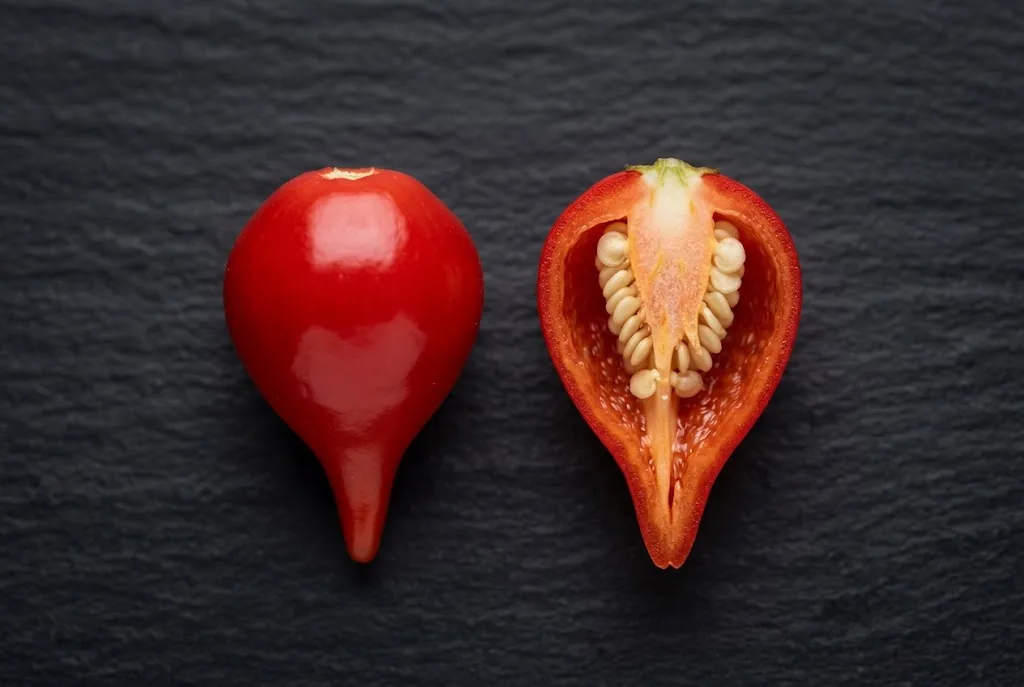
This is a broad pepper group, not one uniform cultivar. It belongs among the many types of chili peppers, but its small teardrop-shaped pods and pointed tip make it easy to recognize. Seed lines can differ in plant size, color, heat, and maturity time.
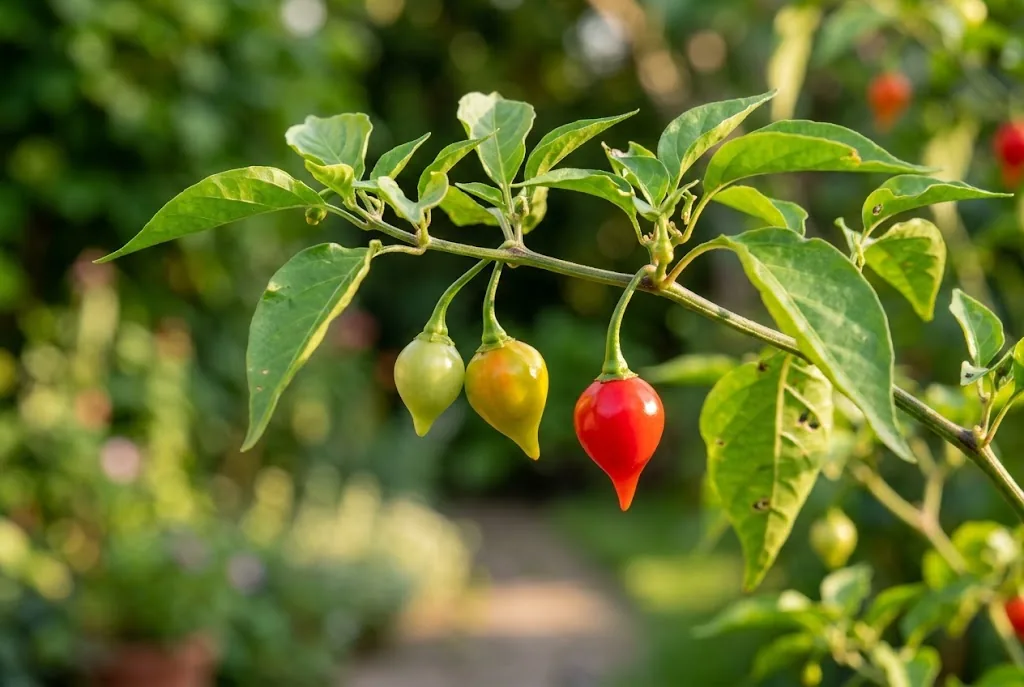
Use a named selection when you want predictable results. Embrapa describes BRS Moema, a biquinho cultivar, as about 60 cm tall and 1 m wide, with green fruit that turns orange and then red. Its fruits average about 2.6 cm long and 1.5 cm wide. Red and yellow biquinho selections are both sold, so check the supplier description for the color and size you expect.
Heat rating, pungency, and flavor
Sandia Seed lists its Yellow Biquinho at 500 to 1,000 Scoville heat units (SHU), which is mild compared with a jalapeño or serrano. That figure describes one supplier’s seed line, not every pepper sold as biquinho. Heat can vary, so taste a small piece before serving a large batch.
Ripe biquinho peppers are often described as sweet, tangy, and fruity. Their small size and gentle heat suit salads, grain bowls, cheese plates, quick sauces, and pickles. Pickled fruit adds acidity to rich dishes such as beans, roasted vegetables, and feijoada.
What are these peppers?
These are small, beaked peppers from Brazil. They are sold fresh or pickled and may be marketed under that name. The pointed tip gives the pepper its Portuguese name.
Green fruit is edible but usually firmer and more grassy than fully colored fruit. Choose a named cultivar or a supplier that states its expected color, heat, and maturity time, especially if you plan to save seed.
Choosing color selections
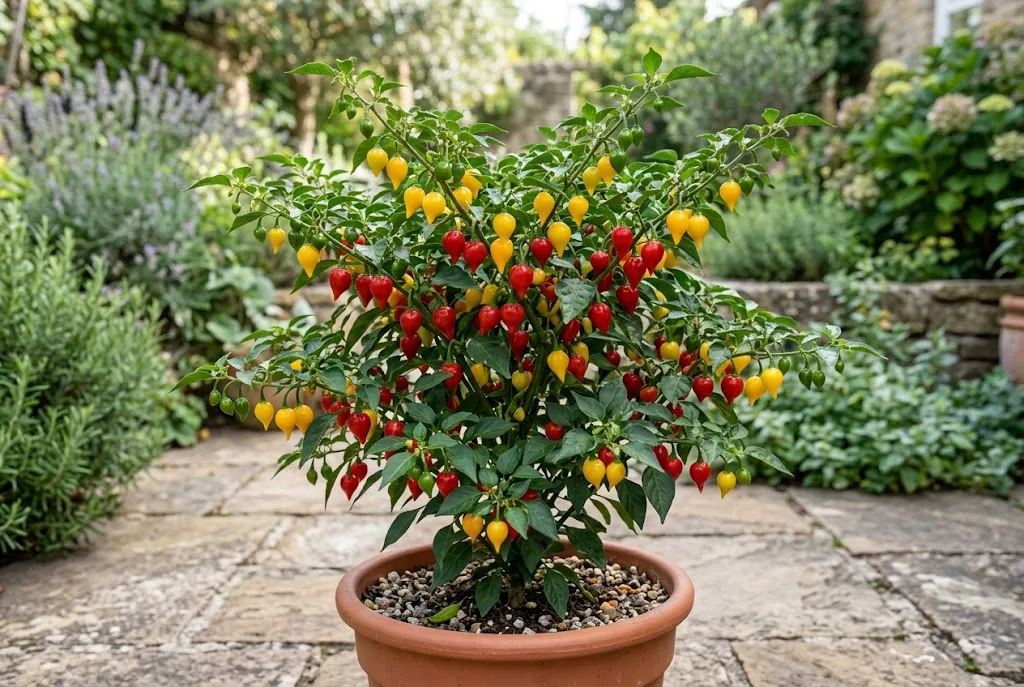
Red or yellow selections are commonly sold separately. Color does not tell you everything about flavor or heat, so read the seed description for the cultivar name, expected maturity time, plant size, and Scoville range. A named cultivar is the better choice when you want uniform pepper plants or intend to save seed.
Look for fresh fruit at specialty grocers, Brazilian markets, farm stands, or through growers who sell pickled peppers. Pickled jars are often labeled Sweety Drop. If you are buying seed, choose a reputable seed company and keep the packet details with the plant label.
Can you eat a biquinho pepper raw?
Yes. Wash ripe fruit, remove the stem, and taste one before adding more to a salad or appetizer plate. The seed line and growing conditions can affect heat. Raw peppers bring the freshest texture, while a vinegar mixture makes them tangier and softer.
Growing the plants
Start with seeds labeled for the color and heat you want. The familiar name describes the ripe pod’s pointed tip, but it covers more than one seed line. Label each plant, especially when you grow different color selections side by side.
These plants need a warm growing season to set and ripen fruit. Start seeds before the last frost date in your area, use grow lights for young seedlings if natural light is weak, and move plants outdoors only after gradual hardening off. The best information about growing a particular line still comes from the seed company that sold it.
Growing from seed
Start biquinho seeds indoors early enough for a long warm season, then transplant after frost risk has passed and the weather has settled. Follow your seed supplier’s germination and maturity guidance because biquinho selections differ. The Clemson Home and Garden Information Center guide offers regional growing advice.
Seed sowing and germination
Sow in a sterile seed-starting mix and keep the medium evenly moist, not saturated. Warmth helps pepper seeds germinate. Move seedlings into bright light as soon as they emerge, then pot them up once they have developed true leaves.
Transplanting and garden beds
Harden seedlings off gradually before planting outside. Choose a sunny site with fertile, well-drained soil and avoid low spots that stay wet after rain. Give plants enough room for air to move through the foliage, using the spacing on the seed packet for your selection.
Container cultivation
These peppers can work well in containers with drainage holes. Use a quality potting mix, water when the surface has dried, and move the pot to shelter if a cold spell threatens. A container also makes it easier to keep a favorite selection separate for seed saving.
Watering and nutrition
Water at the base of the plant and avoid waterlogged soil. Feed according to the fertilizer label and watch the plant rather than chasing a fixed schedule. Excess nitrogen can favor leaves over fruit, so adjust only when growth and flowering call for it.
Common problems
Slow growth, flower drop, and poor fruit set often follow cool weather, inconsistent watering, or a container that stays wet too long. Check drainage first, then look for pests under leaves and remove damaged fruit. If plants are healthy but the crop is late, use the supplier’s maturity time as a guide instead of assuming the pods will ripen on a fixed calendar date.
Harvest timing and handling
Use your seed packet’s days-to-maturity figure as a planning guide. For example, Sandia lists 90 days after transplant for its Yellow Biquinho line. Harvest when pods have reached the mature color described for your selection and feel firm.
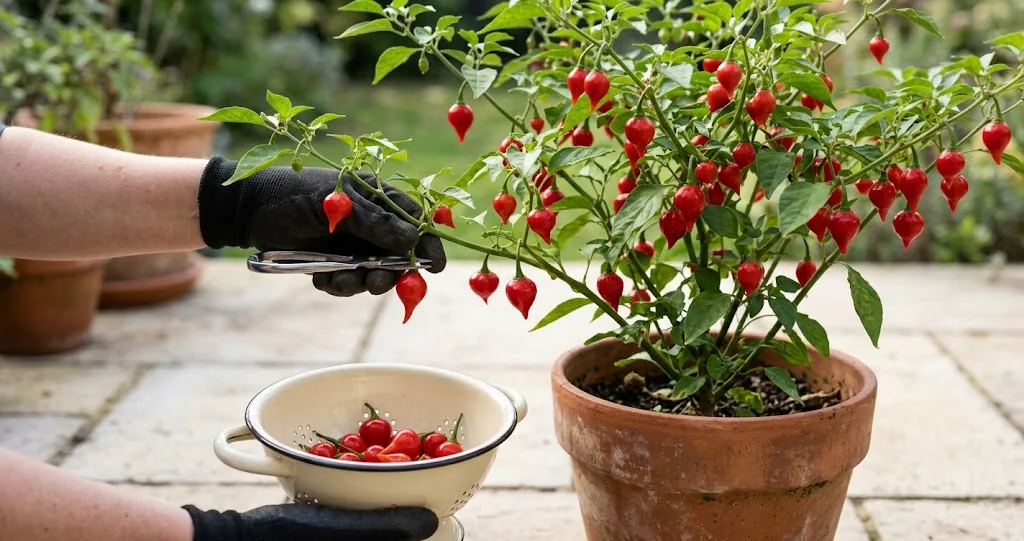
Snip fruit with clean scissors rather than pulling it from the plant. Wash hands after cutting peppers, and wear gloves if you are sensitive to capsicum or processing a large batch. Avoid touching your eyes while slicing.
Preserving Sweety Drop Peppers: Pickle, Dry, or Freeze
A productive plant can provide more fruit than you can use at once. Refrigerate, freeze, dry, or pickle the harvest using a method suited to how you plan to cook with it.
Fresh Storage and Freezing
For short-term storage, refrigerate clean, dry fruit and use it promptly. For longer storage, freeze whole, dry fruit in a single layer before transferring it to a freezer container. Frozen peppers work especially well in cooked sauces and stews, where a softer texture is less noticeable.
Dehydrating into Pepper Flakes
Thin-walled pods can also be dried in a food dehydrator. Follow the dehydrator manufacturer’s guidance and dry them until brittle before grinding. Keep the finished flakes or powder in an airtight container away from light and heat.
Pickling safely
For shelf-stable pickled peppers, use a tested recipe rather than adapting a brine or processing time. The National Center for Home Food Preservation’s tested pickled-pepper recipe specifies its vinegar, proportions, jar size, and altitude-adjusted water-bath times. Keep the recipe’s acid ratio and process exactly as written. For a quick refrigerator pickle, use a tested refrigerator-pickle recipe and store it refrigerated rather than assuming it is shelf-stable.
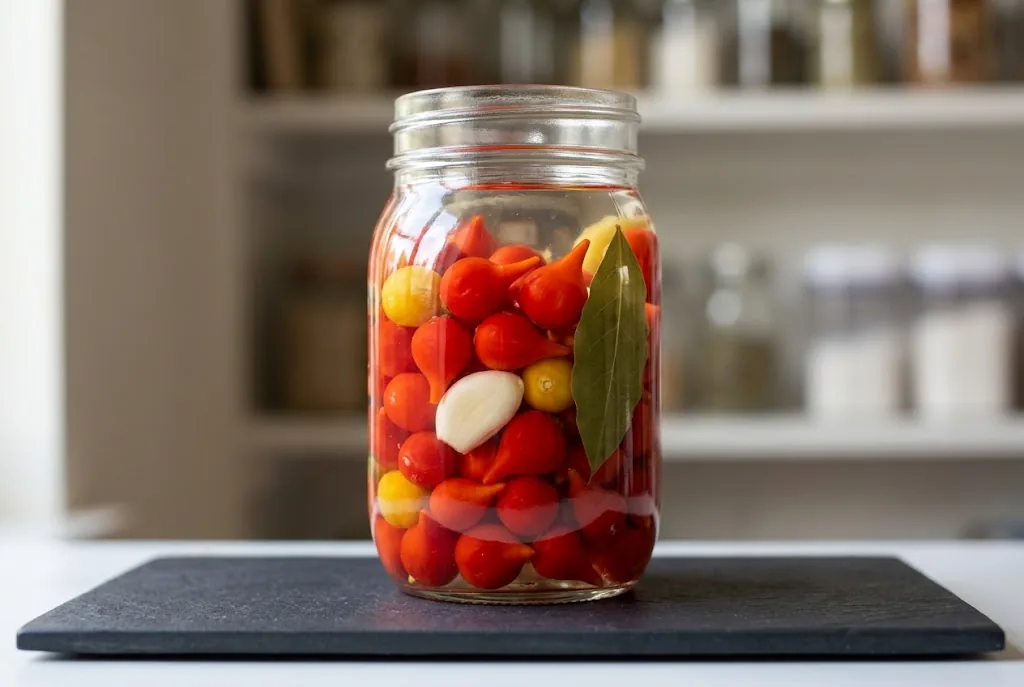
A simple refrigerator pickle is useful for a small harvest, but refrigeration does not turn an improvised mixture into a canning recipe. Keep notes on the seed line and harvest date if you are comparing color selections or deciding what to grow next season.
Culinary uses: pickled biquinho in salad and feijoada
Pickled fruit offers a tangy touch of heat without turning a meal into a hot-pepper challenge. Add it to a salad or serve it before a meal when you want a small pepper with fruity flavor.
Biquinho peppers work best where their mild heat and tang can lift rich or creamy food. Use fresh or pickled pods in salads, grain bowls, bean dishes, and quick pan sauces.
Cheese and charcuterie boards
Set out pickled biquinho peppers with aged cheese, cured meat, bread, and olives. Their acidity cuts through rich foods without overwhelming the rest of the board.
Fresh salads and grain bowls
Add whole or halved fresh or pickled peppers to greens, beans, grains, cucumber, tomato, and citrus dressings. Taste first, then add enough to suit the heat of your particular batch.
Feijoada and hearty stews
Serve pickled biquinhos beside black bean stew, collard greens, or roasted vegetables. Add them at the table so their bright flavor stays clear.
Pizzas, flatbreads, and salsas
Scatter halved peppers over pizza or flatbread after baking, or combine fresh fruit with mango, red onion, cilantro, and lime for a salsa. Their gentle heat gives cooks a useful alternative when a dish needs more flavor than fire.
