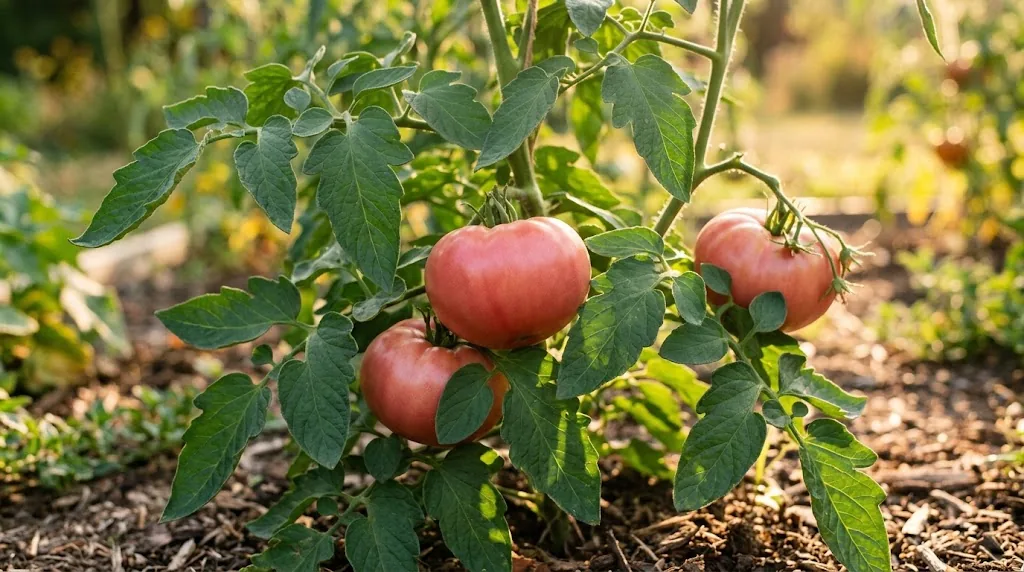
A Brandywine tomato is a favorite with home vegetable gardeners who want a large, rosy beefsteak with rich, old-fashioned flavor. The plant asks for space, sturdy support, and patience. The name covers more than one strain, so color, size, and maturity can vary. Here is how to choose tomato seeds and grow the classic pink-fruited type.
Where did Brandywine tomatoes come from?
Brandywine has a long history, but the name does not always refer to the same lineage. A Seed Savers Exchange history describes the original as a commercial, red-fruited tomato introduced by Johnson & Stokes in January 1889 and says the familiar story of Amish origins is mythology.
The pink, potato-leaf beefsteak many gardeners picture is often sold as Brandywine (Sudduth’s Strain). According to Victory Seed Company’s strain history, tomato collector Ben Quisenberry received its seed from Doris Sudduth Hill, whose family had reportedly grown it for decades. The family’s original source is unknown, and its connection to the 1889 commercial type has not been established. Read the full strain name on the packet before choosing seeds.
How do Brandywine tomatoes look and taste?
Botanically, tomato is Solanum lycopersicum; the Sudduth selection is an open-pollinated, indeterminate beefsteak with potato-style foliage. Its broad, slightly flattened tomatoes have rounded shoulders and deep pink skin when ripe. Supplier figures vary: Victory Seed Company lists Sudduth fruit at 14 to 36 ounces, while the Cornell variety database lists pink Brandywine fruit up to 2 pounds. For maturity, Victory lists 80 days and Territorial Seed lists 85 days; those estimates describe each supplier selection. Check the packet for the strain and estimate you are buying.
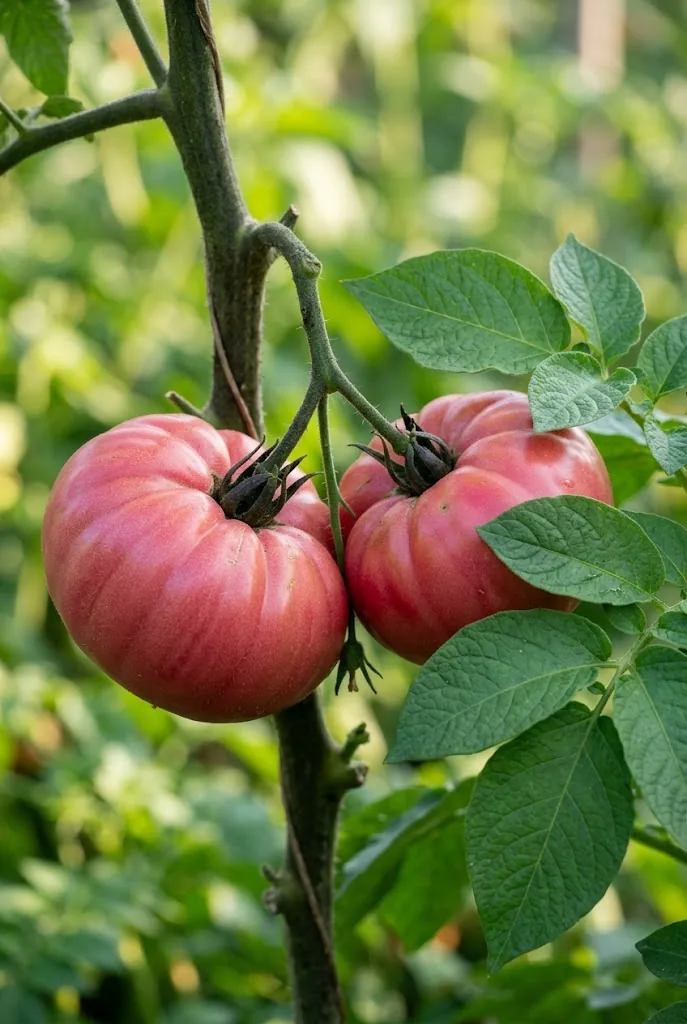
Flavor is the reason many gardeners make room for this old-fashioned tomato. The ripe flesh is juicy and meaty, with a rich, sweet-tart taste. University of Arkansas Extension praises its flavor but notes that it had among the lowest yields of the more than 40 selections its vegetable specialist grew. It may suit a gardener who prizes a few large slicers over a heavy crop. There is no single objectively best-tasting tomato; flavor depends on the person, ripeness, and growing conditions. Browse the tomato varieties hub to compare options.
How do you grow Brandywine tomatoes?
Plan for a tall plant and heavy fruit. Start seeds indoors roughly six to eight weeks before your last frost date, then harden off seedlings before planting outside. Set them out after frost danger has passed and the soil has warmed. Choose a sunny spot with well-drained soil and full sun. Install a sturdy 6- to 7-foot stake or tall cage when you plant, before the roots spread. This indeterminate vine keeps growing and setting fruit through the season, so a short cage may not be enough.
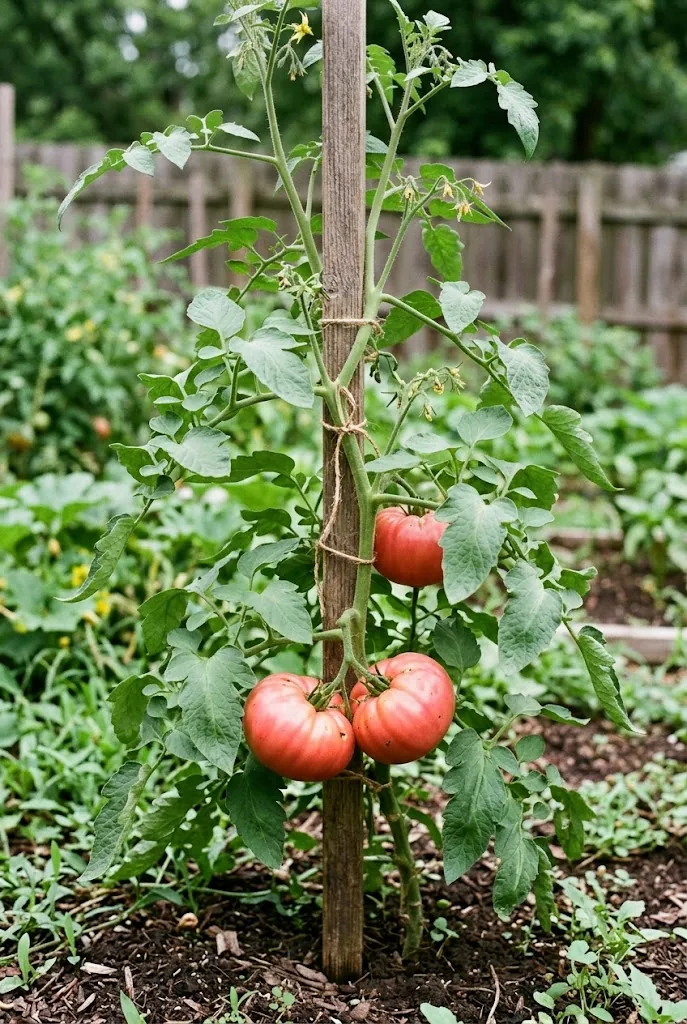
Water deeply and consistently at soil level, especially as the crop enlarges. Mulch can help the soil hold moisture. Sudden swings from dry soil to heavy rain can split ripening tomatoes; remove damaged ones and keep watering as evenly as you can. Give plants room for air to move through the leaves, and avoid pushing leafy growth with excess nitrogen. Penn State Extension’s tomato staking guide explains why early support and good spacing help manage a vigorous plant. For a comparison while planning a long-season bed, see the Arkansas Traveler tomato profile.
Seed listings do not show a consistent set of disease-resistance codes for this strain. Check the supplier’s current packet and your local Extension recommendations. Large fruits can crack, and plants may develop disorders when growing conditions fluctuate. Pests vary by region, so monitor leaves and fruit regularly and identify the problem before choosing a treatment. Penn State Extension’s home tomato disease and disorder guide covers cracking, blossom-end rot, and other symptoms.
Because maturity estimates can approach three months from transplant, count back from the first likely fall frost in your area. In a short season, an early indoor start and a warm, sunny planting site give the crop more time, but the actual harvest date depends on weather and the strain.
When are Brandywine tomatoes ready to harvest?
Use color and feel together. The classic pink strain changes from green to rosy pink as it ripens; its shoulders may retain a greenish cast, so do not wait for every patch to turn pink. A ready tomato has developed its expected color and yields slightly to gentle pressure while remaining firm. Check the plant often once color begins to show. Clip the stem or twist gently so a heavy slicer does not pull down a branch.
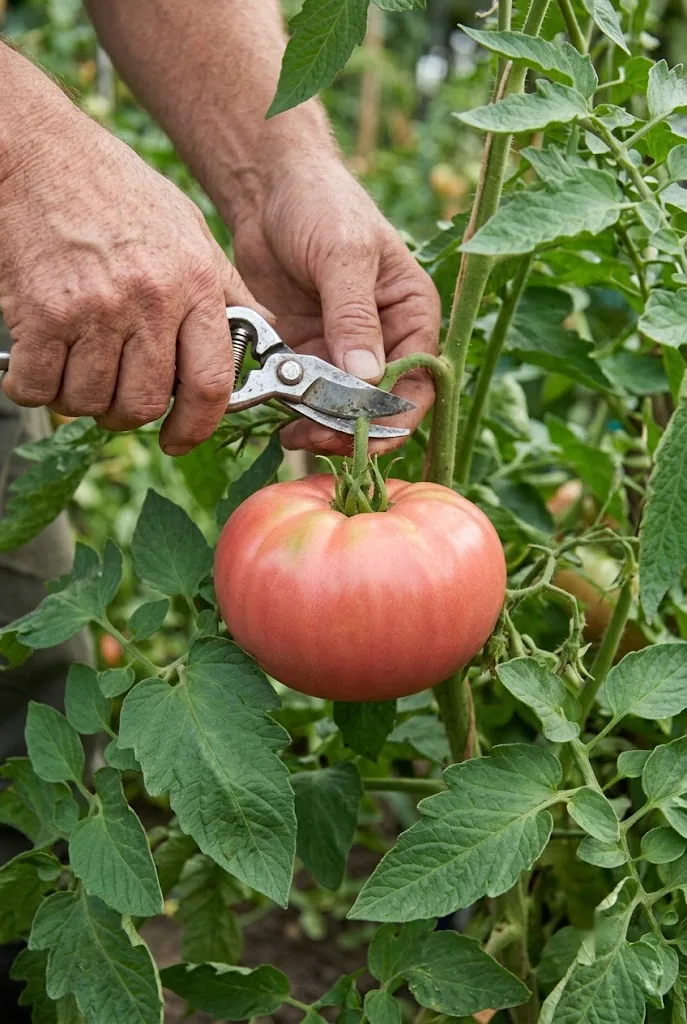
In hot weather or ahead of heavy rain, pick the mature slicers as soon as they start to color and let them ripen indoors. This can reduce exposure to cracking and heat-softening. Illinois Extension’s tomato guide covers this harvest timing.
How should you store and preserve the harvest?
Use ripe tomatoes soon after picking for the best texture. A UF/IFAS consumer guide advises keeping whole tomatoes unrefrigerated and chilling cut pieces within two hours. Illinois Extension notes that refrigeration can dull fresh tomato flavor.
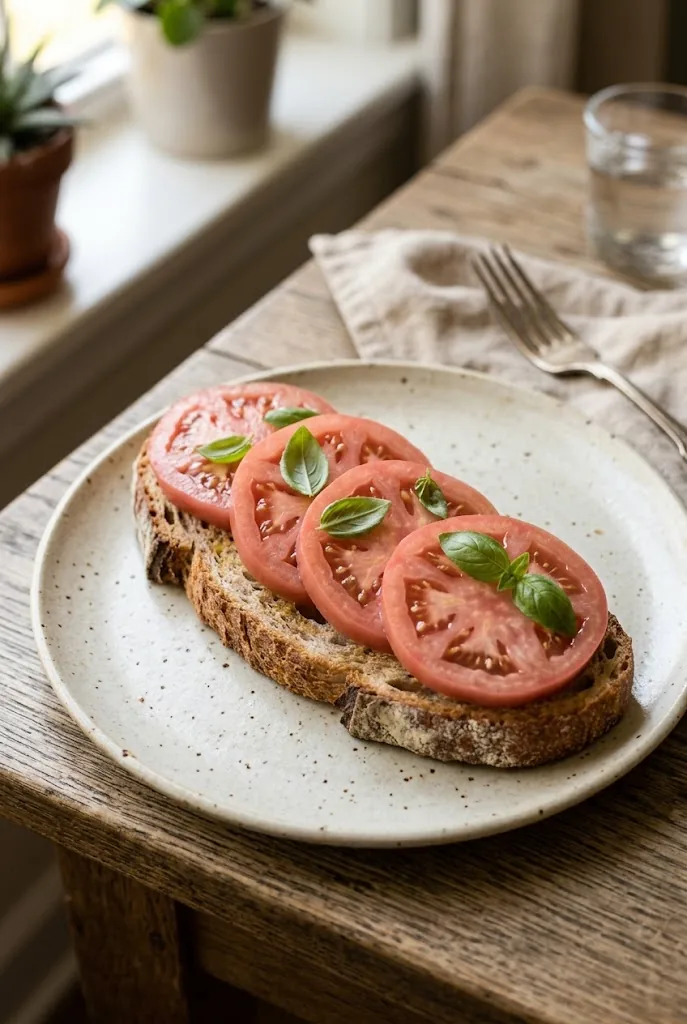
For a larger harvest, freeze tomatoes whole or chopped for cooked dishes, or make sauce and freeze meal-size portions. These juicy beefsteaks work well sliced for sandwiches, layered on toast, or chopped into a fresh salad. If you want to can tomatoes, follow a tested recipe and its specified acidification exactly. Do not rely on taste or a tomato’s acidity as a safety check; the National Center for Home Food Preservation provides tested tomato canning directions.
How can you use this tomato?
The broad, meaty slices make a natural fit for a tomato sandwich: add a little salt, pepper, and mayonnaise, or pair them with fresh basil. Thick pieces also hold their shape on toast and grilled bread. For a simple salad, slice the tomatoes into wedges and dress lightly with olive oil, vinegar, and herbs. Overripe slicers can be trimmed and cooked into sauce if the flesh is sound and free of mold or spoilage.
This is a good choice for gardeners who enjoy an old-fashioned, large-fruited slicer and have room to support a long-season plant. Choose a clearly described strain, keep moisture steady, and harvest when the fruit is pink and just yielding. If dependable yield or an earlier crop matters more, compare it with Black Krim before planting.
