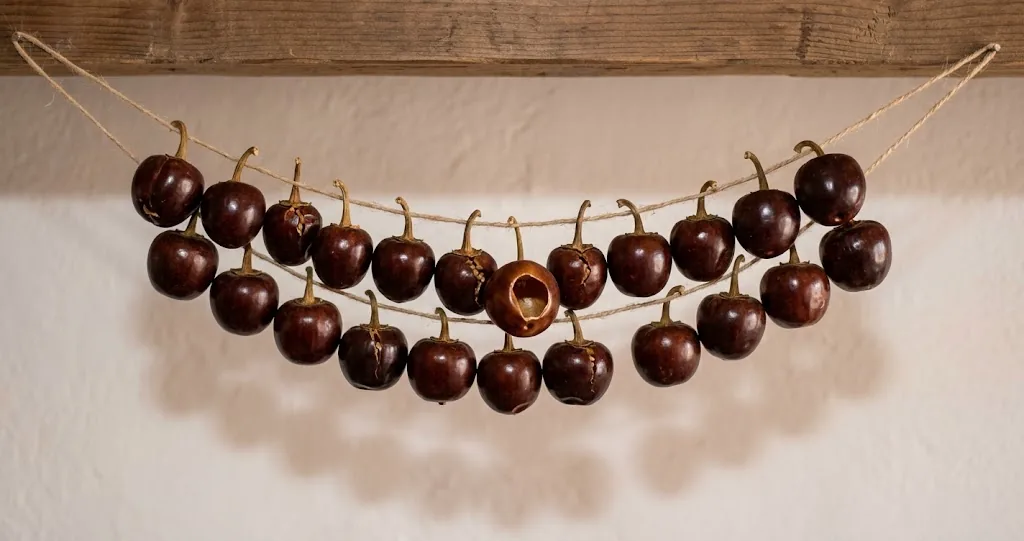
The small Mexican chile is usually sold dried. Its name refers to the rattle made by loose seeds inside a dried pod. The round, dark red-brown chile is commonly classified as Capsicum annuum; its mild-to-moderate heat and earthy, nutty character make it useful in salsas, sauces, soups, and stews. Specialty Produce’s cascabel reference describes the pod, its Mexican origin, and common culinary uses.
What is the cascabel chili?
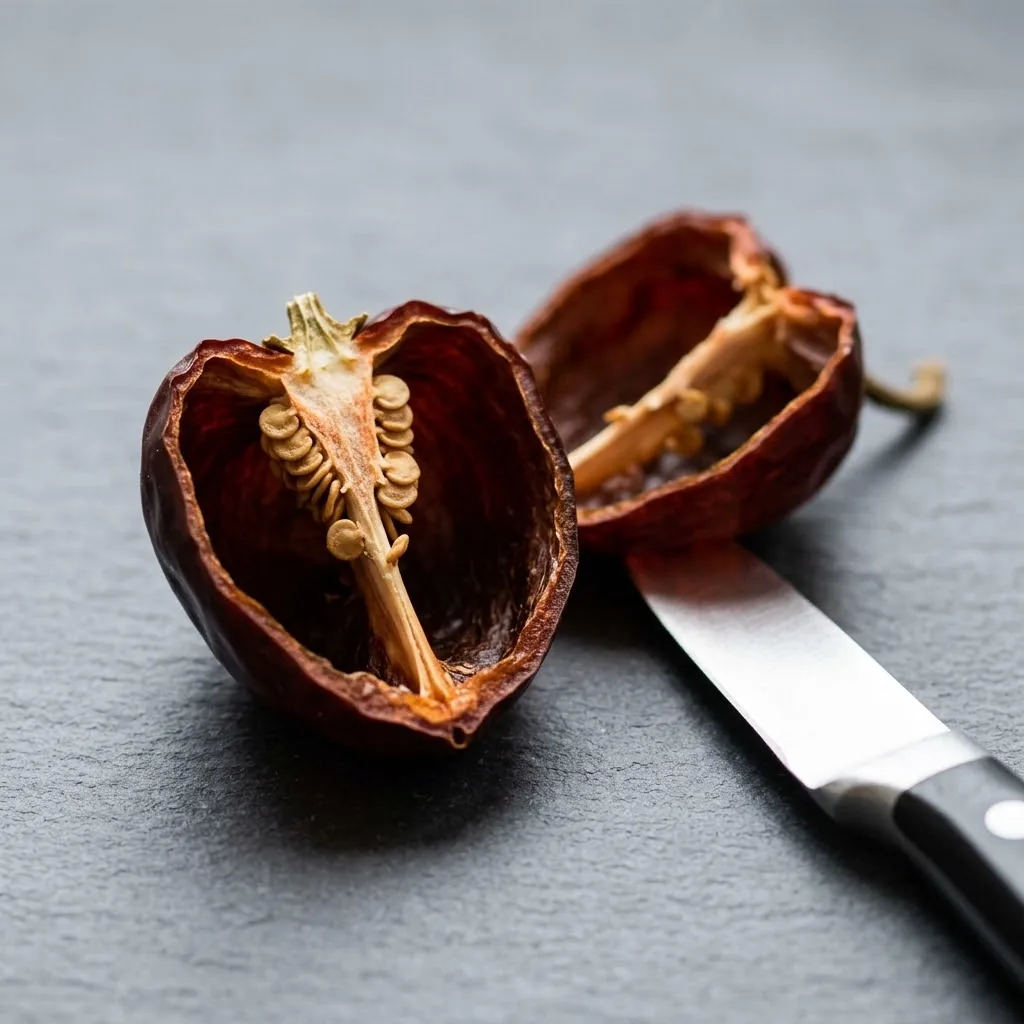
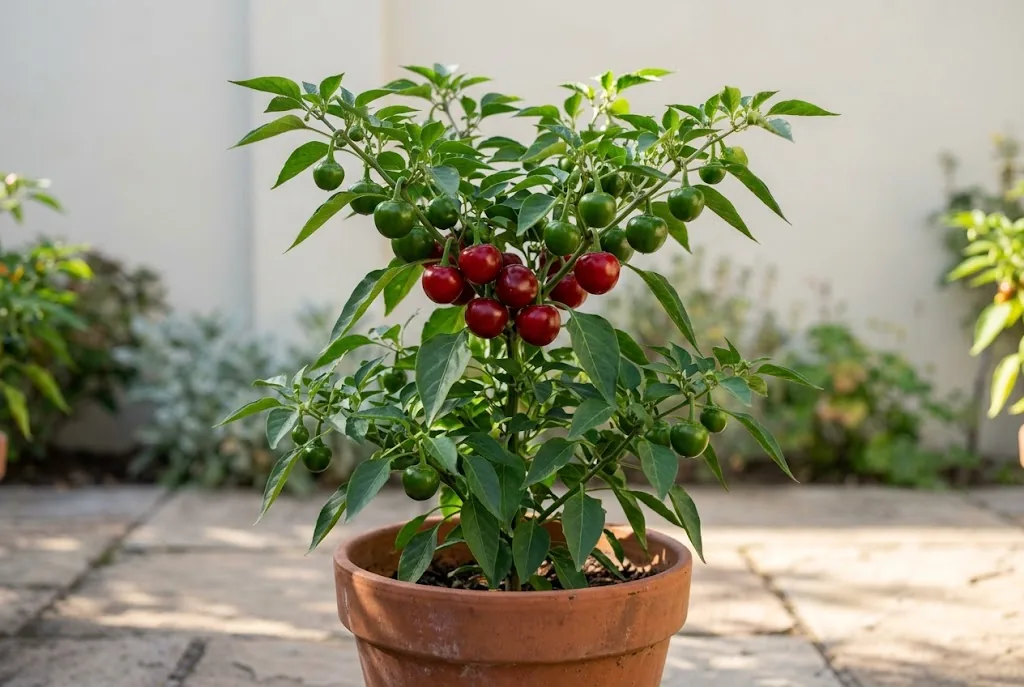
This chili is the dried form of a small, round, smooth-skinned pod that ripens to a deep red on the plant. The name comes from the Spanish word for rattle, because loose seeds move inside the dry shell. In English these are sometimes called the Mexican rattler. The fresh form, sold before drying, is called a bola chili, which simply means ball.
The variety is often grouped with Mirasol-type Mexican chilies, but commercial naming can vary by region and supplier. The useful identification clues are simpler: look for a small, rounded dried pod with a hollow seed cavity and the sound of loose seeds. For the broader landscape of named varieties, see the wider pepper variety guide.
Origin and history
These peppers are native to Mexico and are sold dried in several producing regions, including Jalisco, Guerrero, Durango, San Luis Potosí, and Coahuila. Their detailed cultivar history is not well documented, so it is better to avoid assigning a precise colonial-era story to every pod. What is clear is the modern culinary role: the dried pods are used to flavor sauces, salsas, soups, and stews.
Botany and technical facts
Species and group
The variety is generally identified as Capsicum annuum, the same species that includes many familiar cultivated peppers. Sources also describe it as a Mirasol cultivar or type. Because pepper names can be regional and seed lines vary, buy seed or dried pods from a seller that names both the variety and the botanical species rather than relying on a photo alone.
Pod shape, size, and color
Dried pods are small, round to oval, and commonly around 2 to 3 cm across. Fresh fruit ripens from green to red and may be sold as chile bola. Drying deepens the color toward dark red-brown and leaves a hollow cavity where the seeds can move freely. Pod size and color can vary by source and harvest.
Plant habit
Seed sellers may describe plant height, fruit set, and maturity differently for their own seed stock. Treat those figures as cultivar-specific rather than as guarantees for every plant sold under that name. A named seed packet is the best source for its own spacing, maturity, and container advice.
Heat and flavor profile
Published heat figures vary. Specialty Produce lists this pepper at 1,500 to 2,500 Scoville Heat Units, while one supplier specification allows a much wider 1,500 to 10,000 SHU range. That variation is a practical reason to toast one pod, taste the sauce, and add more only if needed. Expect earthy, nutty, savory notes rather than extreme heat. The most useful nearby comparison is guajillo, another dried Mexican chile that is longer in shape and often described as brighter in flavor.
Growing the variety at home
Starting seeds
Start with fresh, accurately labeled seed and follow the seller’s directions for that lot. This variety is not Cascabella, the similarly named yellow wax pepper, so verify the botanical name and fruit description before planting. For general seed-starting and transplant guidance, use a trusted local extension service or a dedicated pepper-growing guide for your climate.
Transplanting and care
Harden seedlings off before transplanting and give them the warm, sunny conditions recommended for peppers in your area. Use a free-draining growing medium and water consistently rather than following a fixed schedule. For fuller general guidance, see our soil and pH guide.
Common problems
Check plants regularly for chewing damage, sap-feeding insects, and signs of disease, then use locally appropriate integrated pest-management advice. Support branches if fruit weight makes them bend or touch wet soil. Avoid treating this pepper as unusually drought-proof or unusually disease-resistant without evidence for the particular seed line and garden.
Harvest and handling
For the dried style, allow the fruit to ripen fully before harvesting, then dry it thoroughly in a clean, airy method suitable for your climate. The finished pod should be dry enough for the seeds to rattle. Discard any pod with visible mold or an off smell.
Handle cut chilies with care and avoid touching your eyes. Dry whole fruits only until they are thoroughly dry, then store them promptly. The rattling seed sound is a useful cue, but dryness matters more than a fixed number of days because humidity and drying method differ from kitchen to kitchen.
Storing dried pods
Store thoroughly dried pods in an airtight container away from heat and direct sunlight. Freezing is a practical option for longer storage. Check stored chilies periodically and discard any with mold or a musty smell. Storage conditions, rather than a promised number of months, are the important variable.
Cooking with cascabel
Quick toast and soak
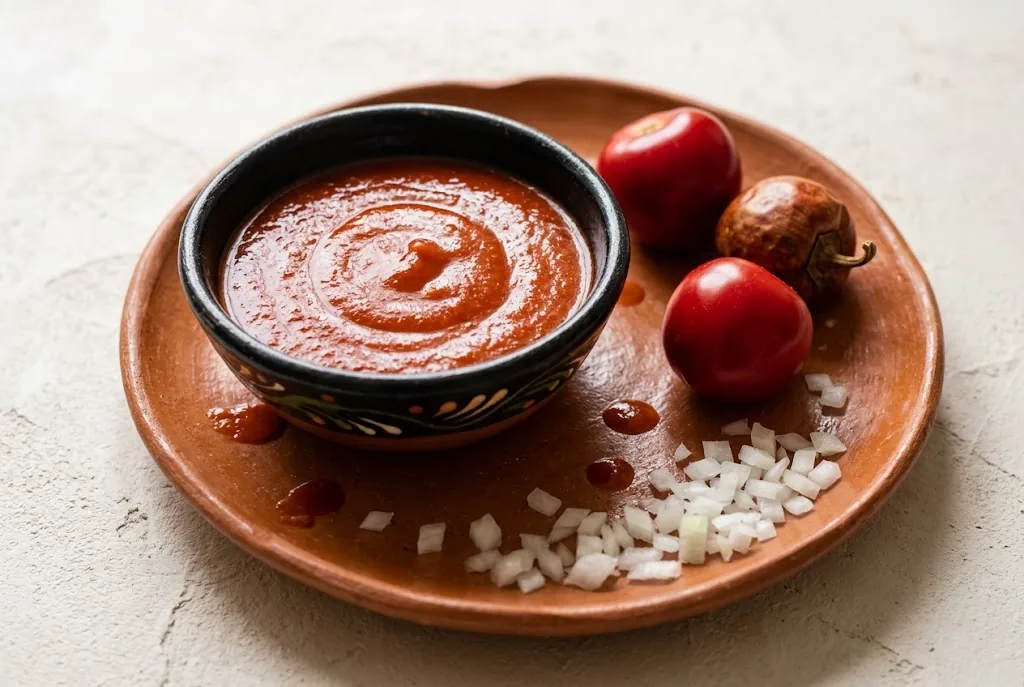
The fastest way to unlock the flavor is a dry toast. Pull the stems and tap out most of the loose seeds (or leave a few for a hotter salsa). Heat a flat pan on medium, lay the pods in a single layer, and press them flat with a spatula for 10 to 20 seconds per side until the skin smells toasty and starts to blister in places. Do not walk away: thin-walled pods burn in under a minute. Cover the toasted pods with hot water for 15 to 20 minutes to soften, then drain and blend with garlic, onion, a splash of vinegar, and a pinch of oregano for a table salsa, or stir into a pot of beans or shredded-pork tacos.
Cascabel salsa
A classic salsa combines 6 dried pods, toasted and soaked, with a quarter onion (raw or charred), 1 garlic clove, 1 tablespoon of lime juice, a splash of the soaking water, and salt to taste. Blend smooth, push through a mesh strainer for a clear bright red salsa, and serve with grilled meats, eggs, or tlacoyos. The pods contribute a deep mahogany color and a slow-building warmth that does not overwhelm fresh cilantro or lime.
Soups, stews, and beans
Try cascabel in a pot of beans, a braise, tortilla soup, or a blended sauce. For a fuller chile mixture, blend the rehydrated puree with a small amount of poblano or ancho and taste as you go. Its round, earthy profile is especially useful when you want depth without relying on a very hot chile.
Beyond Mexican cooking
The nutty, slightly smoky profile works in any recipe that calls for a mild dried red pepper or a smoky note without the burn of a chipotle. Try the pods in a chili-style crisp, where the toasted-nut note sits well alongside garlic and ginger. Stir a rehydrated puree into a tomato pasta sauce for an earthy edge without the heat of a Calabrian chili pepper, or use the puree in a slow-cooker stew to deepen the broth. Or grind dried pods in a spice grinder and dust roasted vegetables, popcorn, or grilled corn for a warm earthy finish.
Buying and substituting
Look for intact, dry pods from a seller that labels them clearly. This pepper is not interchangeable with every dried Mexican chile, so choose a substitute by the dish you are making, then adjust its quantity to the heat and flavor of the replacement. For the wider set of dried chilies used in Mexican cooking, the dried chilies reference covers common options.
Frequently asked questions
How hot is the dried cascabel?
Sources often place cascabel in a mild-to-moderate range, but the published Scoville figures vary by source and product. Start with one pod in a sauce or stew, taste, then add more if you want extra heat.
Is the cascabel the same as every other dried Mexican chili?
No. Cascabel is its own variety within the annuum species. Some elongated Mirasol cousins carry more tang and brighter color, while cascabel is small, round, and nutty with a mahogany tone. A salsa made with one of the elongated cousins leans bright and acidic; one made with cascabel leans earthy and rounded.
Can you eat the pods raw?
Dried cascabel is usually toasted briefly and rehydrated before blending into a sauce or salsa. Fresh fruit may be handled differently by region and recipe, so use a trusted recipe rather than assuming it behaves exactly like another small red pepper.
How long do the dried pods keep?
Keep dried pods airtight, cool, dark, and dry. Freezing can extend storage, but inspect the chilies before use and discard any with signs of spoilage rather than relying on a fixed shelf-life promise.
