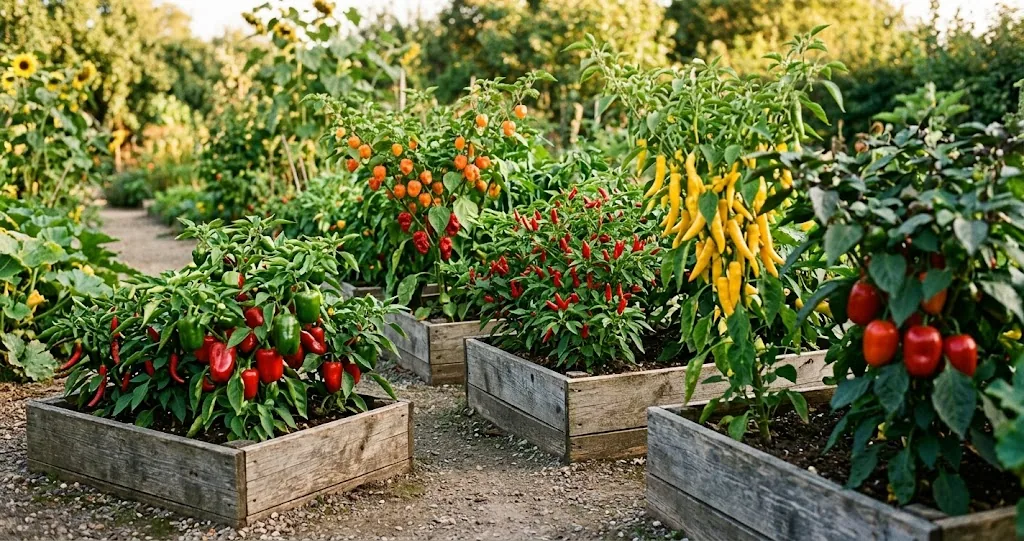
Chili peppers can look unrelated. A jalapeño, habanero, Tabasco pepper, ají amarillo, and rocoto all belong to the same plant group, Capsicum, but they sit in five separately domesticated species. Knowing the species helps a gardener read flower and seed traits, and helps a cook recognize why two peppers with a similar heat level can taste and grow so differently.
The five domesticated species are Capsicum annuum, C. chinense, C. frutescens, C. baccatum, and the rocoto group. They were domesticated independently in different parts of the Americas. For the wider gardening and cooking context, see our complete guide to chili peppers.
How the five species fit together
Capsicum is a plant group in the nightshade family, Solanaceae. Taxonomists recognize five principal domesticated species: C. annuum, C. chinense, C. frutescens, C. baccatum, and C. pubescens. A botanical monograph of wild and cultivated chilies documents their independent domestication in Central and South America and notes that C. annuum, C. chinense, and C. frutescens are now cultivated widely beyond their original regions.
A species name is not a heat category. Each species contains many cultivars, landraces, and hybrids, so flower color, seed color, calyx shape, and the number and position of flowers are more useful starting clues than a pod’s color or a heat figure alone.
Scientific names use a binomial: the first name, Capsicum, followed by a specific epithet such as annuum. Common names can be useful in the kitchen, but they are less precise. “Thai chili,” for example, can refer to more than one cultivar, so it should not be treated as a species name.
C. annuum: the everyday pepper
Capsicum annuum is the broadest familiar group for many home gardeners. Sweet annuum types, jalapeños, serranos, cayennes, Anaheims, poblanos, Padrón peppers, and shishitos all belong here. Flowers are commonly white and solitary, while pod shape and heat vary enormously by cultivar.
That range makes C. annuum a useful beginner category, not because every cultivar behaves identically, but because seed catalogs offer many early, container-friendly choices. Check the cultivar’s own packet for height, maturity, and heat rather than relying on a species-wide number.
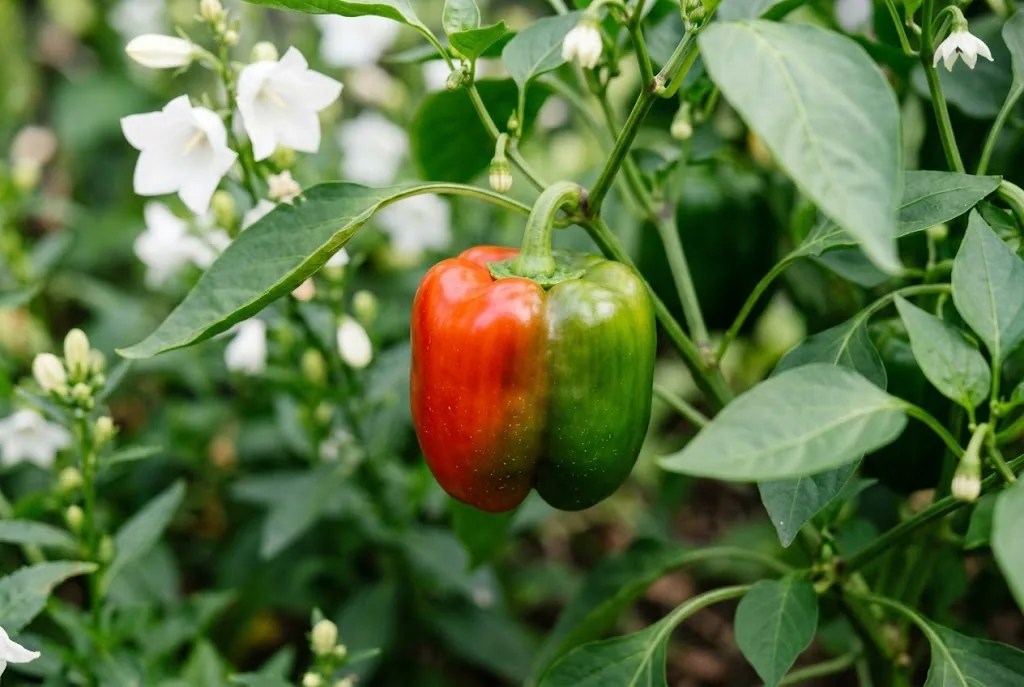
C. chinense: aromatic and often very hot
Capsicum chinense includes habaneros, Scotch bonnets, ghost peppers, Carolina Reapers, Trinidad Scorpions, 7 Pot peppers, datil peppers, and Fatalii. Its flowers are often pale greenish white, and plants commonly need a long warm season. Pods may be wrinkled, lantern-shaped, or bonnet-shaped, but cultivar variation is substantial.
This is also the species of Pepper X. Guinness World Records lists Pepper X as the hottest chili pepper, certified in 2023 with an average heat of 2.693 million Scoville Heat Units. That record describes one cultivar, not a heat range for the entire species.
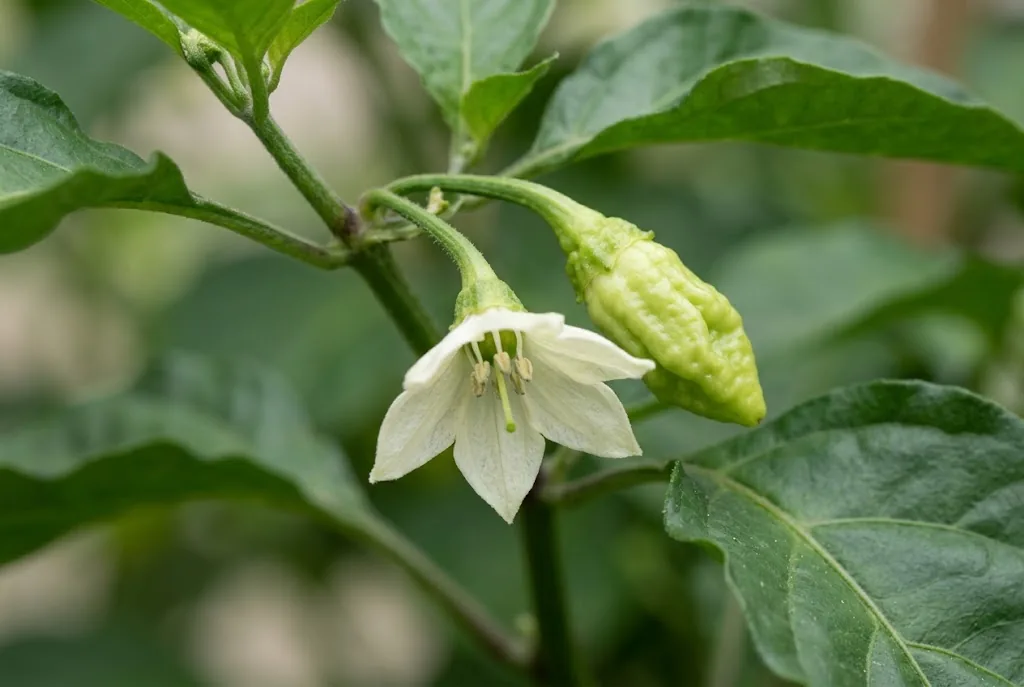
C. frutescens: upright, compact peppers
Capsicum frutescens includes the Tabasco pepper and several African bird’s-eye types. It often has small, upright pods and clustered flowers, traits that can help distinguish it from a typical C. annuum plant. Those traits are useful clues, not a replacement for a cultivar label.
Tabasco peppers are the classic culinary example. Use the species name when describing the plant, then use the cultivar or product name when giving a specific heat, flavor, or sauce-making recommendation.
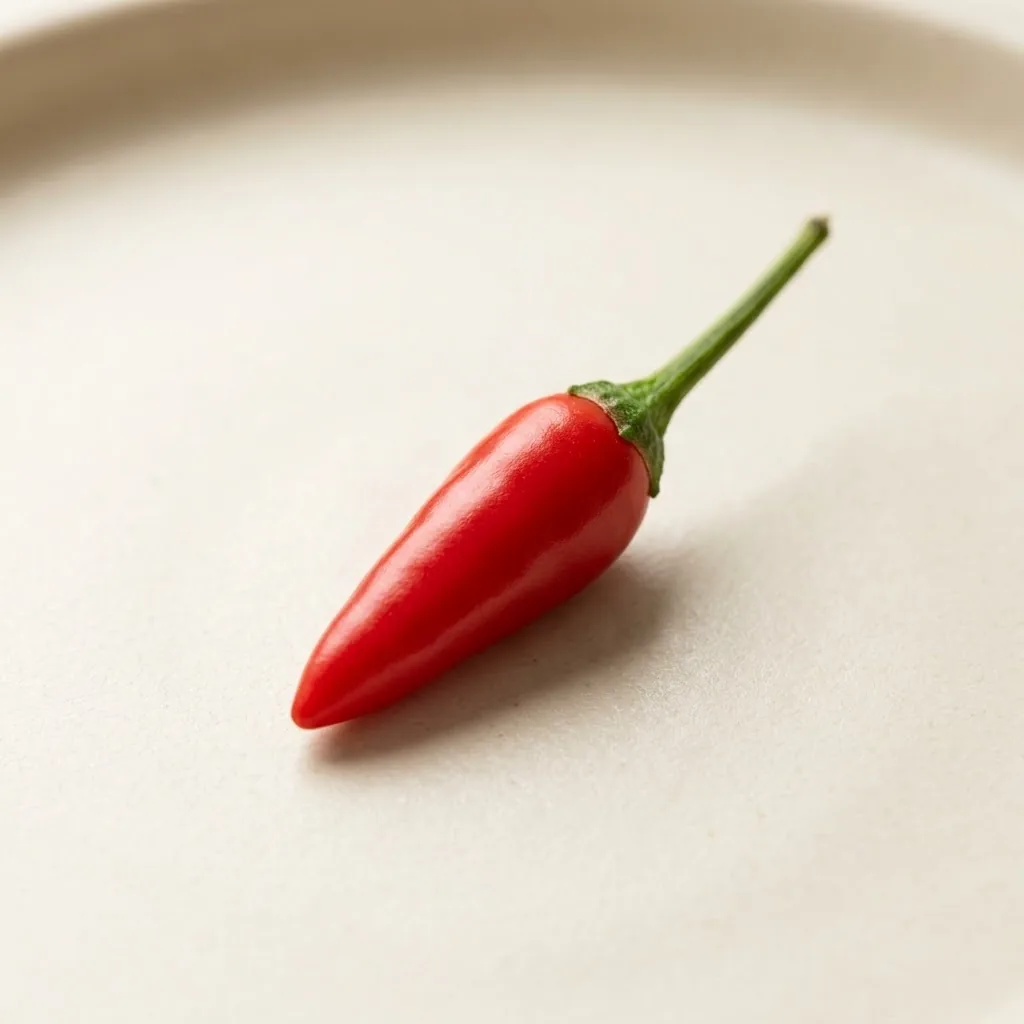
C. baccatum: the ají group
Capsicum baccatum includes ají amarillo, lemon drop, ají panca, and Sugar Rush Peach. A pale flower with yellow, green, or brown spotting is a valuable identification clue. Many cultivars are vigorous and need more room than compact C. annuum selections.
Ají peppers have deep roots in Andean and South American cooking. Their fruitiness is a useful culinary description, but the flavor and heat of a particular ají still depend on the cultivar and growing conditions.

C. pubescens: the hairy-leaved rocoto group
This rocoto group is easy to recognize once you see its black seeds, purple flowers, and softly hairy leaves and stems. Rocoto, manzano, and locoto are common names for peppers in this species. It is associated with cool Andean environments and often performs differently from warm-season C. annuum cultivars.
For a broad comparison of pepper varieties by heat and kitchen use, see our types of chili peppers guide.
How to tell the five apart at a glance
Use several traits together. Pod shape alone is unreliable because people have bred an extraordinary range of fruit shapes inside each species.
| Species | Helpful clues | Examples |
|---|---|---|
| C. annuum | Usually solitary white flowers; very diverse pods | Sweet block type, jalapeño, cayenne |
| C. chinense | Often pale greenish white flowers; many aromatic, wrinkled types | Habanero, Scotch bonnet, Reaper |
| C. frutescens | Often clustered flowers and upright small pods | Tabasco, African bird’s-eye types |
| C. baccatum | Flower petals often have yellow, green, or brown spots | Ají amarillo, lemon drop, Sugar Rush Peach |
| C. pubescens | Black seeds, purple flowers, hairy foliage | Rocoto, manzano |
Hybrids and unusual cultivars exist, so use a seed source or plant label for confirmation when an identification matters.
A note on naming and botany
Common names travel more easily than scientific names, which is why they can be confusing. Black pepper is Piper nigrum, not a Capsicum; pink peppercorns come from Schinus. Within this pepper group, a cultivar name tells you which selected plant you have, while the species name places it in a broader botanical group.
The five domesticates do not replace the many wild relatives. Wild relatives are important to researchers and breeders, but they are not a reason to guess at a garden plant’s identity. Start with a reliable label, then compare flowers, seeds, foliage, and fruit.
In the kitchen, think of species as context rather than a rulebook. A bell type and a jalapeño are both C. annuum, yet their heat and use are very different. A recipe succeeds when you match the particular pepper’s heat, flavor, and texture, not merely its Latin name.
Capsaicin, heat, and the names cooks use
Capsaicin is the pungent compound that makes a hot pepper feel hot. Scoville Heat Units describe a particular pepper or product, not a fixed rule for an entire Capsicum species. A sweet pepper can be a Capsicum annuum with almost no pungency, while a chile pepper from the same species can be much hotter.
In US English, “chili pepper” is the usual general name. “Chile” often identifies the pepper in Mexican food writing, while “chilli” is common outside the United States. The spelling changes, but the plant does not. When a recipe calls for a hot chile, choose by cultivar, heat level, and whether you need crisp flesh, a dried chile, or a sauce-friendly pod.
Choosing a species for your garden climate
Start with a named variety rather than a species alone. Your local season, frost-free season, container size, and preferred heat level matter more than a broad label. Many gardeners cultivate an annuum pepper such as a jalapeño or a mild block type first, then try a habanero, Tabasco, ají, or rocoto once they understand their growing season.
Use a reputable seed source for days to maturity and plant size. That small check prevents a common disappointment: treating every pepper plant as if it had the same schedule. It also helps when comparing pepper varieties for a short season, a greenhouse, or a warm patio.
Wild species and cultivated Capsicum diversity
Wild species matter because they hold traits that breeders may use for disease resistance, flavor, or weather tolerance. They are not interchangeable with the cultivated Capsicum varieties in a seed catalog. The five domesticates are the major species gardeners and cooks encounter, but they sit within a broader group of flowering plants in the nightshade family.
That diversity explains why a list of Capsicum cultivars is so long. A pepper variety may be selected for sweet and fruity flavor, high pungency, thick walls, early harvest, or ornamental color. Read both botanical names on a packet, then the cultivar name, to understand what you are growing.
Species, varieties, and the names on a pepper packet
The five major pepper species are only the beginning of the list of peppers a gardener sees. A species is the botanical level, while a cultivar or variety of pepper is a selected form within that species. “Capsicum cultivars” is therefore a more useful phrase than treating every named fruit as its own species.
For example, bell peppers, jalapeños, cayenne peppers and New Mexico chile types are generally placed in the Capsicum annuum species. Habanero is a familiar C. chinense example. Ají amarillo and Sugar Rush Peach are C. baccatum peppers. These examples help show how a long list of Capsicum varieties can sit within only five cultivated species.
All are plants in the nightshade family, Solanaceae. That shared family relationship is real, but it does not erase the useful differences between species. Fruit shape, flower markings, leaves, seed color, heat and the conditions a pepper plant prefers are better read as a combination, not one shortcut.
Can pepper species cross?
Some closely related peppers can cross-pollinate, and breeders may use a hybrid to combine traits. A hybrid seed packet should identify its parentage clearly. For a home seed saver, open pollination can make a named variety less predictable when compatible peppers are flowering nearby. Species names help you ask the right question, but they do not by themselves guarantee that saved seed will come true.
The five major pepper species: the quick answer
The five major pepper species grown for food are Capsicum annuum, Capsicum chinense, Capsicum frutescens, Capsicum baccatum and Capsicum pubescens. They are the five cultivated species most gardeners mean when they ask about types of peppers. The wider Capsicum group also includes many species that are wild or rarely cultivated.
Pepper growing: what species can and cannot tell you
To grow peppers well, give every plant strong light, warm soil, regular water and enough time to reach maturity. A greenhouse can help gardeners in a temperate garden, especially with late-ripening varieties. The species name can hint at a plant’s preferred conditions, yet local weather, pot size and the variety itself still matter more than a label alone.
Read the seed packet for days to maturity and final size, then match it to your setting. Many annuum peppers are practical choices where the season is shorter. Chinense peppers are typically grown for a long warm season. Baccatum and rocoto plants bring different habits again. Good pepper growing is observation, not a promise that one species fits every garden.
Identifying a plant when the fruit name is unclear
Look at the whole plant: flowers, leaves of pepper, seed color, fruit position and the way a branch grows. The dark seed and hairy foliage of the rocoto group are unusually helpful clues. In other groups, flower markings and fruit shape can narrow the options, but a single photo is not always enough for a confident identification.
Why species matters for the gardener and the cook
- Growing plan: Read the seed packet for the cultivar’s maturity date, plant size, and temperature needs.
- Identification: Compare flower, seed, calyx, foliage, and pod traits rather than relying on color alone.
- Kitchen substitutions: Match heat, flavor, and flesh thickness, then taste a small piece before committing it to a recipe.
- Seed saving: Keep labeled plants apart if you want predictable offspring, because compatible peppers can cross-pollinate.
For a closer look at root, flower, and fruit structure, the chili pepper plant explained guide walks through the botany and life cycle.
A few frequently asked questions
Is Capsicum the same as bell pepper?
No. Capsicum is a group of flowering plants that includes peppers. A bell pepper is one kind of fruit, usually a cultivar of Capsicum annuum. The same annuum species also includes jalapeños, cayenne types and many other peppers.
What is the difference between Capsicum and capsaicin?
Capsicum is the plant genus. Capsaicin is a chemical compound produced in the fruit that creates pungency. Mild block peppers produce little or none of it, while many chile peppers contain enough to feel hot.
What are capsicums called in America?
In American English, “pepper,” “chili pepper” or “chile pepper” is more common. “Capsicum” is often used as the botanical name, while in some other English-speaking regions it can also mean a sweet bell pepper. The spelling chilli is also widely used.
What is a Scoville Heat Unit?
A Scoville Heat Unit is the unit used on the Scoville scale to express a pepper’s measured pungency. It helps compare a sweet pepper with a hot pepper, but it does not replace a variety description or a cautious taste test.
Are there other Capsicum species?
Yes. The five species in this guide are the principal domesticates, but the wider group also includes wild relatives. The five should not be described as the only Capsicum species.
Which species has the hottest peppers?
C. chinense includes many of the hottest cultivars. Guinness World Records certified Pepper X, a C. chinense cultivar, at an average of 2.693 million SHU in 2023.
Can the five species cross-pollinate?
Compatibility varies by species and cultivar. Treat an interspecific cross as a breeding project, not a certainty, and consult a specialist source before relying on saved seed.
Which species is easiest for a beginner?
Many gardeners start with an C. annuum cultivar because seed catalogs offer abundant, early choices. Choose a variety suited to your frost-free season and container space.
Are species the same as heat categories?
No. Heat varies within every species. A cultivar name and a trusted seed source give a better expectation than species alone.
Bringing it together
The five domesticates provide a useful map, but the cultivar tells the more practical story. Learn the broad botanical clues, then choose plants and peppers by a labeled variety’s growing needs, flavor, and heat.
This article is by Roxie.
