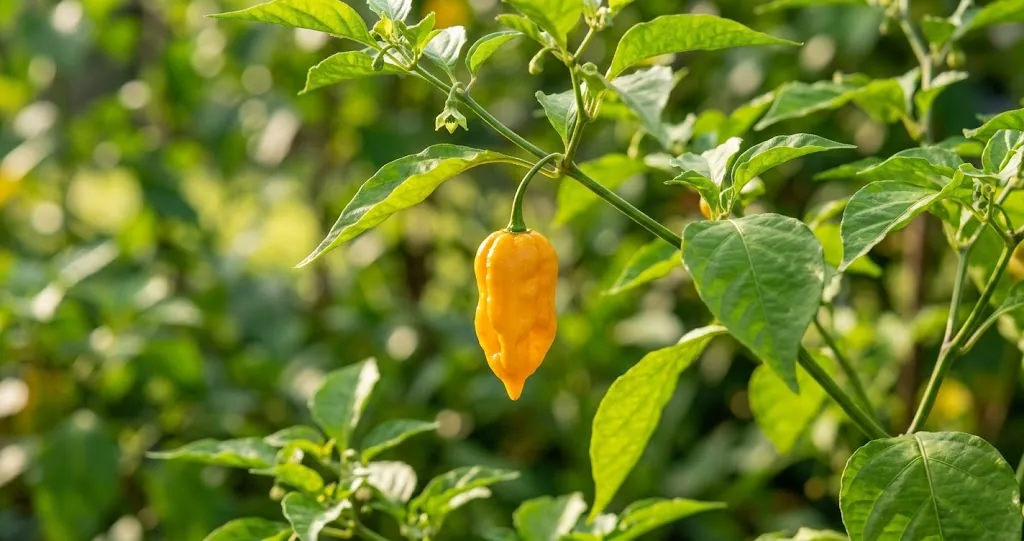
Tucked along the historic coastal shores of northeast Florida lies one of the most distinctive, closely guarded heritage chilies in the United States: the datil pepper. Known to botanists by its chinense species classification, this golden-hued hot pepper delivers a captivating culinary experience that defies easy categorization. While it packs a formidable punch comparable to fiery Caribbean chilies, the datil pepper greets the palate with an unmistakable natural sweetness, bright citrus aroma, and pleasant fruitiness before its creeping, radiant warmth takes hold. For generations, local families in northeast Florida have nurtured these datil pepper plants in backyard plots and market gardens, passing down seeds and secret sauce recipes as cherished family treasures.
Understanding the unique charm of datil peppers requires exploring their colorful history, distinct botanical characteristics, intense heat rating, and specialized growing requirements. Whether you are an adventurous gardener eager to start datil pepper seeds in your home garden or a hot sauce enthusiast seeking new flavor dimensions, this comprehensive guide covers everything from origin lore to cultivation techniques and classic Florida kitchen traditions.
Origin and History: The St. Johns River and Mediterranean Heritage
The story of this fiery yellow chili is inextricably linked to the oldest continuously inhabited European-established settlement in the continental United States. For well over a century, the pepper has served as the culinary signature of St. Johns County, extending into neighboring Putnam County. Walk into almost any local restaurant, crab shack, or neighborhood barbecue joint across the coastal district today, and you will find bottles of golden pepper condiment sitting prominently on dining tables alongside salt and pepper.
Local tradition connects the pepper with Mediterranean colonists who arrived in Spanish East Florida during the late eighteenth century. In 1768, Scottish physician Dr. Andrew Turnbull established a plantation at New Smyrna and recruited indentured laborers, primarily from Menorca, alongside Greek and Italian workers. After severe hardship, surviving laborers travelled north in 1777, where the Spanish colonial governor granted them asylum and land.
The exact route by which datil peppers reached Florida remains uncertain. One local tradition says Minorcan settlers carried seeds from their homeland, while another account traces seeds to local preserve maker S.B. Valls, who reportedly obtained them from a Chilean or Cuban traveler around 1880. Those accounts are part of St. Augustine’s food history, not settled botanical documentation. What is clear is that the local community embraced the pepper and made it an enduring part of northeast Florida’s culinary identity.
Throughout most of the twentieth century, datil peppers remained a tightly held regional secret. Backyard seed savers carefully guarded their private strains, sharing pods and seeds only with trusted friends and relatives. Today, while dedicated family growers, cottage producers, and specialty outfits like Mayhem Datil Pepper continue local cultivation, home gardeners worldwide can now acquire authentic heirloom seeds to experience this legendary variety firsthand.
Botany and Technical Characteristics of the Chinense Species
The datil pepper belongs to the nightshade family group famous for producing aromatic, pungent peppers including Scotch bonnets and lantern chilies. When examining the diverse types of chili peppers cultivated around the globe, distinct botanical traits immediately distinguish chinense varieties from common annuum cultivars such as jalapeños, poblanos, and serranos.
A typical datil plant develops as a bushy, vigorous subshrub that reaches between 2 and 4 feet (60 to 120 cm) in height with an equivalent spread. The plant features dense, dark green foliage characterized by ovate, slightly crinkled leaves with delicate surface veining. During the flowering phase, healthy datil plants produce small, pendant (drooping) flowers with greenish-white petals and purple-to-blue anthers, typically emerging in clusters of two or more per leaf axil, a hallmark trait of the species.
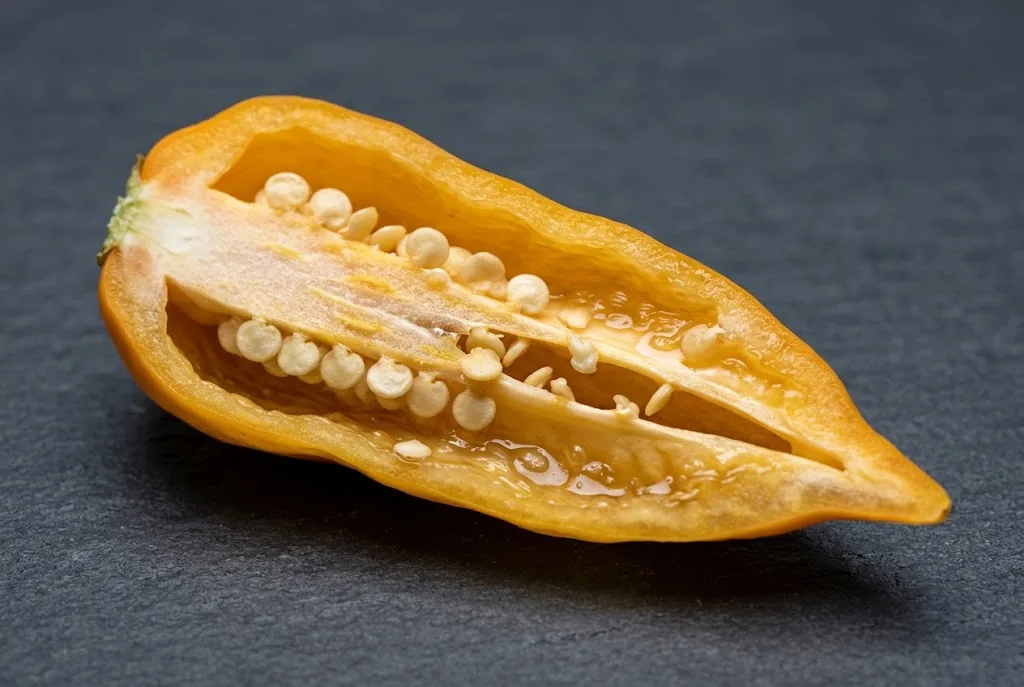
Following successful pollination, the blossoms develop into distinctive, elongated pods measuring approximately 1.5 to 3.5 inches (4 to 9 cm) in length and 0.5 to 1 inch (1.2 to 2.5 cm) in diameter. Unlike the rounded, blocky contours of classic bonnet cultivars, the datil pod exhibits an elongated, gently undulating shape that tapers to a slender, pointed tip or slight beak. The pod walls are relatively thin to medium in thickness with a waxy, wrinkled surface texture.
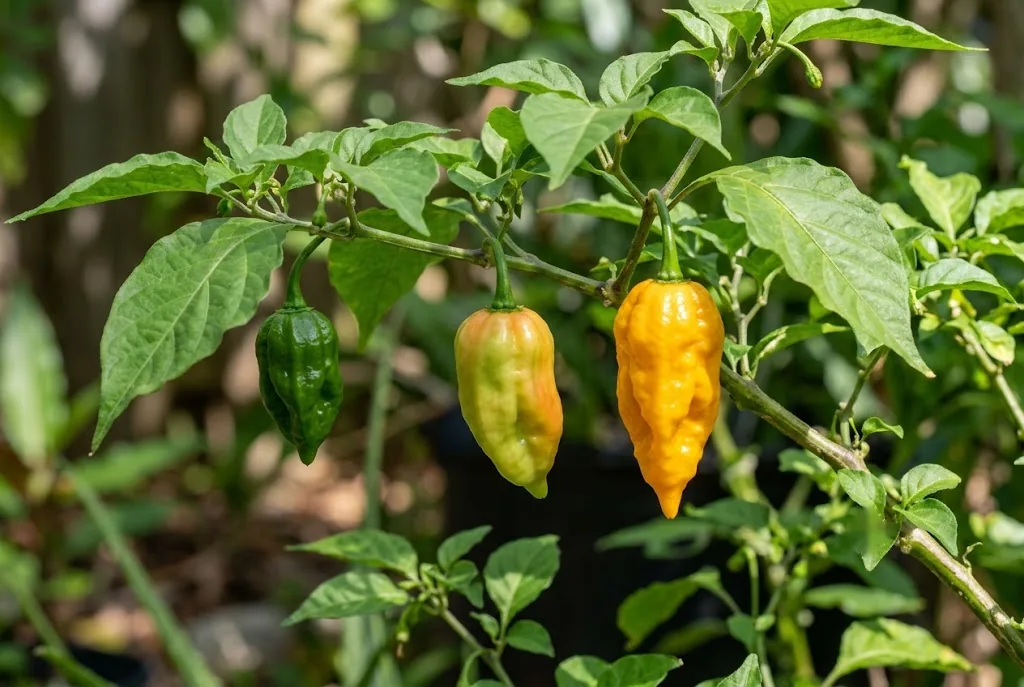
As pods mature under sunny skies, they undergo a striking color transition. Immature datil pods begin as a pale, glossy lime green. As sugars develop and chlorophyll breaks down, the skin shifts to a warm chartreuse, ripening into a luminous golden yellow before finishing at a deep, glowing yellow-orange at full maturity. This final amber-gold coloration serves as a clear visual signal that sugars, essential oils, and capsaicinoids have reached their peak concentrations.
Heat Rating, Scoville Heat Units, and Flavor Profile
When it comes to spiciness, datil peppers demand genuine respect. Datils typically fall between 100,000 and 300,000 Scoville Heat Units (SHU). That puts them in the same broad heat tier as habaneros and far above jalapeños, serranos, and cayenne peppers. Even the low end of the datil range is more than a dozen times hotter than a mild jalapeño.
In terms of pure chemical potency, datils occupy the same tier as standard habanero peppers. However, the sensory experience of eating a datil is strikingly different from that of most superhot chilies. Where many fiery peppers deliver an immediate, stinging strike to the lips and tongue, the capsaicin in a datil produces a delayed, slow-creeping burn. When you sample fresh datil pods or raw puree, the first sensation on your palate is a burst of natural sweetness, followed by an intricate tropical fruit bouquet reminiscent of apricot, peach, melon, and citrus zest. A bright, tangy note dances across the tongue for several seconds before the radiant heat gradually swells in the throat and mouth, creating a warm, sustained glow that lingers pleasantly without overwhelming the palate.
Capsaicinoids are produced principally in the inner placental tissue, the pale pith and vertical ribs where seeds attach. Removing those ribs can reduce the heat in a dish, although seeds can still carry capsaicin through contact with the placenta. That gives cooks a useful way to moderate the burn while keeping the pepper’s sweet, fruity character.
Germination and Growing Conditions for Datil Plants
Growing datil peppers from seed is a rewarding project for home gardeners, though it requires patience and steady warmth. Because tropical nightshades evolved in warm equatorial environments, datil pepper seeds possess relatively tough seed coats and require elevated soil temperatures to sprout successfully.
Seed Sowing and Germination
Start datil seeds indoors approximately 8 to 10 weeks before your region’s average last spring frost date. In subtropical climates like Florida, seed starting frequently begins in February or March. Sow seeds 1/4 inch deep in a sterile, light seed-starting mix using shallow trays or peat cells. The critical factor for success is bottom heat: maintain growing medium temperature strictly between 80°F and 85°F (27°C to 30°C) with an electric seedling heat mat.
Under these warm, humid conditions, datil seeds typically emerge in 14 to 28 days. Keep the medium consistently damp with a fine spray mister, taking care never to let trays dry out completely or sit in waterlogged conditions. Once the young seedling emergence occurs and cotyledons expand, position the tray under dedicated LED grow lights for 14 to 16 hours daily, or place them on a warm, sunny window sill with abundant direct daylight to prevent weak, leggy stems.
Transplanting and Soil Preparation
When seedlings produce their second set of true leaves, transplant each datil seedling into a 3- to 4-inch nursery pot filled with fertile potting soil. Grow them on in bright conditions until outdoor soil and night temperatures stabilize. Before moving young plants outside, harden them off gradually over 7 to 10 days by exposing them to outdoor breezes and filtered sunlight for increasing intervals. Wait until all danger of frost has passed and night temperatures consistently stay above 55°F (13°C).
Datil peppers crave full sun, requiring a minimum of 6 to 8 hours of unfiltered sunlight each day. Select an open garden bed with loose, well-draining sandy loam enriched with aged compost, maintaining an optimal soil pH between 6.0 and 6.8. Space garden plants 24 to 36 inches apart to ensure healthy air circulation around the bushy canopy.
Container Growing
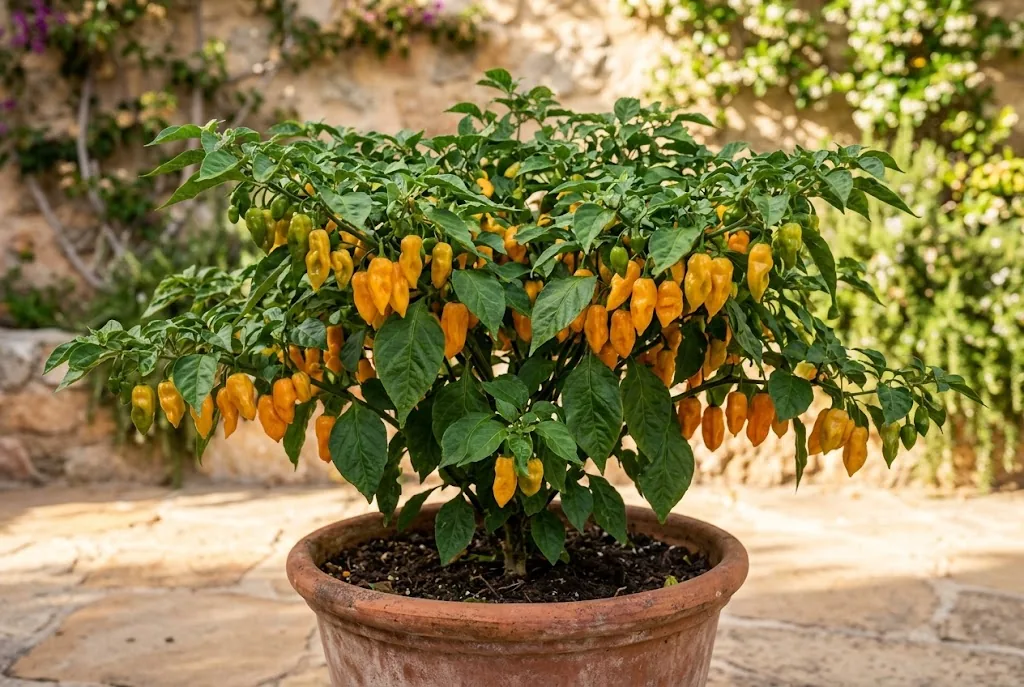
If you have limited garden space or live in a cooler northern climate with a shorter summer, datil peppers perform exceptionally well in a patio container. Select a large planter with a minimum capacity of 5 gallons (19 liters) that includes generous drainage holes. Fill the vessel with a premium, well-aerated potting mix blended with perlite and compost. Container plants offer the distinct advantage of mobility: you can move them into prime sunny positions during summer and bring them indoors to shelter them from unseasonable autumn chills.
Watering, Fertilizer, and Garden Care
Datil pepper plants exhibit remarkable heat tolerance, thriving in intense southern humidity where other vegetables wither. However, moisture management is essential. Water deeply whenever the top inch of soil feels dry to the touch, directing water at the root collar rather than soaking the foliage. Avoid standing water or soggy roots, which can trigger root rot and fungal complications.
Feed young plants with a balanced organic vegetable fertilizer during early vegetative growth. Once flower buds form, transition to a fertilizer formulated with lower nitrogen and higher levels of phosphorus and potassium. Excessive nitrogen encourages massive leafy growth at the expense of blossom production and fruit set. During prolonged summer heatwaves with night temperatures remaining above 75°F to 80°F, plants may experience temporary blossom drop; normal pod production resumes promptly as conditions moderate.
Keep a watchful eye for common garden pests such as the aphid, spider mite, and whitefly, which occasionally congregate on the tender undersides of young leaves. Spraying foliage with a gentle blast of water or applying organic insecticidal soap keeps pest populations safely under control throughout the growing season.
Harvest Timing and Safe Kitchen Handling
Datil pepper plants require a relatively long growing season, typically taking 90 to 110 days from transplanting to produce ripe fruit. In long-season southern climates, harvesting continues steadily from July through November until the first frost halts production.
To harvest, wait until the pods develop their signature bright golden yellow or warm yellow-orange hue. While green pods are technically edible, they possess a grassier, sharper flavor without the deep fruit sweetness and aromatic complexity of fully ripe fruit. Harvest pods by clipping the stem approximately 1/2 inch above the calyx using clean garden snips or pruners, avoiding pulling or twisting, which can tear the brittle branches.
Kitchen Safety Precautions
Handling hot peppers with a 300,000 SHU rating requires strict safety measures in the kitchen. Even when pods appear intact, microscopic drops of capsaicin-laden oil on the skin or cut surfaces can transfer easily to hands, kitchen tools, and clothing:
- Wear gloves: Always wear disposable nitrile or latex gloves when washing, slicing, deseeding, or processing fresh datil peppers. Ordinary dishwashing soap will not instantly neutralize capsaicin oil on bare skin.
- Protect your face: Never touch your eyes, nose, or lips while working with cut chilies. Keep a clean paper towel nearby to wipe away perspiration without using your gloved hands.
- Ventilate your cooking area: When blending hot peppers in a food processor or simmering a sauce pan on the stove, open kitchen windows or run an exhaust fan to dissipate vaporized capsaicin fumes.
- First-aid for chili burn: If chili gets in your eyes, remove contact lenses if possible and flush with plenty of clean running water for 15 to 20 minutes. Contact Poison Control or seek medical care if symptoms persist. For skin exposure, wash thoroughly with soap and water and avoid touching your face.
Storing, Drying, and Preserving Datil Chilies
Because healthy datil plants yield abundant harvests of dozens of pods per bush, knowing how to store and preserve your bounty ensures you can savor their unique flavor year-round.
Fresh Storage and Freezing
Store freshly picked, unwashed datils in a breathable container lined with paper towels in your refrigerator crisper drawer, where they remain crisp for up to two weeks. For longer preservation, datil peppers freeze exceptionally well. Wash the pods, pat them completely dry, and spread them in a single layer on a parchment-lined baking sheet to flash-freeze for two hours. Transfer the frozen pods to airtight freezer bags, pressing out excess air. Frozen datils retain their vibrant heat and aroma for 10 to 12 months, ready to be sliced directly into hot pans or purees without thawing.
Dehydrating and Pepper Powder
Datil peppers can be dehydrated to create a golden, wonderfully fragrant chili powder. Cut pods in half lengthwise and arrange them cut-side up on dehydrator trays. Dehydrate at 125°F to 135°F (52°C to 57°C) for 8 to 12 hours until the pods become thoroughly crisp and brittle. Grind the dried pieces in a dedicated spice grinder to produce a gorgeous amber seasoning that adds warm fruitiness and punch to roasted vegetables, poultry rubs, and chili bowls.
Pickling and Fermentation
Pickling in a seasoned vinegar brine preserves the firm snap of datil pods while accentuating their inherent tanginess. Sliced datils pickled with sliced sweet onions, garlic cloves, and peppercorns make an outstanding condiment for sandwiches and grilled fish. Alternatively, blending crushed pods with 2.5 percent sea salt initiates a wild lactic acid fermentation, creating a complex, tangy fermented pepper mash that forms an extraordinary foundation for craft hot sauces.
Culinary Uses: Famous Florida Sauces, Preserves, and Dishes
The culinary identity of northeast Florida is virtually defined by the versatile datil pepper. Unlike single-note hot peppers that merely provide searing heat, the datil’s marriage of intense pungency and luscious apricot-like sweetness makes it a dream ingredient for inventive cooks and commercial growers alike.
Iconic Datil Table Sauce
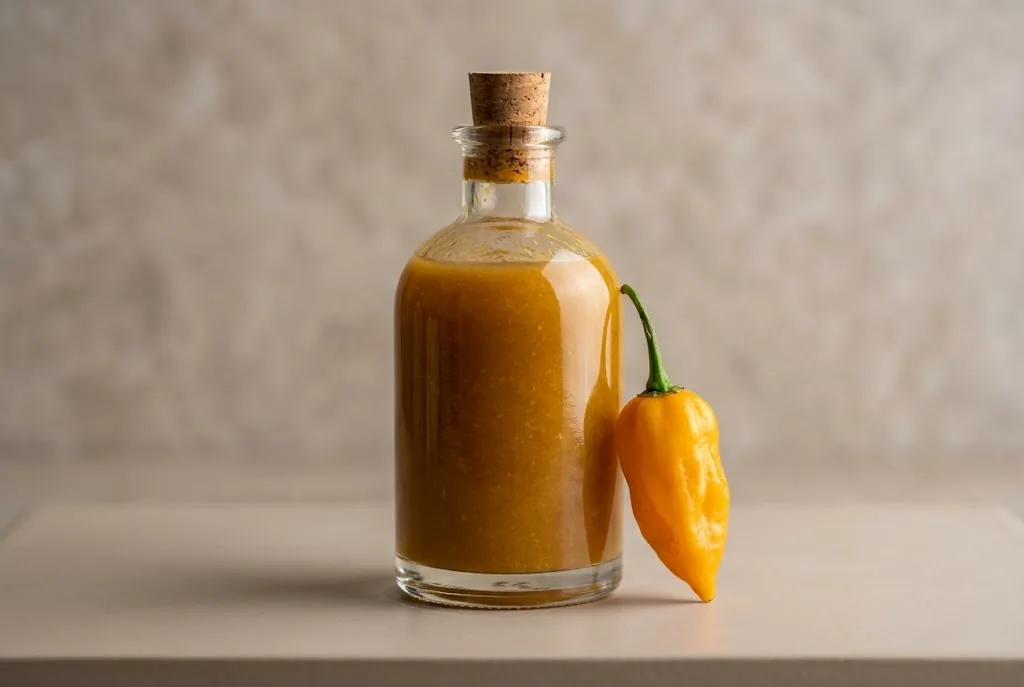
The undisputed crown jewel of regional cooking is traditional datil pepper sauce. Unlike thin, vinegar-dominant Louisiana-style condiments, authentic coastal recipes yield a thick, rich, sweet, and tangy blend. Local cooks simmer pureed datil peppers with a rich tomato paste or ketchup base, sweet onions, cider vinegar, brown sugar, honey, Worcestershire sauce, and yellow mustard. The result is a multi-layered condiment that delivers savory sweetness up front, followed by a bright vinegar snap and a deep, warming chili finish. It is slathered generously over smoked brisket, pulled pork, fried shrimp, grilled oysters, and scrambled eggs. If you enjoy creating craft condiments at home, learning the fundamentals of homemade hot sauce allows you to tailor the acidity, sweetness, and heat balance to your exact palate.
Coastal Florida Clam Chowder
While most Americans are familiar with creamy New England clam chowder and tomato-infused Manhattan chowder, Florida boasts its own regional classic: coastal clam chowder. Originating in historic fishing communities, this savory soup combines chopped clams, salt pork or bacon, diced potatoes, celery, onions, and sweet bell peppers in an herbed tomato broth heavily spiced with minced fresh datil peppers. The pepper’s sweet, lingering heat cuts cleanly through the briny clams and rich broth, producing an invigorating, soul-warming seafood stew.
Datil Pepper Preserves and Relishes
Datil pepper jelly represents another Southern entertaining staple. Simmering finely diced datil chilies with apple cider vinegar, natural fruit pectin, and sugar yields a translucent golden spread flecked with sunny pepper bits. Poured over a block of cream cheese and served alongside buttery crackers, it offers an irresistible contrast of creamy richness, sweet fruitiness, and sharp chili bite. Local chefs also incorporate fresh peppers into zesty fruit salsas, combining them with diced mango, pineapple, red onion, and cilantro to garnish grilled mahi-mahi or shrimp tacos. A citrus marinade featuring minced datil peppers, lime juice, garlic, and garden herbs infuses pork tenderloin and chicken with deep, sunny Caribbean-inspired flavor.
Why the Datil Pepper Remains an American Heirloom Treasure
In a modern food landscape often dominated by generic supermarket produce and fleeting superhot novelty trends, the datil pepper stands apart as a genuine living treasure. Its enduring story is written in sunny coastal gardens, preserved through community stewardship, resilient culinary tradition, and careful seed saving. Combining an impressive heat profile with an aromatic fruit complexity few chilies can match, the datil proves that heat and exceptional flavor can coexist in perfect harmony. Whether cultivated in a suburban backyard container or savored in a steaming bowl of seafood chowder, this Florida icon continues to delight everyone fortunate enough to experience its sunny, lingering bite.
