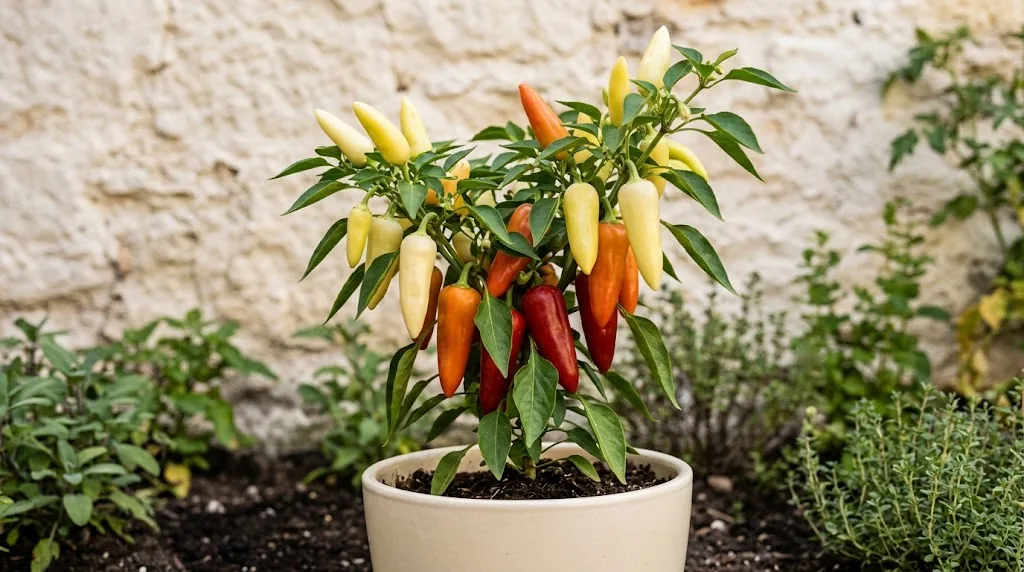
Feher Ozon pepper is a sweet Hungarian paprika variety with an ivory-to-red color change and thick, useful flesh. Grow it for fresh eating, stuffing, grilling, or home-ground paprika, and harvest it at the color and flavor stage you prefer. It is an open-pollinated Capsicum annuum and a sweet pepper for gardens where a mild flavor is more useful than heat.
Is it a Hungarian heirloom?
Seed catalogs describe this variety as a Hungarian heirloom and open-pollinated paprika pepper. The catalogs identify Hungary as where it may originate, but do not name a specific breeder, development date, or documented family history. Fedco Seeds and Heritage Harvest Seed provide country-level descriptions only. For a wider overview of this crop’s shapes and uses, see our guide to different types of chili peppers.
“Heirloom” is the catalog classification here, not proof of a documented lineage. This is one of several Hungarian paprika peppers, not the only one used for the spice. Fedco also lists Boldog Hungarian Spice, a red pepper that can be dried and ground; the choice depends on the flavor you want.
This one suits growers who want mild, pointed peppers for fresh meals and paprika; choose another variety if your priority is a large, blocky bell pepper.
What do the peppers look and taste like?
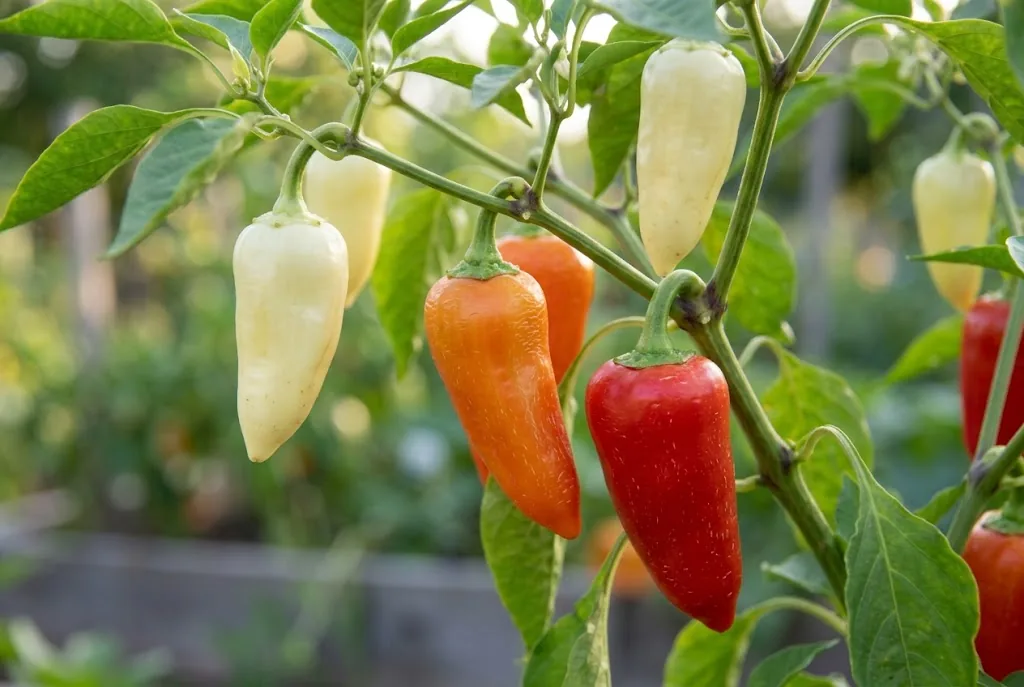
The pointed, tapered pods are usually about 3 to 4½ inches long in Fedco’s description. They ripen from creamy white to orange to red. Fedco calls the plant short, while Pepper Joe’s lists a height of about 2 feet and pods around 5 inches long, so allow room for a small but leafy plant. Fedco reports field notes of up to two dozen fruits per plant, but that is a grower report, not a yield promise.
Catalog measurements differ: one supplier listing describes dwarf plants 12 to 15 inches tall and pointed bell-shaped fruit, while other listings call the plants short or about 2 feet tall. Check the cultivar name and specifications on your own seed packet before planning spacing or container size; supplier listings may describe different selections.
The flesh is sweet, mild, and thick-walled enough for stuffing or grilling, according to Fedco. Flavor can seem brighter and fruitier when fresh, while fully colored peppers are the better choice for drying and grinding into paprika powder. The tapered shape is less blocky than a typical sweet bell pepper, though it can be cooked in similar ways.
How mild are these sweet peppers?
This is a mild pepper, not a hot one. PepperScale reports a range of 0 to 1,000 Scoville heat units (SHU), while the seed catalogs above call it sweet without publishing a measured SHU value. Consider that range an approximate reference rather than a guarantee for every pepper.
How to plant and grow it
Start seeds indoors in a warm, bright place. Utah State University Extension recommends a seed-starting temperature near 80°F for pepper seed germination, then 65 to 75°F for seedlings with strong light. Give seedlings roughly 8 to 10 weeks to develop before transplanting. Set them outdoors only after frost danger has passed and the soil is at least 60°F.
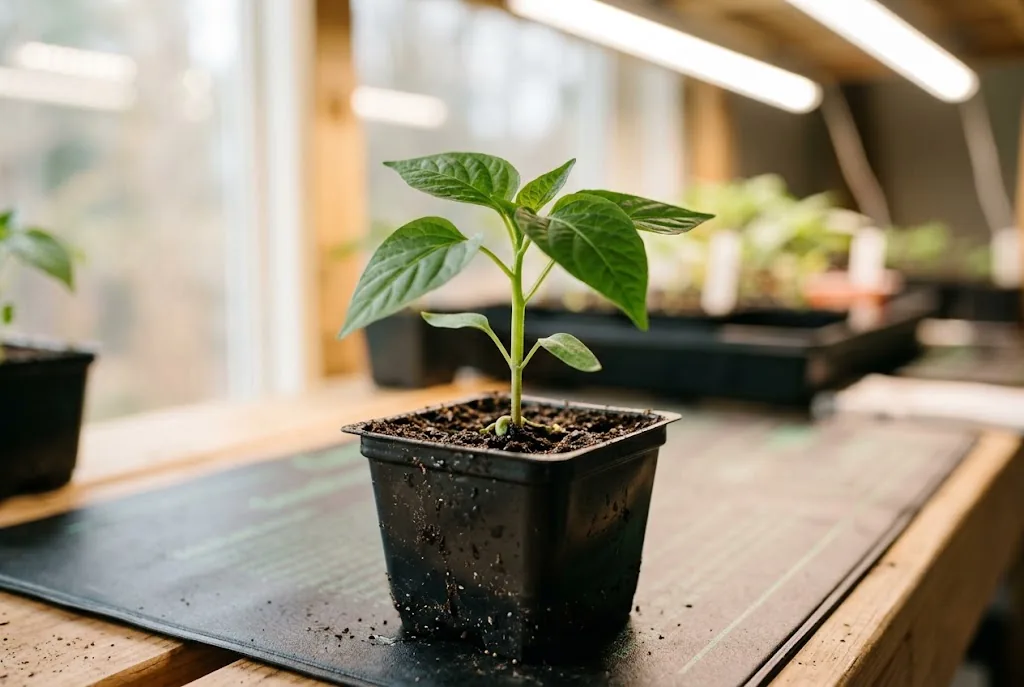
Sow into a moist seed-starting mix. If you use a heat mat, check the mix temperature instead of assuming the mat setting equals the root-zone temperature.
Choose a sunny bed with well-drained soil, or use a container with drainage holes and quality potting soil. The compact habit can suit a small garden, though the catalog descriptions do not establish one ideal pot size. Keep the soil evenly moist, especially while flowers and peppers are developing, and water when the surface begins to dry rather than following a fixed calendar. Utah State University Extension recommends using a soil test to guide feeding; excess nitrogen encourages leaf growth and can delay fruiting. If a dark, sunken patch appears on the blossom end of a pepper, check watering consistency and confirm a nutrient issue with a soil test before adding anything.
A light layer of clean mulch can help the soil hold moisture, but keep it away from the stem so the base does not stay wet. Flowers rely on pollen transfer to set fruit, and sustained hot temperatures or drought can interrupt that process; steady watering and avoiding excess nitrogen support fruiting without promising a particular yield.
Because this variety is open-pollinated, gardeners can save seed, but nearby pepper varieties may cross-pollinate. Fedco advises separating pepper varieties by 30 feet when saving seed true to type. The distance is a supplier recommendation, so use a barrier or a more conservative isolation plan if seed purity matters.
Fedco lists about 90 days to full color, while Heritage Harvest Seed lists about 70 days from transplant and Pepper Joe’s lists 70 to 79 days to harvest. These seller estimates do not all measure the same stage; weather and transplant size also affect the calendar. The Fedco listing warns that cold, extreme heat, and drought can interfere with fruit set. For a dried red chili grown for color in India rather than Hungary, see Byadgi peppers.
Fedco says its seeds are non-GMO; check the specific supplier and seed lot if that matters to you.
When should you harvest and store the peppers?
Pick firm, full-sized peppers either creamy white to pale yellow for a mild fresh pepper or after they have colored orange to red for a sweeter, deeper paprika flavor. Handle them gently, and wash your hands after slicing or drying peppers.
Refrigerate fresh peppers and use them within two to three weeks for best quality. To preserve them, freeze whole or cut peppers, or dry ripe peppers until brittle and store them in an airtight container, following Utah State University Extension’s chile-preservation guidance. If you want a larger New Mexico-style pepper for roasting, compare the Big Jim pepper.
How to use Feher Ozon paprika pepper
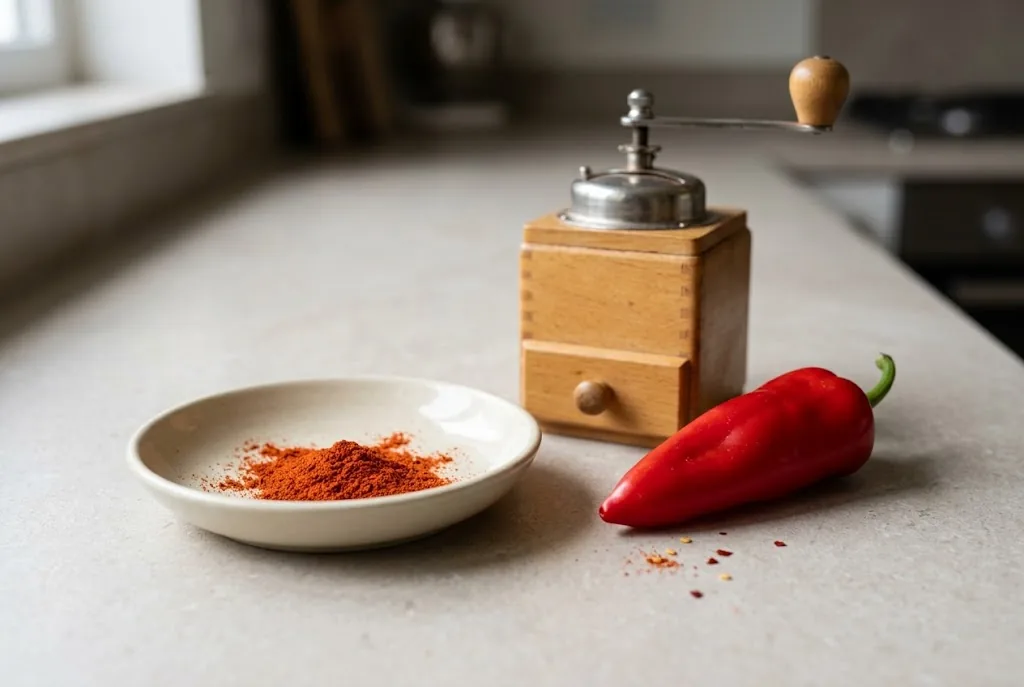
Slice pale pods into salads or sandwiches, cook them in a skillet, or hollow them out for stuffing. Grill or roast ripe peppers as a side dish. For homemade paprika, let them ripen fully, dry them until brittle, and grind them only when completely dry. This cultivar suits someone looking for a sweet, mild powder rather than a hot one. The final flavor also depends on ripeness and drying conditions.
For shelf-stable pickles or canned peppers, use a current tested recipe and follow its ingredient proportions and processing directions exactly. Do not improvise a canning formula for a low-acid vegetable. The National Center for Home Food Preservation’s tested pickled-pepper recipe provides a safe starting point.
