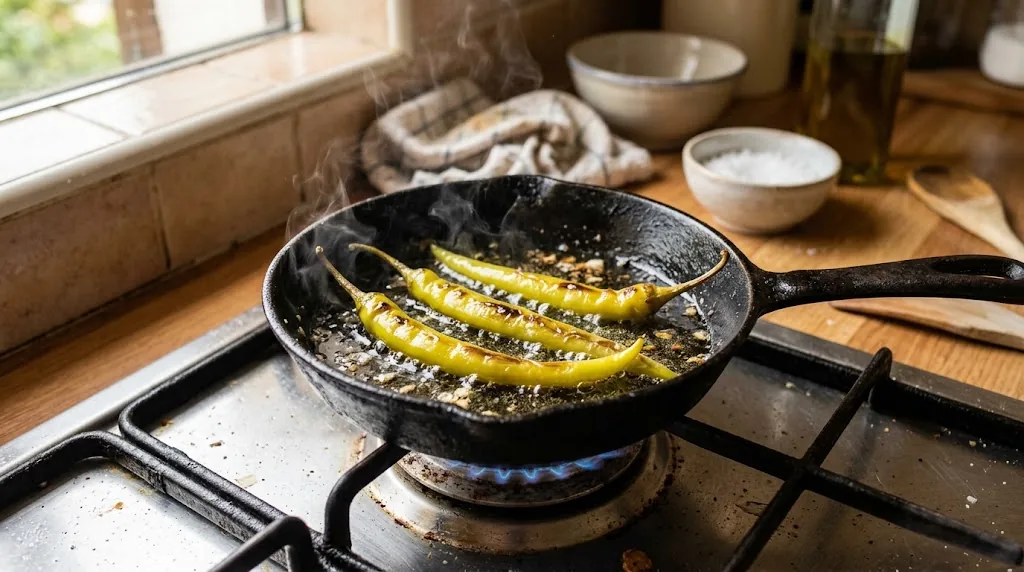
A guindilla pepper can mean more than one Spanish variety, but the name is especially tied to slender, gentle green pickles served in northern Spain. If you are choosing seeds or a jar for a Gilda pintxo, first check which kind the seller means.
The best-known regional type is the Guindilla de Ibarra, also called piparra. It is a tender, narrow fruit traditionally pickled. Other seed catalogs use “Guindilla” for different fruit sizes and harvest windows. One listing describes 15-to-20-centimeter fruits and a first harvest from 150 days. Treat each catalog entry as its own seed line, not as a specification for Ibarra.
For a broader overview of the many shapes and heat levels in the crop, see our guide to chili pepper varieties.
What is a guindilla pepper?
Guindilla is a Spanish common name, not one perfectly standardized cultivar name. The Ibarra form is a local ecotype grown in the Basque Country, especially around Ibarra in Gipuzkoa, as described in the regional government food guide. The Eusko Label specification describes eligible Guindilla de Ibarra as narrow and elongated, with a round cross-section, thin skin, tender flesh, a pointed and slightly curved tip, and a yellowish-green color. Its edible length is 5 to 12 centimeters (about 2 to 4.7 inches). The protected product is picked and packed under defined regional conditions.
Look for “Ibarra,” “piparra,” or a protected regional origin if you want the classic pickling type.
Origin and local food tradition
Guindilla de Ibarra belongs to the regional food culture of northern Spain. The Eusko Label source describes the Ibarra ecotype and limits the label to peppers produced and packed within the Basque Autonomous Community. The protected type is commonly sold preserved in white wine vinegar.
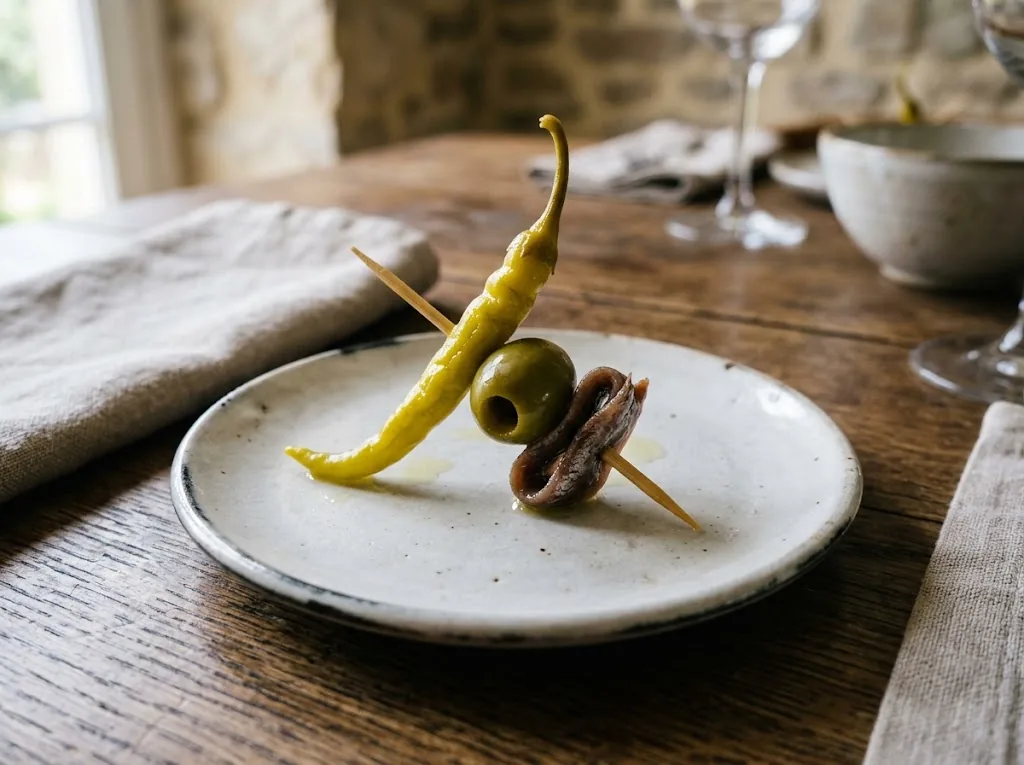
Its most recognizable role is in a Gilda, a pintxo associated with the region and made with a pickled guindilla, a green olive, and a salt-cured anchovy threaded onto a small skewer. The regional government recipe page lists one or two Ibarra peppers with the olive and anchovy. The sharp pickling liquid and briny fish make a compact, savory mouthful. Guindilla is also served alongside meals or added to sandwiches and salads for acidity and gentle heat.
Heat and flavor
The Ibarra type is valued for tenderness and a barely-there bite, as the Basque government’s product guide puts it. One universal Scoville number would be misleading because the name is used for different seed lines and heat can vary with cultivar and growing conditions. A seed seller lists its Guindilla at about 1,500 SHU; treat that as its estimate for that line, not a specification for every guindilla or jar.
Pickled Ibarra peppers taste tangy and lightly spicy, with a crisp, tender texture when well prepared. Some suppliers describe their fruits turning red when mature, but color alone does not tell you how hot a pepper is. If heat matters, read the seed or product description and sample a small piece. For a different heat profile, compare it with Mammoth Jalapeño peppers.
Growing guindilla peppers
Growing details depend on the seed line, so follow the packet for its expected fruit length, color, and harvest window. For Guindilla de Ibarra, the regional product specification describes the yellow-green harvest color and tender texture used for pickling. If your seed supplier describes a red-ripe form, use its directions to judge when the fruit is mature.
Start seeds and transplant in warm conditions
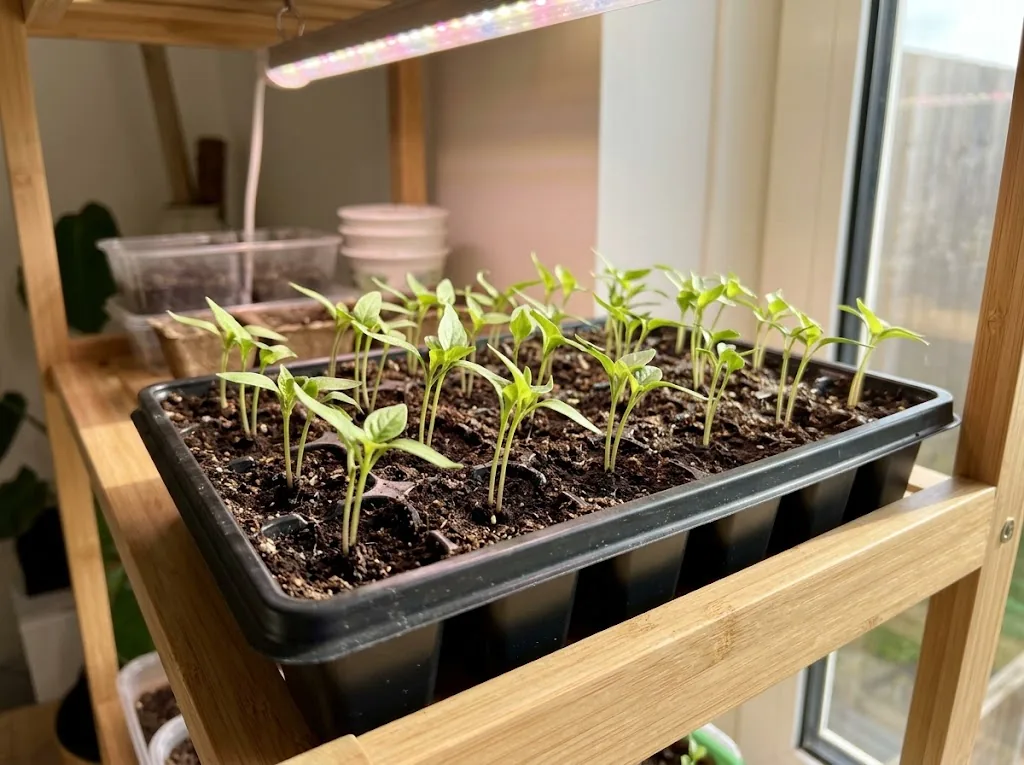
Peppers need warmth to germinate. Utah State University Extension recommends germinating seeds of this crop at about 80°F, while its transplant guide lists roughly 9 to 14 days for emergence under suitable conditions. These are general figures, not a guaranteed timetable for every Guindilla seed lot. Start indoors well before your local outdoor planting season, keep the mix evenly moist rather than waterlogged, and give seedlings strong light once they emerge.
Move plants outside only after frost danger has passed and nights are reliably warm. University of Minnesota Extension advises waiting until nighttime lows are above 50°F and hardening plants off gradually. Set each transplant at the same soil depth it grew at indoors. A sunny position and fertile, well-drained soil support flowering and fruiting; use a container with drainage if you are growing on a patio.
Water, support, and harvest
Keep moisture reasonably even, especially while flowers and fruits are developing. Check the soil and water when it begins to dry instead of following a rigid calendar. Illinois Extension notes that dry conditions can interfere with fruit set and that peppers do not thrive in cold, wet soil. Follow a soil test and fertilizer label rather than adding extra feed by guesswork.
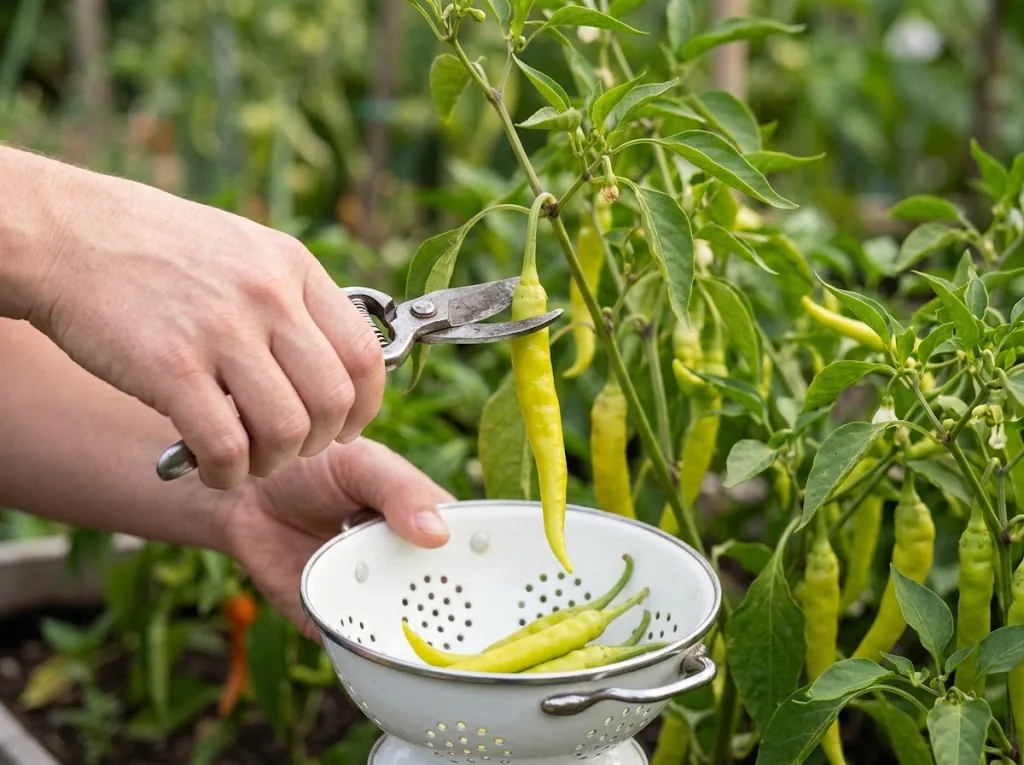
Cut fruits from the plant with clean scissors or pruners; Illinois Extension notes cutting causes less plant damage than pulling. For the Ibarra-style pickling use, pick green-yellow fruits while the skin is smooth and the flesh is tender. Handle any unusually hot fruit with care, and wash hands and tools after cutting it.
Storing, drying, and pickling
Store fresh peppers unwashed in the refrigerator in a plastic bag for up to five days, then rinse them under running water before preparing. An extension produce guide gives that storage window for hot peppers; FDA guidance recommends washing produce before eating or preparation.
The familiar Ibarra product is preserved commercially in vinegar. For home canning, use a tested pickling recipe and follow its proportions and processing instructions exactly. The National Center for Home Food Preservation’s pickling guidance warns that acid proportions affect safety and advises using recipes with tested ingredient amounts. Do not treat an improvised jar as shelf-stable.
How to use guindilla peppers
Use pickled piparras in a Gilda, alongside anchovies, or serve them with cheese, cured meats, sandwiches, and roasted vegetables. Their acidity can brighten rich or salty foods without adding much bulk. Chop one into potato salad or spoon a little of the pickling liquid into a dressing if you want its tang across the dish.
Fresh green fruits can be briefly sautéed or served as a side, but check the variety and taste a small piece first because “Guindilla” does not guarantee one heat level. Red-ripe fruits can be sliced into sauces or dried when the specific seed line is suitable. For another long pepper used in regional cooking, see Er Jing Tiao peppers.
Frequently asked questions
Are guindilla and piparra the same pepper?
They are often used for the same green pickling pepper from the Basque region, especially Guindilla de Ibarra. “Guindilla” is also used more broadly, so check the origin and seed or product description.
How hot is a guindilla pepper?
The Ibarra type is gentle, but guindillas sold under the wider name can differ. A heat estimate from one seed supplier applies to that supplier’s line, not to all guindillas.
Can I grow guindilla peppers in a pot?
Yes. Choose a sunny spot, a pot with drainage, and a support if the fruiting branches need it. Keep the soil evenly moist and follow the seed supplier’s guidance for plant size and harvest stage.
A useful distinction at a glance
Choose Guindilla de Ibarra or piparras when you want the tender, mild regional fruit to pickle and use for Gildas. Choose a named seed line with a clear description when you want longer fruits or a red-ripe harvest. That small label check helps set expectations for both the garden and the plate, whether you are making a pintxo or a simple tapa.
