
A standard jalapeño can be awkward to stuff whole. Mammoth jalapeños are bred for a wider, longer pod with thick walls, so they suit poppers, grilling, and pickling. Expect green pods first; leave some on the plant if you want them to ripen red. The name is used for large jalapeño seed offerings, and details such as days to maturity and heat vary by supplier, so check the packet for the line you are growing.
This is a cultivated jalapeño type of Capsicum annuum, generally sold as an F1 hybrid. Seed catalogs describe pods around 4 to 5 inches long, with a stout shape and substantial flesh. For a wider look at the many pepper shapes and flavor profiles, see our guide to types of chili peppers.
Origin and naming
Seed sources use Mammoth for large-fruited jalapeño hybrid lines, not for a separate species or a traditional regional pepper. The name alone does not identify one breeder, origin date, or uniform seed line: suppliers describe their own stock. Check the company and full variety name on your packet when comparing maturity dates, disease resistance, or expected pod size.
The plant belongs to Capsicum annuum, the species that includes jalapeños, poblanos, and many sweet peppers. Jalapeños are associated with the Mexican city of Xalapa, also spelled Jalapa, which gave the pepper its name, according to this USDA educational reference. This selection keeps the familiar jalapeño shape and flavor, scaled up for cooks who want more room for a filling.
Pod size, heat, and flavor
Expect firm, smooth pods with thick walls. Depending on the seed line, a mature pod may approach 4 to 5 inches long and about 2 inches wide. Most are picked dark green; leave some on the plant to ripen red. The flavor is recognizably jalapeño, with thick flesh that holds together in stuffed dishes. One supplier’s listing describes its own hybrid line, including its size, maturity, and heat figures, so treat them as line-specific.

Heat is not fixed by the variety name. One seed supplier lists 3,000 to 5,000 Scoville heat units, while Reimer lists 5,000. Treat these as supplier estimates rather than guarantees for every pod. The extra size makes this jalapeno pepper useful for poppers and stuffed dishes, while its thick flesh also holds up on a grill or in pickles.
How to grow the plants
These jalapeño plants need a warm, sunny season. Reimer lists plants at about 24 to 36 inches tall. The same supplier lists 75 days to maturity, while Gowan lists 77 days after transplanting. These are estimates for those seed lines, so follow your packet and allow for local weather. In a sunny garden, leave room for a bushy plant.
Start seeds indoors
Sow seeds indoors about eight weeks before your local last frost in a clean seed-starting mix. Cover them lightly, keep the mix evenly moist, and provide bottom warmth if the room is cool. Peppers germinate more reliably in warm soil. Give seedlings strong light as soon as they emerge so stems stay sturdy. University of Minnesota Extension’s pepper guide gives general seed-starting and transplant advice; if your packet lists a specific germination temperature, follow that direction.
Harden off and transplant
Do not rush seedlings outside during chilly nights. Harden them off gradually over about a week, then transplant after frost danger has passed and nighttime temperatures are consistently above about 50°F. Choose a spot with full sun and fertile, well-drained soil. Space plants about 18 inches apart unless the seed supplier gives a different recommendation. In a container, use a pot with drainage holes and enough room for a full-sized pepper plant, rather than a small herb pot.

Keep soil moisture steady while the plant flowers and sets fruit. Water deeply when the top layer begins to dry, adjusting for heat, rainfall, and container size. Avoid keeping the roots waterlogged. A balanced vegetable fertilizer or compost can support growth; too much nitrogen can encourage leafy growth at the expense of flowers and fruit. Stake a heavily loaded plant if branches begin to bend under the oversized pods.
Flowering, fruit set, and common growing problems
White flowers form at the branch joints before green pods develop. Around 90°F, peppers may shed blossoms before they set. Cool nights can also slow growth. Give plants steady water, protect them from cold, and avoid large fertilizer doses. If the plant looks healthy but has few peppers, check sunlight and nighttime temperatures before adding more fertilizer. UMN Extension describes this heat-related flower drop in peppers.
Large pods can press against branches or rest on the soil if the plant is crowded. Leave enough spacing for airflow, tie a leaning branch loosely to a stake, and harvest ripe-sized peppers promptly. Sunscald shows up as light-colored, thin, papery patches on pods exposed to direct sun, and the University of Illinois IPM guide notes that leaf loss from disease exposes the pods to it. Keep healthy foliage in place to shade the pods.
When to harvest the peppers
Pick the peppers when they have reached the size and firmness you want. Green pods are ready for most recipes; there is no need to wait for a color change. Use clean snips to cut the stem, leaving a short piece attached, instead of pulling and risking a broken branch. Harvesting regularly encourages the plant to keep flowering while the weather remains favorable.
For red jalapeños, leave selected pods on the plant until they change color fully. The thick walls make either stage easy to slice, stuff, or pickle. If you are also curious about a different species and flavor profile, see Aji Cristal peppers.
Handling and storing the peppers
Jalapeños can irritate skin and eyes. Wear kitchen gloves when cutting a large batch, avoid touching your face, and wash hands, knives, and boards with soap after handling. Keep hot peppers away from children and pets. If juice gets in an eye, rinse with room-temperature water for 15 to 20 minutes. Call Poison Control or seek urgent care for severe or persistent symptoms. Poison Control gives these capsaicin exposure steps.
Store dry, unwashed peppers in the refrigerator’s produce drawer and use them within about a week for the best texture. Wash just before cooking. To preserve a larger yield, Oregon State Extension explains how to freeze hot peppers; use a tested jalapeño pickling recipe for canning. For dried pods, USU Extension recommends drying chiles until brittle before storing them in a bag or jar.
Ways to use the peppers in the kitchen
The broad cavity is the main advantage. Halve pods lengthwise, remove the ribs and seeds if you want less heat, fill them with cheese or beans, and bake or grill until tender. Keep the stem end intact when stuffing whole poppers. Their size also makes these large jalapeños easy to slice into rings for nachos, burgers, sandwiches, and quick pickles.
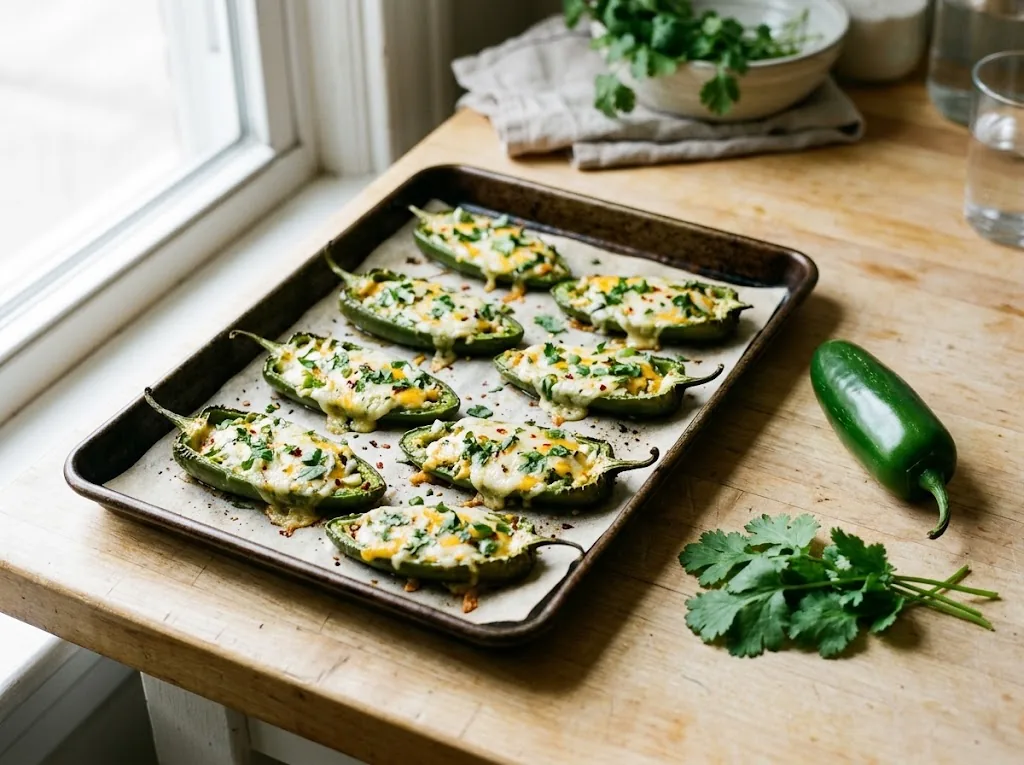
Chop green pods into salsa, cornbread, or a pot of beans. Roast them until the skin blisters, then cover briefly so the skin loosens before peeling. Red pods can go into sauces and cooked salsas. If you enjoy comparing thick-walled peppers for stuffing, Santa Fe Grande peppers are another C. annuum option to explore.
Frequently asked questions
Are these large jalapeños hotter than regular ones?
Not necessarily. Their heat is usually described as typical to moderately hot jalapeño heat. The two seed listings cited above give 3,000 to 5,000 and 5,000 Scoville units, but the seed line and individual peppers matter more than the cultivar label.
Will the peppers turn red?
Yes. Like other jalapeños, green pods can ripen red if they stay on the plant long enough. Green jalapeños are commonly harvested and eaten before that stage.
How large do the plants get?
One supplier lists plants about 24 to 36 inches tall. Your results may differ with climate, growing space, and the particular seed line, so leave room for a bushy plant and support branches carrying large pods.
Sources and further reading
The seed descriptions refer to individual commercial lines, not controlled trials of every seed sold under that name. Their size, heat, and maturity figures can differ. The University of Minnesota guide covers peppers generally, not a special growing trial of this selection.
- Reimer Seeds, Mammoth jalapeño seed listing.
- Gowan Seed, hybrid jalapeño listing.
- University of Minnesota Extension, Growing Peppers.
- USDA Farm Service Agency, Food, Land & People coloring book.
- Poison Control, capsaicin exposure guidance.
- National Center for Home Food Preservation, tested pickled jalapeño recipe.
- Oregon State and Utah State University Extension, pepper preservation and drying guidance.
