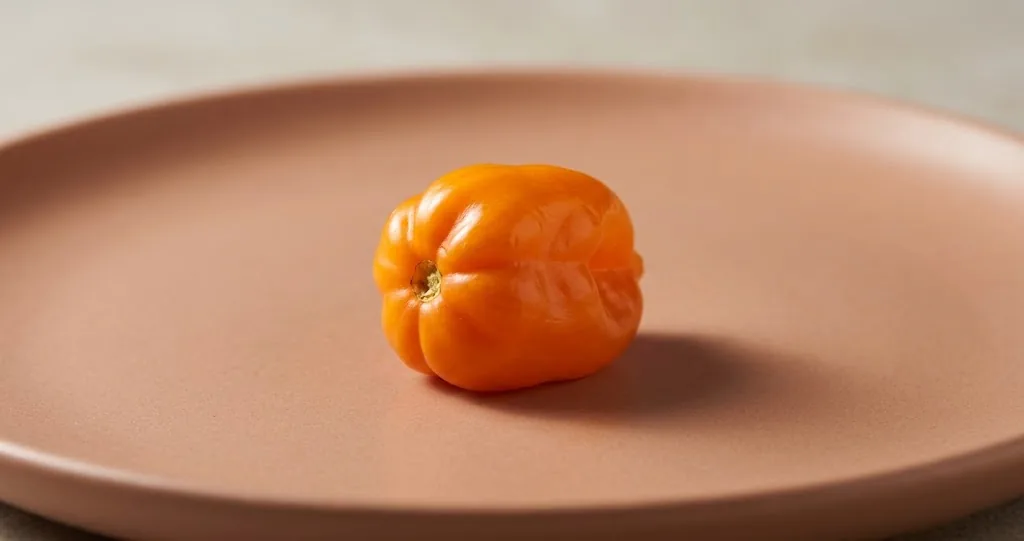
Cut open a ripe habanero and you may notice a fruity, floral smell before you feel its heat. That contrast makes this small orange chili pepper useful in salsa, hot sauce, pickles, and fruit-based condiments. Start with a small piece, taste the finished dish, and add more only if you want it.

How hot is a habanero pepper?
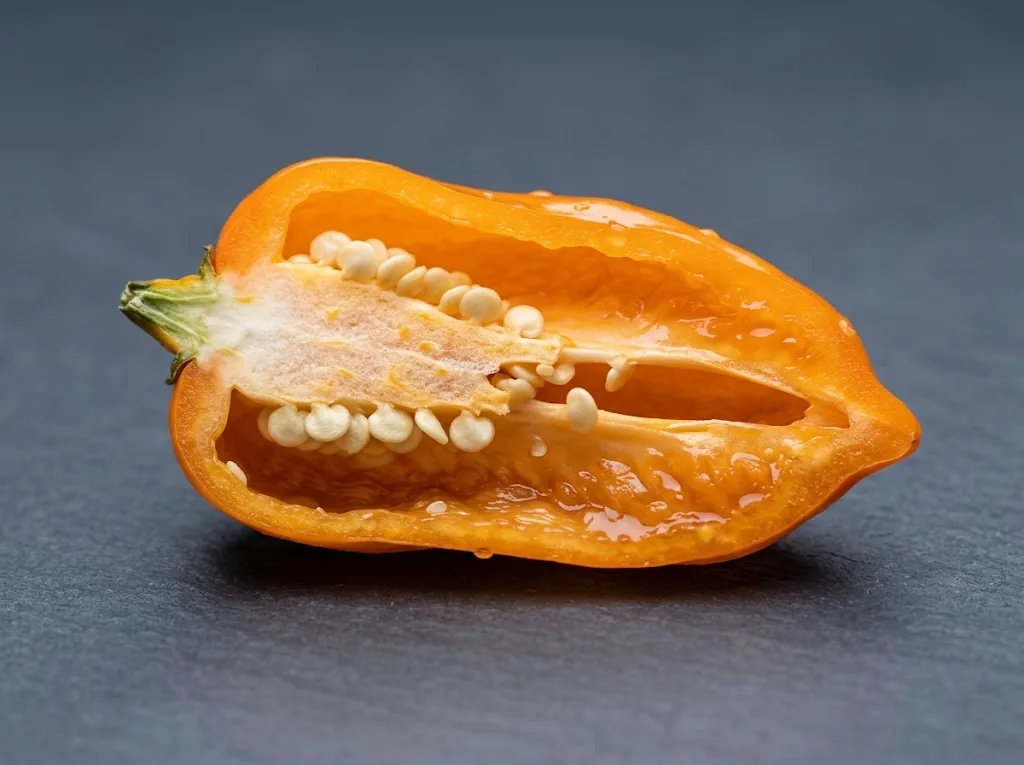
Habaneros commonly fall in the 100,000 to 350,000 Scoville heat units (SHU) range, according to New Mexico State University Extension. A jalapeño is much milder, although heat varies from one pepper and growing season to another. The inner white tissue surrounding the seeds produces most of the capsaicin. Removing that tissue can lower the heat, but it will not make the flesh mild.
A bell pepper has no comparable burn, and even a hot pepper like the jalapeño sits far below this range. A ghost pepper or Carolina Reaper is hotter still. For everyday spicy food, the point is not to reach a record number. It is to choose enough heat that you can still taste the food. Measure a tiny piece first if you are cooking for guests who have different tolerances.
Wash your hands and tools after cutting hot peppers, and wear gloves when preparing several pods. Keep your fingers away from your eyes. If pepper juice gets into an eye, Poison Control advises flushing with plenty of warm water for 15 minutes. Get urgent help for breathing trouble or chest discomfort.
Where this pepper comes from
Habanero is a type of Capsicum chinense, not one named cultivar. The orange form is closely associated with Mexico’s Yucatán Peninsula. The Chile Pepper Institute describes its orange habanero as a Yucatán heirloom with a short, wrinkled, lantern-shaped pod. Other selections ripen red, brown, white, or yellow.
Different chile types have distinct heat and flavor profiles. Our guide to types of chili peppers places this variety alongside milder and hotter options.
The word habanero means “from Havana” in Spanish, which can make this pepper sound Cuban. The name is a clue to how people knew it, not proof of its earliest growing place. For a cook shopping today, a variety name and ripeness matter more than the name story: two orange pods can differ noticeably in heat. Choose firm fruit with waxy, sound skin and skip pods that feel soft or leak.
What does a habanero taste like?
A ripe pod tastes bright beneath its strong burn. Many cooks notice citrus or apricot notes. Mango, pineapple, lime, tomato, and carrot can bring out that fruitiness. Roasting adds deeper flavor, while a raw piece gives salsa a sharper edge. Texture and aroma vary by selection, so taste a sliver before deciding how much to use.
To compare flavor without overwhelming your palate, slice a tiny piece into a spoonful of plain yogurt, then wait before tasting more. The dairy softens the immediate burn and lets you notice the aroma. A raw piece may seem sharper than one roasted with vegetables. If you cannot taste past the heat, dilute the sample again instead of swallowing a large bite.
Orange, red, chocolate, and heatless selections
Orange habaneros are the familiar market type. Red Savina is a red selection bred for intense heat. Caribbean red is another red selection. Chocolate types ripen brown and can taste earthier. White selections tend to be smaller. Color alone is a poor guide to the heat of an individual pod.
A red habanero may offer a different aroma from an orange one, but neither color guarantees a particular Scoville reading. Seed catalogs may list a range for the selection they sell. That range is more useful than a claim about a single pod. Growers who save seed should also remember that the next generation may vary, especially if plants cross with nearby compatible peppers.
For a similar floral flavor without the burn, try Habanada. Cornell University describes it as a heatless habanero developed by plant breeder Michael Mazourek. It is a separate selection, so do not assume a standard ripe orange pod will behave the same way.
How to use habaneros in hot sauce and salsa
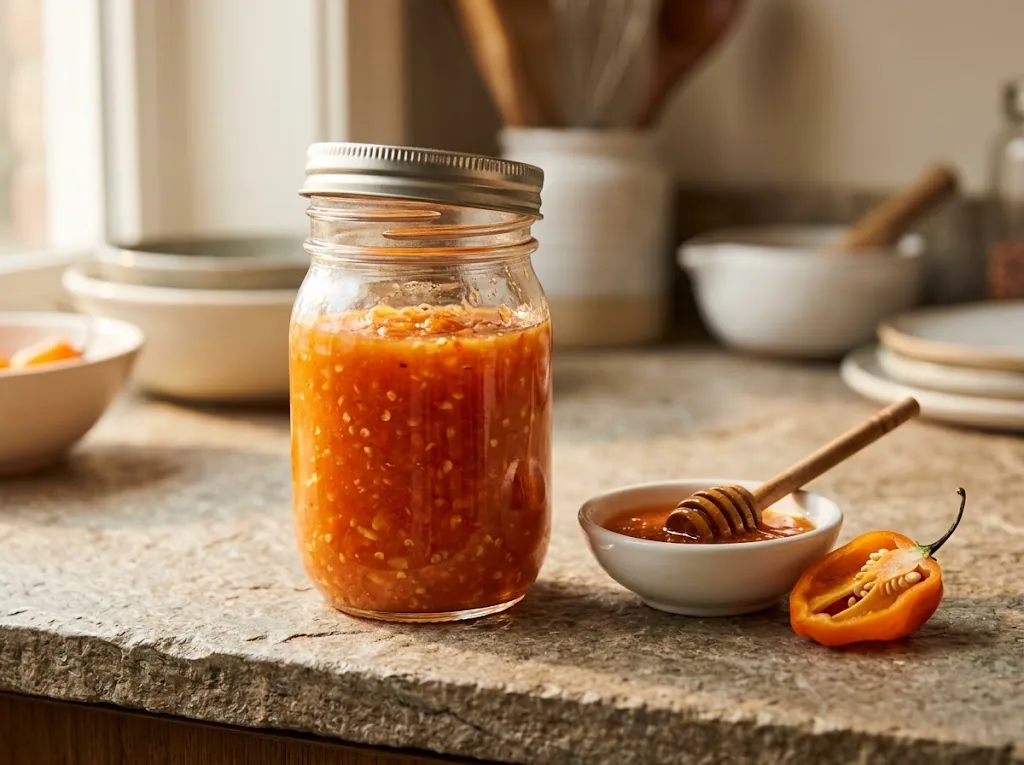
For a quick table sauce, blend a small piece of fresh pod with roasted carrot, garlic, lime juice, and enough vinegar to make it pourable. Refrigerate the sauce and use it promptly. For salsa, mince a little pepper into chopped tomato or tomatillo with cilantro and lime. Add mango for sweetness. These are serving ideas, not tested canning recipes; use a tested preservation recipe if you want a shelf-stable jar.
For a small batch of habanero hot sauce, roast one carrot and one garlic clove until tender. Blend them with a quarter of a seeded orange pod, two tablespoons of vinegar, one tablespoon of lime juice, and a pinch of salt. Add water by the teaspoon until the sauce pours easily. Taste a drop with food, then add another sliver only if needed. Keep the jar refrigerated and discard it if it develops mold or an off smell. This quick sauce is for immediate use, not pantry storage.
For a fresh salsa, combine one chopped tomato, a tablespoon of minced onion, a squeeze of lime, and a small amount of minced chile. Let it sit for ten minutes, then taste with the food you plan to serve. An acid bite or juicy tomato can make a sauce feel balanced, but neither removes capsaicin. If it is too hot, make another batch without the chile and mix the two.
A quarter of a pod is a sensible starting point for a dish serving four. You can also add a little to beans, pepper jelly, a citrus marinade, or a refrigerated quick pickle. Stir a small amount into the finished dish before committing the whole batch. A ripe red jalapeño gives gentler heat if you want the fruit and acid without the same burn.
You can infuse a small piece into vinegar for a quick refrigerated condiment, or into tequila for a cocktail served the same day. Strain after a short taste test so the heat does not dominate. Keep these kitchen experiments refrigerated and use them promptly. For longer storage, follow a tested recipe with a specified acid level and process.
Habanero vs Scotch bonnet
Both peppers belong to Capsicum chinense and can have fruity aroma and substantial heat. A Scotch bonnet usually has a broader, flatter shape; a habanero is often more lantern-like. Shape varies across selections, so a label from a reliable grower is more useful than color alone. In a recipe, begin with less of either pepper and adjust by taste. Our habanero vs Scotch bonnet guide compares them in more detail.
Growing and harvesting at home
Give plants full sun, steady moisture, and well-drained soil. Start seeds indoors ahead of your last frost date, then transplant after nights stay warm. University of Minnesota Extension recommends starting peppers indoors about eight weeks before planting outside and waiting until nighttime lows are above 50°F. Check the seed packet for the maturity period of your chosen selection; days to harvest differ between cultivars and usually count from transplanting.
Use a seed tray with drainage and keep the potting mix evenly moist rather than waterlogged. Warm soil helps pepper seed germinate; Utah State University Extension suggests about 80°F for germination. Once seedlings emerge, provide strong light so they do not stretch. Harden them off gradually before setting them in a bed or large container. A cool spring can delay growth even when the calendar says it is time to plant.
Clip a full-sized pod from the branch when it reaches the color you want. Orange fruit develops a sweeter aroma than green fruit, but heat does not rise at a fixed rate with ripening. Keep picking to encourage more flowers and fruit. For a full seed-starting walkthrough, see our guide to germinating chili pepper seeds.
Storing, drying, and freezing the harvest
Keep fresh pods dry and refrigerated, and check them often for soft spots or mold. Freeze washed and thoroughly dried fruit in a sealed bag when you have more than you can use soon. Frozen pods soften when thawed, so save them for cooked sauces rather than crisp toppings.
If you cook with these pods only occasionally, freeze individual ones on a tray before bagging them. This keeps them from sticking together, so you can take out one at a time. Mark the bag with the variety and date. Chop a partly thawed pod with gloves, then wash the knife and board. For fresh habaneros, avoid washing until you are ready to cook; surface moisture can encourage decay in storage.
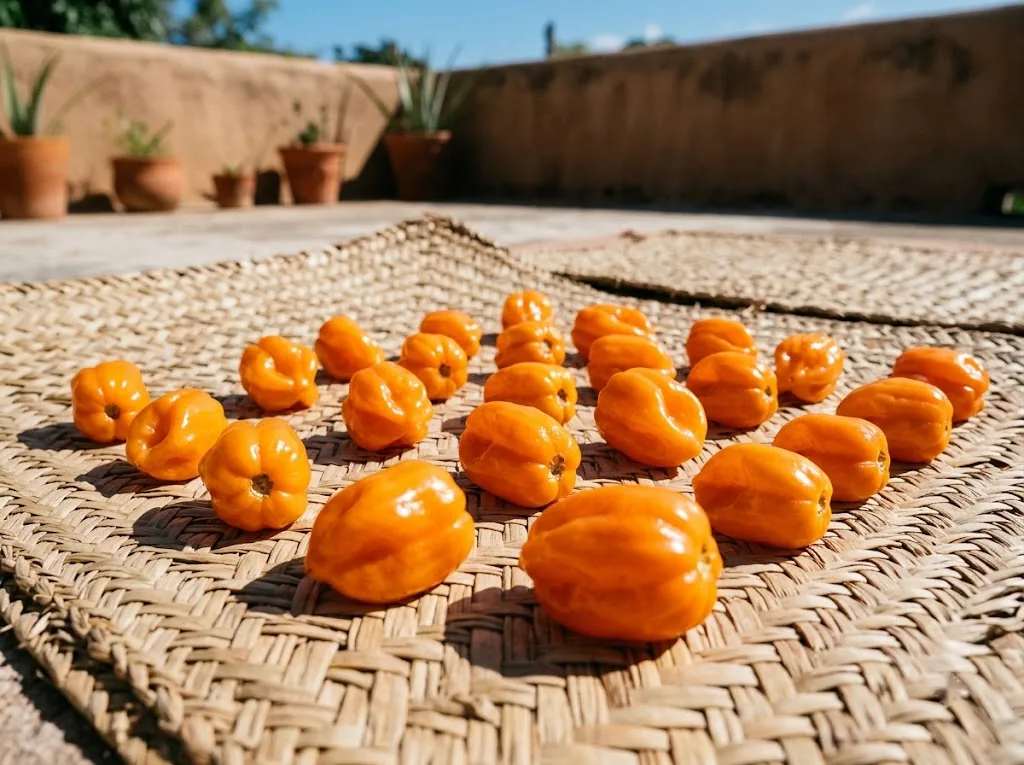
For dried seasoning, use a food dehydrator or a warm, well-ventilated room until the pieces are brittle. University of Minnesota Extension recommends cool, dark, dry storage in a moisture-tight container and notes that dried food generally keeps four to twelve months, depending on conditions. Outdoor sun drying requires consistently hot, dry weather and careful handling, because slow drying can allow mold.
Grind only the amount you need. Fine powder can irritate your nose or lungs, so let the grinder settle before opening it and avoid leaning over the jar. Label the finished powder clearly. A little can season beans, a rub, or popcorn, but the dried and ground form disperses quickly, making it easy to add too much.
Safety and common questions
Very hot peppers can irritate the mouth, stomach, skin, and eyes. Milk or yogurt may ease mouth discomfort for some people. If you have persistent vomiting, severe pain, or breathing trouble after eating one, seek medical help. Food use does not replace care for a medical condition, and there is no reason to eat these pods for a claimed health effect.
Are the seeds the hottest part?
No. Much of the heat comes from the white tissue that holds the seeds. Seeds can pick up pepper oils during cutting, so removing only the seeds may make less difference than trimming the membrane.
Can I substitute a milder pepper?
Yes. A red jalapeño or a mild fruity pepper will change the heat level but can still make a useful sauce. Add a little at a time and taste before serving.
Does drying make a pepper hotter?
Drying removes water, so a spoonful of dried flakes can taste more concentrated than a spoonful of fresh chopped pepper. It does not create new capsaicin. Start with less dried pepper than you think you need.
