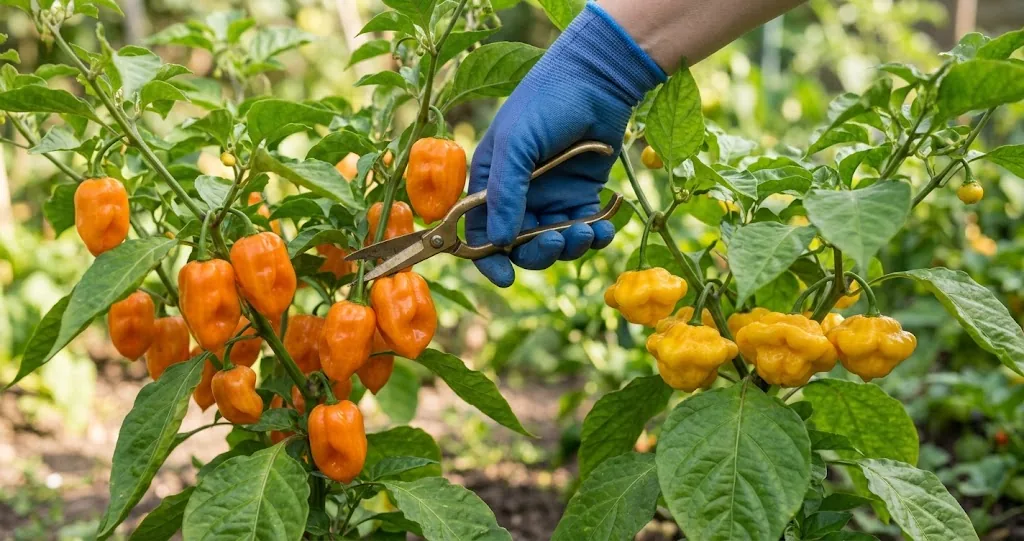
Side by side on a market stall, a ripe habanero and a Scotch bonnet can look almost interchangeable. Both are small, lantern-shaped pods of the species Capsicum chinense, both ripen from green to orange or red, and both carry enough heat to make a casual snacker regret their curiosity. Yet cooks in the Caribbean, Latin America, and West Africa reach for them very differently. The habanero vs Scotch bonnet difference comes down to shape, flavor, and the kitchens each one calls home.
Both peppers trace back to the Amazon basin, and centuries of seed exchange have blurred the lines. They are closely related, they cross freely, and seed catalogs sometimes sell the same plant under either name. Still, the two groups have drifted apart in flavor, shape, and cultural home. Knowing the key differences helps you decide which to buy, which to grow, and when one is a fair swap for the other. For a wider look at where these two sit in the hot pepper family, our guide to the main types of chili peppers lays out the full range.
Key differences: how they compare at a glance
- Species. Both are Capsicum chinense. They are different cultivar groups within one species, not different species.
- Heat. Both typically measure 100,000 to 350,000 Scoville heat units (SHU), so a recipe needs the same caution with either.
- Shape. Habaneros are lantern-shaped, slightly longer than wide, often with a small pointed tip. Scotch bonnets are squat and rounded, with a dimpled base like a tam o’shanter cap.
- Flavor. Habaneros taste bright, citrusy, and floral. Scotch bonnets taste sweeter and fuller, with a softer fruity flavor.
- Home kitchens. Habaneros anchor Yucatecan and wider Latin American cooking. Scotch bonnets define Caribbean cooking and West African cooking.
- Signature dishes. Salsas, recado pastes, and vinegar hot sauces for habaneros. Jerk seasoning, Trinidadian pepper sauce, and West African stews for Scotch bonnets.
Shape, color and skin: telling them apart on a market stall
The fastest clue is shape. A habanero looks like a small lantern, roughly 2.5 to 6 cm long (one to two inches), with a slightly elongated body and often a pointed tip at the blossom end. Its skin is waxy and sometimes wrinkled. A Scotch bonnet is shorter and squatter, wider at the bottom than at the top, with a flattened or dimpled base that gives it the silhouette its name describes. Set one on a table and the bonnet looks pressed down, while its rival stands taller and tapers.
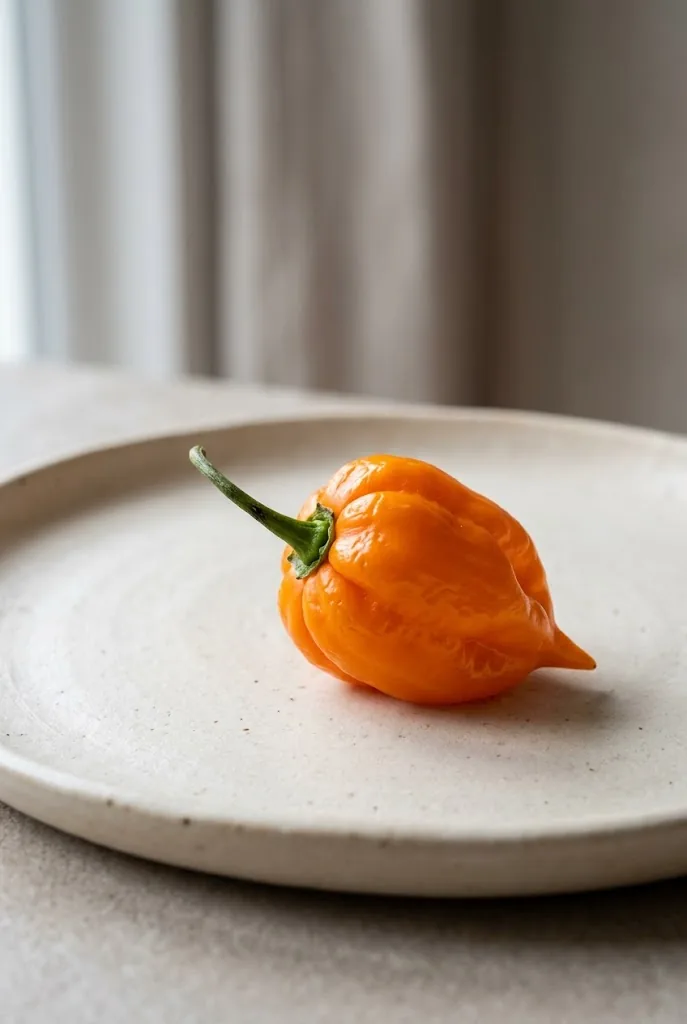
Color overlaps far more than shape, so it is a weak cue on its own. Both ripen from green and both come in several colors. Orange is the color most people picture for habaneros, and bright orange Scotch bonnets are common too. On island markets, though, ripe Scotch bonnets are more often deep yellow or bright red, and chocolate-brown strains turn up on both sides. If you see a taller pod tapering to a point, expect a habanero. If you see a squat pod with a dimpled base, expect a Scotch bonnet.
Heat level: which is hotter and how the burn feels
On the Scoville scale the two peppers land at a nearly identical heat level. Both typically measure between 100,000 and 350,000 SHU, with most of the capsaicin held in the white inner ribs and seeds (Wikipedia’s Scotch bonnet entry gives the same range for both). Specific strains can run higher: black habaneros are reported at 425,000 to 577,000 SHU. Even so, both sit well below the hottest peppers in the world, including the ghost pepper and Pepper X. Pepper X holds the current Guinness title for the hottest chili pepper, certified in 2023 at an average of 2,693,000 SHU, and the Carolina Reaper held the record before it after its 2013 certification (record history). A jalapeno measures 2,500 to 8,000 SHU, so a habanero or Scotch bonnet is roughly 12 to 140 times hotter.
What separates them is how the heat arrives. A habanero often leads with a quick, sharp bloom at the front of the mouth, then settles into steady warmth across the tongue and throat. A Scotch bonnet tends to build a little more slowly and feels rounder and fruitier as it builds, with a long finish. Neither burn is gentler. Wear gloves when cutting either pepper, keep your hands away from your eyes, and keep dairy or something sweet nearby to cool the burn.

Flavor: where the difference really lives
Heat is the loud feature, but flavor profile decides which pepper a recipe is really asking for, and the huge difference shows up on the palate rather than in the heat. The habanero carries a bright, almost floral fruitiness. Many tasters pick up citrus and a touch of tropical fruit, plus a clean sharpness that cuts through acidic salsas and vinegary hot sauces. That bright edge is why habaneros sit at the center of Yucatecan cooking, where recado rojo and recado amarillo use them to lift achiote, sour orange, and slow-cooked pork. Some habanero types, such as the Caribbean Red, add a smoky note on top of the citrus. Both peppers taste fruity, but each has a distinct flavor.
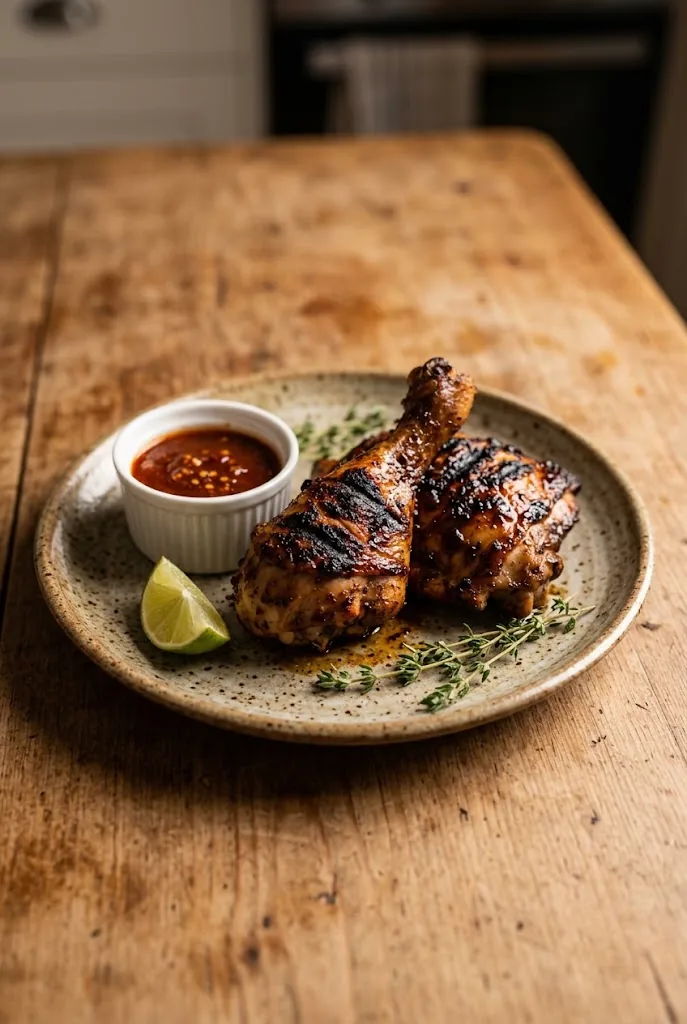
Scotch bonnets read sweeter and softer on the palate. Their fruitiness is closer to ripe stone fruit than citrus, and the aroma leans toward tropical fruit with a rounded, almost perfumed finish. In jerk seasoning and Trinidadian pepper sauces, that sweetness balances sharp scallion, woody allspice, thyme, and the char of the grill. A citrusy pod dropped into a jerk marinade tends to make it feel thinner and sharper. A Scotch bonnet in a Yucatecan recado can mute the brightness the dish depends on. Sweetness in a hot sauce is often what tips a cook toward the bonnet.
Cuisine and cultural home
The habanero is the everyday super-hot of the Yucatan Peninsula, Belize, and much of Latin America. It shows up in salsas, in ceviche, in pickled rings served with tacos, and in the slow-cooked pork dishes of the region. It also travels well as a dried powder and as a vinegar-based hot sauce, which is why hot sauces made from it are easy to find on grocery shelves far from its home range. For a deeper look at choosing, storing, and cooking with this pepper, our habanero pepper guide walks through strains, ripeness, and everyday uses.
The Scotch bonnet is the defining pod of island cooking and carries a strong Caribbean identity. In Jamaica it is the heat source in Jamaican jerk chicken and pork, alongside allspice, thyme, and scallion, and it also flavors curry goat and escovitch fish. Trinidad and Tobago’s pepper sauces are built on it as well. Caribbean communities in the United Kingdom, Canada, and the eastern United States have carried it with them, so it is a regular sight in West Indian grocery stores well beyond the islands.
Cooking with each one
A few practical rules of thumb:
- Use less than you think you need in spicy recipes. A single thinly sliced pod of either pepper will season a full pot of stew, beans, or rice.
- Add them late in long-cooked dishes so the fruity top notes survive. In a slow braise, a whole Scotch bonnet dropped in for the last twenty minutes gives fragrance without dissolving into mush.
- Pair the Scotch bonnet with allspice, thyme, garlic, and brown sugar for an island flavor. Pair the habanero with lime, cilantro, mango, and avocado for a Latin or tropical flavor.
- Dried pods of either pepper rehydrate in warm water before chopping.
- Treat the seeds and white ribs as the hottest part. For a milder dish, slice the pod open and remove them before chopping.
- Wash cutting boards and knives with hot soapy water after use, especially before preparing food for children or anyone sensitive to heat.
Can you substitute one for the other?
The Scotch bonnet vs habanero question matters most when you cannot find the pepper a recipe calls for, so choosing a Scotch bonnet or habanero usually starts with the dish. Neither is a perfect swap for the other, but cooks trade Scotch bonnets and habaneros all the time, and the heat is close enough that the trade rarely goes wrong. A general rule:
- Habanero for Scotch bonnet works in jerk sauces and island stews, though the result tastes sharper and more citrusy. It is acceptable in most savory dishes.
- Scotch bonnet for habanero works in salsas and Latin American stews, though the result tastes a little sweeter and softer. It makes deliciously fruit-forward hot sauces.
- Neither is a fair swap for a mild pepper. Both run far hotter than jalapenos, serranos, or cayenne. If a recipe calls for a mild pod, use about a tenth of the whole pepper and taste as you go.
If you can only buy one, your local grocery is the best guide. West Indian markets tend to carry Scotch bonnets reliably, while Latin American grocers and most general supermarkets in the United States stock habaneros year round. Either way you are getting a Capsicum chinense with real flavor and a long history in kitchens that take hot peppers seriously. For strains, drying methods, and island recipes that put a bonnet to work, our Scotch bonnet pepper guide covers the plant and the plate.
Frequently asked questions
Are Scotch bonnet and habanero peppers the same species?
Yes. Both belong to Capsicum chinense, the species that also includes the Carolina Reaper and 7 Pot types. They are different cultivar groups within that species, not different species. Habanero varieties include Red Savina, black, and chocolate habaneros, while Scotch bonnet varieties include red and yellow strains grown across the islands.
Scotch bonnet vs habanero peppers: which is hotter?
They share a similar heat level. Both typically measure between 100,000 and 350,000 SHU, and individual pods swing higher or lower depending on strain, growing conditions, and ripeness. Do not rely on heat alone to tell them apart. Which one becomes a cook’s favorite pepper usually comes down to flavor.
Can you substitute habanero for Scotch bonnet?
Yes, in most dishes. Expect a sharper, more citrusy result in jerk and island recipes, and use the same amount by count, tasting as you go.
Are habaneros the healthiest pepper?
No pepper earns that title on its own. Both peppers contain capsaicin, which produces the burn, and both provide some vitamin C, but you eat so little of either that neither is a meaningful health food. Treat them as a flavor ingredient and handle them with care.
Where can I buy Scotch bonnet peppers?
Look at West Indian markets, island grocery stores, and well-stocked international produce sections in larger cities. They are also sold dried and as powders in some specialty spice shops. Where fresh Scotch bonnets are scarce, many cooks swap in the other pepper and adjust the recipe slightly.
Can I try pepper growing with both at home?
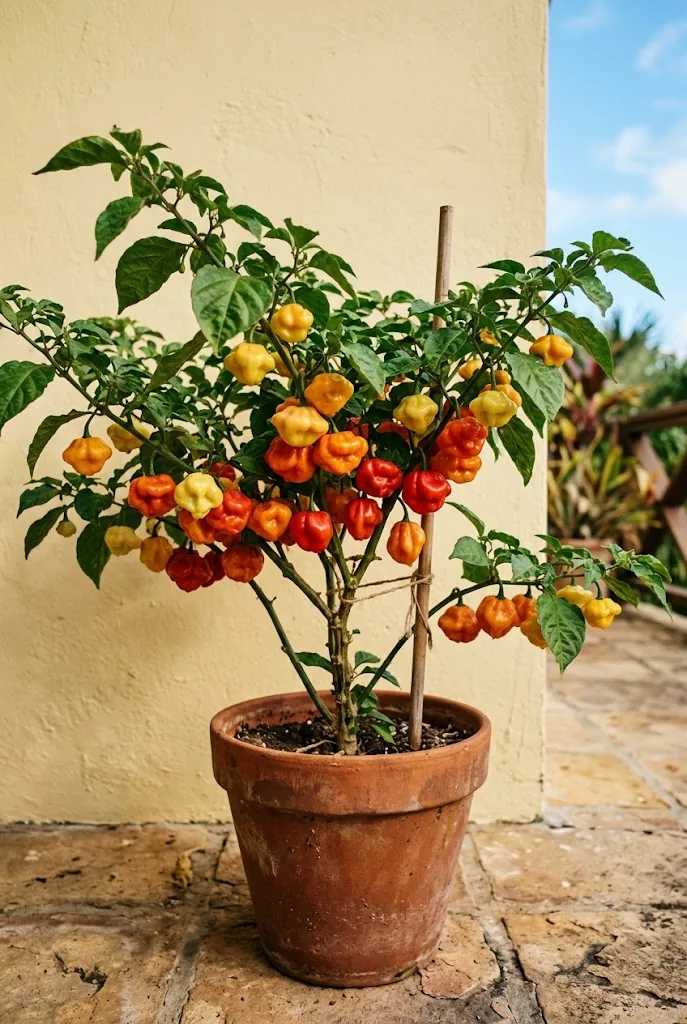
Yes. Both thrive in full sun, well-drained soil with a pH near 6.5, and steady watering. Seeds want warm soil around 80 to 85 degrees Fahrenheit to germinate reliably. Start them indoors eight to ten weeks before your last frost, transplant once nights stay above 60 degrees, and expect ripe fruit 80 to 100 days after transplanting. Either is a good first pepper growing project, and many growers try growing several pepper varieties at once to compare flavor at the table.
