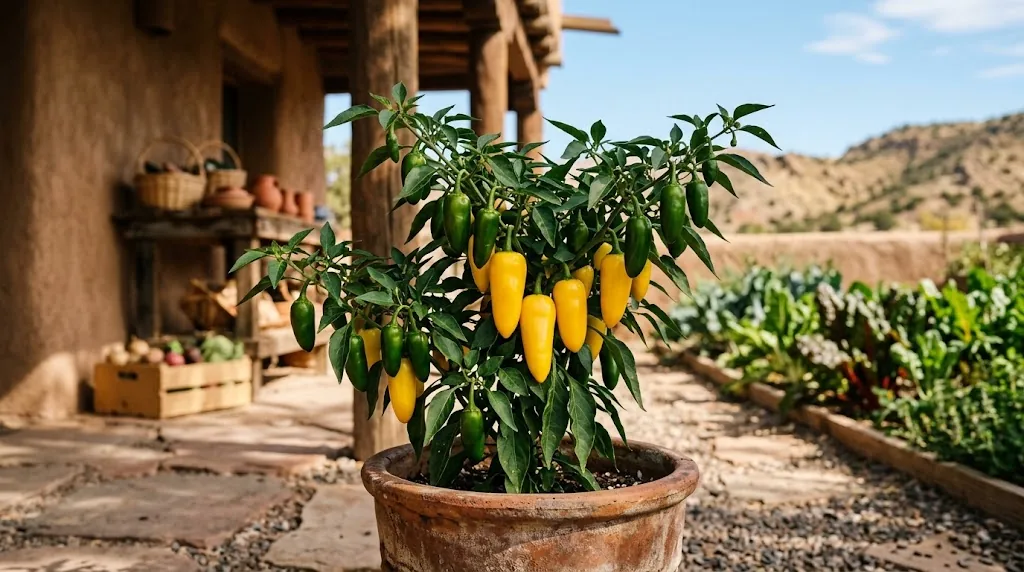
A pepper does not have to turn red to be ready for the table. NuMex Lemon Spice develops golden, thick-walled pods with blunt tips. The Chile Pepper Institute at New Mexico State University developed this open-pollinated cultivar. In its trial, measured pungency was similar to the standard green-to-red check, despite higher numbers sometimes listed by seed sellers. The university study reports the comparison.
The short version for gardeners: start seeds indoors about eight weeks before outdoor planting, give the crop full sun and warm, well-drained soil, and pick pods green or after they turn gold. The golden-yellow color adds contrast to salsa, pickles, and cooked dishes. The pepper is distinct from the lemon drop chile, which is a separate type.
Origin and identifying traits
NuMex Lemon Spice is a named cultivar of Capsicum annuum, the species that includes many common garden peppers. Breeders began the cross in 1995, using ‘Permagreen’ bell pepper and ‘Early Jalapeño.’ They selected plants for jalapeño-shaped pods and a golden ripe color, using backcrossing to retain the familiar pod type. The university released it in 2015 with two siblings selected for orange and pumpkin-colored ripe pods. The breeding work continued through repeated cycles of selection to preserve the traditional shape while fixing the unusual ripe color.
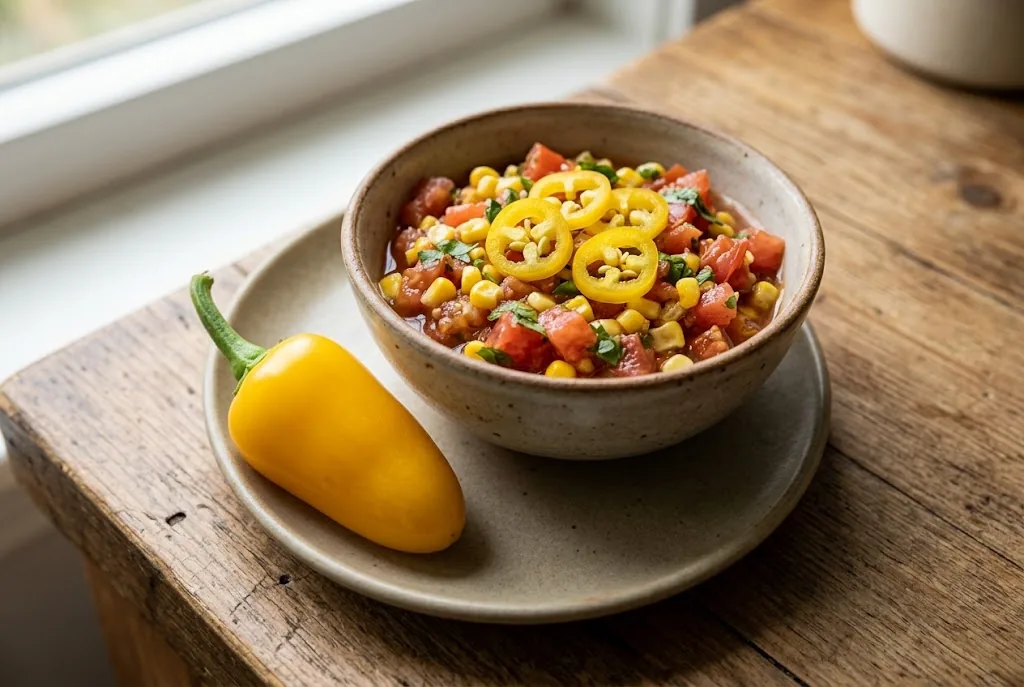
Its pods begin green and ripen to a bright golden yellow. In university field trials, they averaged about 2.4 inches long and 18 grams, with a smooth skin and thick walls. Plants stayed compact at roughly 14 to 18 inches tall, and fruit set was concentrated. The same research reported an average field yield of about 12.7 tons per acre. That figure came from research plots, so it is not a promise for a single home plant or container. Space, temperature, watering, and seed source can shift results in a home garden.
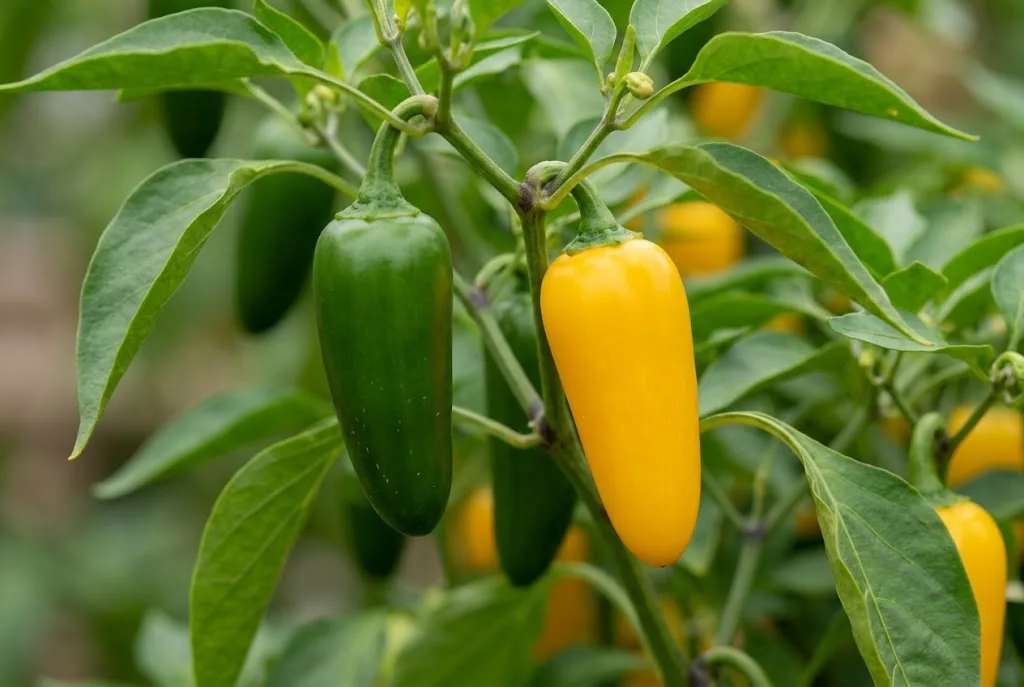
The cultivar description emphasizes ripe color; the name therefore points to that appearance, not a guaranteed lemon flavor. Some seed catalogs describe a fruity flavor, citrusy note, or a hint of sweetness; those subjective tasting notes vary, so treat them as possibilities rather than a promise. Expect savory pepper notes with a firm bite, not a dependable lemon aroma.
How spicy is it?
The best documented heat level is an average of 25,086 Scoville units from a three-year university trial, measured with laboratory equipment. The same trial measured about 30,388 SHU for its standard check, and the cultivars were not statistically different. This comparison matters: the university results do not show a reliably hotter pepper.
Retail listings vary, with some rounding the trial figure to about 25,000 and others advertising numbers nearer 30,000. Individual pods can differ too. Start with a small amount when cooking for people who have not tried the variety, then add more to taste. The lab result describes the tested crop, not a guarantee for each pod.
When to pick the pods
Pick green pods if you want an earlier harvest, or wait for the full golden color that identifies this cultivar. Use clean snips to cut the stem, leaving a short stem attached, rather than pulling on a branch. Frequent picking gives the plant room to set more flowers while the weather remains warm. Before frost, gather the remaining firm pods.
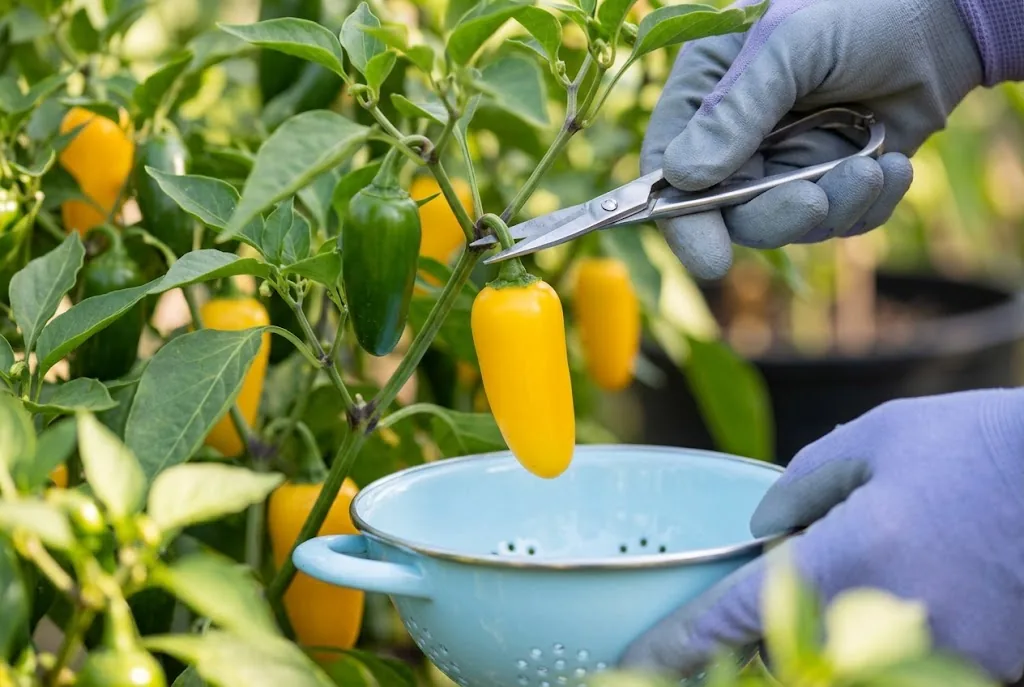
Wear gloves when slicing or processing a large batch, and avoid touching your face or eyes. Capsaicin in hot peppers can irritate skin and eyes. Poison Control recommends gloves and avoiding face or eye contact; contact a poison center for advice if exposure causes significant symptoms.
Growing Lemon Spice pepper seeds in the garden
This is a warm-season crop. Give it a sunny site, fertile soil that drains well, and steady moisture. University researchers developed and trialed the cultivar in hot, dry conditions, but that does not make it frost tolerant. Protect young seedlings from cold and do not rush them into chilly soil.
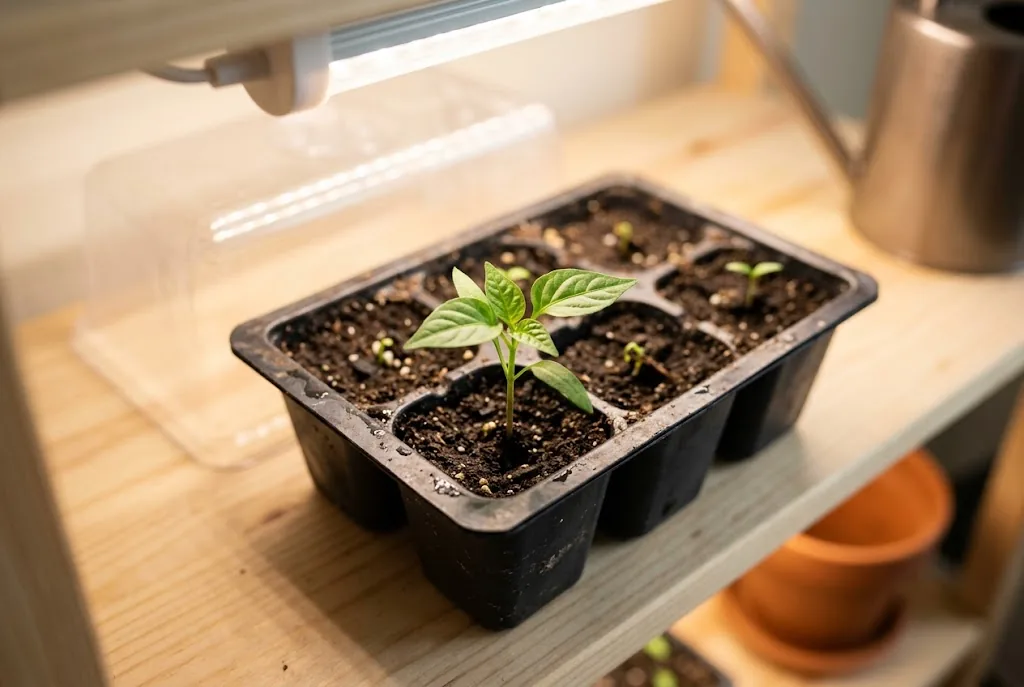
- Sow indoors. Use the last frost date to plan an indoor start about eight weeks ahead. Sow pepper seeds in sterile seed-starting mix about one-quarter inch deep. Warm mix encourages germination; a heat mat can help in a cool room. Keep the mix damp, not waterlogged, and move seedlings under bright light as soon as they germinate. Buy from a reputable seed company and confirm the packet names NuMex Lemon Spice. Some listings spell the search phrase without the accent as “lemon spice jalapeno”; look for NuMex on the packet to identify the cultivar.
- Grow sturdy transplants. Pot seedlings individually after true leaves appear. Keep the light close enough to prevent long, weak stems. A week before planting outdoors, gradually expose them to more sun and wind so they can adjust.
- Wait for warm soil. Set them outside after frost danger has passed and soil is around 60°F or warmer. Space plants about 14 to 18 inches apart in a sunny bed. One plant can also grow in a large pot with drainage holes; a container holding several gallons of mix gives roots room. Place it where it receives full sunlight. Pepper plants may drop blossoms during very hot weather, so keep moisture steady through a hot spell. Utah State University Extension notes that high temperatures can reduce flower and fruit set.
- Water evenly. Keep the root zone moist through flowering and pod set, but do not leave roots in standing water. A light mulch can slow drying once the soil has warmed.
- Feed with restraint. Add mature compost or use a balanced vegetable fertilizer according to its label. Too much nitrogen can push leafy growth at the expense of flowers. If a vigorous plant sets few pods, first check sunlight, temperature swings, and moisture.
Seed listings commonly estimate 65 to 80 days from transplant to first ripe pods. Baker Creek lists that range from transplant. Retailers may count days differently, and local weather changes the pace, so treat it as a planning range and check color and firmness. For a broader overview of varieties and their differences, see the chili pepper guide.
Storage and kitchen uses
Keep the pods in the refrigerator for about a week and use them while the skin is firm; longer cold storage can cause pitting. University of Minnesota Extension gives similar storage guidance. For a longer supply, freeze them whole or sliced, pickle fresh pods, or dry them in a food dehydrator. Use a tested recipe for shelf-stable pickles or canned preparations. Cooking can soften the bright color, so add a few fresh slices at serving time when appearance matters. A golden sauce or salsa gives the pods room to add color as well as pungency.
Taste and practical uses
The pods work in fresh salsas, quick pickles, cornbread, beans, and stuffed-pepper appetizers. Their thick flesh holds up to cooking, so start with a small amount and add more to taste. The fruity description in seed listings is subjective, not a guarantee. Pair them with corn, tomatoes, citrus, or mild cheese. The exact balance of fruity notes and pungency varies from pod to pod, so tasting a small amount helps you judge how much to use. Cheiro Roxa peppers offer another variety to explore if you want to compare shape and growing habits.
Frequently asked questions
Does the pepper turn red?
This cultivar is selected for a golden ripe color. Pods are green before they ripen. Pick at either stage, depending on the taste and appearance you want.
Can I grow it in a container?
Yes. The compact habit suits a large container with drainage holes. Use fresh potting mix, give the plant full sun, and check moisture more often than you would in a garden bed.
How long does it take to produce?
Seed listings estimate 65 to 80 days from setting plants outside to first ripe pods, after about eight weeks of indoor seed starting. Local weather changes the pace, so check color and firmness rather than counting days.
Can I save seed?
The cultivar is open-pollinated. Let a healthy pod ripen fully before collecting pepper seed, and remember that nearby pepper varieties may cross-pollinate. Seed saved from an isolated plant is more likely to retain the same traits.
Is this the right pepper for your garden?
Choose this cultivar if you want a compact crop with golden ripe pods and substantial pepper pungency. Start early, wait for warm conditions, and use the measured 25,000-SHU result as a reference rather than a promise. Beaver Dam peppers are another open-pollinated option if you want a different pod shape and kitchen use.
Research and growing references
- Peer-reviewed cultivar description and three-year trial (PDF).
- University chile cultivar guide.
- University extension guide to growing peppers.
- Extension guidance for starting vegetable transplants.
- Poison Control advice about hot-pepper exposure.
- Seed listing that advertises about 30,000 SHU.
- Seed listing with a 65 to 80 day estimate.
- Utah State University Extension pepper growing guide.
