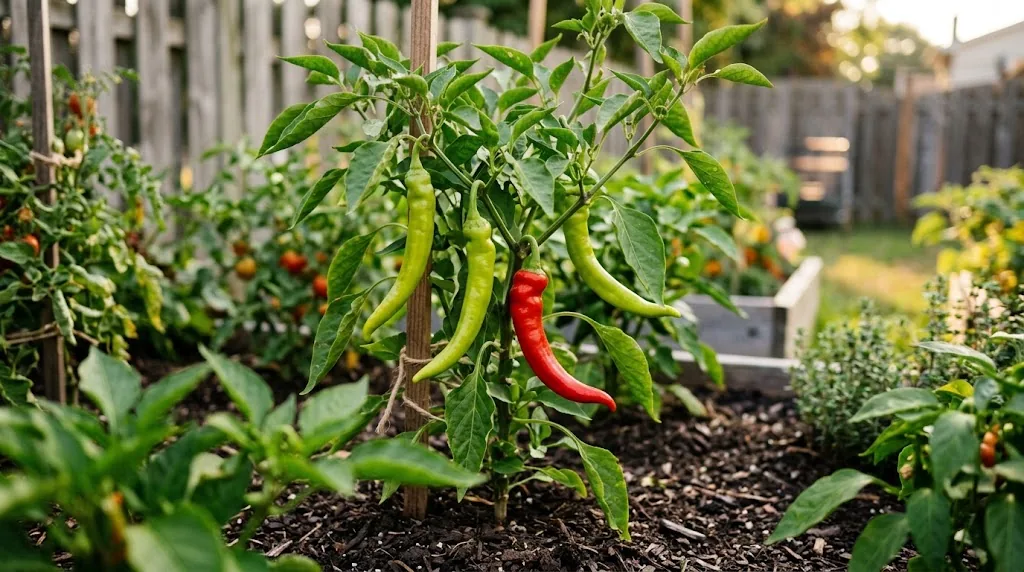
A ripe Beaver Dam pepper is long and tapered, with a crisp wall and gentle warmth. This heirloom suits gardeners who want a versatile crop for fresh eating, roasting, and preserving.
What is a Beaver Dam pepper?
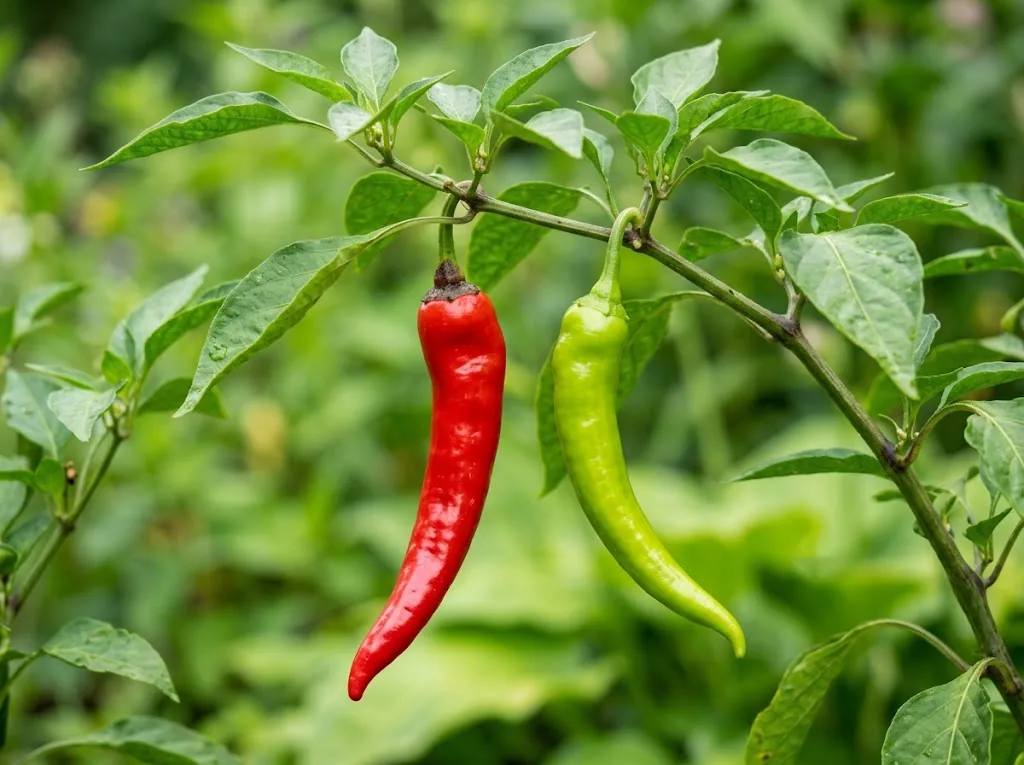
Beaver Dam is a named Capsicum annuum cultivar, rather than a separate species. Its horn-shaped pods reach about 5 to 8 inches and change from bright lime green to red as they ripen. The crisp, juicy walls stay substantial when sliced or cooked. Truelove Seeds describes its characteristics; growing conditions can affect size and flavor.
For a wider comparison of pepper shapes, flavors, and heat levels, see our guide to types of chili peppers.
Origin and family history
The documented story begins in 1912, when Hungarian immigrant Joe Hussli brought seed to Beaver Dam, Wisconsin. His family shared it locally before the pepper entered the Seed Savers Exchange. The university variety guide and Slow Food USA record this history. The Slow Food Foundation includes it in the Ark of Taste, a catalog that highlights regional foods considered culturally significant and at risk of being lost.
These sources support a family connection to Hungary and cultivation in the town. They do not establish an exact village of origin or how long the cultivar existed before its arrival in the United States.
How hot are Beaver Dam peppers?
Available listings place it at about 500 to 1,000 Scoville Heat Units (SHU). Truelove Seeds describes a rich, fruity flavor with sweetness first and a spicy finish. Pungency can vary between pods, so try a small piece before adding more to a dish.
Removing the pale inner membrane and seeds can soften the bite, according to the University of Minnesota Extension guide. For a much hotter contrast, our profile of Dragon’s Breath peppers covers another cultivar.
Growing Beaver Dam peppers
To grow this warm-season crop, choose a sunny site with fertile, well-drained soil and steady moisture, as recommended in the Illinois Extension home pepper guide. The Slow Food USA growing notes recommend sowing indoors in late winter or early spring, keeping the mix at 80 to 90°F, then giving young starts strong light. Their Midwest schedule moves them outdoors after frost danger passes, with about 1.5 to 2 feet between them. Use local frost dates rather than copying that schedule into another region.
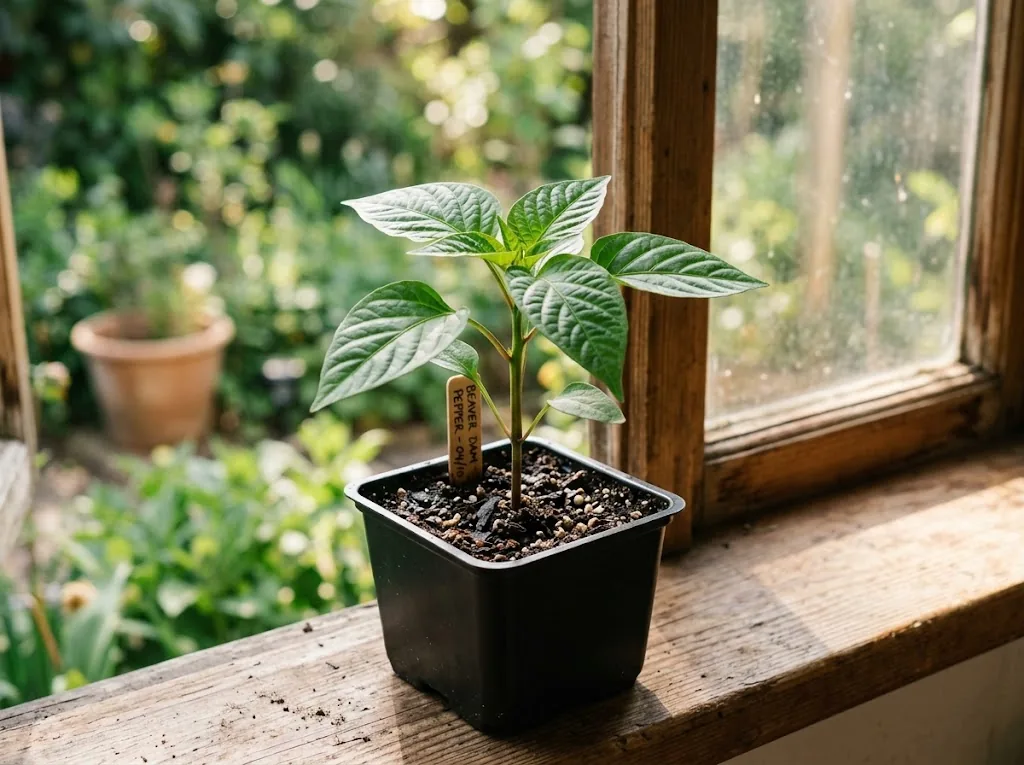
- Sow in a clean, warm starting mix. The variety-specific notes list a broad 6 to 28 day germination window.
- After emergence, give young starts bright light and enough room for healthy roots. Move them to larger pots if they outgrow their cells before outdoor conditions are ready.
- Harden them gradually before setting them outside. Wait until frost has passed and nights are reliably warm.
- Water when the soil begins to dry, and avoid waterlogged roots.
- Stake a heavily loaded stem if it begins to lean. Sellers describe the cultivar as productive, but harvest size depends on the season and care.
One catalog gives 70 to 80 days to maturity, while the University guide lists 80. Treat both as estimates because labels can count from different points and weather changes ripening speed.
When to harvest
Pick pods at the stage that suits the dish. Green ones are commonly eaten before full ripeness, while red marks the mature color. Use clean scissors or pruners to cut one from its stem instead of pulling hard on a branch. UMN Extension notes that continued picking can help plants keep producing flowers and setting more fruit.
Wear gloves if you are sensitive to chili oils, and wash your hands with soap before touching your eyes or face. The National Center for Home Food Preservation gives the same handling advice for hot peppers. The bite is mild compared with many chilies, but sensitivity varies.

Flavor and kitchen uses
The thick, crisp walls slice well for sandwiches and fresh relish, or cook into stews and sauces. Their size also suits stuffing: remove the stem and seeds, fill the cavity, and bake until tender and hot throughout. You can also roast the pods until the skin blisters, then peel and fold the flesh into eggs, beans, or a grain bowl. Some cooks stuff them with cheese for a simple baked dish.
This is a flexible table crop rather than a cultivar with one required recipe. Start with a small amount and add more if you want extra warmth. For jar storage, see the preserving section below. For another type that is used fresh and in cooked dishes, see our profile of Chile de Agua peppers.

Storing and preserving the harvest
Refrigerate fresh peppers and use them while they remain firm. For longer storage, wash and dry them, remove stems and seeds if desired, cut into strips or rings, and freeze in a sealed container. The Colorado State University Extension freezing guide includes methods for both hot condiment peppers and chilies. Frozen peppers soften after thawing, so they work best in cooked dishes.
To keep some for flakes, string whole pods in a well-ventilated room or use a dehydrator according to its directions. University of Minnesota Extension lists hot peppers among foods commonly air-dried and says vegetables should be brittle before storage. Let dried pods cool, then store them in a sealed container in a cool, dark, dry place.
Pickling is another option. Use a tested pepper recipe from the National Center for Home Food Preservation and keep its ingredient amounts and processing directions unchanged. Peppers are low-acid vegetables, so the NCHFP blog stresses keeping ingredient portions as the tested recipes call for; changing the vinegar, ingredients, or process can make a home-canned product unsafe. If you make a custom quick pickle without a tested canning process, refrigerate it and use it as a refrigerator food rather than treating it as shelf-stable.
Frequently asked questions
Are Beaver Dam peppers rare?
Slow Food lists them in a preservation catalog for culturally important foods at risk of disappearing. Availability depends on the seller and season, so the listing alone does not mean the cultivar is always scarce.
How would you describe its flavor?
Growers and sellers describe a crisp, rich profile with a sweet first impression and gentle warmth afterward. Try one fresh to judge your own harvest.
Can you eat Beaver Dam peppers green?
Yes. They can be picked while green or left on the plant to turn red. Green fruit is useful for stuffing, frying, and fresh slicing; red fruit is fully mature.
What is the best way to preserve them?
Freezing is simple for later cooking. For shelf-stable pickled peppers, choose a tested canning recipe and follow it as written. A refrigerator pickle should stay refrigerated.
With its useful size, gentle warmth, and family history, Beaver Dam is an appealing choice for a home garden or kitchen. Pick some green for a crisp bite or wait for red pods, then use the harvest fresh, cooked, or preserved with a tested method.
