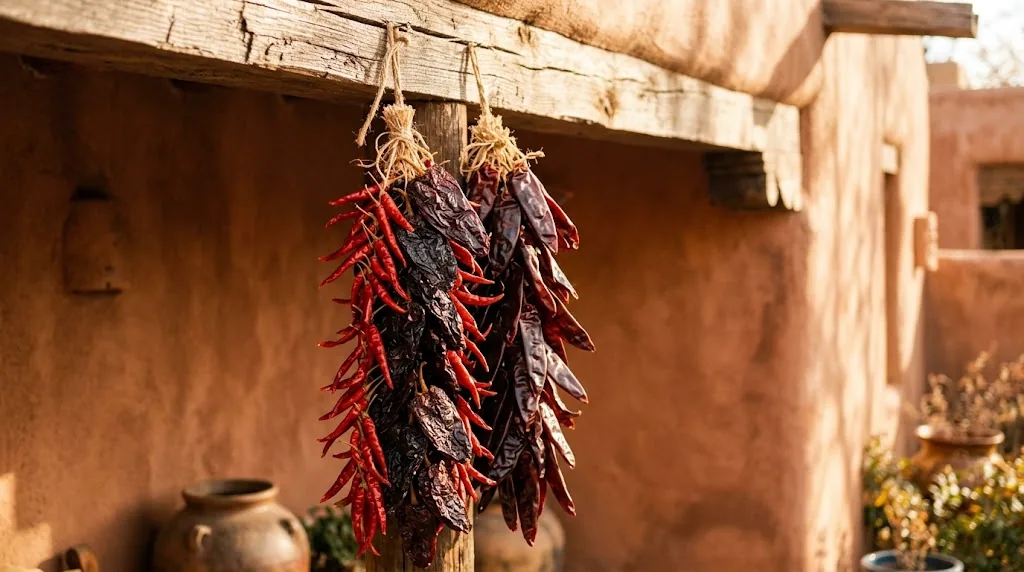
Mexican chili peppers bring more than heat to a dish. Fresh pods add a crisp bite, dried ones build the body of sauces, and smoked varieties bring a savory edge to beans and braises. This guide helps you choose by form and flavor, then prepare the pods without scorching them. A few clearly identified varieties are more useful than a cupboard full of unfamiliar names.
How Mexican cooking uses fresh and dried chiles
Popular Mexican chiles come in fresh, dried, and smoked forms. Match the form and flavor to the dish, and check the label before making substitutions.
Fresh chiles give bright heat, vegetal aroma, and a clean snap. They show up in raw and cooked table dips, on grilled meats, pickled into escabeche, and stuffed as the main event. Green peppers are the everyday fresh forms; serrano shows up where sharper heat is wanted.
Dried chiles. These give depth to cooked sauces and can bring fruity flavor as well as pungency. Guajillo brings red color and tang, while pasilla and mulato offer darker flavors; chile de árbol provides a sharper kick. Toast briefly without blackening, then soften in hot water before blending.
Smoked chiles. Familiar chipotle peppers are ripe jalapenos dried with smoke, not a pod necessarily dried twice. Buy them whole, ground, or canned according to the recipe. A little can season beans or a braise without becoming the main flavor.
Choose the form the recipe names. Fresh, dried, smoked, and canned peppers differ in moisture and seasoning, so one is not automatically a spoon-for-spoon substitute for another.
The fresh chiles that anchor the Mexican kitchen
Fresh poblanos suit stuffing, while smaller green peppers suit toppings. The following chili varieties are useful starting points. Availability and naming vary by market; look at the actual pod and ask which variety you are buying.
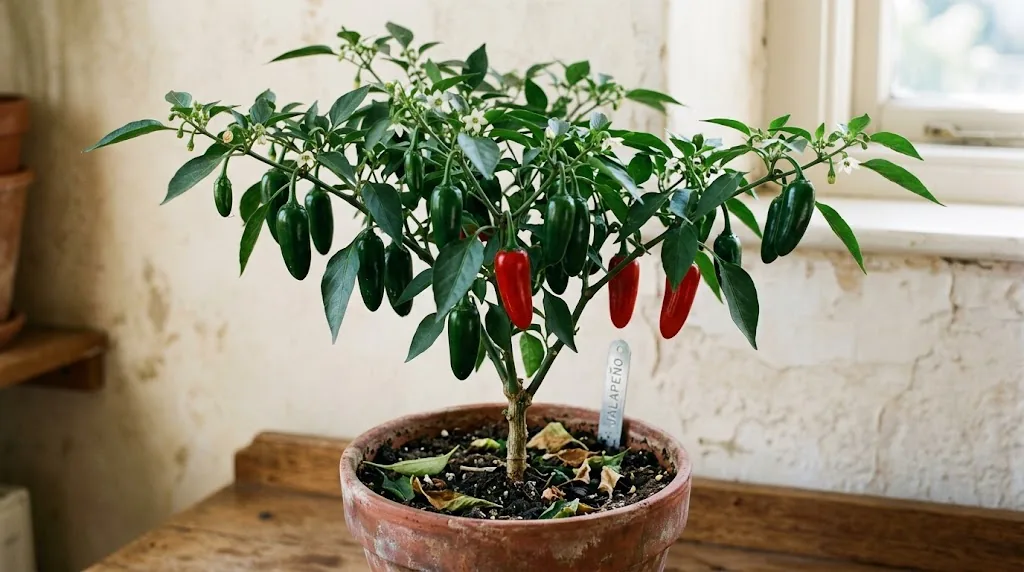
Jalapeño. A familiar medium-heat choice for fresh toppings and pickles. Ripe red pods are often sweeter than green ones. A commonly quoted range is 2,500 to 8,000 Scoville heat units, though individual pods vary. The growing and cooking profile explains the variety in more detail.
Serrano. A smaller pepper that usually brings sharper heat. Use a small amount in pico de gallo or a tomatillo sauce, then taste before adding more. Do not treat a heat range as an exact three-times conversion between peppers.
Poblano pepper. A broad pod suited to roasting, peeling, stuffing, and slicing into rajas. It is generally mild, but individual pods vary. Its substantial walls are useful for cheese or picadillo fillings.
Fresh pods and dried products are distinct ingredients. Choose fresh pods for stuffing and a named dried variety for sauces instead of assuming a color change is the only difference.
Anaheim and Hatch. The first name identifies a variety; Hatch identifies peppers from a growing region that includes several cultivars with different heat. The producer explains that regional distinction. Choose a product labeled with the heat you want rather than applying one mild range to every Hatch pepper.
Commonly used dried chiles
The five dried varieties below are annuum peppers. They differ in shape, flavor, and heat, not by spanning three species. Mexico in My Kitchen’s dried-pepper guide describes the pantry forms and their uses.
Ancho. A dried poblano, usually broad, wrinkled, and dark. Its sweet dried-fruit character gives body to adobos and cooked sauces. Toast without blackening, soak until soft, and blend; use a complete recipe when making a complex sauce.
Guajillo. A slender smooth-skinned dried pod with a tangy red-fruit character. Sandia lists its seed selection at 3,000 to 5,000 SHU; other culinary sources begin the range lower. Use it for red sauces or braises. The skin can scorch, so toast briefly and stop when fragrant.
Pasilla. The dried chilaca is long, wrinkled, and dark, with a dried-fruit flavor that suits sauces and beans. It is a different ingredient from a fresh stuffing pepper despite occasional confusing market labels. Buy by shape and the recipe’s named ingredient.
Mulato. This comes from a brown-ripening selection, not simply a later drying stage of any red pod. Sandia describes its chocolate-colored selection. It contributes a dark, sweet flavor to layered sauces.
Chile de árbol. A narrow dried pepper used when you want more heat. Sandia lists 15,000 to 30,000 SHU for its selection. Add cautiously; the pale placental tissue is the principal capsaicin-production site, not the seeds. Wear gloves and avoid your eyes while trimming.
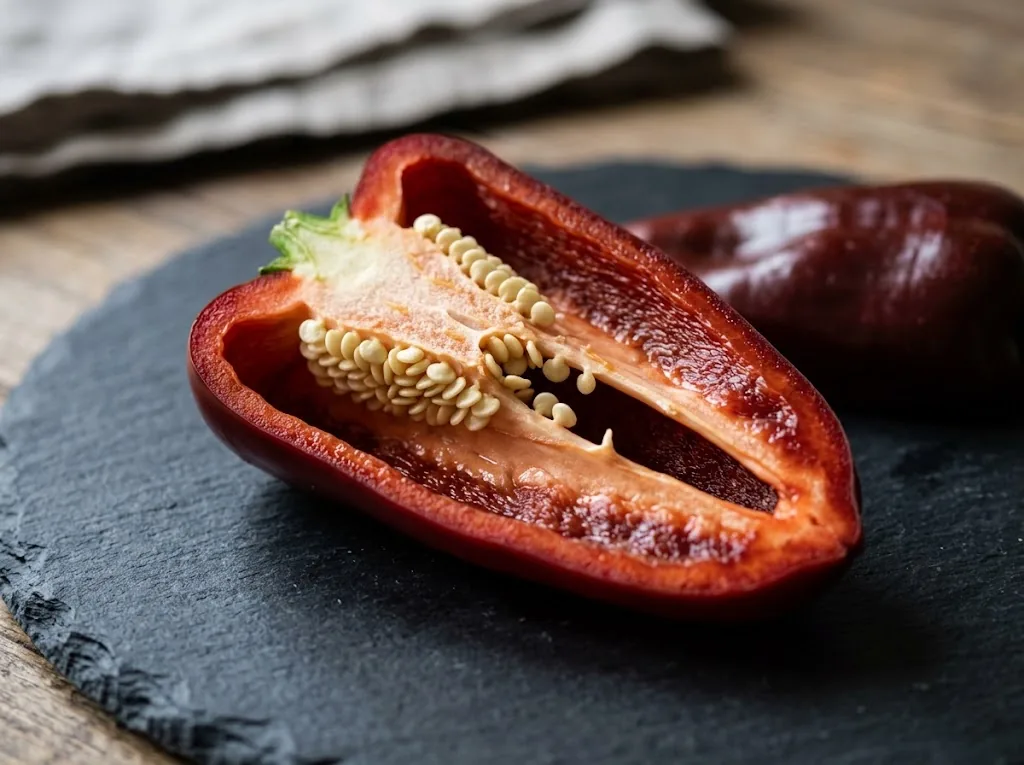
Guajillos are dried mirasol peppers; cascabel is a separate round dried type. For more dried varieties and cooking suggestions, see the dried chilies guide. Check names carefully at the market and keep each purchase labeled so you can repeat a blend you enjoy.
Smoked chiles: chipotle
A chipotle is a smoke-dried ripe jalapeno. The whole dried styles differ with different color and smoke character. Match the form the recipe asks for, especially when a canned product brings adobo seasoning as well as the pepper.
Home smoking does not by itself validate shelf-stable storage. Use a tested preservation method or buy a dried product from a reliable producer, and keep it dry after opening.
Chipotle meco is a tan-brown, heavily smoked style. Use a small amount when a braise or bean dish needs a pronounced smoky note. Taste the blend before adding more rather than assigning every product the same heat.
Chipotle morita is darker red-brown and usually has a lighter smoke character. Whole, ground, and canned products differ in moisture and added ingredients; read the label instead of assuming every can contains the same style.
Choosing the right chile for the dish
Most Mexican cooks work from a small mental map. Heat alone is not enough. You match the pod’s flavor to the dish, not just its SHU rating.
- Fresh toppings and pickles: choose jalapeño for a familiar medium bite or serrano for sharper heat.
- Stuffed peppers: choose poblano for its broad walls.
- Red cooked sauces: guajillo brings color; ancho adds sweet body; chile de árbol adds a kick.
- Layered dark sauces: blend pasilla and mulato with other ingredients in a complete recipe.
- Beans and braises: add a little smoked pepper when smoke suits the dish.
- Marinades: blend softened dried pods with garlic, acid, and spices, then refrigerate promptly.
Start with a modest amount of the hottest pepper in a blend. You can increase it after tasting, but adding more of a mild pod for body is a different decision from adding more pungency.
How to prep dried pods
The basic method works for almost every dried pod in this list. It is the same routine Mexican cooks have used for generations, and it takes about half an hour from start to a finished sauce.
- Stem and seed. Snap off the stem, slit the pod lengthwise, and shake out the seeds. For blends where you want a smoother texture, scrape out the veins with the tip of a knife. For a chunkier mix, leave a few seeds in.
- Toast in a dry skillet. Heat a comal or heavy skillet over medium heat. Lay the pods flat and press with tongs for 5 to 10 seconds per side. You want the skin to lighten and the pod to release a toasty smell. Do not let them blacken, because burnt pods taste bitter.
- Soak in hot water. Put the toasted pods in a bowl and cover with just-boiled water. Weight them down with a small plate to keep them submerged. Soak for 20 minutes until soft and pliable.
- Blend with the soaking liquid. Drain, reserving about a cup of the soaking liquid. Blend the pods with garlic, salt, a splash of vinegar or lime, and enough soaking liquid to reach a pourable consistency. Strain for a smooth blend, leave unstrained for a textured one.
- Cook the blend briefly. Strain the blend into a hot skillet with a slick of oil. Simmer for 5 to 10 minutes to deepen the flavor and thicken the texture. Taste and adjust salt and acid.
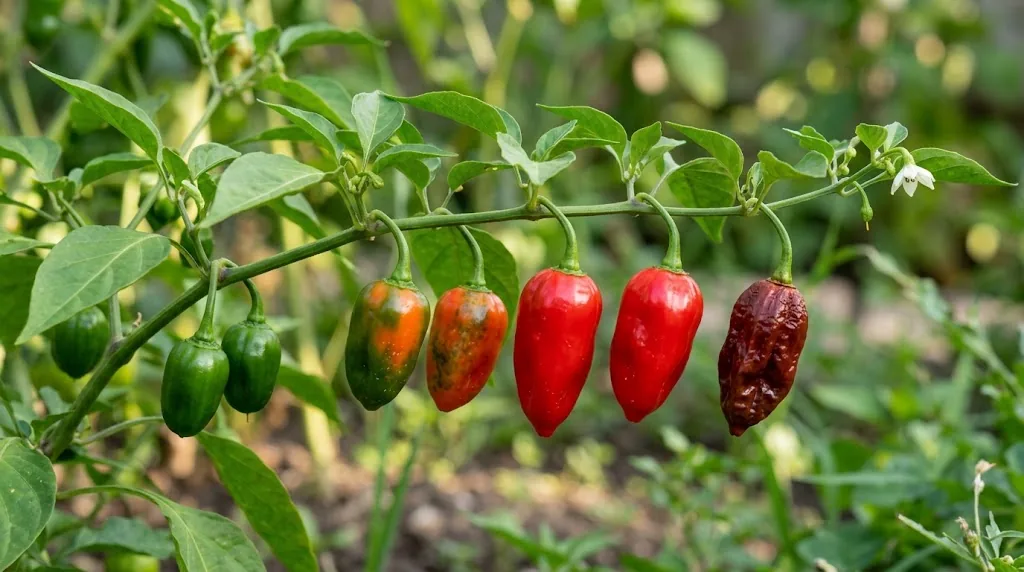
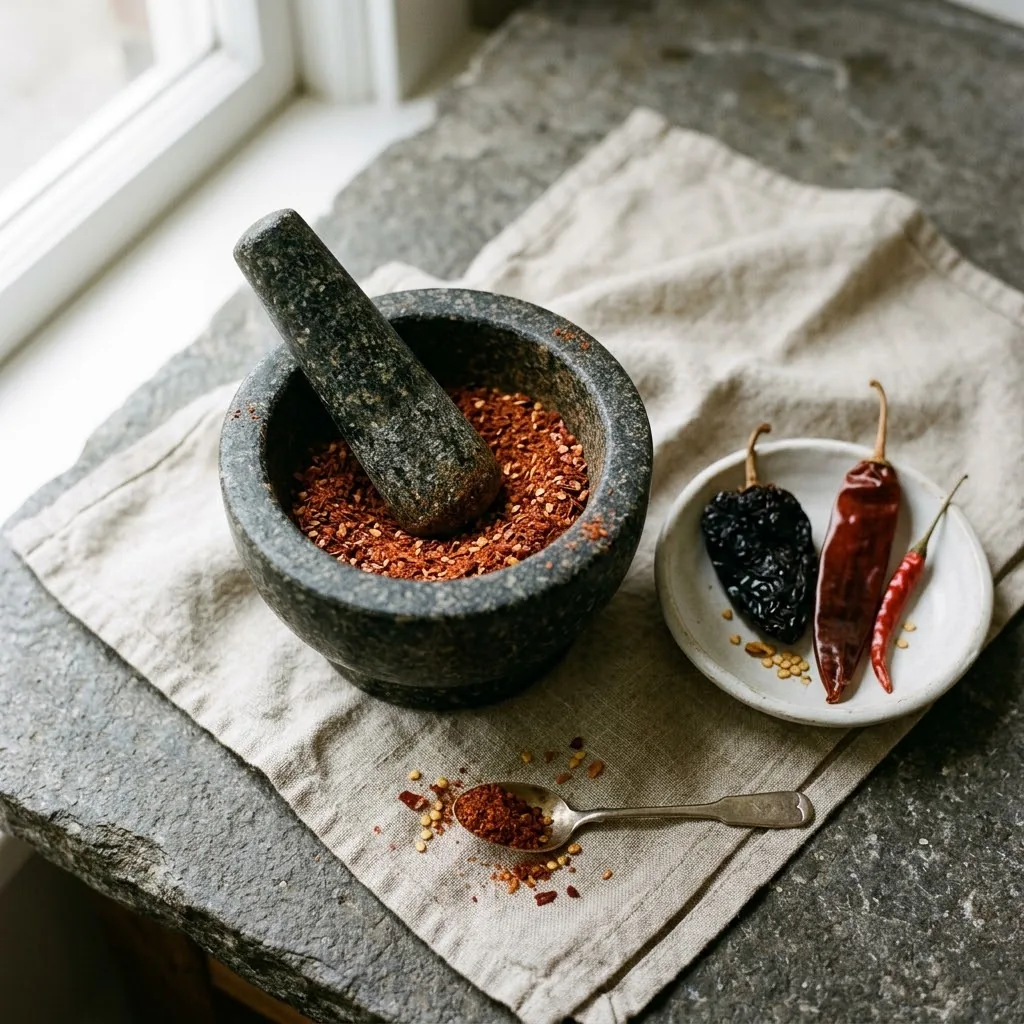
Rehydrated pods make a wet puree. For a dry rub, grind only thoroughly dried pods; soaked peppers cannot become a shelf-stable powder by grinding. Keep wet mixtures refrigerated and use promptly or freeze.
Common Mexican dishes built around chiles
Mexican recipes call for different pepper forms. Use a complete recipe for the dish you want to make. The same peppers can produce very different results depending on the vegetables, liquid, spices, and cooking method.
Mole poblano. This layered sauce has many recipe variations. A particular recipe may combine dried pods, nuts or seeds, spices, and chocolate. Follow its quantities and method rather than treating any dark dried trio as a complete formula. Chili con carne is a different dish with its own regional variations.
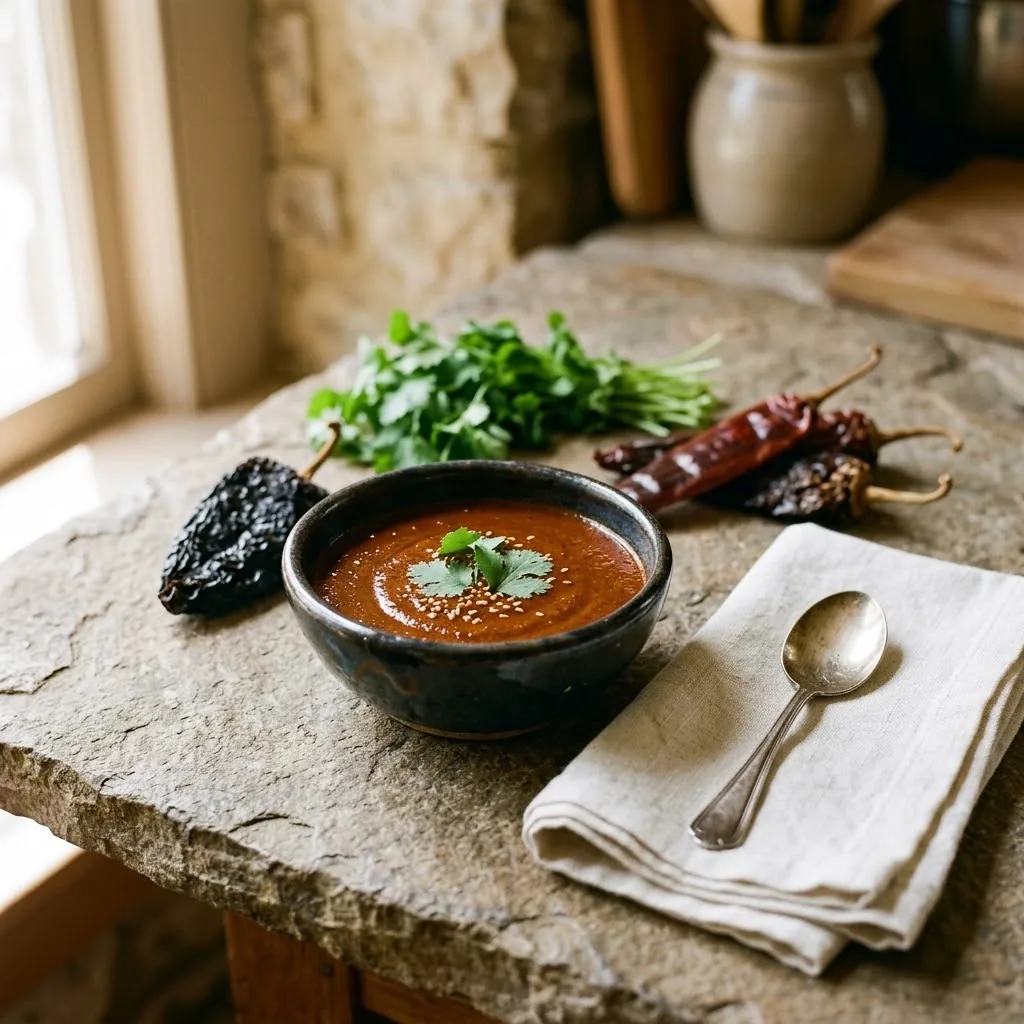
Salsa roja and salsa verde. A red version may use tomato and dried guajillo; a green version often uses tomatillo with fresh peppers. They can be raw or cooked depending on the recipe. Neither a fixed 15-minute timing nor one pepper choice covers every version.
Adobos. These flavorful wet marinades or sauces combine dried peppers with acid, garlic, and spices. For pork or chicken, use the recipe’s quantities and keep the marinating food refrigerated. Acid for flavor is not automatically a preservation treatment.
Birria. This braise may use goat or beef, with recipe-specific dried peppers and seasonings. Choose a complete method for the meat and broth rather than treating a short ingredient sketch as instructions.
Pozole rojo. Dried guajillo can color the broth around the hominy. Follow a complete recipe for the meat, cooking time, and pepper blend, then adjust toppings to taste.
Heat versus flavor: what each chile brings
Capsaicin is produced principally in the placental tissue inside a pepper. Seeds can carry residue but are not its main production site. Research on capsaicinoid biosynthesis explains that distinction.
For less pungency, choose a product labeled mild and use a smaller quantity. A fresh sweet pepper changes the flavor as well as the heat, so it is not an exact replacement for a named dried pod.
To reduce heat without losing flavor, slit the pod open and scrape out the seeds and the veins. You can also use fewer pods in a recipe. To raise heat without changing the flavor, add a small amount of a hot dried pod like chile de árbol or a fresh serrano, instead of piling on more of the pod you are already using.
Use enough pepper to support the flavor you want, then taste. A traditional dish name does not establish how hot every version should be.
How to store your chiles
Store fully dried pods sealed, cool, and dark. Keep them away from steam and inspect for moisture or mold. Buy small amounts so you use them while their aroma is fresh.
Freeze portions if you need longer keeping, without assuming a two-year flavor guarantee. Seal well to limit moisture exposure and keep different varieties labeled.
Refrigerate fresh pods and use while sound. For pickling, follow a tested recipe; adding vinegar casually is not a validated preserve. Roasting and freezing portions is another option.
Refrigerate homemade cooked sauces promptly and use within a few days, or freeze portions. For garlic or peppers in oil, Oregon State Extension recommends four days refrigerated or freezing. Do not apply a blanket one-week rule to every marinade.
Frequently asked questions
What is the most popular chile in Mexican cooking?
There is no single choice for every dish. Fresh peppers suit crisp toppings and pickles; the dried selections above suit cooked sauces and braises. Choose by the recipe rather than an unsupported popularity ranking.
What is the difference between chile and chili?
Chile commonly names the pepper in Mexican cooking. Chili can also name the American stew, and spelling varies in English. Use the ingredient description and form to avoid confusion.
Are these pods the hottest in the world?
This guide covers cooking peppers, not a current heat-record ranking. Heat varies widely among them, so select for the dish and taste cautiously.
Can I substitute one dried chile for another?
For sweet body, try ancho; for red tang, guajillo; for a darker flavor, pasilla or mulato. Chipotle adds smoke that an unsmoked replacement lacks. Adjust heat separately rather than assuming every dried pod is interchangeable.
Do I need to remove the seeds?
Remove stems and seeds for a smoother texture, and trim the pale pith when you want to reduce pungency. That does not remove all capsaicin. Use fewer hot pods as well, and wear gloves during preparation.
Choosing Mexican chile peppers at the market
Label the peppers you buy and try them in a small cooked batch before seasoning a large pot. Toast gently, soften dried pods before blending, and keep wet mixtures refrigerated. Learning one clearly named variety at a time is more useful than memorizing a long list.
Cooking with chili covers the broader ways chilies shape everyday home cooking, and the rest of the chili silo pages dig into the specifics of each variety and technique.
What heat level should you choose?
The Scoville scale expresses pungency, not flavor or freshness. A moderate heat product can still become overpowering if you use a large quantity. Habaneros need particular care; choose a complete recipe and start with less when you are unfamiliar with the batch. Sweet bell peppers are an alternative when you want a vegetable base without chili heat.
Can I use ready-made products?
Chipotles in adobo sauce bring smoke, salt, and acidity as well as pepper. Read the ingredients before changing a Mexican or Tex-Mex recipe. Red pepper flakes or chili powder can also alter texture; a blend with added spices is not the same ingredient as a whole dried pod. For enchiladas, use the specific red chili and method your recipe names.
