
A compact Prairie Fire pepper plant can be both a bright windowsill display and a real source of heat for the kitchen. It earns that double role with upright clusters of small pods that change color as they ripen. Its ornamental look can make it seem decorative only, but the peppers are suitable for cooking. Here is what is known about its history, flavor, heat, growing needs, and practical uses.
If you are comparing plant types before choosing one, our guide to chili pepper varieties explains the wider range of shapes and uses.
What does this ornamental chili look like?
Prairie Fire is a named ornamental chili cultivar grown for its compact habit and colorful pods. A North American cultivar list records Ron Goebel as its breeder and Thompson & Morgan as a vendor, describing a compact plant with small, very hot peppers. Reimer Seeds lists the origin as the USA. These records support the breeder and seller history, but not a more specific origin story. The Royal Horticultural Society describes Capsicum annuum peppers as annual or perennial plants grown for edible produce and ornamental display. The cultivar list (PDF) and the RHS plant profile support those details.
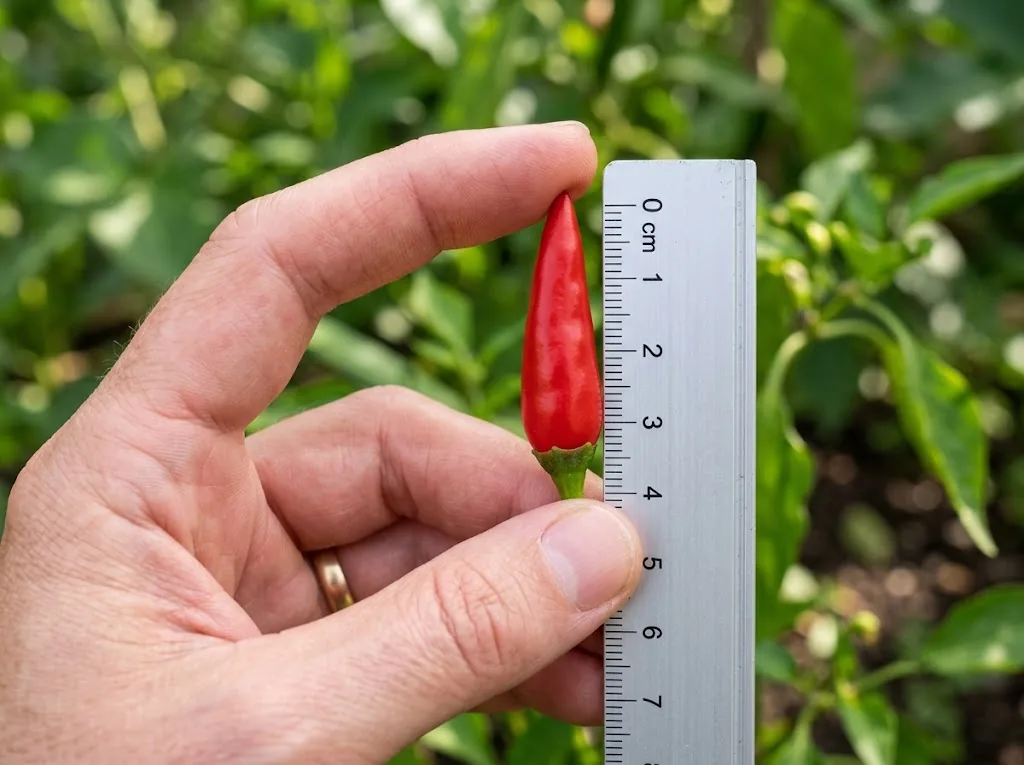
The plant is usually described as compact and upright, which makes a planter convenient for display. Reimer Seeds lists white flowers, green stems, and pods that change color from chartreuse through cream, yellow, orange, and red. Suttons lists a different order, with purple appearing before the final red. The sellers disagree on the middle stages, and new and ripe pods can appear together on a plant. Use the packet or supplier description for the specific pepper seeds you buy. Suttons lists tapered pods about 3 cm long and 1 cm wide.
How hot are its peppers?
Published heat estimates for Prairie Fire are not consistent across sellers. Suttons lists about 70,000 to 80,000 Scoville heat units (SHU), while Reimer Seeds describes the peppers as medium hot without giving a range. Those are supplier descriptions, not standardized test results for every seed line or pod. Expect a strong burn from a small chili and handle a first taste cautiously. Heat varies from pod to pod.
At the commonly listed heat level, even one small pod can strongly affect a dish. Remove the stem and use a small amount first; add more only after tasting the dish. Keep the whole pod intact when you want to lift it out before serving, or mince it finely to distribute the heat. When handling hot chilies, wear gloves or wash your hands thoroughly, and keep them away from your eyes, as the National Center for Home Food Preservation advises.
How to grow this compact chili
This variety suits a sunny border, planter, or warm garden bed. Start with a reputable seed packet that names the cultivar. Follow its sowing, days-to-maturity, and harvest notes because timing differs by seed lot and growing climate; do not rely on a generic number of days for this specific pepper. University of Minnesota Extension recommends checking the days-to-harvest estimate on the seed or plant description and notes that pepper transplants do best once conditions are warm.
- Start seeds warm. Sow indoors in a clean seed-starting mix and keep it evenly moist, not waterlogged. Use a bright window or a grow light once seedlings emerge.
- Move plants outside gradually. Harden them off over several days, then transplant after frost danger has passed and the soil is warm. Set each plant at its original soil line.
- Give it full sun and drainage. Choose an outdoor spot with several hours of direct sun or the brightest indoor window available, plus a small pot with drainage holes. A well-draining potting mix helps excess water escape.
- Water by checking the mix. Water thoroughly when the upper layer begins to dry, then let excess drain away. Container plants may need more frequent checks during hot or windy weather.
- Feed modestly. Use a fertilizer labeled for edible crops and follow its directions. Extra fertilizer is not a shortcut to more flowers or fruit.

A larger planter lets you move the plant to a brighter or more sheltered spot and makes it easier to keep an ornamental specimen near a patio or sunny window. A garden bed works too if the season is long and warm enough. Compact growth does not remove the need for light, warmth, and consistent moisture.
For another variety profile before choosing seeds, see Ring of Fire peppers.
Harvesting and ripeness
Pick pods when they reach the color described by your seed supplier. The plant may show several colors at once, so harvest individual peppers as they ripen instead of waiting for the whole plant to change together. Use clean scissors or snips to avoid pulling on small branches. Wear gloves if you are sensitive to chili heat, and do not rub your face while harvesting.
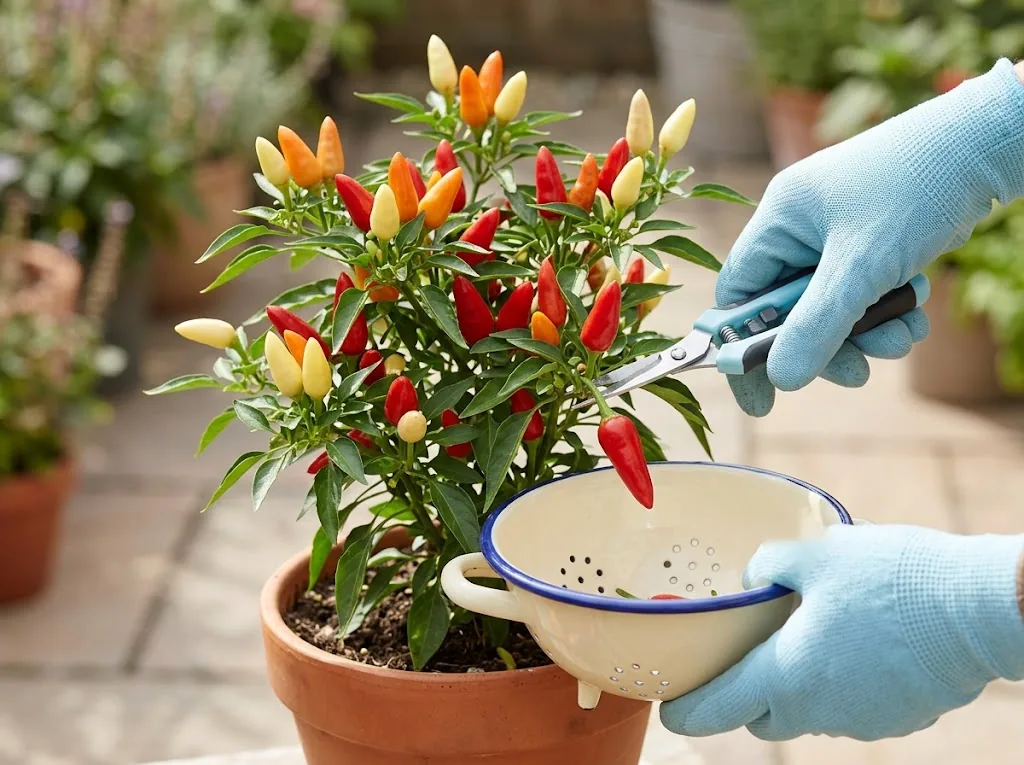
Small pods can be easy to overlook among the foliage. Check the plant regularly once they begin coloring, and remove damaged or soft peppers.
Ways to use its pods
These pods are suitable for cooking, but their small size does not mean they are mild. Add one whole pepper to a simmering sauce or soup and remove it when the dish reaches the heat you want. For a more even burn, mince a small piece into salsa, beans, or a marinade. Start with less than you think you need, especially if this is your first time cooking with this cultivar.

They can also be dried for flakes or powder. Utah State University Extension recommends drying chile pods until brittle, then storing them in a jar or bag. A cool, dry, dark cupboard helps protect dried produce. Label it clearly and keep it separate from mild spices. For another hot cultivar profile, compare Aji Panca peppers.
How to store fresh and dried pods
Utah State University Extension recommends refrigerating fresh chile peppers; properly packaged peppers held at 0°F can be kept frozen for up to a year. Dried peppers should be brittle before storage. Store them in a tightly covered jar in a cool, dry, dark place. Do not assume a homemade sauce, pickle or preserved jar is shelf stable unless you use a tested recipe and follow its exact directions.
Can this ornamental pepper be used in food?
Yes. Prairie Fire is sold as an ornamental pepper, but the pods are also used in food. The practical distinction is heat: a decorative plant can still produce intensely spicy peppers. Confirm the cultivar on the label, harvest only healthy produce from a plant grown for food, and begin with a small amount in a dish. Its compact shape and colorful pods make it useful as a patio or windowsill plant, while a few chopped pieces can season a meal.
Sources and references
- North Carolina State University, Vegetable Cultivar Descriptions for North America, cultivar entry for Prairie Fire.
- Royal Horticultural Society, Prairie Fire plant profile.
- University of Minnesota Extension, Growing peppers.
- Suttons seed description, for the supplier’s listed pod dimensions and heat estimate.
- Reimer Seeds description, for the seller’s heat rating, flower color, and pod color stages.
- Utah State University Extension, How to Preserve Chiles, for freezing, drying, and storage guidance.
- National Center for Home Food Preservation, Marinated Peppers, for chili handling advice.
