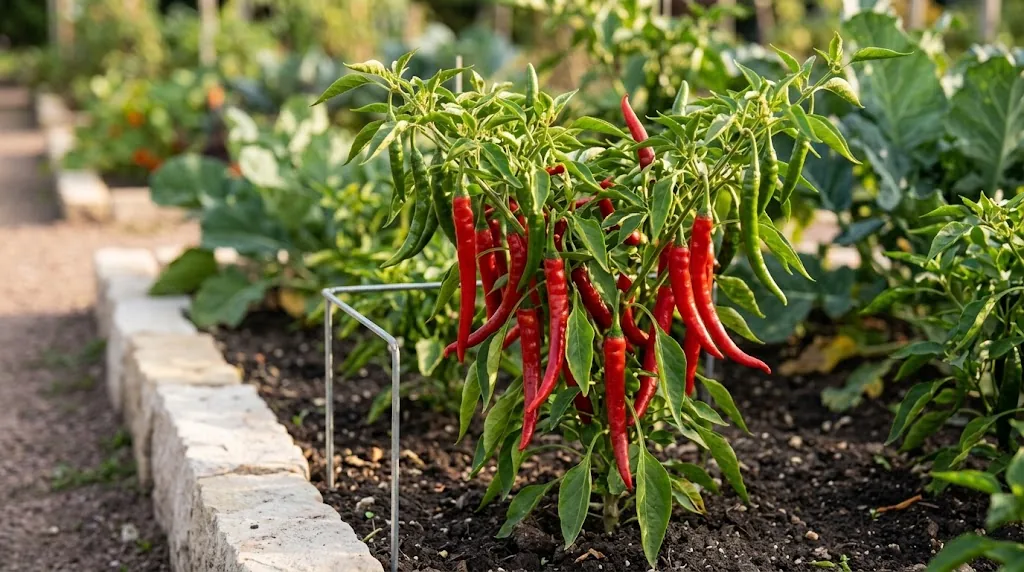
This early, fast-ripening selection can give gardeners long, narrow red pods before a short summer runs out. Reimer describes it as productive. Sandia’s product page advertises heavy yields but gives no measured output figure, so treat that yield claim as advertising rather than a harvest forecast. The slender fruit works fresh or dehydrated. The name refers to one open-pollinated selection, not every cultivar. For a wider look at the family, start with this overview of pepper varieties.
Origin and history
The clearest public record is a USDA plant inventory entry for a cayenne-type accession collected in the United States. Commercial listings disagree on origin: Reimer Seeds says United States, while Pepper Joe’s lists Mexico. The USDA record shows where an accession was collected, but it does not resolve where the cultivar was bred or when it was named.
Reimer lists its seeds as open-pollinated and non-GMO, with 60 days to maturity and suitability for shorter seasons. Another seller uses the label Cayenne Ring of Fire pepper, while other listings use Ring-O-Fire Cayenne. Compare packet details, including timing: Sandia specifies 60 days from transplant, while Reimer does not say where its count begins. Treat both as estimates because weather, transplant size, and local conditions can shift maturity.
Cayenne Ring of Fire: pod shape and appearance
This variety can produce long, slender fruit in the classic cayenne pepper form. Reimer Seeds describes pods about 6 inches long and half an inch wide that change from green to red. Plants have green stems and leaves with white flowers; the seller lists an expected height of 24 to 36 inches. Another retailer’s listing calls the plant compact and bushy, while an organic seed catalog describes the ripe red skin as glossy and the plant as prolific. Treat these as seller descriptions and check the packet for its exact line.
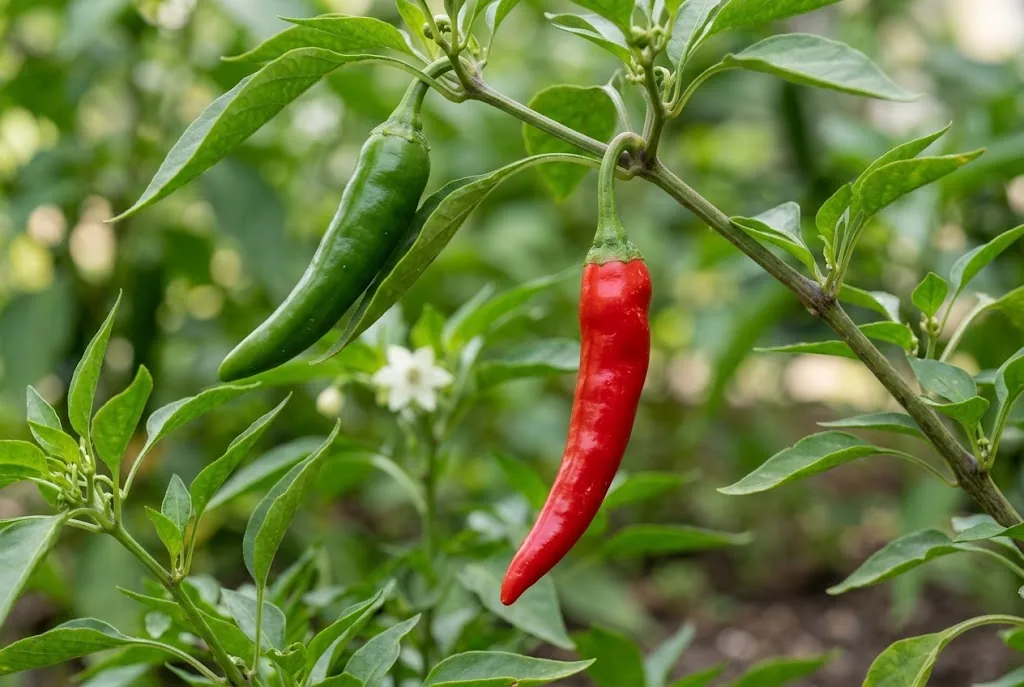
Pick green fruit before full color, or leave attached pods to ripen from green to red. Pepper Joe’s says fruit can be used at any stage and gets more flavorful as it ripens. Taste at both stages to compare the flavor for yourself. The mature red crop is commonly dried and ground.
Ring of Fire pepper heat compared with jalapeños
Seed sellers call it a hot pepper, but their catalog ratings differ. Pepper Joe’s gives a range of about 20,000 to 50,000-plus Scoville Heat Units (SHU), while Reimer Seeds lists 50,000. Those are catalog estimates, not a lab result for every crop. Because individual pods vary, a fruit near the upper estimate can add intense heat quickly; start with a small piece, taste the meal, and add more only if needed.
This selection is nowhere near the hottest-pepper record. Guinness World Records certified Pepper X in October 2023 at an average of 2,693,000 Scoville units, compared with about 3,000 to 8,000 for a jalapeño. These pods can be several times hotter than many jalapeños, though individual fruit can differ.
How to start Ring of Fire pepper seeds
Set it in a warm, sunny bed or large container in a home garden. Reimer Seeds recommends full sun and lists plants around 2 to 3 feet tall. University of Maryland Extension says transplants can stall when soil is below 65°F, and recommends at least 6 hours of direct light and a container of at least 5 gallons. Choose a pot with drainage holes and fill it with a loose, fertile mix, or use a well-drained raised bed.
Start indoors about 8 to 10 weeks before your area’s average last frost. Keep the seed-starting mix warm and evenly moist, not waterlogged. Reimer’s general pepper-seed instructions list 80 to 85°F for germination and 14 to 28 days to sprout; use these as general guidance, not a guaranteed optimal timetable. Once seeds germinate, give seedlings strong light and move them into larger pots as their roots fill the cells.
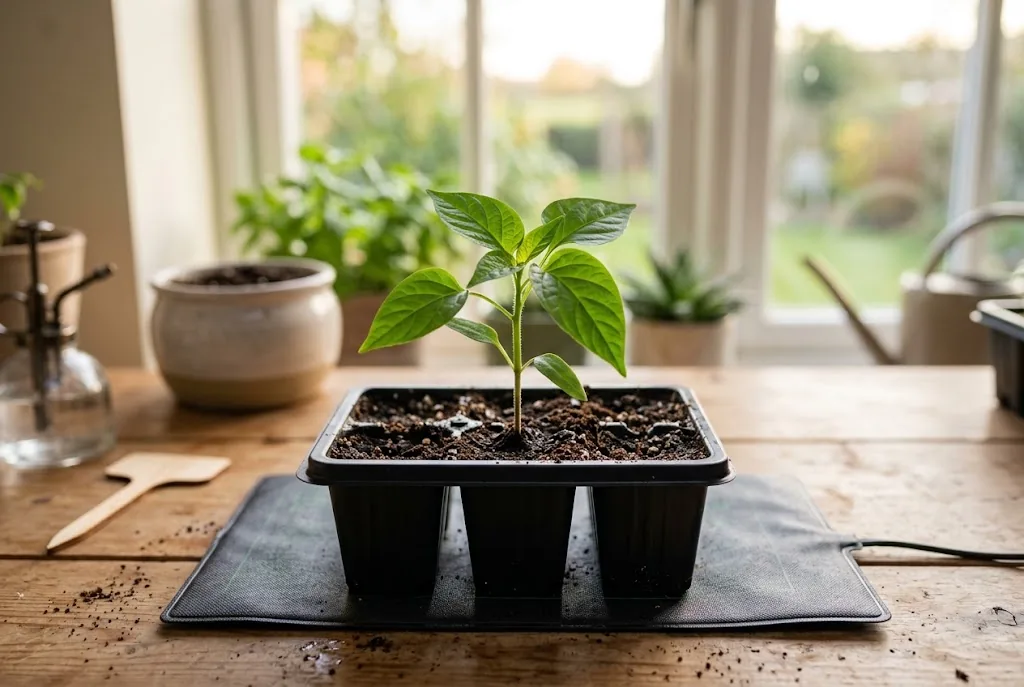
Harden seedlings off gradually, then transplant after frost danger has passed and the soil has warmed. Oregon State Extension notes cool conditions slow pepper growth, so an early selection still needs a warm start. Use your region’s average last-frost date to plan sowing, and follow the packet for spacing; Reimer lists 24 inches. A stake or small cage can support a heavily loaded branch.
Water when the top of the mix begins to dry, then water deeply enough to reach the root zone. Avoid leaving the roots in soggy ground. A layer of mulch can help conserve moisture once the bed is warm. If flowers appear while a transplant is still small, Oregon State Extension advises removing them and any young fruit while the plant begins to grow; an early crop can stunt the plant and reduce its yield.
For another slender-fruited pepper, compare the pod shape and maturity timing of Diavolicchio peppers before choosing one to sow.
Harvest and handle the pods safely
Harvest red pods when they are fully colored but still firm. Utah State University Extension recommends harvesting fully colored, firm fruit. Use clean scissors or pruners instead of pulling, which can break a branch. If frost is near, pick mature green and partly colored fruit before cold damages the plant.
Wear nitrile or other disposable gloves when cutting these pods, and keep your hands away from your face and eyes. Poison Control notes that capsaicin can irritate skin and eyes and recommends gloves and avoiding face or eye contact. After handling the fruit, wash your hands thoroughly with soap and water before touching food or your face, as UC Cooperative Extension advises for chili peppers.
Store, dehydrate, or preserve the crop
Use fresh fruit soon after picking, or freeze extra whole pods raw after washing and removing their stems. For flakes, wash and prepare the fruit, then follow a food dehydrator’s instructions for vegetables. The National Center for Home Food Preservation says dried vegetables should become brittle or crisp. Let the pieces cool, then store them in a clean, airtight container in a cool, dark place. Check for condensation; if moisture appears, dehydrate the contents further before repacking.
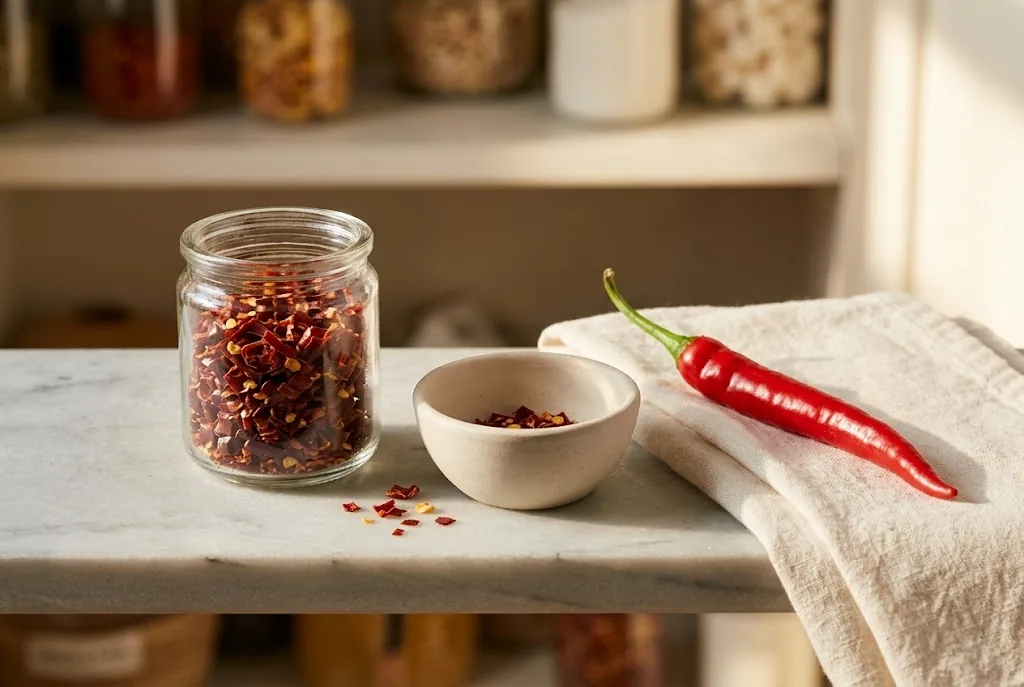
The thin walls are convenient for dehydration and grinding, so seed sellers recommend them for flakes and seasoning. For shelf-stable canned sauce or pickled peppers, use a tested food-preservation recipe. For an untested spicy hot sauce, keep it refrigerated.
Ways to use the pods
Fresh fruit adds direct pungency to salsas, stir-fries, beans, soups, and tomato sauces. For preparation, remove the stem and slice a little at a time; taste as you go. Iowa State Extension notes that removing the seeds and inner ribs can reduce some of its pungency, but a strong pod may still dominate a dish. A single flake can season pizza, eggs, roasted vegetables, or noodles. Grind dehydrated pieces into powder and label the jar clearly. To cook with fresh pods, add a small amount to salsa or simmer chopped pieces into beans, chilis, stews, or a marinade.
These slim pods work well when a recipe needs clean, direct spice without thick flesh. If you prefer a very small selection, see how Pequin peppers compare in size and use.
Frequently asked questions
What type is it?
It is Capsicum annuum, an open-pollinated selection with slender pods about 6 inches long. Seed sellers label it with slightly different names, so confirm the Latin name and the pod description on the packet.
Is it easy to grow from seed?
It can be a practical choice for a home plot because sellers describe it as early. Like other peppers, it needs warmth, steady light, and a frost-free summer. Sow indoors if your growing window is short.
Can you eat the pods green?
Yes. Green pods are edible, though they have not reached their mature red color. Use a small amount first because they can still be quite pungent.
