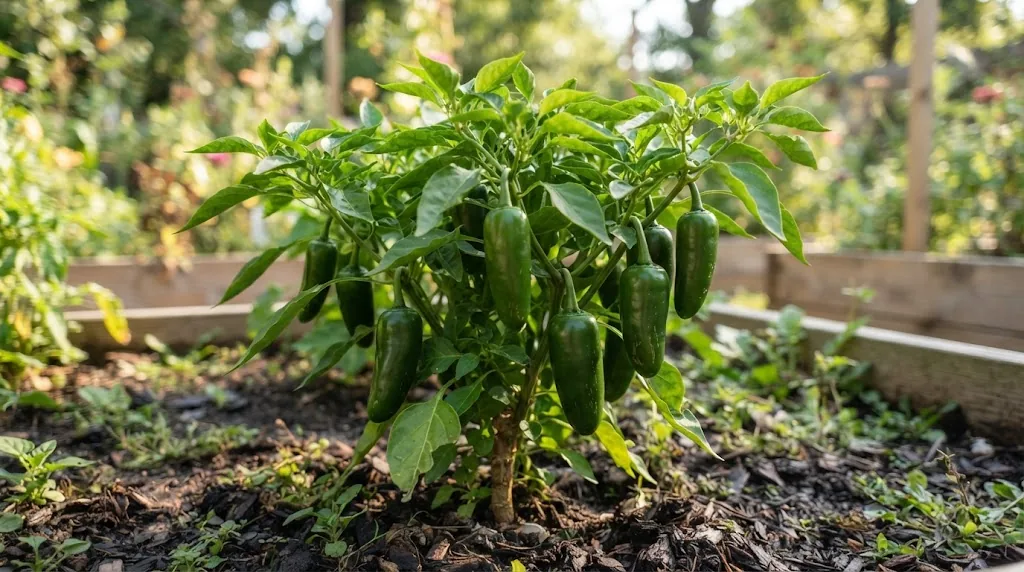
This crop suits cooks and gardeners who want familiar green flavor with less bite. Texas A&M released the original in 1981; it is an open-pollinated Capsicum annuum selected for lower pungency. Seed packets and retailer listings may identify the original or the 2002 release, so check which one you are buying. For a broader comparison, see our guide to chili varieties.
Where the original came from
Developed by Texas A&M breeder Benigno Villalon, the pepper answered food producers’ interest in a lower-heat option for Mexican and Cajun foods. Texas A&M’s history of the release dates it to 1981. A distinct second release followed in 2002, developed by Villalon and Kevin Crosby, and was described as maturing earlier and resisting four common pepper viruses. The two releases have different traits, so check the seed packet when comparing them.
A Texas A&M AgriLife Extension account identifies the original TAM Mild Jalapeño-1 as an open-pollinated cultivar. It is a named cultivar, not a landrace or a separate species.
TAM jalapeno pepper size, shape, and growth habit
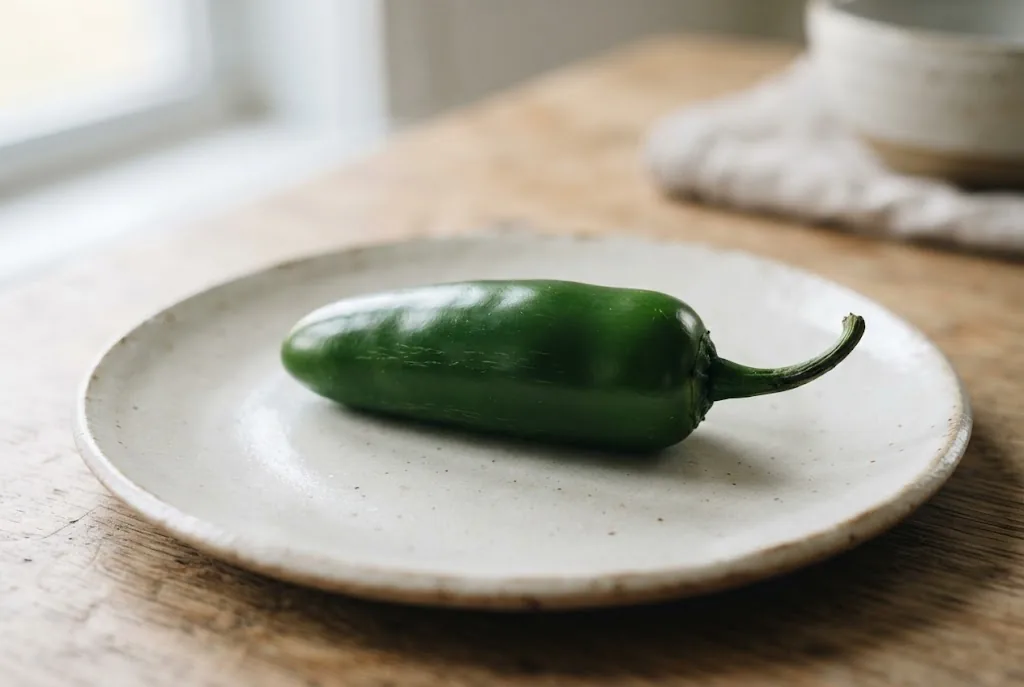
Expect the familiar pod form: smooth skin, thick walls, and a blunt end. Fruit is usually harvested glossy green. A seed seller lists fruit around 3 inches long and says it can ripen red if left on the plant. Size varies with growing conditions and seed stock. Thick flesh suits slicing into rings or stuffing, and Texas A&M notes its use for nachos, pizza, and pickled products.
The compact pepper plant is commonly listed at about 2 to 3 feet tall by the same pepper seed seller. The Texas A&M Extension overview also describes a compact form, a concentrated fruit set, and better fruit setting in higher temperatures than some other types. Give the plant room for air and access when picking. A container is practical if it has drainage and enough volume for a full-size plant.
TAM jalapeno heat level and taste
Published figures are not fully consistent. One seed listing gives about 1,000 to 1,500 Scoville heat units (SHU), while the same listing puts typical jalapeños at 3,000 to 5,000 SHU. Treat those as estimates rather than a lab-certified range for every pod. A Texas A&M AgriLife Extension account says the original was about one-third as pungent as jalapeño M, so expect a lower average heat, not a reliably heat-free pepper.
The flavor is recognizably green and vegetal. For a milder bite, it gives cooks jalapeno flavor without the intense heat of many hotter cultivars. Thick walls add texture to cooked dishes. For a much hotter contrast, compare the 7 Pot Primo profile.
Was this jalapeño bred for high heat?
No. Texas A&M describes the original as lower in pungency, so choose another jalapeño if maximum heat is your priority. Heat estimates vary among seed listings and individual fruit, so compare named pepper varieties and treat catalog numbers as estimates.
Which jalapeno variety is best?
It depends on your harvest and heat goals. The original’s lower heat suits cooks who want familiar flavor with less bite, and Texas A&M describes its later 2002 release as maturing earlier. Check which release a seed packet names before comparing them.
How to grow a TAM jalapeno
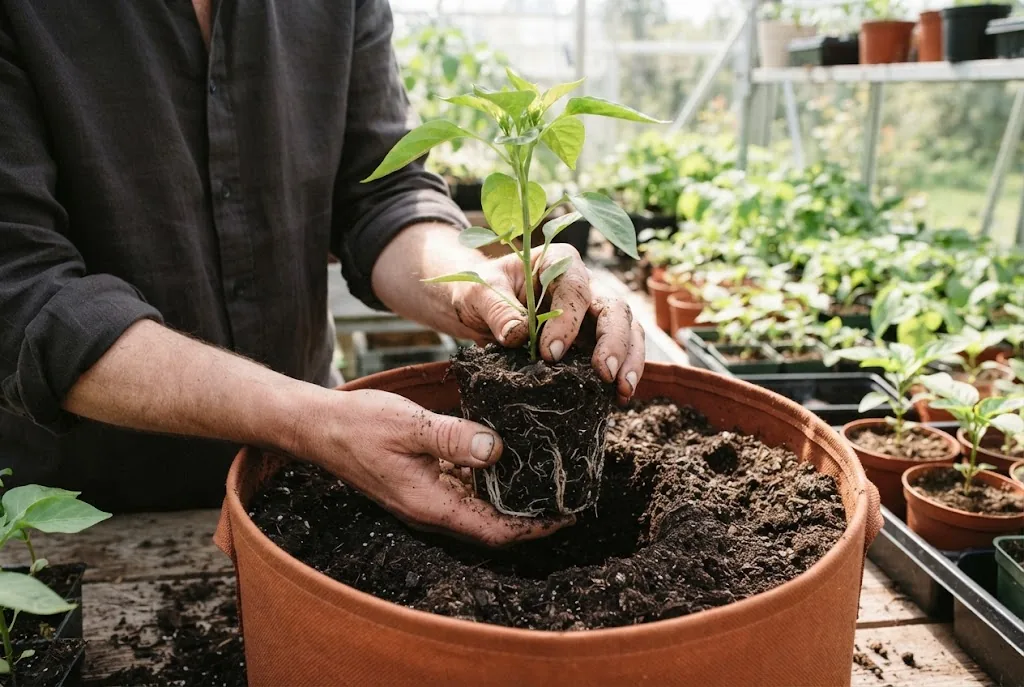
Warmth and six hours of full sun help this warm-season crop thrive. Texas A&M AgriLife Extension recommends a healthy transplant about 4 to 6 inches tall. Wait until frost danger has passed and nights are warm. Plant the root ball at its original depth; setting a pepper deeper than it grew in its pot is not needed. The Extension guide’s general pepper calendar puts first harvest about 8 to 10 weeks after transplanting, but weather and growing conditions shift that timing.
Starting from seed
For a head start, sow pepper seeds indoors about eight weeks before you expect to transplant. Use a clean seed-starting mix and keep it evenly moist, not waterlogged. Minnesota Extension’s growing guide recommends warm soil for germination and a heat mat set to 80 to 90 degrees Fahrenheit until seedlings sprout. Harden seedlings off gradually, then transplant seedlings outdoors once the weather is reliably warm. Use the local last frost date to plan your growing season. Follow the packet for local days-to-harvest estimates.
Reading hot pepper seed listings
Retail catalogs can file seeds with mild heat under hot pepper seeds, so category labels alone do not establish a cultivar’s heat. A listing for TAM jalapeno pepper seeds may describe the original or the 2002 release. Check the full listing for the release name, or ask the seed company which stock it carries, then compare its heat and days-to-harvest estimates. Pepper Joe lists 90 to 99 days to harvest but does not specify the starting point, so confirm the timing on your packet and compare it with your local season.
The original is open-pollinated, which gives gardeners the option of saving seed. But do not assume open-pollinated means heirloom seeds: Minnesota Extension notes that such varieties can be either long-established heirlooms or newer selections. The available record supports open-pollinated status for this pepper, not an heirloom claim.
Does TAM Mild grow well in containers?
Yes. Texas A&M lists peppers as container-friendly. Choose a sturdy pot with drainage holes and enough space for roots, and check moisture more often than in a garden bed. In the ground, choose a sunny bed with soil that drains well and mix compost in before planting; water deeply enough to keep the plant from wilting. One seed seller lists 14 to 18 inches between plants; treat that as a starting point and check your own packet. Utah State University Extension recommends raised beds where a site drains poorly. When transplanting, keep roots no deeper than the original soil ball.
Avoid adding fertilizer by habit. Minnesota Extension cautions that too much nitrogen can make pepper plants leafy and slow fruiting; use a soil test or product directions to guide feeding.
Companion planting for a small bed
For a space-saving companion crop, Minnesota Extension suggests sowing an early crop such as lettuce, spinach, or basil before transplanting peppers into the bed as that crop matures. This gives the short-season crop room first, then lets peppers fill the space later. It is a timing strategy, not a promise that these crops will prevent pests or increase yield.
Is pruning needed?
Texas A&M describes a compact plant but does not list pruning as a TAM-specific growing requirement. Utah State University Extension says support is optional for peppers; staking and pruning can make fruit cleaner and easier to pick, but add labor. Treat pruning as a garden choice, not a requirement for this cultivar.
Which diseases can it resist?
The original release was selected with resistance to several viruses, and the Texas A&M account also notes tolerance to Phytophthora root rot. These are specific disease-resistant traits, not immunity, and they do not protect every modern seed lot from every disease. They are not claims of protection from insects or browsing animals. Keep leaves dry when watering and avoid damaging roots. The later release has its own virus-resistance profile, so do not transfer every claim from one to the other. A retail listing also calls the crop productive and disease-resistant, but those broad terms are not a quantified yield guarantee.
Harvesting TAM jalapeno peppers
Harvest green peppers when they reach a useful size and are firm. Leave some on the plant if you want them to ripen red. Minnesota Extension notes that continued picking can encourage more flowers and fruit over the season. Clip the stem with clean shears instead of tugging hard on a branch.
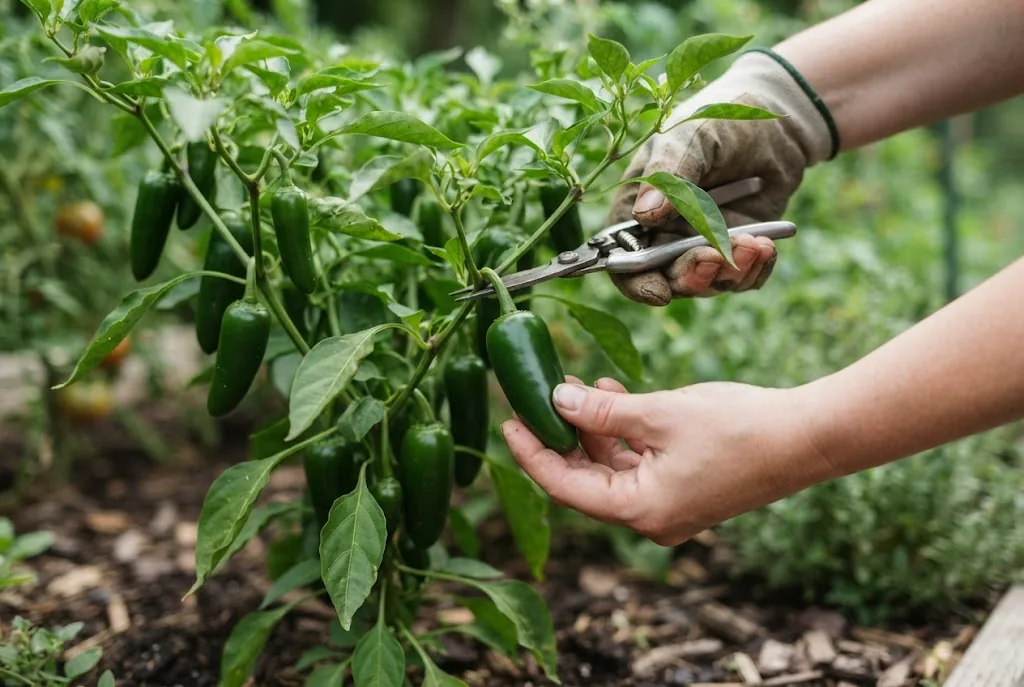
Although this pepper averages less heat than many jalapenos, handle it with care. Wear gloves if you are sensitive to pepper oils, and wash your hands after cutting or harvesting. Avoid touching your eyes or face until your hands are clean. Minnesota Extension advises the same precautions for hot peppers and notes that even sweet peppers can contain enough capsaicin to irritate skin.
Storing, drying, and preserving the harvest
Utah State University Extension advises keeping fresh peppers unwashed, wrapped in paper towels, and refrigerated. Texas A&M AgriLife Extension recommends using harvested peppers within three to five days for best quality, though refrigerator life depends on condition and temperature. If you have more than you can cook soon, freeze them for later dishes or dry ripe pods until brittle, then store in an airtight container. Utah State University’s chile guide provides directions for drying and storing chiles.
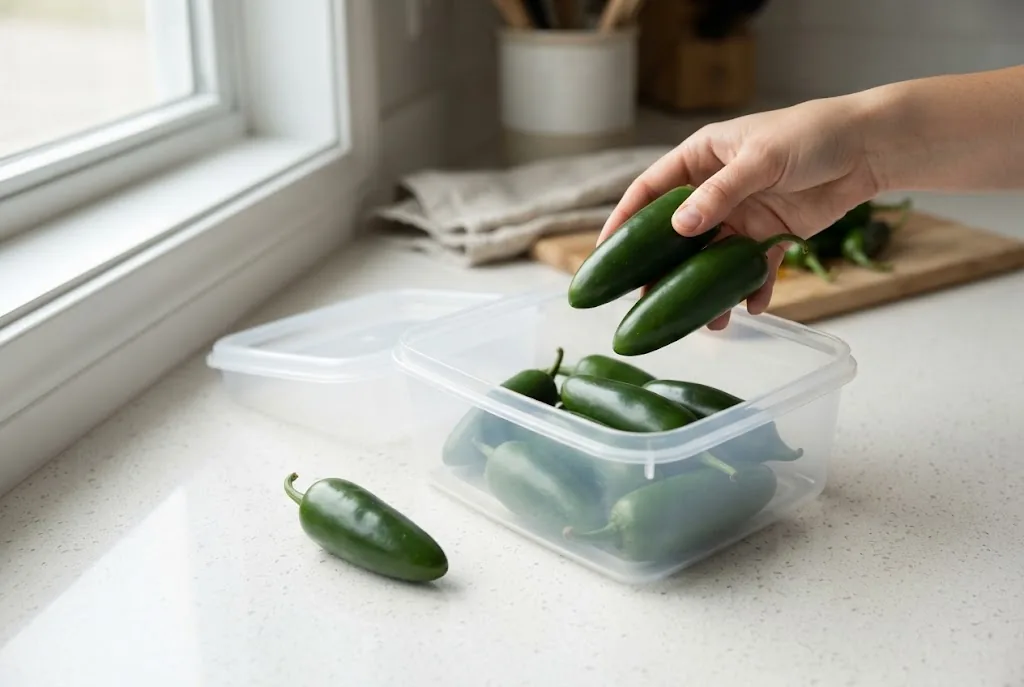
For pickled or canned peppers, use a tested preservation recipe and follow its proportions and processing directions exactly. Do not improvise a shelf-stable canning method by changing the pepper, vinegar, or processing time. The National Center for Home Food Preservation’s pepper guidance is a safer starting point for choosing an approved method.
Cooking with jalapeno peppers
Slice green pods into salsa, tacos, sandwiches, or pizza when you want familiar flavor without as much heat. Their thick walls also make them useful for poppers and stuffed peppers, or for rings in a quick refrigerator pickle. Halve and grill the pods or stir them into a stir-fry. If you want a chile far hotter than this one, see the Dorset Naga profile. Red pods can be dried and ground into chili powder, or used fresh for a sweeter flavor and softer texture.
This pepper suits gardeners who want a familiar shape and flavor with lower average heat, and fruit that works fresh or preserved. The most reliable way to know your own crop is to taste a small piece from each batch, since growing conditions and individual pods can change the bite.
