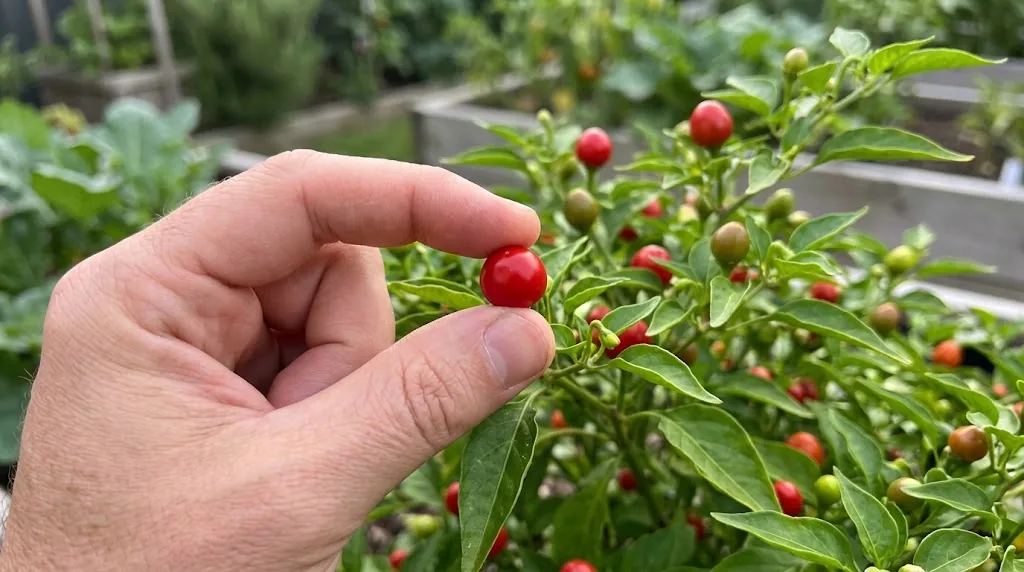
The Wiri Wiri pepper is a small, round hot pod closely tied to Guyanese cooking. Reference sites commonly put its pungency at 100,000 to 350,000 SHU on the Scoville scale, so the fruit can be far hotter than its cherry-like size suggests. That range is a broad estimate, not a laboratory result for every seed packet carrying the name. For a broader look at how named chili pepper varieties compare, see the cluster guide.
This profile explains the pepper’s regional roots, how hot it is likely to be, how to raise a plant from seed, and practical ways to cook with and preserve the fruit. In Guyanese cuisine the pods go into sauces, soups, and stews, and ripe fruit turns from green through orange to red. Common names are not always applied consistently, so check a seller’s species label and growing notes before ordering.
A Guyanese kitchen pepper
Guyana, on the northern coast of South America, is the pepper’s strongest documented regional association: the Ministry of Agriculture lists it among local types grown for fresh use or processing. No breeder or founding date is documented, so treat precise origin stories and name etymologies as unverified unless a reliable source documents them.
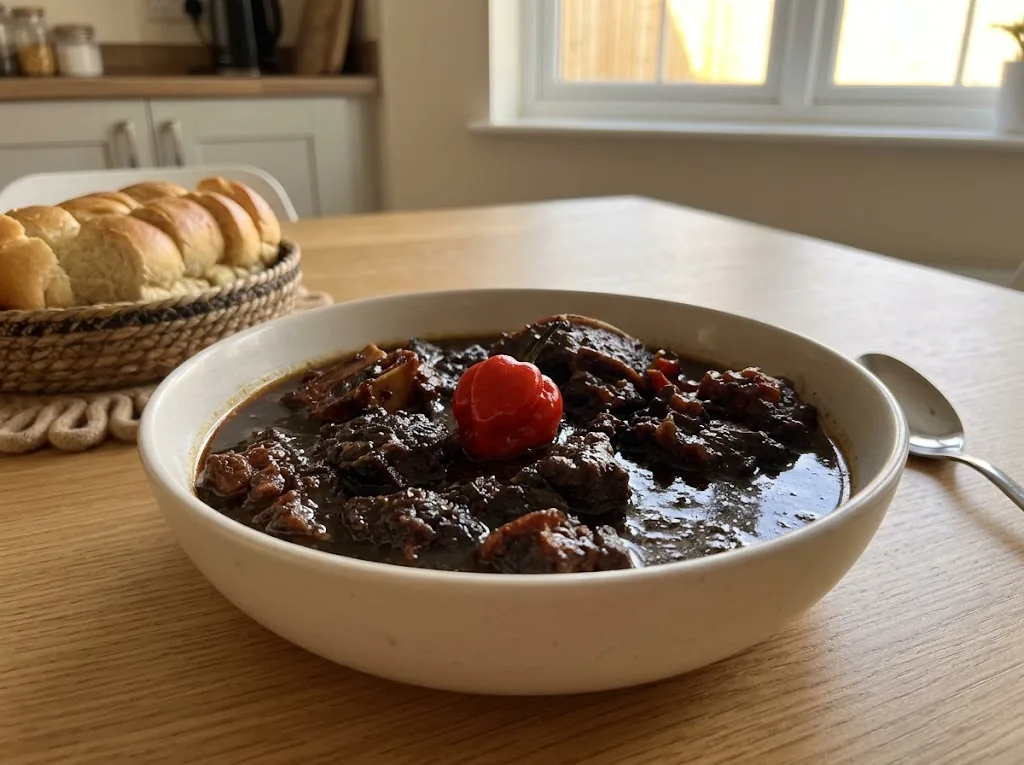
Its place in local cooking is well documented. A recipe book from the Ministry of Health includes Wiri Wiri in beef pepperpot, a slow-cooked stew, and in other dishes such as calaloo rice and gingered beef. Cooks add whole pods to simmering food or chop them into a dish, depending on how thoroughly they want the pungency distributed. In a long-cooked pot, start with one whole fruit, then taste before adding more.
Botanical name and fruit description
Reimer Seeds identifies its open-pollinated Wiri Wiri line as Capsicum frutescens, and Chili Pepper Madness lists the same species. Some other reference sites list it as C. chinense, so the species label varies by source. The fruit is small and round: Reimer describes berry-shaped fruit about half an inch across, and reference sites give roughly the same size. Those figures describe that seller’s line, not every plant sold under the common name.
A common name alone does not document the taxonomy of every seed packet, so read the species and line description when ordering, especially if you are keeping records for a collection or a cross-pollination plan.
For comparison, the Naga Viper profile covers another named hot chili, classified as C. chinense. It is not the same plant just because online lists sometimes place both among very hot peppers.
How hot is it?
Chili Pepper Madness and PepperScale both give 100,000 to 350,000 SHU, with a median near 225,000, which puts it in habanero and Scotch Bonnet territory. Neither page names a laboratory or a sample, so read the range as an estimate. Pungency varies among seed lines and with growing conditions, and many figures repeated online do not describe how they were measured.
There is no reliable universal answer to whether this fruit is hotter than a Scotch Bonnet. A fair comparison would test particular samples under the same method. In the kitchen, begin with less than a recipe’s maximum amount, let the pod infuse, and adjust in small steps. A whole pod is easier to remove than minced fruit if the dish becomes too intense.
Flavor and everyday uses
The small size makes the fruit convenient for seasoning a pot without adding a large piece of flesh. The Guyanese pepperpot recipe is a documented example, and the national recipe book also uses it in rice, meat, and vegetable dishes. It can season soup, stew, curry, salsa, or a homemade hot sauce. Add a fresh pod whole for a slower infusion; mince it when you want the pungency spread through each bite.
For dry spice, crush a thoroughly dried pod and stir a small amount into a seasoning blend. Start with a pinch. A small measure can make food intensely spicy, and pod size is not a reliable measure of strength. If you want an alternate chili for a different dish, the Pusa Jwala guide covers a separate, long-fruited C. annuum type. It is a different identity and sensory profile, not a one-for-one replacement.
Finding fresh pods, dried fruit, or seed
If you are shopping for fresh fruit, ask at a Caribbean or Guyanese grocery, or check a specialty produce market. Dried pods may be sold by spice retailers, while seed is usually listed by specialist seed sellers. Names can be inconsistent, so compare the label with a photograph and read whether the seller identifies the species. Inventory can change; check the current listing before making a trip or ordering.
For seed, choose a listing that names the species and describes the mature fruit. Compare its color and maturity notes with the packet you receive, because those details are specific to a seller’s line rather than a fixed schedule for every growing season.
Growing from seed
Reimer Seeds lists one open-pollinated line as C. frutescens, describes berry-shaped fruit about half an inch across that mature from green through orange to red, and gives a 90-plus-day estimate. Those figures describe that retailer’s seed line, not a fixed schedule for every growing season.
Guyana’s Ministry of Agriculture includes this pepper among locally grown types and gives broad production advice for hot peppers. It says seeds germinate best at about 25 to 30°C (77 to 86°F), with an optimal productivity temperature range of about 18 to 30°C (64 to 86°F). The guide also recommends fertile, well-drained soil and warns that most cultivars do not tolerate flooded conditions. Treat these as general chili guidelines rather than a Wiri Wiri experiment.
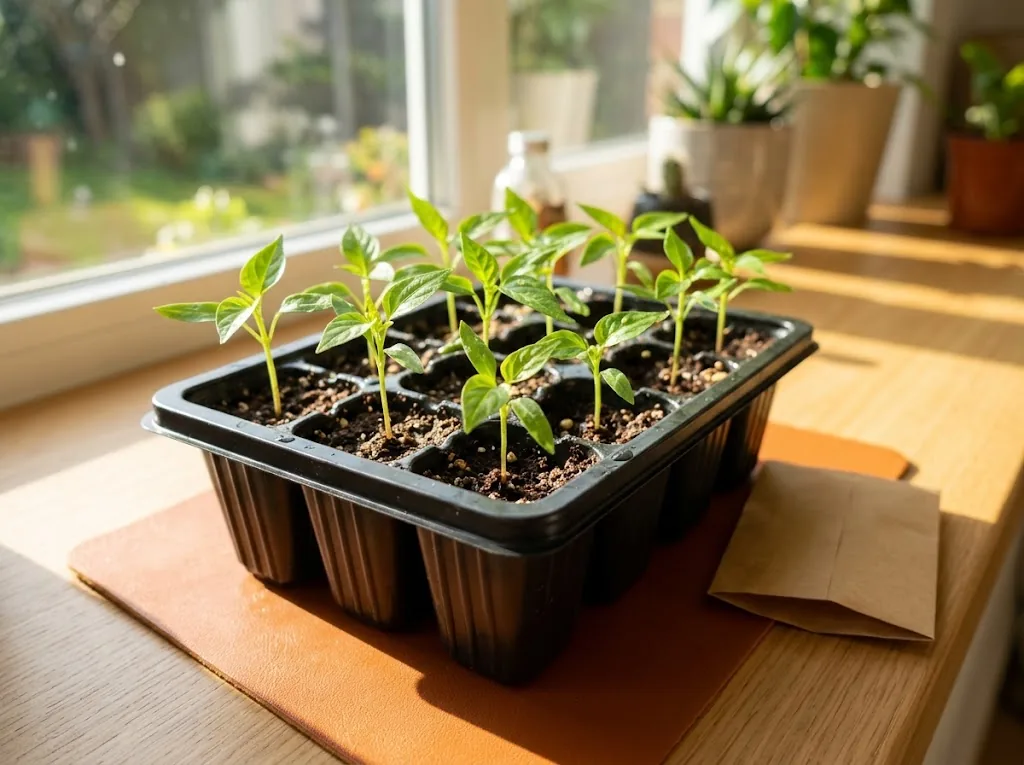
For a home sowing, use a clean seed-starting mix, steady warmth, and even moisture. After emergence, give seedlings strong light so they do not stretch. Harden them off gradually before moving them outdoors, and wait for warm nights. In a garden bed, pick a sunny spot where water drains. For a container, use fresh potting mix and a pot with drainage holes. The seller’s page lists full sun for that seed line, a useful detail to check against the light available in your own space.
Use the packet’s maturity estimate as a planning aid, not a promise. A cool start, low light, or waterlogged soil can delay growth. If a plant stalls, review warmth, light, and drainage before changing fertilizer. Avoid a rigid watering calendar; check the mix and water when the root zone is beginning to dry rather than leaving it saturated.

Harvesting and safe handling
Pick fruit when it reaches the mature color listed for your seed line. Garden snips help avoid tugging on branches. Wear rubber, latex, or nitrile gloves while cutting hot pods, and keep your hands away from your eyes and face. Poison Control warns that capsaicin can irritate skin and eyes and recommends gloves when working with hot peppers. If you handle them without gloves, wash your hands thoroughly with soap and water before touching your face.
Ventilate the kitchen when preparing a large batch. If juice reaches an eye, Poison Control advises flushing with plenty of warm water for 15 minutes. For severe or persistent symptoms, contact Poison Control or a health professional rather than relying on folk remedies.
Storing, drying, and preserving
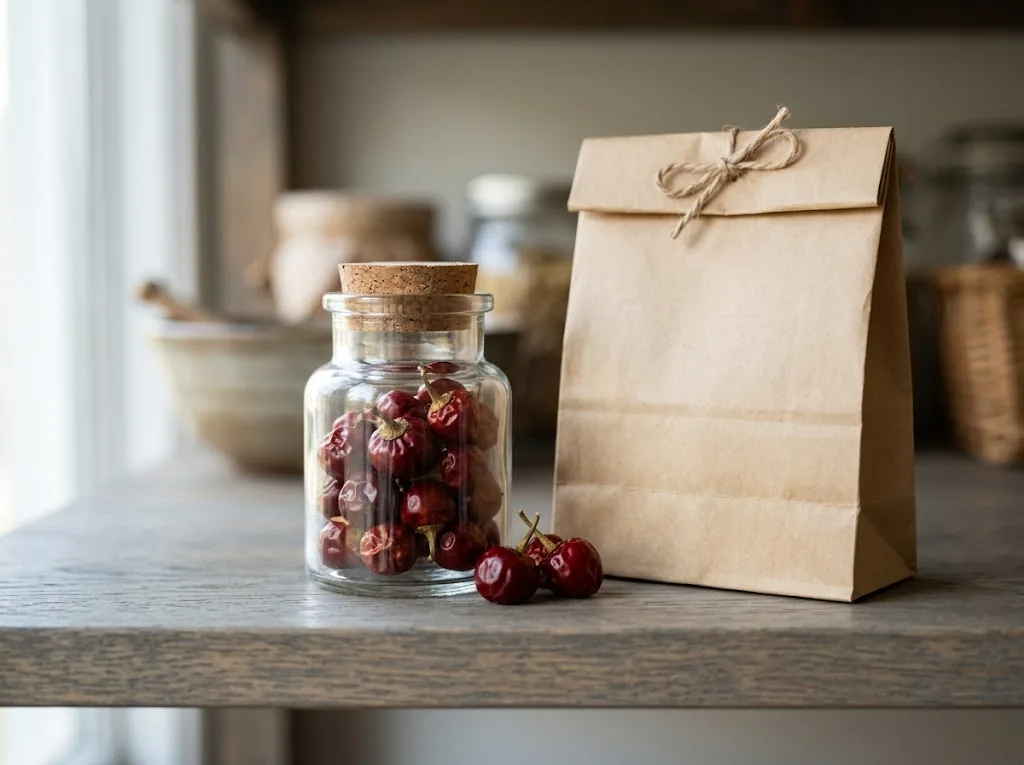
Use fresh fruit while it is firm, or freeze extra pods for later cooking. To dry them, follow the instructions for your food dehydrator and pack the fruit only when it is completely dry. Dried pods can be crumbled into seasoning powder or rehydrated before blending. If you buy a packaged product, follow its storage directions after opening.
Do not assume a homemade pickle or hot sauce is shelf-stable because it contains vinegar or tastes sour. Peppers are low-acid vegetables. For pantry storage, use a tested canning recipe and follow its ingredient proportions and processing directions exactly. The National Center for Home Food Preservation explains why pepper amounts matter and links tested recipes. Otherwise, refrigerate or freeze homemade preparations.
Common questions
What is the English common name?
Wiri Wiri is the most common English name. Some spice retailers also list it as hot cherry pepper, bird cherry, or bird cherry pepper. Those seller labels are common names, not proof that every seed packet or fruit with one of those names is the same botanical line, so check the species and fruit description. The Guyana Ministry of Agriculture lists Bird Pepper as a distinct name in its hot pepper guide.
Is one flavor profile established?
The Ministry of Health recipe book documents its use as a hot seasoning. Chili Pepper Madness and PepperScale describe a fruity, tomato-like tang, but treat words such as fruity or floral as a cook’s tasting note, not a guaranteed trait across seed lines. How a pod is used in a stew is better documented than a universal sensory profile.
Is Wiri Wiri the same as bird pepper?
Not necessarily. Common names such as bird pepper can refer to more than one kind of chili. The agriculture guide lists Bird Pepper separately from the variety, so check the seller’s label and species description rather than assuming the names are interchangeable.
Can I grow it in a pot?
Yes. Use a container with drainage, a warm sunny position, and a seed line whose description you can verify. A pot can be moved into a sheltered place when temperatures fall, though it still needs enough light to keep growing and fruiting.
What is a good substitute?
There is no exact replacement for its small rounded fruit and regional role. A National Geographic chicken pepperpot recipe names serrano as a swap for that recipe. The fruits differ in shape and character, so begin with a smaller amount and adjust to the dish rather than matching pod for pod.
Sources for the data and advice
- Chili Pepper Madness Wiri Wiri profile, for the commonly cited Scoville range and species label.
- PepperScale Wiri Wiri guide, for the same Scoville range and a tasting description.
- Ministry of Agriculture hot pepper guide, for local crop names and general growing conditions.
- Ministry of Health recipe book, for the documented culinary uses.
- Reimer Seeds listing, for one commercial line’s description and maturity estimate.
- Spice Jungle’s retail listing, as one example of seller labels for the pepper.
- National Geographic chicken pepperpot recipe, for its specific serrano substitution note.
- Poison Control capsaicin guidance, for hot pepper handling and exposure advice.
- National Center for Home Food Preservation guidance, for safe pepper preservation.
