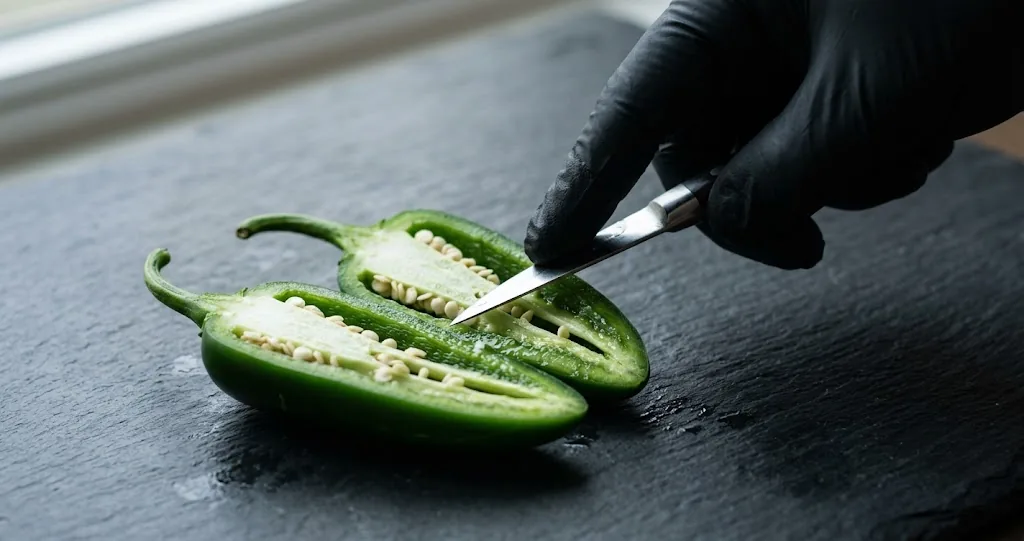
Biting into a fresh pepper can trigger everything from a crisp, refreshing crunch to an intense, sweat-inducing burn. That fire comes from capsaicin, a natural chemical compound concentrated in the inner fruit tissue. Because cultivars produce vastly different concentrations of capsaicinoids, understanding chili peppers by heat level helps home cooks balance flavors and gardeners select the right crops for their palate.
Pepper heat is measured using the Scoville heat scale, created in 1912 by pharmacologist Wilbur Scoville. In the original Scoville organoleptic test, dried pepper extract was dissolved in alcohol and diluted in sugar water until human tasters could no longer detect any pungency. Today, laboratories replace subjective human testing by using high performance liquid chromatography (HPLC). This analytical process determines capsaicinoid concentration directly, expressed in Scoville heat units (SHU). Each individual scoville heat unit reflects how much dilution would have been needed to neutralize the capsaicin content. For a deeper dive into the science, history, and testing methods of heat measurement, read how the Scoville scale works.
Understanding the Scoville Scale and Heat Tiers
Because every pepper plant grows under different environmental conditions, pungency is properly expressed as a heat range rather than a single fixed number. Sunlight, moisture levels, and soil nutrients all alter capsaicin levels in individual chili peppers. To make comparisons practical, popular peppers are grouped into recognizable heat tiers ranging from zero heat to blistering super-hot selections. These bands overlap because cultivar heat is not fixed.
- Zero Heat (0 SHU): Sweet bell cultivars with no detectable pungency.
- Mild (100 to 2,500 SHU): Gentle warmth suitable for everyday snacking and fresh salads.
- Medium (2,500 to 30,000 SHU): Noticeable kick that forms the foundation of classic table salsa.
- Hot (30,000 to 100,000 SHU): Sharp, lingering burn common in fiery regional dishes and zesty marinades.
- Extra Hot (100,000 to 350,000 SHU): Intense heat combined with distinct tropical aromas.
- Superhot (350,000 to 2,500,000+ SHU): Extreme pungency requiring protective gloves and careful dilution.
Tier 1: Zero Heat to Mild Peppers (0 to 2,500 SHU)
Mild peppers offer rich botanical flavor without overwhelming spiciness. At the base of the heat chart sit sweet bell peppers, which register zero Scoville units because they produce little or no capsaicin. Gardeners prize sweet peppers for their juicy flesh and crisp culinary appeal.
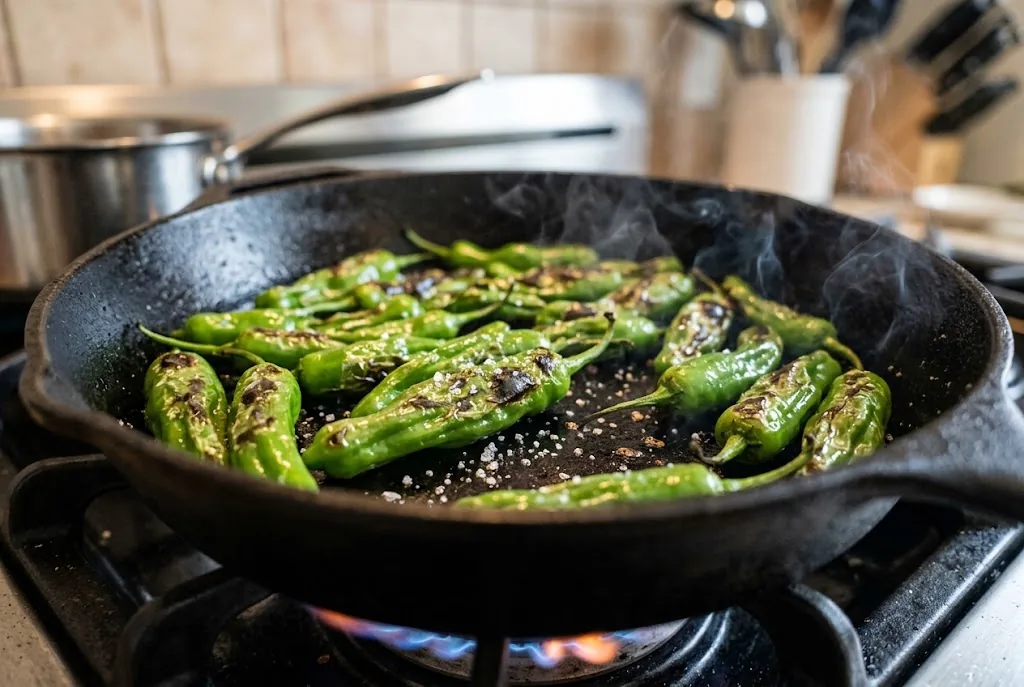
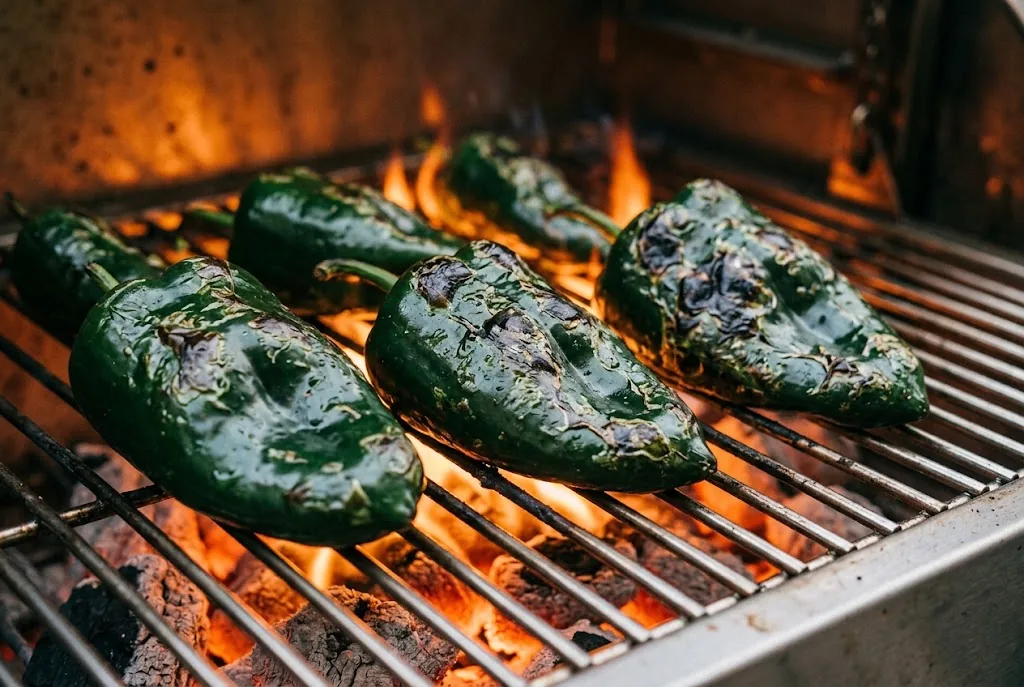
Slightly above zero sit pepperoncini (100 to 500 units) and sweet banana peppers (0 to 500 units), widely enjoyed pickled on deli sandwiches. Japanese shishito pods (50 to 200 units) deliver savory pepper taste when blistered in a hot skillet, though an occasional pod develops surprising heat. Poblano pods (1,000 to 2,000 units) feature broad shoulders perfect for roasting; when dried, they are known as ancho. Anaheim pods (1,000 to 5,000 units) provide earthy sweetness in Southwestern cooking. If you want kitchen staples that prioritize complex flavor over tongue-scorching heat, explore our guide to mild chili peppers with big flavor.
Tier 2: Medium Heat Peppers (2,500 to 30,000 SHU)
The medium heat range represents the culinary sweet spot for everyday cooking. The standard benchmark in this tier is the jalapeño (2,500 to 8,000 units). When slow-smoked and dried, ripe red pods become chipotle, adding rich smoke to stews and braises. An indispensable staple for fresh salsa recipe creations, fresh jalapeño peppers deliver bright grassy notes that enhance family meals.
Fresno pods (2,500 to 10,000 units) resemble jalapeños visually but mature into vivid red fruits with thinner walls and slightly sharper warmth. Guajillo pods (2,500 to 5,000 units), the dried form of the mirasol cultivar, offer pleasant tanginess and deep red color to Mexican mole sauces. Serrano pods (10,000 to 23,000 units) step up the intensity significantly. Serranos have thin skins and pack roughly three times the punch of an average jalapeño, making them ideal when hotter, clean pungency is needed.
Tier 3: Hot Pepper Varieties (30,000 to 100,000 SHU)
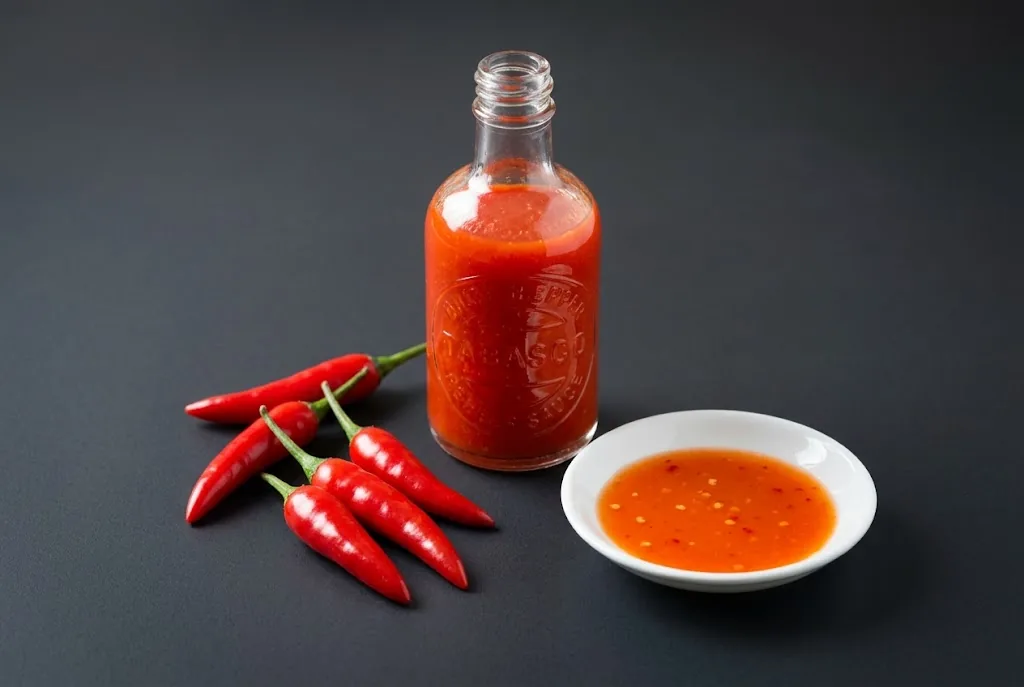
Hot pepper selections demand respect in the kitchen. In this category, cayenne (30,000 to 50,000 units) is familiar as ground spice powder and crushed pizza flakes. Tabasco (30,000 to 50,000 units) produces juicy, upright pods renowned for aging in oak barrels to create classic vinegar-based hot sauce.
South America contributes the vibrant aji amarillo (30,000 to 50,000 units), a Peruvian staple offering sunny golden color and bright tropical fruit notes behind its potent sting. Further up the heat scale, Thai bird’s eye pods (50,000 to 100,000 units) pack formidable punch despite their miniature size, cutting cleanly through rich coconut curries. The unique South American rocoto (30,000 to 100,000 units), distinguished by hairy foliage and dark seeds, delivers juicy walls with immediate, biting warmth.
Tier 4: Extra Hot Peppers (100,000 to 350,000 SHU)
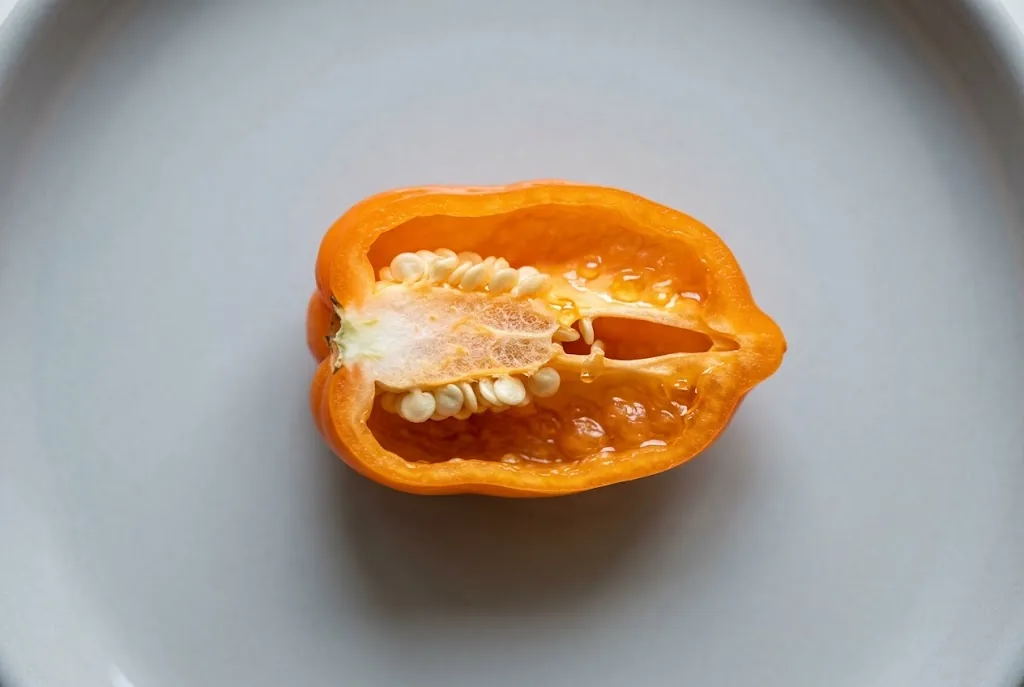
Stepping past 100,000 units enters the territory of Capsicum chinense species. The orange habanero (100,000 to 350,000 units) is celebrated for its distinctive lantern shape, apricot aroma, and delayed, building burn that coats the mouth.
The Caribbean Scotch bonnet (100,000 to 350,000 units) shares a similar heat profile with sweeter, rounder fruitiness, serving as the essential seasoner in Jamaican jerk pastes. Central Africa gives us the fatalii (125,000 to 325,000 units), a slender yellow pod with an intense citrus aroma that hits the palate with immediate fire. Cooking with this class of compounds requires adequate kitchen ventilation, as vaporized capsaicin can irritate eyes and airways.
Tier 5: Superhot Peppers and Record Breakers (350,000 to 2,500,000+ SHU)
Beyond 350,000 units lies the realm of the super hot elite, developed through dedicated breeding programs and new hybrids. The ghost pepper, or Bhut Jolokia (855,000 to 1,041,427 units), from Northeast India shocked growers in 2007 when it became the first officially verified cultivar to surpass the one million SHU threshold. Its wrinkled skin and smoky undertones are accompanied by a ferocious burn that lasts for twenty minutes.
Breeding efforts quickly pushed limits higher. The Trinidad Moruga Scorpion (1,200,000 to 2,000,000 units) features bumpy texture and a signature stinger tail, delivering searing intensity that builds relentlessly. For a decade, the Carolina Reaper (1,400,000 to 2,200,000 units) held the official title from 2013 until 2023. Guinness reported an average of 1,569,300 units when it confirmed the record in 2013. Its later reported average was 1,641,183 units.
In October 2023, Guinness World Records named Pepper X, bred by Ed Currie, the world’s hottest verified chili pepper. Its reported average is 2,693,000 units, based on tests at Winthrop University. Handling pods in this super-hot tier requires heavy nitrile gloves and protective eyewear.
Ranked Scoville Chart: Mild to Hot
This reference chart groups popular peppers by approximate heat. Their ranges overlap, so two peppers can trade places in a tasting. Figures are drawn from Oregon State University Extension, Pepper Joe’s grower chart, and the Guinness record cited above:
- Sweet Bell: 0 units (zero capsaicin)
- Shishito: 50 to 200 units
- Banana: 0 to 500 units
- Pepperoncini: 100 to 500 units
- Anaheim: 1,000 to 5,000 units
- Poblano (Ancho): 1,000 to 2,000 units
- Guajillo: 2,500 to 5,000 units
- Jalapeño (Chipotle): 2,500 to 8,000 units
- Fresno: 2,500 to 10,000 units
- Serrano: 10,000 to 23,000 units
- Cayenne: 30,000 to 50,000 units
- Tabasco: 30,000 to 50,000 units
- Aji Amarillo: 30,000 to 50,000 units
- Thai Bird’s Eye: 50,000 to 100,000 units
- Rocoto: 30,000 to 100,000 units
- Habanero: 100,000 to 350,000 units
- Scotch Bonnet: 100,000 to 350,000 units
- Fatalii: 125,000 to 325,000 units
- Ghost Pepper (Bhut Jolokia): 855,000 to 1,041,427 units
- Trinidad Moruga Scorpion: 1,200,000 to 2,000,000 units
- Carolina Reaper: 1,400,000 to 2,200,000 units
- Pepper X: 2,693,000 units
Why Pepper Heat Varies on the Living Plant
A frequent surprise for home gardeners is discovering that two pods harvested from the same bush taste noticeably different. Plant morphology explains part of this variation: capsaicin is produced primarily in the placenta, the pale internal membranes lining the inner fruit walls. While pepper seeds sit directly against the placenta and absorb surface capsaicin oils, the seeds themselves synthesize virtually no heat.
Environmental stress also alters chemical concentration. Illinois Extension notes that heat and water stress can increase capsaicinoid production, although severe stress can reduce fruit quality and yield. Heat also varies among cultivars and individual pods, so treat any Scoville range as a guide rather than a guarantee. Whether you enjoy fresh or dried pods, keeping notes on your garden growing conditions will help you manage pungency across different types of peppers.
Handling Kitchen Burns and Calming the Heat
When preparing spicy foods, capsaicin binds tightly to TRPV1 pain receptors in oral nerve endings, triggering signals that convince the brain the tissue is burning. Because capsaicin is a fat-soluble, non-polar molecule, water usually offers less relief than milk.
To relieve burning in your mouth, try milk or plain yogurt. A controlled beverage study found that both whole and skim milk reduced oral burn. Casein can bind capsaicin, but dairy fat is not required for relief. If capsaicin gets on your skin, wash the area thoroughly with warm water and degreasing dish soap, or rub the affected skin with vegetable oil before washing. When prepping any hot chili pepper, keep fingers away from sensitive facial tissue and rinse cutting tools promptly.
