
A good sambal does more than bring heat. It is a fresh chili paste built from a few pantry ingredients, pounded or pulsed until coarse, and stirred into rice, eggs, grilled fish, or whatever you are eating that day. Once you have made one batch, you start adjusting it: more garlic, less sugar, a splash of tamarind for brightness, or a different chili for a new color and heat level.
For a quick overview of chili cookery beyond Southeast Asia, see the cooking with chili hub, which covers the broader framework of building sauces, rubs, and pastes from fresh pods.
What sambal actually is
Sambal is the Indonesian and Malay word for a chili-based condiment served with almost every meal in Indonesia, Malaysia, Singapore, and southern Thailand. The simplest versions are just fresh red chili peppers crushed with salt and a little vinegar or lime. More developed versions add shallots, garlic, sometimes a small block of fermented shrimp (sold in Indonesia as terasi), and a sweetener such as palm sugar or coconut sugar to balance the heat.
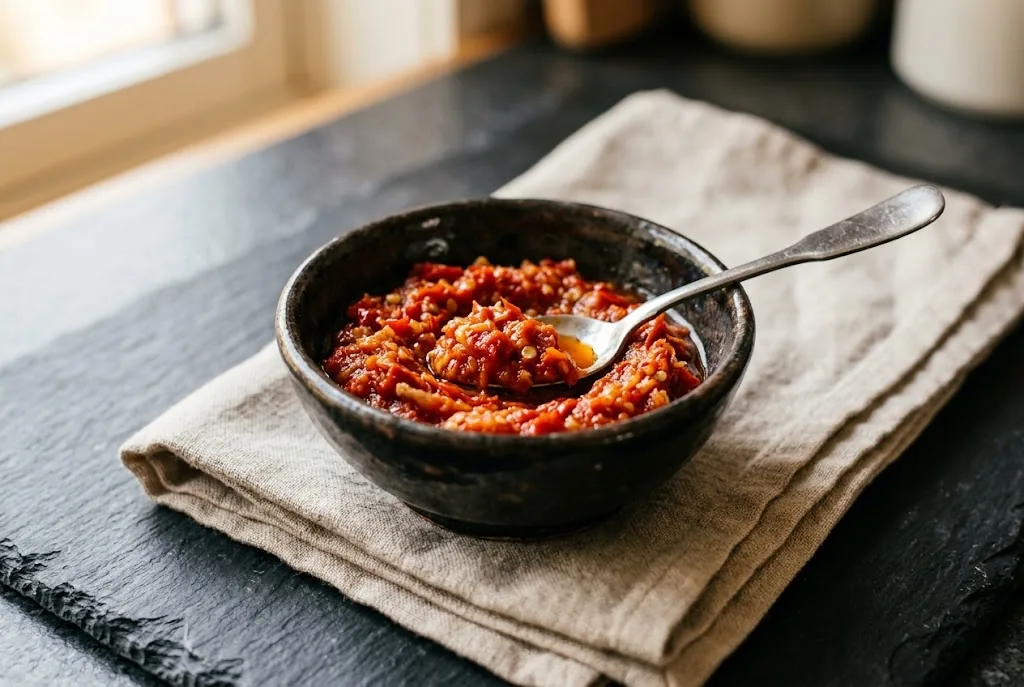
The texture runs from a wet chop to a coarse sauce, never the smooth puree of a ketchup or a bottled sriracha. You want to see bits of chili skin, seed, and aromatics in the bowl. That is part of the point. Each mouthful lands differently.
The term covers a wide family. Sambal oelek is the simple Indonesian chili paste sold in jars, including the Huy Fong Foods version, and called for in many Indonesian recipes. Sambal balado adds tomato and is the everyday cooked sauce in Padang cooking. Sambal matah is the fresh Balinese raw sauce with shallots, lemongrass, and kaffir lime. The Malaysian version, served with nearly every plate of nasi lemak, is built on toasted terasi and is the most assertive of the bunch. Each shares the same backbone: chilies, salt, acid, and time.
If you want the plainest version, start with homemade sambal oelek. A traditional sambal oelek recipe is just red chiles ground with salt and vinegar, and that salt and vinegar pairing is the idea behind most Indonesian sambal. Pound or pulse the chilies into a coarse mash rather than a smooth paste, then season. Labels outside the US often spell it chilli, so look for red chilli paste when you shop, while US jars say chile or chili. If fresh pods are hard to find, soaked dried chillies or a spoonful of ground cayenne peppers can stand in for the fresh red chillies, though the flavor is flatter and the mash drier.
Sambal ingredients you actually need
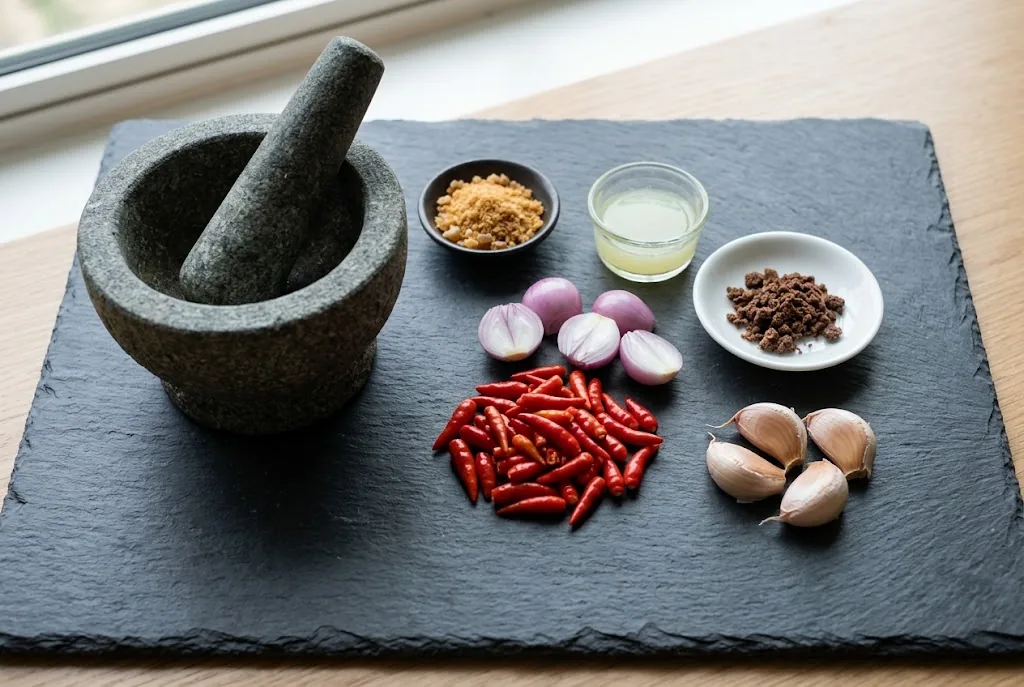
A reliable pantry set covers most sambals you will want to make.
- Fresh red chilies: 200 g, about 1 cup chopped. Red jalapeno peppers, Fresno, or serrano peppers all work for an everyday sambal. For a hotter, more traditional Indonesian base, use red bird’s eye chilies such as Thai or the Filipino variety called siling labuyo.
- Shallots: 4 medium, about 80 g, peeled. A single peeled shallot gives a sweeter, less watery bite than onion, which matters in a raw sauce.
- Garlic cloves: 3 to 5 cloves, peeled.
- Shrimp paste (sold as terasi in Indonesia): 1 small block, about 1 teaspoon crumbled, optional but recommended. Toast it for deeper flavor, or skip it for a vegan version.
- Lime juice: 1 to 2 tablespoons, or rice vinegar. Provides the acid that lifts the paste and helps it keep.
- Sugar: 1 teaspoon palm sugar, coconut sugar, or brown sugar. Balances acid and tames harsh heat.
- Salt: 1 teaspoon kosher or fine sea salt, plus more to taste.
- Neutral oil: 1 teaspoon, only if you are cooking the blend briefly.
Choosing the right chili
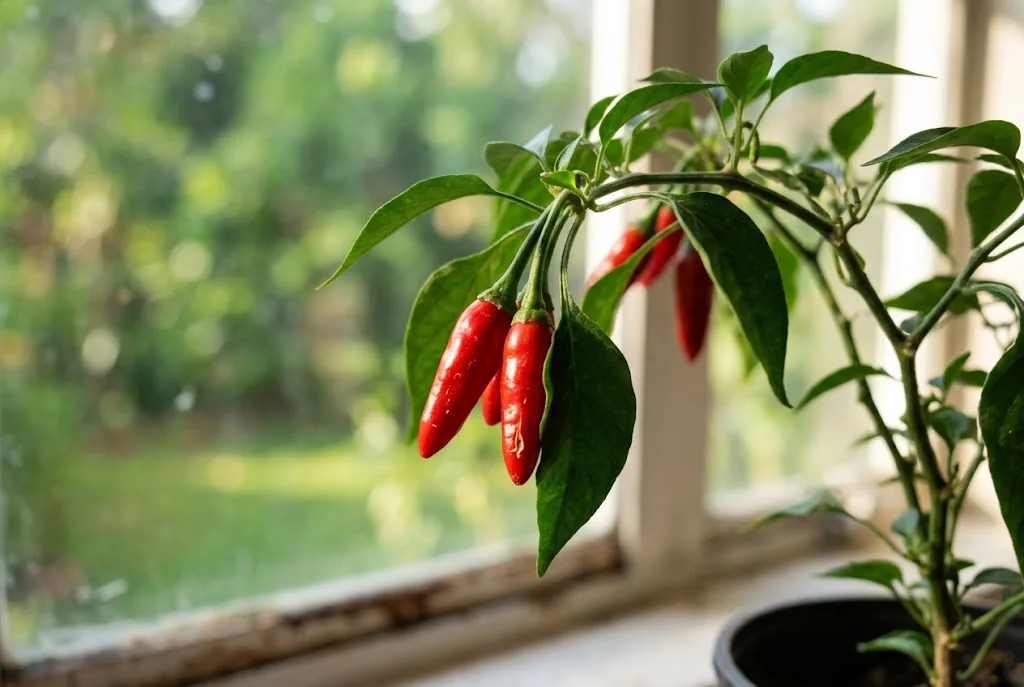
Chili choice sets both the heat and the color. Red ripe pods give a deeper color and a rounder flavor; green unripe pods give a sharper, almost grassy note. Hotter pods give a more aggressive burn.
For a weeknight sambal that lands around medium heat, mix half red jalapeños and half red Fresno peppers. For a traditional Indonesian base closer to what you would eat in Jakarta or Surabaya, go with red Thai or bird’s eye chili. For a milder table condiment, seed half the chilies before you chop; the seeds and the pale placenta carry most of the capsaicin, and pulling them out drops the perceived heat without changing the chili flavor. A pinch of black pepper at the end can deepen the savory note without raising the heat.
Avoid sweet red bell peppers here. They add bulk without capsaicin, and they throw off the balance of acid and salt the recipe depends on.
How to make sambal: step-by-step
This is a basic everyday sambal, a step past oelek because it adds shallots, garlic, and sugar. Once you have it down, this spicy sambal recipe flexes into the regional variations below with small adjustments.
- Toast the terasi if using. Wrap the small block in foil and hold it over a low gas flame or in a dry skillet for 1 to 2 minutes per side until it smells toasty. Skip this step if you left the terasi out.
- Prep the chilies. Rinse, stem, and roughly chop. For a milder condiment, halve and scrape out the seeds and ribs with a spoon.
- Pound or pulse. In a mortar, pound the garlic, shallots, and the toasted terasi first to a coarse blend, then add the chilies and salt and keep pounding until the texture you want. In a food processor, pulse the garlic and shallots 5 or 6 times, add the chilies and salt, and pulse 8 to 12 short bursts. Stop short of smooth. You want to see chili flecks.
- Season. Stir in the lime (or rice vinegar) and the sugar. Taste on a small piece of cucumber or rice. Add more salt for savor, more acid for brightness, more sugar for roundness.
- Rest. Cover and let the paste sit for 15 to 30 minutes at room temperature so the salt draws flavor out of the shallots and garlic. It will deepen noticeably.
- Cook or keep raw. Use the paste raw, or heat 1 teaspoon of neutral oil in a small skillet and fry the blend for 2 to 3 minutes until fragrant. Cooking takes the raw edge off garlic and is the move for balado-style sambals.
This base keeps for 2 to 3 weeks in a clean glass jar in the refrigerator, with a thin layer of oil on top to seal it.
Regional sambal variations worth knowing
The same template shifts with a few swaps. Once you have made the base recipe once, try one of these.
Sambal balado from West Sumatra
Cook 2 chopped tomatoes with the sambal base in a teaspoon of oil for 5 minutes until the mixture thickens and the oil splits at the edges. Add a sliced lime leaf. Balado is what gets spooned over fried egg, grilled fish, and Padang-style chicken.
Sambal matah from Bali
Skip the terasi. Use 6 thinly sliced shallots, 2 stalks of lemongrass (white part only, very finely sliced), 4 kaffir lime leaves shredded, and the chili base. Heat 3 tablespoons of coconut or neutral oil until shimmering and pour it over the raw mix, then finish with a squeeze of lime. Sambal matah is the fresh topping for grilled seafood and the lawar salads of Bali.
Sambal belacan from Malaysia
Double the terasi and toast it well. Add a squeeze of lime for sourness and a teaspoon of palm sugar. This assertive paste anchors nasi lemak and roadside satay in Malaysia.
Filipino-style sambal
Use siling labuyo peppers if you can get them, otherwise Thai or other small red bird’s eye chilies. Skip the terasi. Add a tablespoon of calamansi or lime juice, a few drops of fish sauce, and a half teaspoon of sugar. Think of it as a Filipino-style dipping paste for grilled pork belly and fried milkfish.
If you are cooking for a crowd, double the batch but season in stages, since salt and lime do not scale evenly. A mortar handles about two cups at a time; past that, use a food processor and pulse in batches so the paste stays coarse. Let it rest an extra 20 minutes before the final taste.
Once you start playing with these pastes, the natural next step is to build a longer-keeping chili sauce, and our how to make hot sauce from fresh chilies guide covers the fermented and vinegar-brined routes, including shelf-stable options.
How to use sambal at home
Think of sambal as a flavor bomb, not a side dish. A small spoonful goes a long way.
- Stir a teaspoon into fried rice, plain rice, or noodle dishes.
- Spoon over a soft-boiled egg, fried egg, or avocado on toast.
- Use as a dipping sauce for grilled chicken, satay, or spring rolls. Thin it with a splash of lime and a pinch of sugar.
- Stir into a coconut-milk based soup or curry in the last 5 minutes of cooking.
- Drizzle over grilled fish or steak instead of a heavier sauce.
- Mix with mayonnaise for a quick sandwich spread or burger topping.
Storage and shelf life
Raw sambal keeps 2 to 3 weeks refrigerated in a clean glass jar, with a thin layer of oil or vinegar on top to seal it from air. Cooked sambal keeps 3 to 4 weeks the same way. For longer storage, spoon the chili paste into ice cube trays, freeze, and pop the cubes into a freezer bag. Frozen sambal keeps 6 months with very little flavor loss.
A white or fuzzy film on the surface can be kahm yeast or it can be mold, and you cannot reliably tell them apart by looking. If you are not sure, throw the jar out. Also discard it if the blend smells sour, fizzy, or off.
Safety notes for hot chilies
Wear kitchen gloves when you handle a lot of fresh hot chilies, especially bird’s eye and Thai types, and keep your hands away from your eyes. Wash knives, cutting boards, and your hands thoroughly with soap and warm water when you are done. Capsaicin sticks to skin and is hard to rinse off with plain water; dish soap cuts it.
If sambal sets your mouth on fire, do not reach for water; it does not help. Reach for dairy. A spoonful of yogurt, milk, sour cream, or a piece of bread with butter blunts the burn. Starchy foods like rice or banana help too.
Frequently asked questions
How long does homemade sambal last?
Two to three weeks refrigerated in a clean jar with a thin oil or vinegar seal. Six months frozen in ice cube trays. If you see mold, a sour or yeasty smell, or fizz, discard it.
Can I make sambal without a food processor?
Yes. A mortar and pestle is the traditional method and gives the most authentic texture, with the chilies crushed rather than pureed. Pound the garlic and shallots first, then the chilies, in batches if needed.
Is sambal vegan?
It is vegan if you skip the terasi. Add a half teaspoon of miso or a teaspoon of toasted sesame oil for savory depth instead.
How hot should sambal be?
That is up to you. For everyday use, aim for a heat that builds over a few seconds and fades within a minute. For the hottest traditional versions, use bird’s eye chilies and skip the seeding step.
Bringing it together
Sambal rewards small adjustments. Once the base recipe feels familiar, change one variable at a time: a different chili, a toasted spice, a new sweetener, a touch of tamarind. The paste tells you what it needs on the next taste. Keep a jar in the refrigerator and a tray of cubes in the freezer, and you will reach for it more often than any bottled chili sauce.
