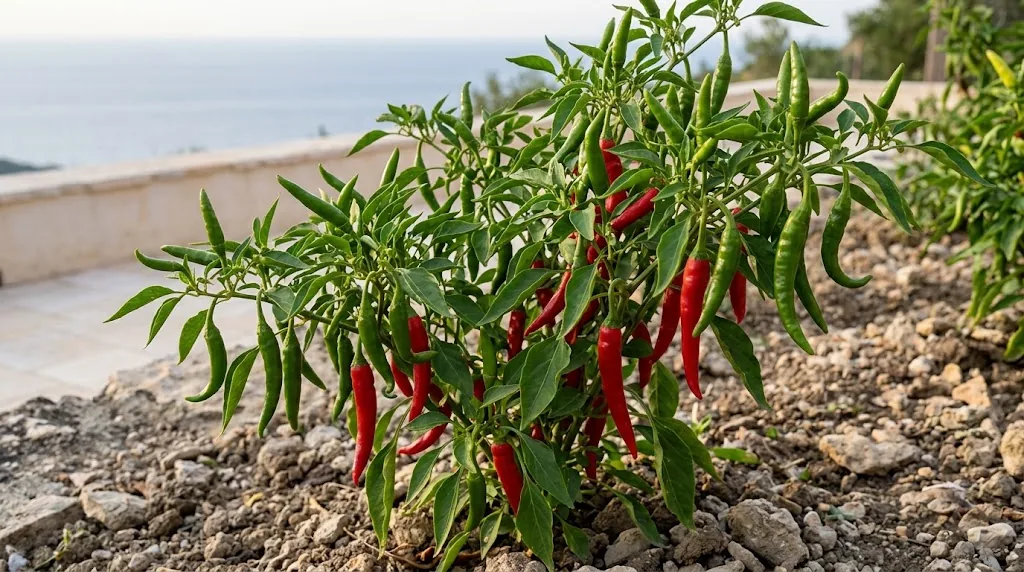
A ripe pod from Diamante brings a concentrated, spicy bite in a slender package. The name is used for several Calabrian selections, so this profile focuses on the documented Diamante ecotype of Capsicum annuum rather than treating every seed packet as identical.
A Calabrian garden tradition
Diavolicchio Diamante is associated with the Tyrrhenian coast of Cosenza in Calabria, especially the stretch between Tortora and Amantea. The selection is named for the town of Diamante, which hosts an annual pepper festival, and the Accademia Italiana del Peperoncino profile describes it as one of Calabria’s most cultivated varieties. In regional speech, the name can also mean chili in general. Some seed sellers translate it as “little devil,” a gloss of its pungency rather than proof that every packet refers to one identical cultivar.
Calabria’s protected-origin specification lists Diavolicchio Diamante, Diavolicchio Calabrese and Sigaretta as separate local types, all under Capsicum annuum. That is why the loose trade name is a poor guide, and a named local ecotype is a better one when choosing seed.
Our broader guide to types of chili peppers explains how regional selections fit among other forms.
Fruit shape, color and reported range
The Diamante profile describes elongated fruit about 6 to 8 centimeters long, tapering to a pointed tip that may curl. Pods begin green and turn scarlet at maturity. Growers traditionally braid the ripe fruit into hanging strands for drying.

Published SHU figures depend on the selection: the Accademia lists 40,000 to 50,000 for the Diamante ecotype, while other Calabrian types and seed listings vary. Use that figure as a reference, not a promise about an unlabeled packet. For context, UF/IFAS lists jalapeños at 2,000 to 8,000 SHU, so the Diamante range is higher than the common jalapeño range. These are reference values, not a test of an individual fruit.
How to grow the Diamante ecotype
In a cool climate, start seed indoors about eight weeks before outdoor planting. University of Minnesota Extension recommends sowing in sterile, soilless mix and keeping it at 80 to 90°F until seedlings emerge. Give young plants bright overhead light. This is general pepper guidance, not a tested schedule for every local seed line.

Harden seedlings gradually outdoors, then transplant after frost danger has passed and nights are reliably warm. Set each plant at the same soil line it had in its pot. Choose a sunny spot with fertile, well-drained soil, or use a container with drainage holes and quality potting mix. Look for pepper seeds sold specifically as Diavolicchio Diamante and follow the packet’s spacing because plant size may differ between selections.
Keep soil moisture reasonably even, especially as flowers and young fruit develop. Water deeply when the soil begins to dry instead of following a fixed calendar. Avoid heavy feeding without a soil test; excess nitrogen can encourage leafy growth at the expense of fruit. In hot, dry weather, clean mulch helps slow moisture loss. Check leaves regularly, identify a pest before treating, and use only products labeled for edible crops.
Harvest green fruit for a fresher, sharper taste or leave it on the plant until fully ripe. Snip the stem with clean shears rather than pulling on a branch. Wear gloves, then wash your hands with soap before touching your face or eyes; hot pepper oils can irritate skin.

To see how far the Scoville scale stretches above this pepper, read about 7 Pot Bubblegum peppers, a wrinkled superhot.
Storing and preserving pods
Use fresh fruit soon, or refrigerate it; Utah State University Extension says fresh chiles keep for up to two to three weeks. Discard any that become soft or moldy. To dry a small harvest, wash the pods, slice them, and follow Utah State’s dehydrator directions: dry until brittle, then store in a glass jar or plastic bag away from moisture.
For shelf-stable canning, use a tested pressure-canning recipe and follow its preparation and processing directions exactly. The National Center for Home Food Preservation provides a tested method for plain peppers. Do not improvise a room-temperature jar in oil or assume homemade sauce is shelf-stable; refrigerate improvised preparations and use them promptly.
Using the pods in the kitchen
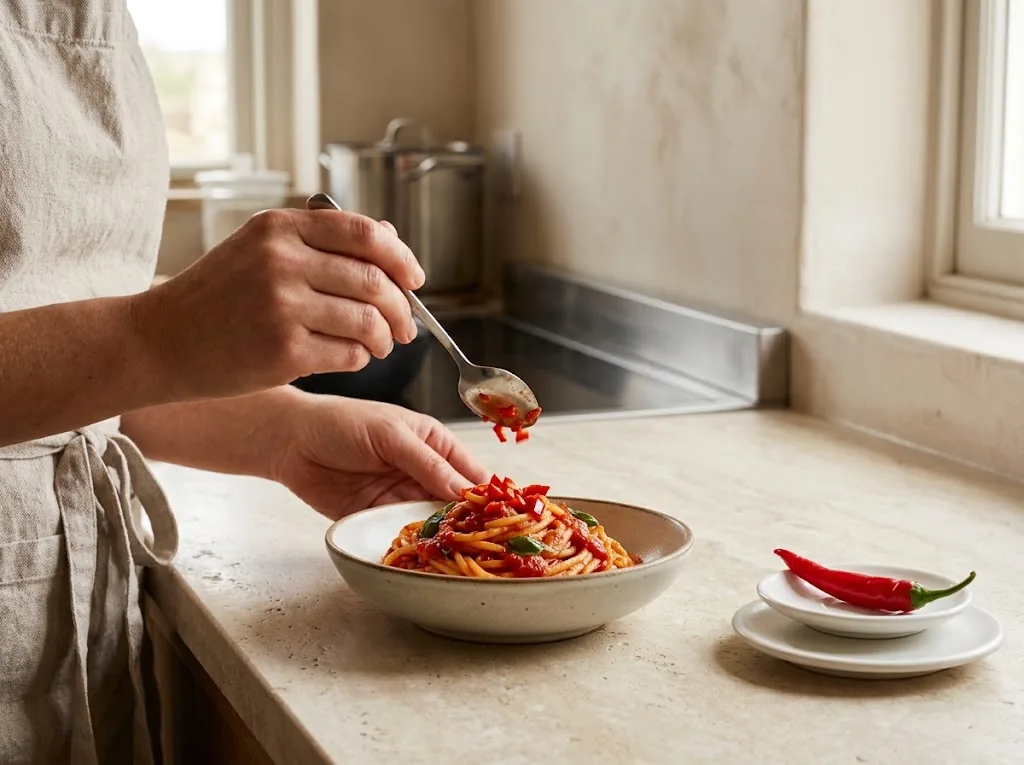
A little goes a long way. Slice a small amount into tomato sauce, beans, soup or sautéed greens, then taste before adding more. The slender shape dries well and can be crumbled into flakes. Fresh ripe fruit also brings a focused kick to vegetables or pasta. Removing seeds and the pale inner membrane can moderate the bite, though it will remain hot. If you would rather cook with a mild, lobed pepper, the Mad Hatter pepper profile is a useful contrast.
Common question
Is this the hottest Italian pepper?
There is no universal ranking for the name alone. The Accademia gives its Diamante selection a 40,000 to 50,000 SHU range, while a seed seller lists 30,000 SHU for a broader Calabrian listing. The regional specification also lists other local types under overlapping names. These are not controlled measurements of the same seed line, so a named selection is more useful than an online “hottest” label.
At a glance
- Common name: Diavolicchio Diamante
- Species: Capsicum annuum, for the documented local ecotype
- Region: Calabria, Italy, particularly the Tyrrhenian coast of Cosenza
- Fruit: elongated, pointed pods around 6 to 8 centimeters, green before turning red
- Reported range: 40,000 to 50,000 SHU for the Diamante selection
- Best fit: a sunny, warm growing season and a cook who likes a small but assertive vegetable
Sources and further reading
- Accademia profile: Diamante ecotype
- ARSAC: Peperoncino di Calabria IGP specification
- University of Minnesota Extension: Growing peppers
- National Center for Home Food Preservation: Peppers
- UF/IFAS: Pepper Scoville ranges
- Seed seller naming and heat example
- Utah State University Extension: preserving chiles
