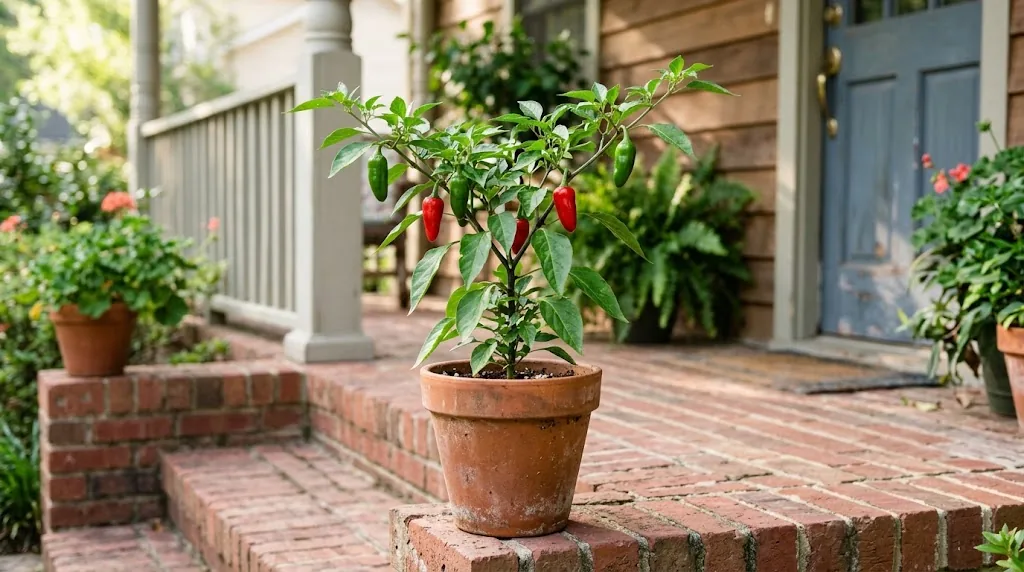
Clusters of small red fruits cover the tops of Rooster Spur peppers, giving the plants a distinctive look and making the crop easy to spot. This Mississippi heirloom is valued for its firm, hot pods and their uses in sausage, pickles, condiments, and chili powder. Here is what the available records say, how to grow the plant, and how to handle its heat with care.
What is a Rooster Spur pepper?
Thresh Seed’s listing says Rooster Spur came through Seed Savers Exchange, donated by Virgil T. Ainsworth of Laurel, Mississippi, and reportedly grown by his family for more than 100 years. It adds that the pods were traditionally used to make Rooster Spur sausage. Treat these details as a reported family story rather than a complete written history of the variety.
Catalog descriptions characterize the pods as slightly curved and about 1 to 2 inches long. They begin green and ripen red, and they grow in clusters across the top of sprawling, highly branched plants. Individual plants can differ, so check the supplier’s description and keep it with your garden notes. For a broader comparison, see our guide to chili pepper varieties.
Where to source the variety
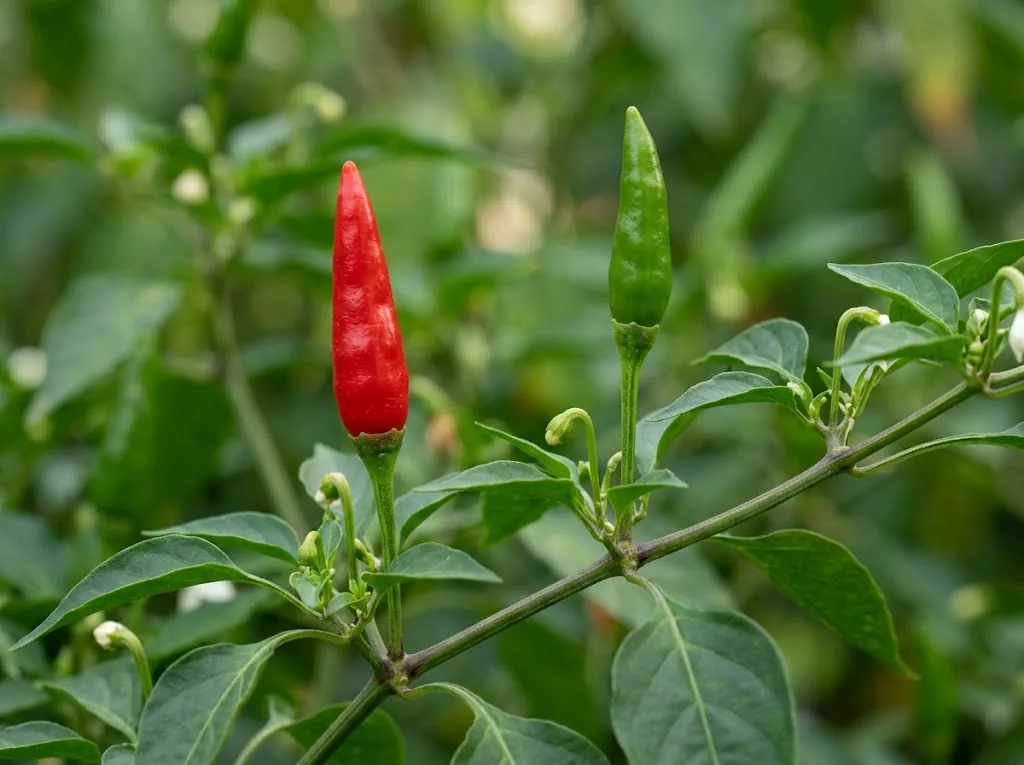
Several specialty suppliers list this variety, including Thresh and Garden Hoard; these are examples, not recommendations. When searching for Rooster Spur pepper seeds, use the exact variety name and check the current packet size, botanical identification, harvest estimate, and germination notes. Those details help distinguish a documented listing from a similarly named pepper. Keep the original packet or listing information if you plan to save seed or share plants.
How hot are Rooster Spur peppers?
One seed seller lists this variety at 30,000 to 50,000 Scoville heat units (SHU). Treat that as a vendor estimate, not a published lab result for every plant or crop. Heat varies, so taste a tiny cooked piece before using a whole pepper. This is a hot pepper, not a mild seasoning variety.
There is little reliable tasting data beyond seller descriptions of firm, hot fruit. The supplier recommends the pods dried and ground like cayenne pepper, as well as pickled. Start with a small amount, then adjust to the heat of your own harvest.
For a milder pepper with more substantial fruit, compare this type with Beaver Dam peppers before choosing a garden mix.
How to grow Rooster Spur peppers
This pepper needs a long, warm growing season. Sow seeds indoors 6 to 8 weeks before transplanting, in soil kept at least 75°F. Pepper seeds often germinate in 14 to 18 days under suitable conditions, according to the exchange’s general guide. A seller lists first harvest at about 95 days after transplanting, so use that as a planning estimate rather than a fixed deadline.
- Sow in warmth. Plant about ¼ inch deep in potting mix. Keep the mix evenly moist, not waterlogged, and provide bottom warmth if the room is cool.
- Pot up and give strong light. Once seedlings have true leaves, move them into individual pots. Use a bright grow light or sunny window, and avoid letting them become tall and weak.
- Wait for warm weather. Harden plants off gradually and transplant after frost danger has passed and the soil has warmed. Set each at its original soil line. Choose a sunny spot with well-drained soil, or use a container with drainage holes and enough room for a branching plant.
- Water by checking the soil. Water deeply when the top layer begins to dry, then let excess drain away. Avoid both bone-dry soil and constantly saturated roots. Mississippi State University Extension warns that too much nitrogen causes blossoms and small pods to drop.
- Pick fully colored fruit. Harvest green pods for a less ripe flavor, or wait for red fruit. Use clean snips so you do not break branches while picking.
Seed catalogs describe pepper plants roughly 2 feet tall, but branching and final size vary with pot size and growing conditions. One supplier suggests spacing plants 18 to 24 inches apart. Leave room for airflow and easy picking.
Harvest and handle the pods safely

Wear gloves when harvesting or cutting the pods, and avoid touching your face. Poison Control notes that capsaicin can irritate skin and eyes, and it recommends rubber, latex, or nitrile gloves for working with hot peppers. If pepper oil reaches an eye, flush it with warm water for 15 minutes. Use clean scissors, a stable cutting surface, and good ventilation if you slice a large batch. Wash hands and tools with soap after handling the fruit, even if you wore gloves.
To save true-to-type seed, isolate different pepper varieties so insects do not cross-pollinate them. The exchange gives a broad isolation distance of 300 to 1,600 feet, depending on the purity you need. If that is impractical, cover selected flowers with blossom bags before they open and label the fruit. Store fully mature seed in a cool, dark place.
How to store and preserve the harvest
For short-term storage, refrigerate fresh pods. University of Minnesota Extension says peppers can keep a week or more in the refrigerator, though prolonged cold can pit their skins. For longer storage, wash and stem whole hot peppers, then freeze them in a labeled freezer container; Utah State University Extension says blanching is not needed.
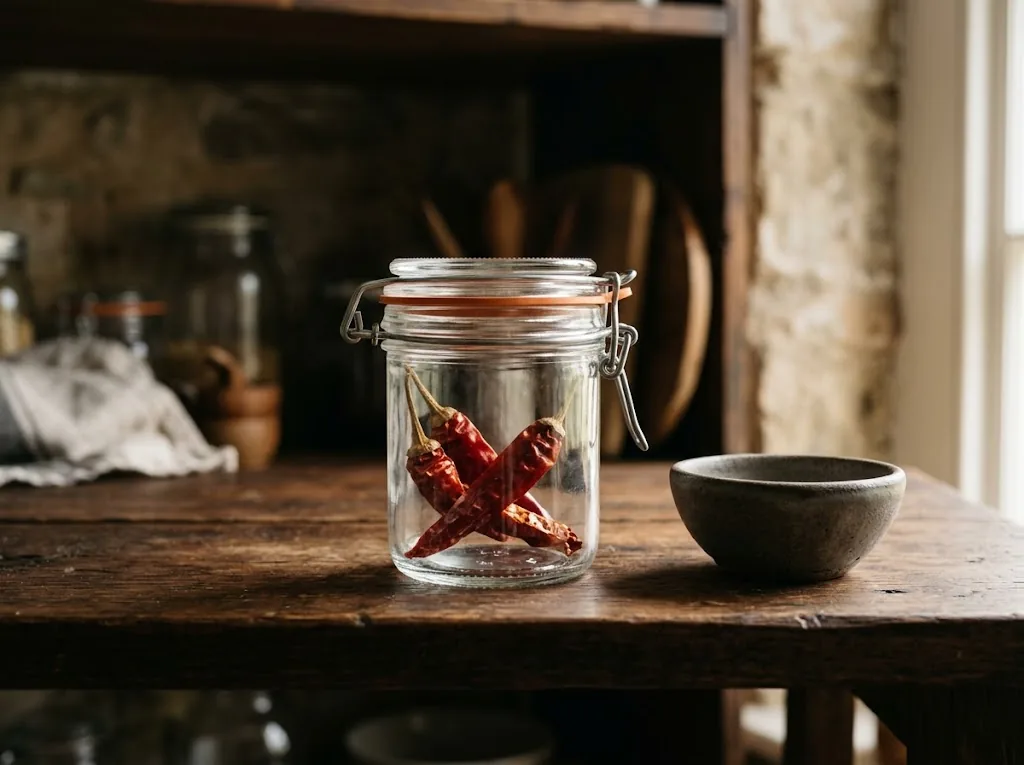
The small fruit can be dehydrated whole or sliced. Continue until each pod is brittle throughout, the doneness cue in the National Center for Home Food Preservation guidance for dried vegetables. Let the pods cool before sealing them in an airtight container away from light and moisture. Grind only what you need so the remaining pods keep their aroma. Wear gloves and avoid breathing dust when grinding.
For pickles or a condiment, use a tested preservation recipe and follow its ingredient ratios and processing directions exactly. The National Center’s tested hot-pepper pickle recipe gives the ingredients and processing times. A refrigerator pickle is not shelf stable. Do not improvise a canning time or assume vinegar alone makes a homemade product safe for pantry storage.
Ways to use Rooster Spur peppers
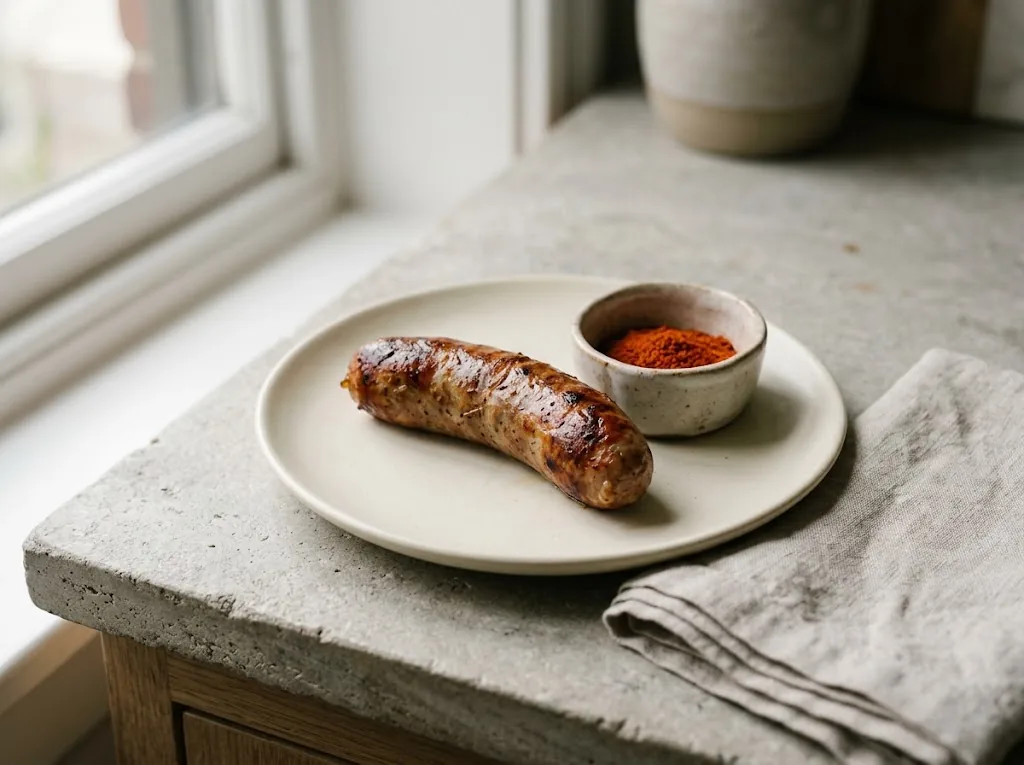
The small pods suit recipes where a little pepper flavor and substantial heat go a long way. Try one in a pot of beans, a simmered tomato dish, or a small batch of vinegar-based hot sauce. Remove the stem, mince carefully, and add a little at a time. The heat in an individual pod can vary, so tasting is more reliable than measuring by pepper count.
The family story links the variety with sausage, while current listings also recommend pickling and grinding it for powder. Those are useful starting points, not restrictions. A whole pod can flavor a simmering pot and be removed before serving.
Is Rooster Spur right for your garden?
Choose it if you want a spicy variety with small, clustered fruit, a reported Mississippi family story, and several practical ways to preserve the crop. Its small pods suit pickling and powder, while the plant’s size can work in a sunny container or garden bed. Give it warmth, sun, and drainage, then judge ripeness by fruit color instead of a calendar alone. For a more ornamental option with dark foliage and small fruit, compare it with the Black Pearl pepper.
Sources
- Thresh Seed Co., Rooster Spur product listing, for the family-history account, pod description, uses, and harvest estimate.
- Growing Guide: Peppers, for general pepper germination, growing, and cross-pollination guidance.
- Mississippi State University Extension, Peppers, for the nitrogen and blossom-drop caution.
- Garden Hoard, variety listing, for the vendor-reported 30,000 to 50,000 SHU range and fruit measurements.
- Poison Control, Capsaicin: When the Chili Is Too Hot, for skin and eye irritation, gloves, and the eye rinse.
- National Center for Home Food Preservation, Packaging and Storing Dried Foods, for vegetable dryness and storage guidance.
- National Center for Home Food Preservation, Pickled Hot Peppers, for a tested recipe and processing schedule.
- University of Minnesota Extension, Growing Peppers, for pepper refrigerator storage and cold sensitivity.
- Utah State University Extension, Vegetable Freezing Methods, for freezing hot peppers without blanching.
