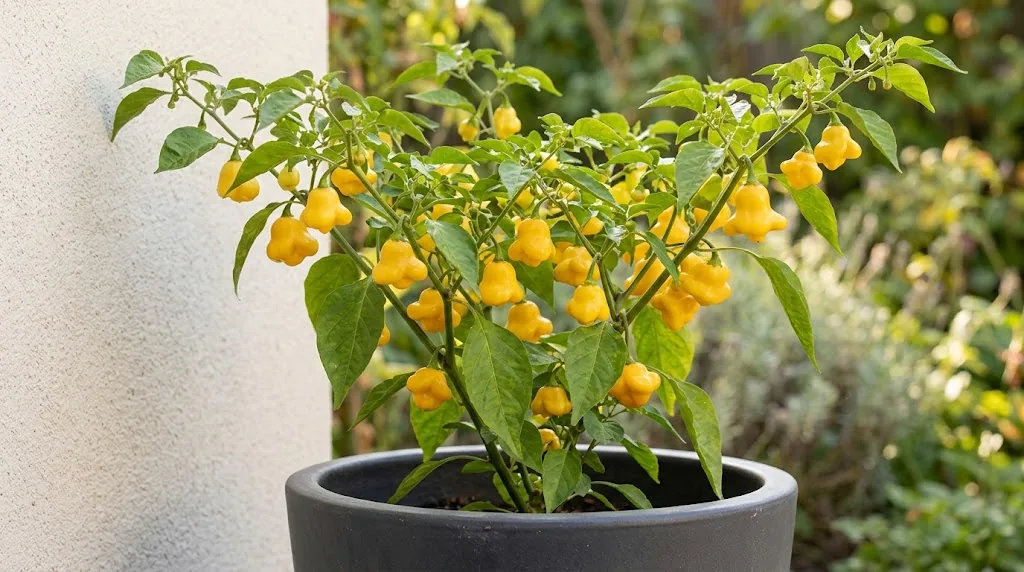
Aji Fantasy brings a bright yellow, bonnet-shaped fruit and a sweet, tropical flavor to the pepper patch, with enough warmth to notice but far less fire than a superhot. This Finnish-bred Capsicum baccatum cultivar suits gardeners who want an unusual pepper for fresh eating, stuffing, salsa, or sauce. Its exact heat varies by source, so treat the published Scoville figures as estimates rather than a promise for every fruit.
To compare its shape and heat with other varieties, browse this guide to chili pepper types.
Where the cultivar came from
Pepper Geek names the breeder as Jukka Fatalii, and the seed company’s own page credits it to Mr. Fatalii. It was developed in Finland, rather than being a traditional landrace from South America. The breeder describes it as a sweet, tenderly mild pepper that ripens from green to yellow. Baker Creek also identifies it as a Finnish-bred Capsicum baccatum and says the selection took more than five years. Those details point to a deliberate modern breeding project, not a documented ancient origin story.
For a gardener searching for an aji fantasy pepper, the yellow original is the cultivar described here.
What the pods look like and taste like
The original Aji Fantasy has small, roughly two-inch pods with a rounded, bonnet-like or lantern shape. The fruit’s shape is one reason growers remember it. They start green and turn a clear yellow as the fruits ripen. Baker Creek describes mature fruit as translucent yellow; Fatalii’s own product description calls it bell-shaped and yellow. The fruit wall is described as tender by the breeder, while growers and seed sellers often note a pleasant bite. One pod is easy to portion whole for stuffing, then slice or dice after cooking. Exact size, texture, and shape can vary among seed lines.
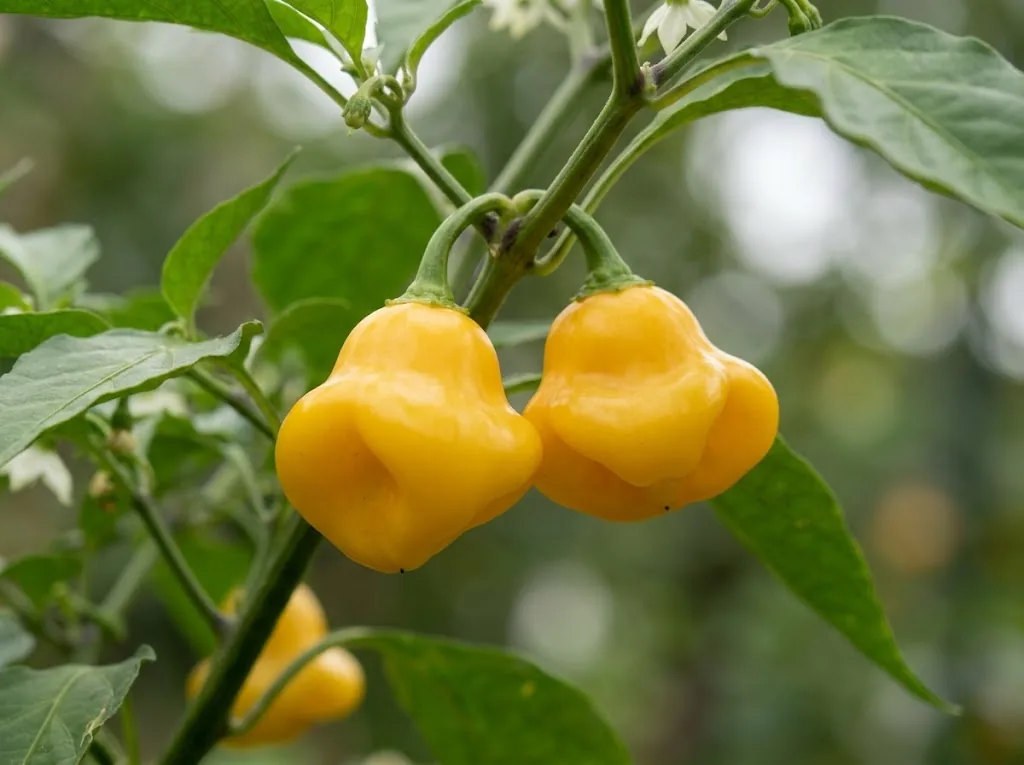
Expect a fruity, sweet flavor with a mild-to-moderate kick and an easy-to-notice sweetness. Fatalii describes the edges as sweet and mild with more heat toward the center. That contrast makes a ripe pepper useful both as a snack and as an ingredient that adds fruitiness without taking over a dish.
Aji White Fantasy and other names
Names around the Fantasy selections are not always used consistently in seed listings. Fatalii distinguishes the original yellow Aji Fantasy from Sparkly White, a newer selection bred from it for thicker flesh and a fresher taste. Some retailers use the words “Aji White Fantasy” in product titles, so check the listed ripening color and breeder description instead of relying on a similar-sounding name alone. This page does not treat the white selection as interchangeable with the original yellow cultivar.
How hot is this pepper?
Published estimates are not consistent. Baker Creek lists 5,000 to 10,000 Scoville heat units, while Pepper Geek estimates roughly 10,000 to 15,000 SHU. Together, these seller and grower estimates span roughly 5,000 to 15,000, not a standardized test of every fruit. A particular plant or fruit may taste milder or hotter.
For a gentler bite, taste a small piece first and remove the pale inner ribs if needed. Avoid promising that this will remove all heat; the level varies, and the center tissue can carry more pungency than the outer wall.
Growing from seed to fruit
Give this warm-season pepper a long head start indoors if your summer is short. Baker Creek recommends starting seeds 8 to 12 weeks before the last frost and lists 80 to 90 days to maturity, though its listing does not state whether the count begins at sowing or transplanting. Its stated sprouting time is 10 to 14 days. These are vendor estimates, and warmth, seed condition, and growing conditions affect timing.
Start seeds in warm conditions
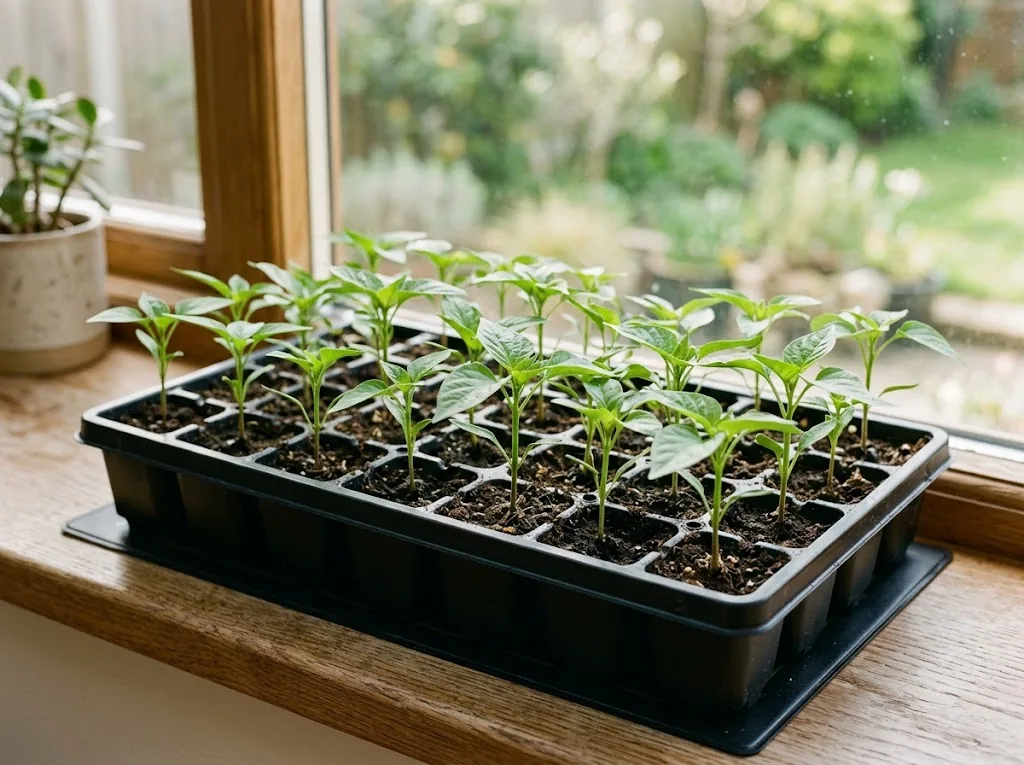
Sow seeds about one-quarter inch deep in a clean, moist seed-starting mix. Keep the mix warm, around 80 to 90°F, and evenly moist rather than waterlogged. The University of Minnesota Extension advises keeping pepper seed flats at 80 to 90°F until seedlings emerge and notes that warm soil supports germination. Once seedlings emerge, give them bright overhead light. Pot them up after true leaves develop if they need more room before outdoor planting.
Set plants out after frost
Harden seedlings off gradually, then transplant only after frost danger has passed and the soil has warmed. Aji Fantasy needs a sunny position and free-draining soil. The University of Maryland Extension advises waiting until soil is thoroughly warm and recommends at least six hours of direct sun for peppers. In a bed, allow room for airflow and follow the spacing on your seed packet, since plant size varies by line and climate.
For a far hotter Capsicum chinense to compare, see the peach ghost pepper.
Aji Fantasy can grow tall and carry many fruits. Baker Creek describes the plant as high-yielding and lists it at around four feet tall, while Fatalii says height can vary widely with conditions. Treat the catalog height as a guide, not a fixed mature size. A sunny, sheltered spot and early support help keep a loaded branch from leaning or breaking. Use a sturdy stake or cage before branches become heavy. A large container can work too: Maryland Extension recommends at least a five-gallon container for peppers, with drainage holes and a quality potting mix. Containers dry faster than beds, so check the mix and water when the surface begins to dry instead of following a fixed calendar. A saucer should not leave roots sitting in water. If a container plant wilts in afternoon heat, check the soil before watering again: dry mix needs water, but persistently wet mix needs better drainage.
Like other peppers, this cultivar may slow down in cool weather and can drop flowers when conditions are stressful. Keep the root zone consistently moist, not saturated, and follow the fertilizer label or a soil test. Do not respond to blossom-end rot by adding calcium without evidence of a soil shortage; uneven water supply is a more common contributor.
Keep the plant steady through summer
Warm weather matters more than a rigid feeding schedule. If nights remain cool, give container plants a warm, sunny position and wait to move seedlings outdoors until they can keep growing. In a short growing season, starting indoors early gives the plant more time to flower and set fruit before cold weather returns. Avoid pushing leafy growth with heavy fertilizer; follow the product label and the needs shown by the plant. Pepper plants can also shed flowers when temperatures are too cool or too hot: Maryland Extension notes poor fruit set and blossom drop when nights fall below 60°F or daytime temperatures rise above 85°F. If blossoms drop, check the weather and growing conditions before changing fertilizer.
When to pick
Pick a fruit when it has reached its mature size and color. Baker Creek recommends bright yellow for the sweetest balance, while green fruit can be picked for a tangier taste. Clip the stem with clean scissors or pruners rather than pulling on a branch. Pick regularly while the season and plant conditions allow.
Aji Fantasy is not a superhot, but pepper fruits can still irritate sensitive skin. Wash hands after handling and avoid touching eyes. Wear gloves if you are sensitive to peppers or handling many fruits. If you are saving seed, let selected fruit fully mature before collecting it; keep in mind that nearby pepper varieties can cross-pollinate, so saved seed may not come true to type unless plants are isolated.
Storing and preserving
Use fresh fruit soon after picking for the crispest texture. Store unwashed peppers in the refrigerator and check them regularly. The University of Minnesota Extension says peppers can keep for a week or more under refrigeration, though cold storage may eventually pit the skin.
For a larger crop, freeze whole or chopped peppers in a freezer-safe container. Freezing softens the texture, so use thawed fruit in cooked dishes, sauces, or soups. You can also dry peppers for flakes or powder, but use a reliable food-preservation guide for your equipment and method rather than guessing at time or temperature. Homemade sauces and pickles that do not follow a tested canning recipe should be refrigerated.
Ways to use the yellow fruits
The sweet flavor works in fresh salsa, chopped salads, and quick sauces. The mild heat and fruity taste can add lift to a salad or a quick pan dish without overwhelming the other ingredients. Slice a ripe yellow pepper into fresh salsas, or stuff whole peppers with cheese and grill them until tender. They also work in a quick pickle kept in the refrigerator, or chopped into a marinade for vegetables or poultry. For a homemade hot sauce, blend the pepper with familiar ingredients and refrigerate it unless you are following a tested canning recipe. Fatalii specifically suggests stuffing or serving the fresh peppers with food; Baker Creek lists fresh snacking, stir-fries, roasting, sauces, and jams. Start with a small amount in a new recipe until you know the heat of your own harvest. For another yellow-fruited variety with a different heat profile, see the yellow ghost pepper.

Sources and growing references
- Fatalii Seeds, Fatalii’s Fantastic 4 (breeder description and relationship to Sparkly White).
- Baker Creek Heirloom Seeds listing (seller’s description, heat range, growing and harvest figures).
- Pepper Geek profile (independent grower’s flavor, heat estimate, and use notes).
- University of Minnesota Extension, Growing peppers (seed-starting warmth, harvest handling, and storage).
- University of Maryland Extension, Growing Peppers in a Home Garden (warm soil, light, and container guidance).
- Utah State University Extension, How to Preserve Chiles (fresh storage, freezing, and drying guidance).
- University of Minnesota Extension, Pickling produce (refrigerator pickles and research-tested canning recipes).
- Utah State University Extension, Food Preservation: Freezing (texture changes after freezing).
- University of Minnesota Extension, Vacuum-sealing jars (homemade sauces and quick pickles require refrigeration without canning and processing).
