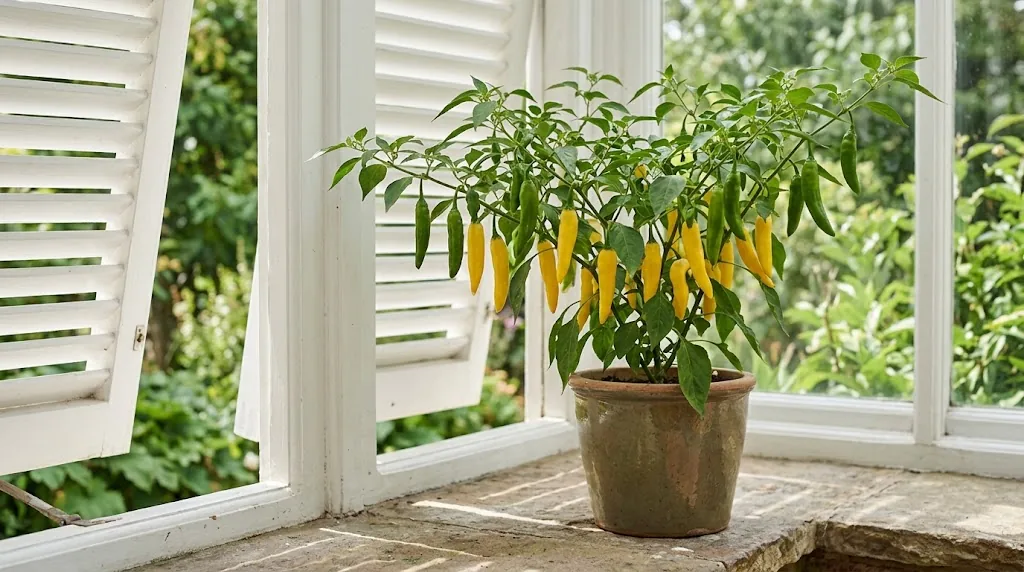
A ripe Aji Pineapple pepper brings bright yellow color and a citrus-forward aroma to the garden. This Capsicum baccatum pepper is valued for a fruity, tangy taste and a moderate-to-hot bite. This guide explains what growers and cooks can expect, including where seed-company descriptions differ.
What are Aji Pineapple peppers?
This named pepper cultivar belongs to the baccatum species. Pepper Joe’s listing describes it as originating in Peru. Thresh Seed Co. says the fruit gets its name from its citrus-like taste. The name does not signal a botanical relationship to pineapple. The pendant-shaped pods hang from the branches. Sellers commonly list them at about 2 to 3 inches in length. They start green and ripen to yellow; some listings also describe orange tones.

Plants can become substantial in a warm, long season. Pepper Joe’s lists a mature height of 2 to 4 feet, while Thresh Seed Co. describes plants around 2 feet tall. Treat those as seller-specific expectations, not a guaranteed mature size. Give the plant room and support branches if a heavy crop weighs them down.
For a broader look at how this pepper fits among other chili pepper varieties, see our guide to choosing among types by flavor and heat.
What is the Aji Pineapple pepper heat level?
Published heat estimates do not agree, and they are seller figures, not a lab-tested range. Pepper Joe’s product page lists 20,000 to 30,000-plus Scoville Heat Units (SHU) in its quick facts, but gives 30,000 to 50,000 in the product description. Thresh Seed Co.’s listing compares its heat with Aji Amarillo without giving a number. Fruit heat can vary, so taste a small piece before using a whole pod.
The taste is often described as citrusy, floral, and fruity, with a clear pepper heat. Pepper Joe’s compares the pod with Aji Lemon Drop and notes a slightly different flavor; Thresh Seed Co. describes its taste as citrus-like. Pepper Joe’s calls the pepper medium-hot and notes a tropical taste. It can brighten salsas and hot sauce, but the exact balance depends on fruit maturity and growing conditions. Start with a small amount when adapting a recipe. For a longer, slimmer pod from a different species, Capsicum annuum, see our profile of Pusa Jwala peppers.
How to grow Aji Pineapple peppers from seed
Start seeds warm and early
Choose seeds from a seller that identifies the cultivar and gives clear planting instructions. Start pepper seeds indoors about eight weeks before outdoor planting, as the University of Minnesota Extension advises. Adjust that timing to your local last frost and the space available for seedlings. Warm soil supports germination; keep the mix evenly moist until each seed can sprout. The same extension guide advises a heat mat at 80°F to 90°F until emergence and bright light afterward. These plants need a long, warm season to flower and ripen fruit. The Queensland Department of Agriculture’s capsicum guide gives an optimum germination range of 18 to 30°C (64 to 86°F), with slow germination below 15°C (59°F).
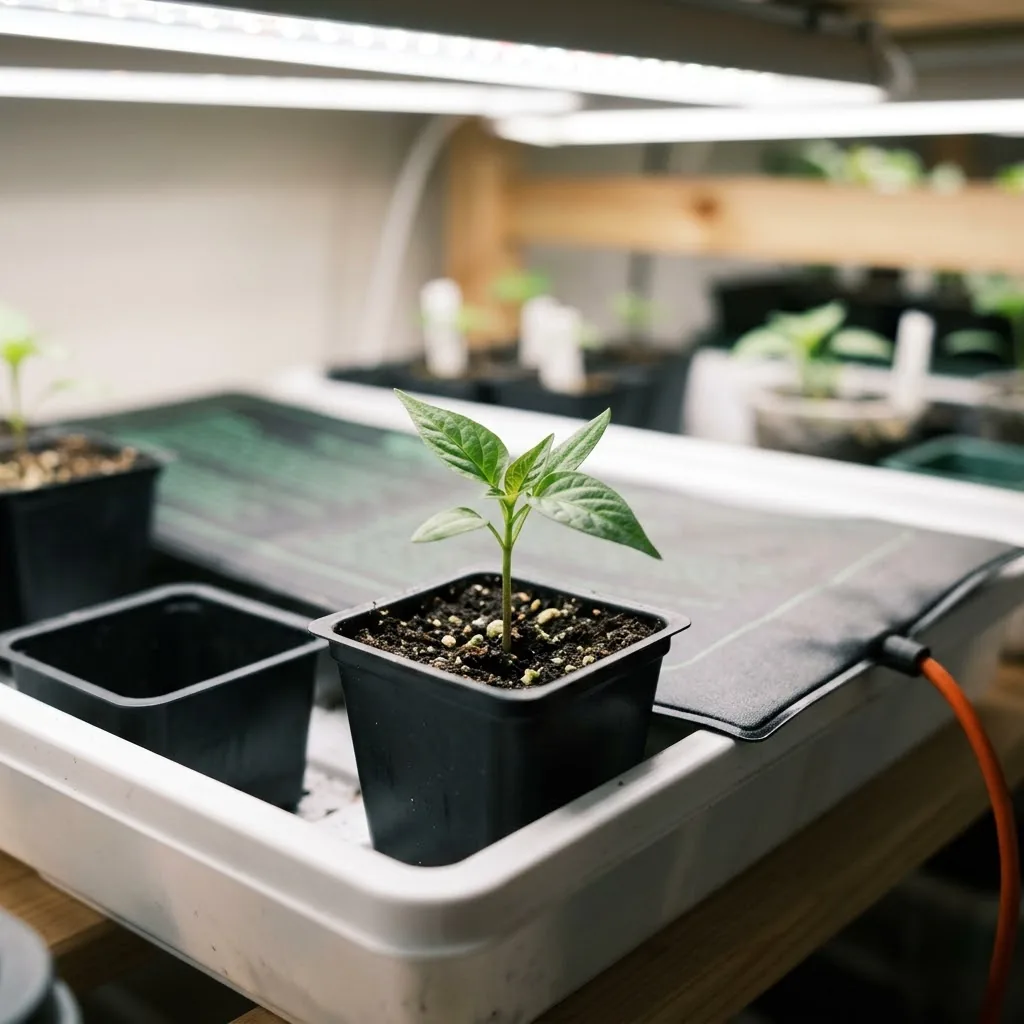
When seedlings have several true leaves, pot them on if roots fill their cells. Follow the mat maker’s instructions and watch moisture, since heated mix can dry faster. Harden them off gradually before planting outside. Set them outdoors only after frost danger has passed and the soil and nights have warmed. The Queensland guide notes that capsicum vegetative growth is strongest from 20 to 30°C, while 5 to 15°C results in poor growth. Avoid transplanting into cold ground simply to meet a calendar date.
Choose sun, steady moisture, and space
Plant in a sunny spot with well-drained soil. A large container can work if it has drainage holes and enough volume for a vigorous plant; a garden bed gives roots more room. Follow the seed supplier’s spacing guidance where available, and leave enough space to reach the plant and let foliage dry after rain.
Water when the upper soil begins to dry, then water deeply around the root zone. Check containers more often during hot, windy weather because they dry faster than beds. A layer of mulch can help reduce swings in soil moisture. Avoid keeping roots soggy, and use a balanced fertilizer according to its label rather than adding extra feed whenever growth slows.
Flowers, fruit, and common setbacks
Capsicum flowers are generally self-pollinating, but insects and wind can move pollen between plants. The Queensland guide notes that cross-pollination can occur, so isolate flowers if you plan to save seed true to type. If several pepper cultivars grow close together, isolate blossoms or grow only one cultivar for seed.
Hot days, cool nights, uneven watering, or a short season can interrupt flowering and fruit development. If blossoms drop, check recent temperatures and soil moisture before changing fertilizer. This is a warm-season plant, so a greenhouse or sunny protected patio may help in a short-season climate, provided the space has good airflow.
When to pick pods and handle the fruit
Pick pods when they have reached their mature yellow color and feel firm. Use clean scissors or pruning snips to cut the stem rather than pulling on a branch, as the University of Minnesota Extension recommends for most peppers. Pepper Joe’s lists 90 to 99 days to first harvest; Thresh Seed Co. lists 90 days to harvest. Those figures belong to their own seed descriptions and can shift with transplant size, temperature, light, and local growing conditions. Expect the first ripe fruit only when the plant has enough warmth and time.
Handle fresh peppers carefully, especially when cutting several at once. If heat bothers your skin, wear gloves and wash hands after preparation. Keep fingers away from eyes and other sensitive areas while handling cut fruit, as the University of Minnesota Extension advises.
How does the fruit taste, and how can you use it?
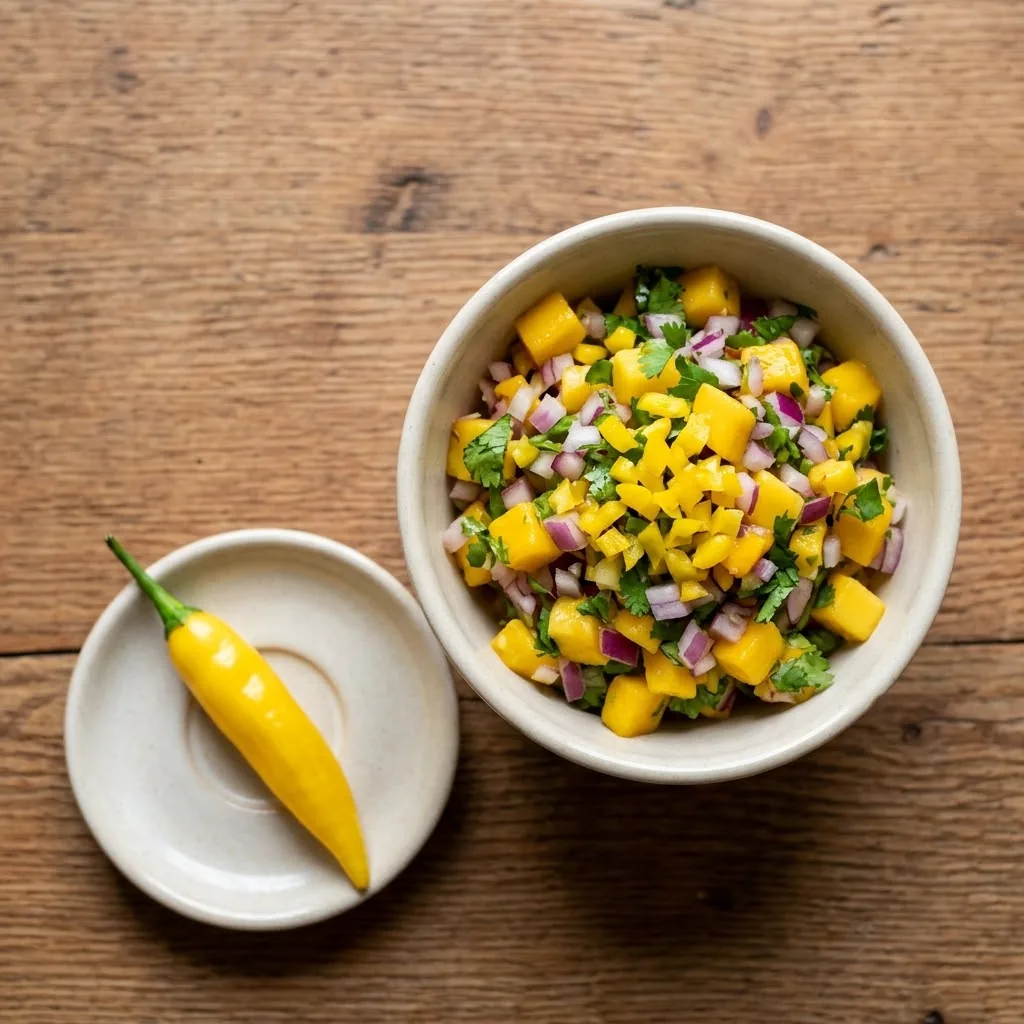
The tangy fruit taste pairs well with ingredients that can balance or echo it. Try a little chopped ripe pod in fresh salsas, fruit-based hot sauce, marinades, or spicy recipes that benefit from citrus notes. Removing seeds and the pale inner membrane can reduce the heat, according to the University of Minnesota Extension pepper guide; taste as you cook. Add a small amount first, taste, and adjust.
For a deeper, raisin-like dried-chili taste in sauces and braises, compare this bright yellow type with Mulato peppers. They are a different species and have a very different flavor profile.
Storing fresh and dried peppers
Keep fresh peppers dry in the refrigerator and use them while they remain firm. Utah State University Extension says fresh chiles keep for up to 2 to 3 weeks refrigerated. For longer storage, freeze clean whole or chopped fruit at 0°F (-18°C) or colder, following Utah State University Extension’s directions. You can also dry ripe pods until brittle, then store them in a sealed container, as Utah State University Extension advises. For shelf-stable pickles or canned peppers, use a tested recipe and follow its processing directions; the Utah State University Extension guide says plain chiles require pressure canning.
At a glance
- Species: Capsicum baccatum.
- Origin listed by sellers: Peru.
- Ripe color: yellow, with some seller descriptions noting orange tones.
- Pod size listed by sellers: about 2 to 3 inches.
- Heat: seller estimates vary, roughly 20,000 to 50,000 SHU across listings.
- Best fit: this variety suits a long, warm growing season, or a protected sunny space where fruit has time to ripen.
Use seed-catalog figures as planning estimates, not promises. This pepper is most rewarding when the plant gets a long season and its distinctive ripe fruit has time to develop.
