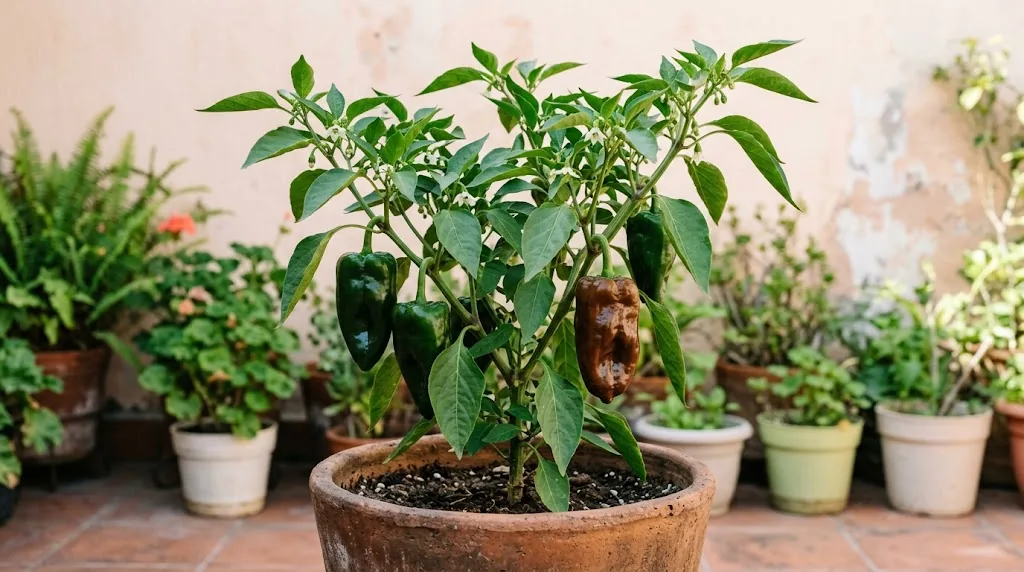
A dried mulato chile can look almost black beside another dried chile. The contrast starts with how the fruit ripens, and it can bring a different flavor to a pot of sauce. If you are choosing pepper seed, look for a named type such as Mulato Isleño; if you are cooking, buy from a seller that labels dried chiles clearly.
What is a mulato pepper?
The name is used for a Mexican dried poblano-type pepper. A fresh poblano pepper left on the plant to mature further can develop darker fruit before drying, while an earlier-picked red fruit is dried as an ancho, as described in this culinary explanation of mulato and ancho. Strain descriptions vary: Cornell’s Mulato Isleño garden record describes dark-green, 6-by-3-inch fruit that ripen to chocolate brown, while Thresh Seed Co.’s listing says its line ripens red and dries dark red to nearly black. New Mexico State University’s Chile Pepper Institute profile describes Mulato fruit that turn dark brown at maturity. Treat these as strain-specific descriptions, not a single color rule for every pepper sold under the same name.
Botanically, the named Isleño selection is Capsicum annuum. Cornell lists 76 days to maturity for its recorded variety; seed companies give different estimates, which depend on the strain and how they count the days. For the broader family context, see our guide to pepper varieties.
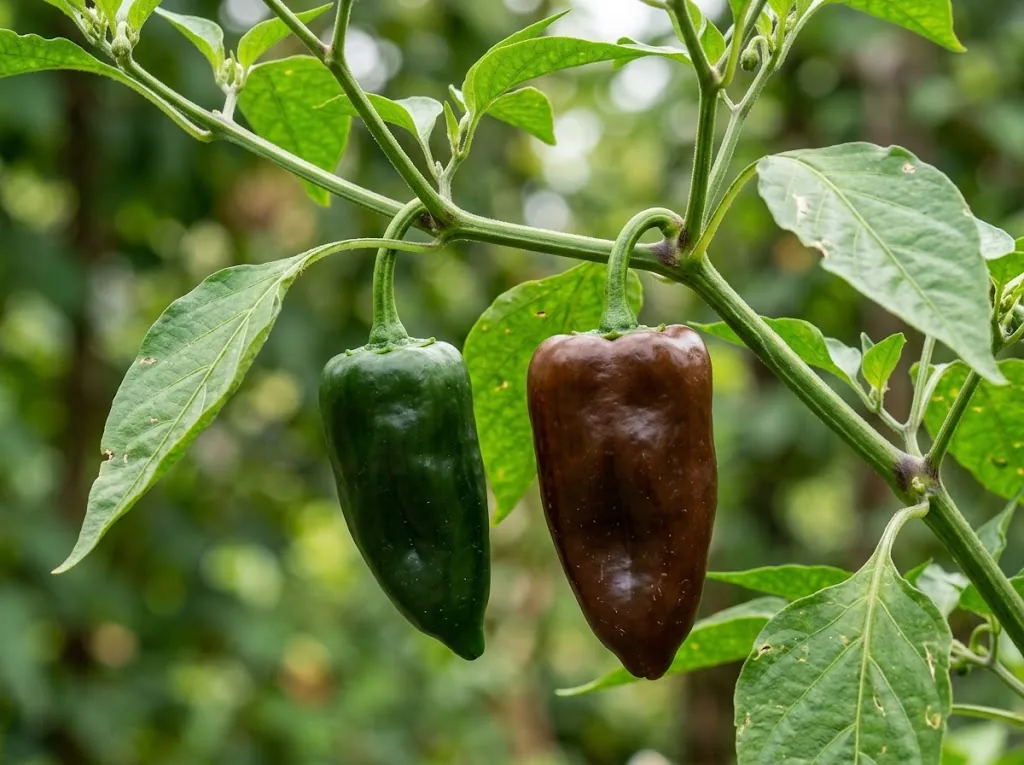
How hot is the pepper?
Cooks generally describe this dried chile as mildly hot, but a dependable, variety-specific Scoville heat unit (SHU) range is not established by the sources reviewed for this profile. Heat can vary by seed line and growing conditions. Use a small piece in a dish, taste, then add more. This gives you better control than relying on a number repeated across unsourced pepper charts.
Its flavor is the reason cooks reach for it: the Chile Pepper Institute describes chocolate or licorice notes with a hint of cherry and tobacco. Other growers describe a prune-like, smoky flavor. Tasting notes are not guarantees, but the fruit contributes color and body as well as mild heat, so it works well alongside brighter or hotter chiles.
This chile is one of several dried Mexican varieties used in sauce. For a fresh seasoning pepper with a floral, melon-like aroma and gentle heat, compare Trinidad Perfume peppers; Thresh Seed Co. describes it as mild and lists 0 to 500 Scoville heat units.
Growing instructions for Mulato Isleño peppers
Start with seed sold under a clear name. The common name can refer to a type rather than one uniform strain, and seed catalogs do not agree on every fruit detail. The following figures are supplier-specific: Thresh Seed Co. recommends starting C. annuum seed indoors about 6 to 8 weeks before the last frost and gives 10 to 14 days for germination under ideal conditions. Reimer Seeds lists 80 to 85°F soil and 14 to 28 days for its Isleño listing. Keep the seed-starting mix warm and evenly moist, not waterlogged, and expect timing to vary with seed freshness and conditions.
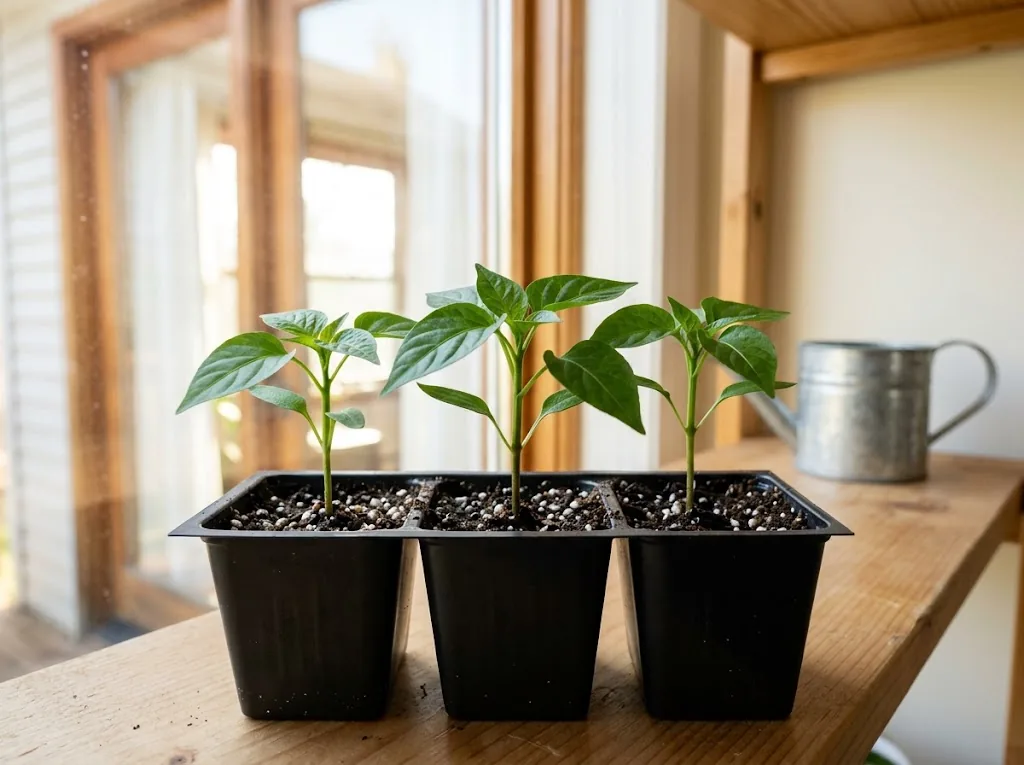
Move sturdy transplants outside after frost danger has passed and the soil has warmed. Give plants full sun, fertile soil that drains freely, and room for airflow. A seed supplier lists 18 to 24 inches between plants; follow the spacing on your own packet because plant size and strain differ. Water at the soil line when the surface begins to dry, and use a stake if branches laden with fruit begin to lean. University of Minnesota Extension’s pepper guide recommends soil-test-based fertilizer, so avoid feeding by guesswork and follow the product label.
Harvest the fruit at the mature color described for your seed line. Use clean snips so you do not tear branches. Wear gloves when cutting or handling many pods, and wash your hands before touching your face. Gardeners who want a fresh pepper with habanero-like flavor and no heat can compare the Habanada pepper; Cornell identifies Habanada as a heatless variety.
How to use dried mulato chiles
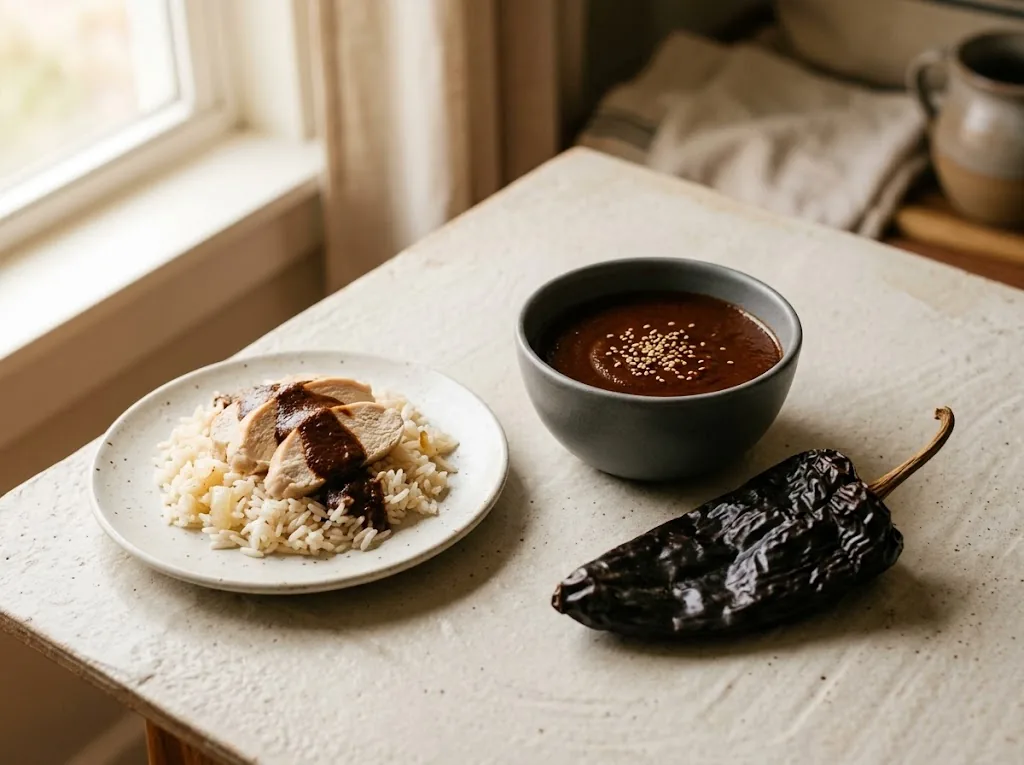
This chile is a familiar ingredient in traditional Mexican cooking. The University of Arizona Extension mole guide includes mulato among the dried chiles used in mole poblano. You can also blend it into enchilada sauce, a braise, or a bean stew. Start with one pod, then adjust the combination to suit the recipe rather than expecting one chile to carry the whole sauce.
To prepare a dried pod, wipe away dust, remove the stem, and shake out loose seeds. One chile-preparation guide suggests briefly toasting dried chiles in a dry skillet until aromatic, then rehydrating them in hot water before blending into sauce. Turn the pod often and stop before it smokes or blackens, which can make a sauce bitter. Taste the soaking liquid before using it; discard it if it tastes bitter. You can grind a fully brittle dried pepper into chili powder or crumble it into soups and stews.
If your plant produces more fresh peppers than you can use, the University of California Agriculture and Natural Resources guide recommends rinsing them, removing stems and cores, cutting them into 3/8-inch disks, and drying the pieces in one layer in a food dehydrator. Its general pepper estimate is 8 to 12 hours; confirm the pieces are brittle before storage. Cool them completely, then store in a moisture-proof airtight container in a cool, dark place. The National Center for Home Food Preservation advises protecting dried foods from moisture and discarding moldy foods. If condensation appears inside a storage jar, check the contents and redry food that is still sound; discard any moldy pieces.

Mulato vs. ancho: what is the difference?
Both names are associated with dried peppers from poblano varieties. Ancho is typically the red, earlier-matured dried form; the darker form is usually allowed to mature longer. Their dried skins can look similar in a bag, so check the label and buy from a seller that identifies the chile clearly. The red type tends to bring a brighter, fruitier flavor, while the darker one is often used for a rounder note. Neither is a perfect substitute in every recipe, but you can swap a small amount and adjust after tasting. The broader category of dried poblanos includes chiles prepared at different ripeness stages.
Quick facts about mulato peppers
- Species: Capsicum annuum; Mulato Isleño is a named poblano-type variety.
- Origin: Mexican chile tradition; seed listings identify the Isleño selection as Mexican.
- Heat: Generally mild; a well-supported, variety-specific SHU range was not found.
- Best-known use: Mole and other blended chile sauces.
- Growing note: Start indoors in warm conditions and transplant after frost danger has passed.
For cooking, choose a clearly labeled dried chile and add it gradually. For the garden, choose a named seed line and follow that supplier’s color and timing notes. Those two small checks make it easier to get the flavor and fruit you expect from this variety.
